At least one Canadian EV-sector startup is signing major deals despite the industry’s grim mood.
It’s been a tough couple weeks for the EV supply chain, with companies like Lion Electric and Northvolt warning they’re on the brink of insolvency.
All the more noteworthy, then, that Novonix, a Nova Scotia-founded battery-tech startup, has signed EV supply-chain deals over the past month with both Stellantis and Volkswagen’s battery division, PowerCo.
The contracts, which stretch over several years, are significant commitments given that neither automaker is doing very well: Stellantis CEO Carlos Tavares resigned abruptly over the weekend, more than a year ahead of schedule, amid clashes between the leadership, board and shareholders. Nearly 100,000 Volkswagen workers were striking across Germany as the company threatens to shut factories in its home country for the first time in recent history.
The deals are likely to become even more important because they centre around the supply of graphite—one of the minerals that China slapped export restrictions on this week in the latest salvo of its trade battle with the United States.
Despite the twists and turns with every news cycle, Novonix CEO Chris Burns said automakers tell him they’re still committed to securing their future EV battery needs.
“People can debate what percentage of the fleet will be electrified by when, but at the end of the day, they’ve all committed to electrification,” said Burns.
“That is not just because of geopolitics or concerns with China. They want to de-risk their supply chain like any good business.”
Toronto-based critical minerals research firm Adamas Intelligence estimated this week that the amount of graphite bought for use in EVs has jumped 25 per cent since last year. It’s a key ingredient in battery anodes but difficult to source outside of China, which dominates both natural graphite mining and the carbon-intensive process of turning coal tar into synthetic graphite.
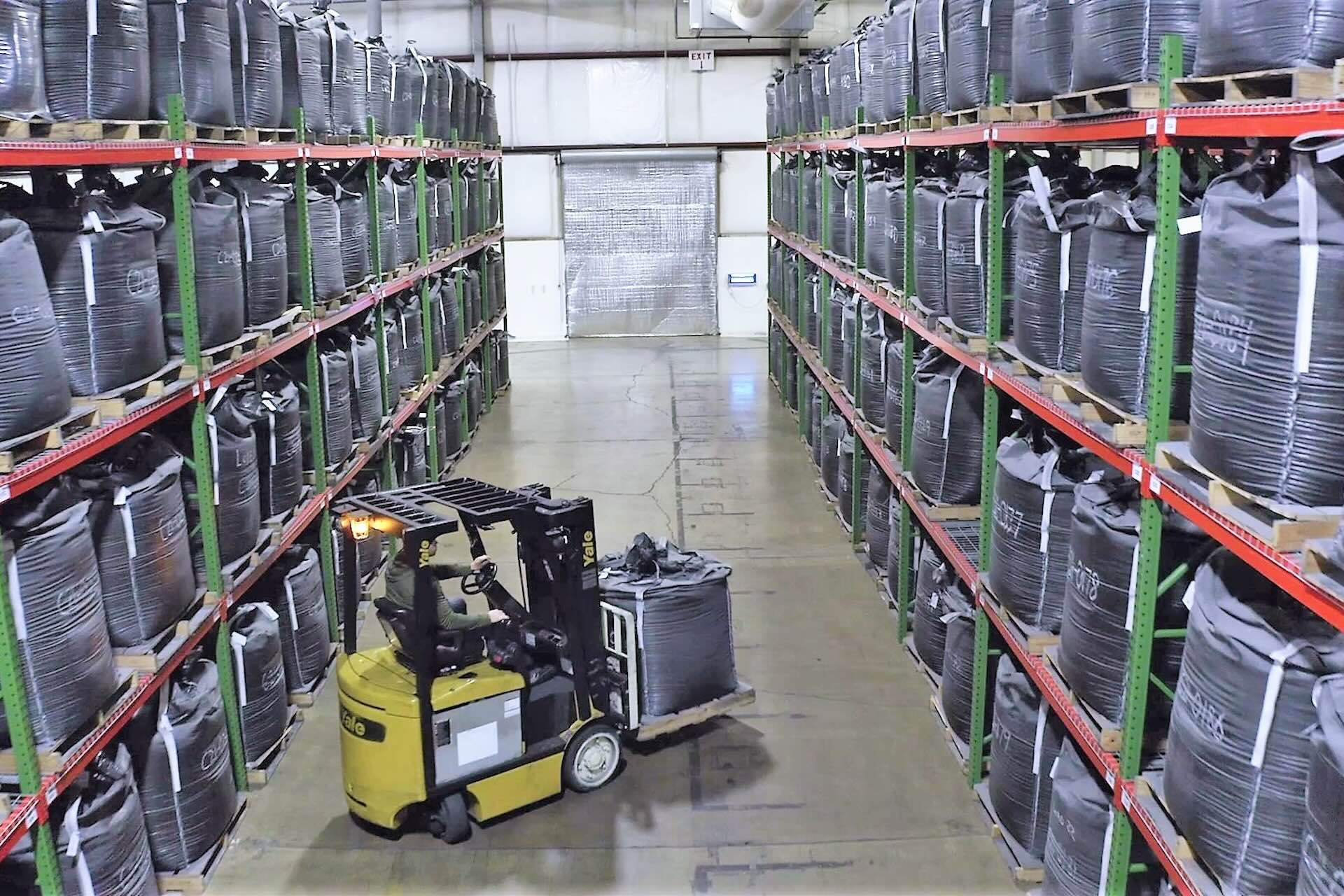
Novonix spun out of Dalhousie University’s famed battery lab in Halifax, one that is now funded by Tesla. It’s been working on a greener process for synthesizing graphite, and Burns said automakers have zeroed in over the past year on the specs they require.
The contracts mean Novonix will supply synthetic graphite to both companies: a minimum of 32,000 tonnes to PowerCo over five years, starting in 2027; and at least 86,250 tonnes to Stellantis over six years, beginning in 2026. The deals—along with a US$100-million grant from the U.S. Energy Department—suggests the company will need to expand beyond its plant in Tennessee, which hasn’t started up yet but is already working with its own client: Panasonic is purchasing at least 10,000 tonnes from it between 2025 and 2028.
If nothing else, the agreements show there are still opportunities in the EV space. PitchBook analyst Jonathan Geurkink estimated that venture investments in mobility technology grew nearly 53 per cent year over year in the second quarter of 2024, despite high-profile failures like the Fisker bankruptcy.
For Novonix, the past year has required a flurry of work to show it can meet those specs and close long-term deals, while trying to look past the short term, Burns said. “[These agreements] take a significant amount of effort to bring across the line.”
Read Shift—The Logic’s authoritative weekly newsletter on automotive technology industry news—for more; and if you know someone who should be reading it, they can sign up here.