Crypto Quarterly is The Logic’s recurring series assessing the overall state of the crypto market, with a focus on digital assets with strong ties to Canada.
Satoshi Nakamoto, Bitcoin’s pseudonymous inventor, has held more of the digital asset than anyone else throughout its 15-year history. On Dec. 6, that changed.
“KING OF THE HILL: The US spot ETFs have just passed Satoshi in total bitcoin held,” Bloomberg analyst Eric Balchunas posted on X, with a table showing the financial vehicles collectively hold more than 1.1 million coins—more than Satoshi, Binance, famously prolific software maker turned bitcoin investor MicroStrategy or anyone else in the world. “And they’re not even a year old yet, literally babies still. Mind blowing.”
Talking Points
- Earlier this month, the Wall Street giants that own U.S. bitcoin ETFs surpassed Satoshi Nakamoto, the digital asset’s pseudonymous inventor, in total coins held
- U.S. president-elect Donald Trump has pledged to create a strategic bitcoin reserve—which would put even more of the digital asset in control of the very banks and governments it was designed to undermine
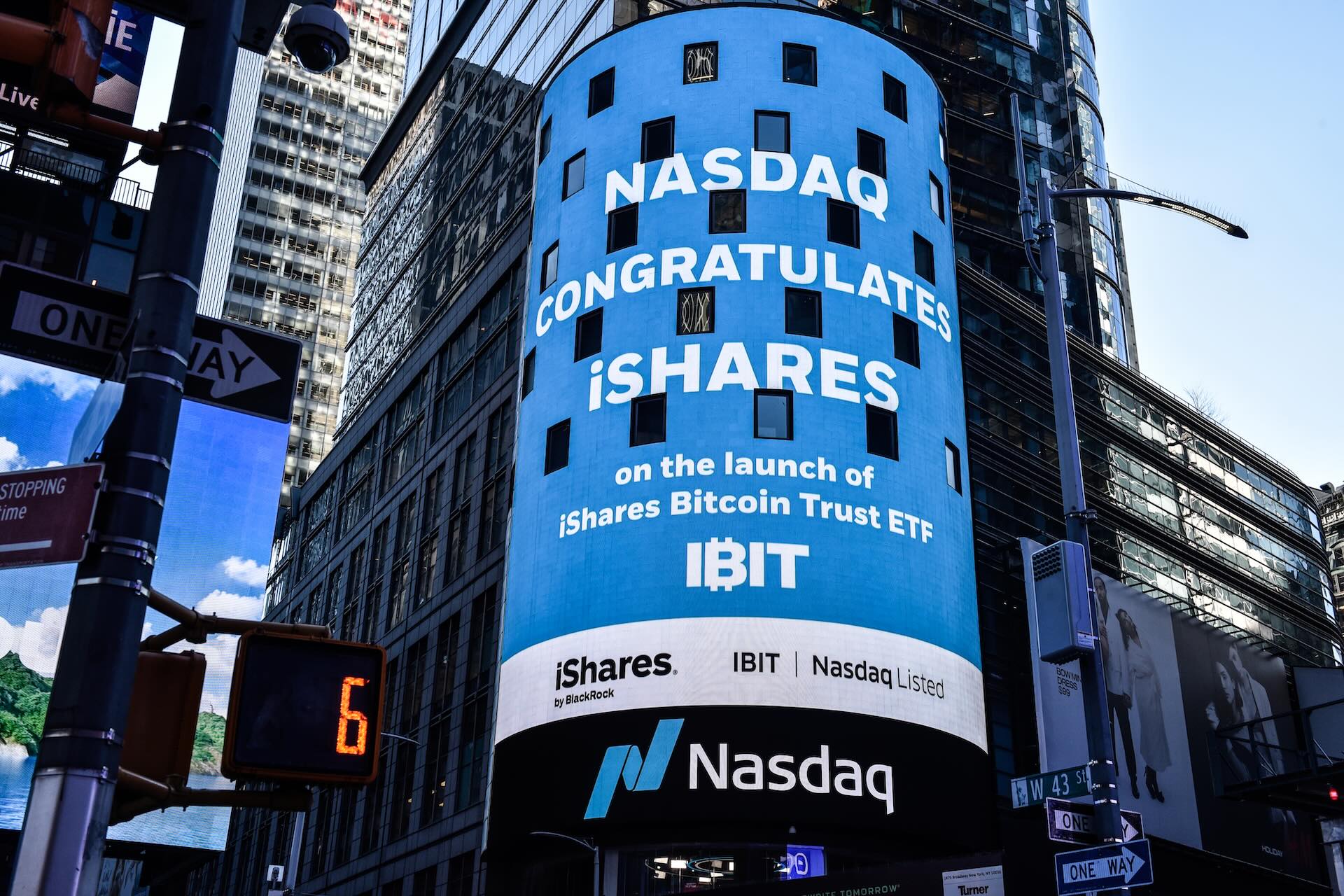
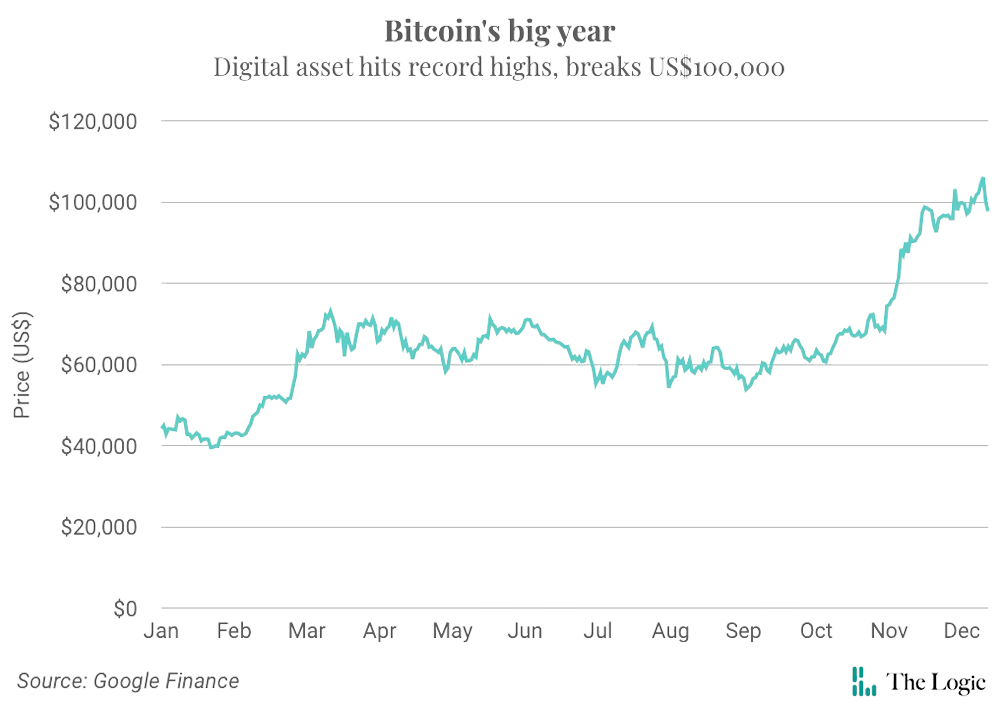
Since U.S. bitcoin ETFs launched in January 2024, Bitcoin has broken milestone after milestone, a trend that has been fuelled further by the re-election of crypto-friendly Donald Trump. The price of the digital asset hit US$100,000 for the first time in early December and it now has a total market value of about US$2.2 trillion—roughly equivalent to Canada’s 2024 GDP and more valuable than silver, Saudi Aramco or Meta.
Governments and financial giants that have long dismissed Bitcoin as “stupid,” “dangerous” and “rat poison squared” have changed their tune, and are now the digital asset’s biggest holders and boosters. Most people in the Bitcoin world have cheered this on—but some are questioning what happens when the digital asset’s biggest investors become the very institutions it was designed to undermine.
“This is not something to celebrate,” former Bitcoin developer Jonas Schnelli posted on X in response to the news Bitcoin ETFs had overtaken Satoshi as the digital asset’s biggest owners. “It’s a dangerous sign of centralization—exactly what Bitcoin was designed to prevent.”
Bitcoin made it possible for people to prove their ownership of a digital representation of value and transfer it to others, without the involvement of governments, central banks or the financial system. It has roots in the Cypherpunk mailing list, a ’90s discussion forum for libertarian-leaning privacy activists to discuss how to use cryptography to break free from government and corporate surveillance and control.
For people who are more concerned with buying lunch and saving for retirement than evading the iron grip of the state, however, Bitcoin’s outsider status has some serious drawbacks. It’s challenging for institutional investors to hold the token directly. When sold, the Canada Revenue Agency subjects any increase in its value to capital gains tax—which means even buying a burrito with bitcoin is a taxable event that must be reported.
Bitcoin ETFs solve a number of these problems. Following their launch, anyone who could buy stocks could also gain exposure to bitcoin, in a compliant and tax-friendly wrapper. People who were more interested in Bitcoin’s meteoric rise in value than its anti-establishment features piled into ETFs in droves, pushing the price up.
Meanwhile, crypto-trading platforms, lending protocols and other firms in the business of helping people buy and sell digital assets have struggled to return to their 2021 heyday, despite crypto’s recovery following some major industry scandals. Changpeng Zhao, the Canadian former CEO of Binance, and Sam Bankman-Fried, the disgraced former CEO of FTX, were both sentenced to prison in 2024—the former for breaking money-laundering laws, the latter for fraud. Crypto-trading platform volumes have yet to return to the all-time highs of three years ago.
Mauricio Di Bartolomeo, co-founder of Ledn, a crypto lender that moved from Toronto to the Cayman Islands in 2023, said he’s not worried about banks moving into the crypto space and putting him out of business. The involvement of financial institutions legitimizes the industry, makes it easier to find funding partners and increases the options available to people who want to take out bitcoin-backed loans. “The consumer is the big winner here,” he said.
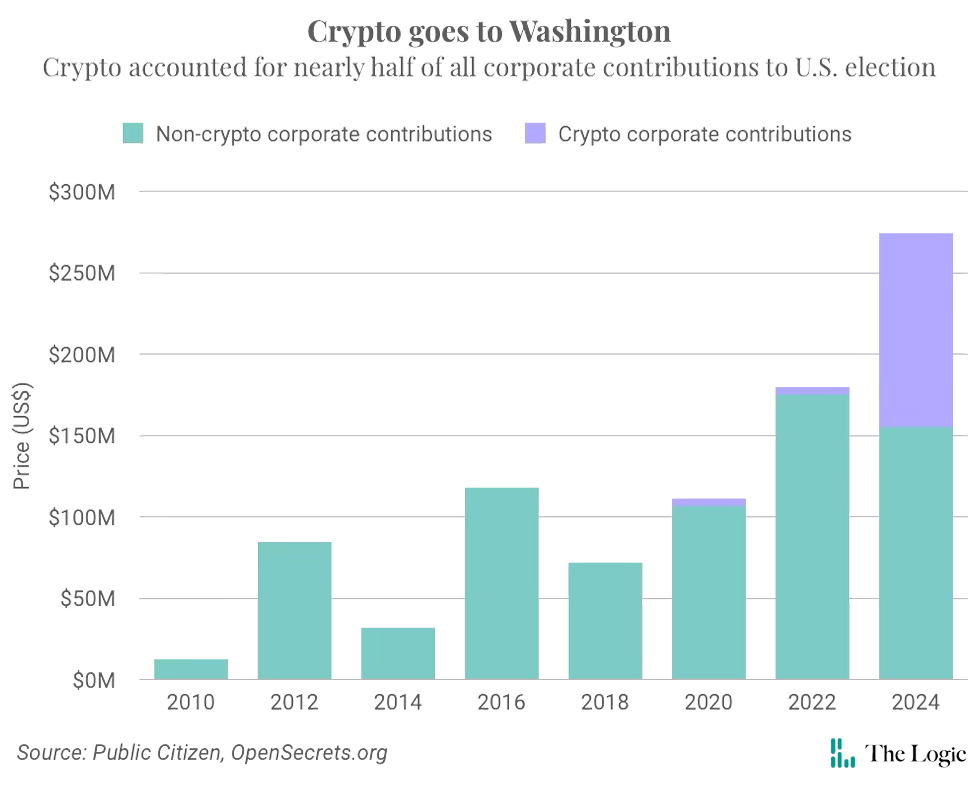
Di Bartolomeo also said regulatory clarity would be a major boon to his business and others. The U.S. Securities and Exchange Commission has historically taken an enforcement-heavy approach to regulating the crypto sector, but Trump has signalled that is about to change once he takes office. Crypto businesses, led by Delaware-incorporated Coinbase, spent a historic US$119 million on attempting to influence the outcome of the 2024 federal election.
Trump has announced plans to nominate Paul Atkins, a pro-crypto Washington lawyer, as head of the SEC. He also said he plans to create a U.S. strategic bitcoin reserve—something Vancouver is also studying.
Andreas Park, a finance professor at the University of Toronto who studies blockchain, called the idea of a strategic bitcoin reserve “just a grift,” because he can’t think of a scenario in which a government would need to draw on the stockpile. He said he’s frustrated by the focus on getting rich quick from crypto, rather than creating practical uses for it.
Park’s concern about government bitcoin reserves is similar to Schnelli’s warning about bitcoin ETFs owning more coins than Satoshi. “If the U.S. government had significant bitcoin reserves, then they would say, ‘Well, we need to have a really close eye on bitcoin mining,’” he said. “All of a sudden … it’s the government actually taking control of it.”
Still, bitcoiners are giddily watching the digital asset’s price tick higher and higher. But behind the scenes, the transfer of ownership to financial giants and governments is happening just as quickly. The contingent of bitcoiners more interested in freedom and privacy might need to prepare for a fight—and as they say, the house always wins on Wall Street.