Listen Now
0:00
OTTAWA — As people across the country gathered for mid-week celebrations over barbecues, Canadian negotiators headed into a meeting with the U.S. and Mexico to discuss the North American trade pact and emerged without a deal—or any real fireworks.
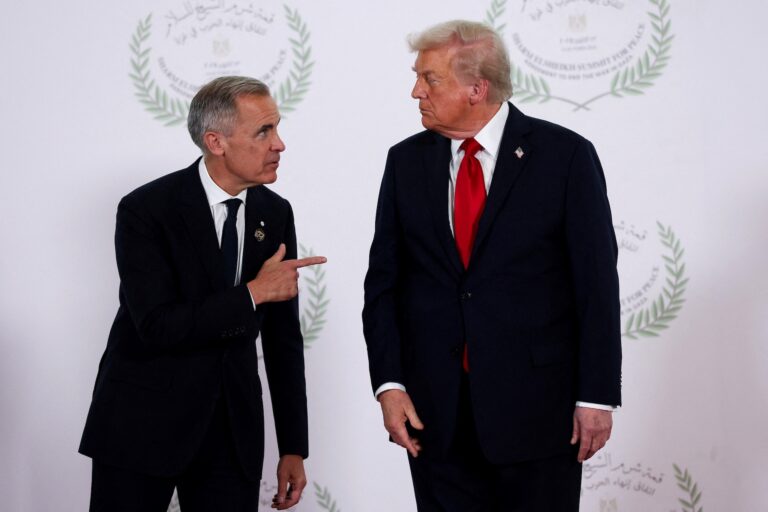
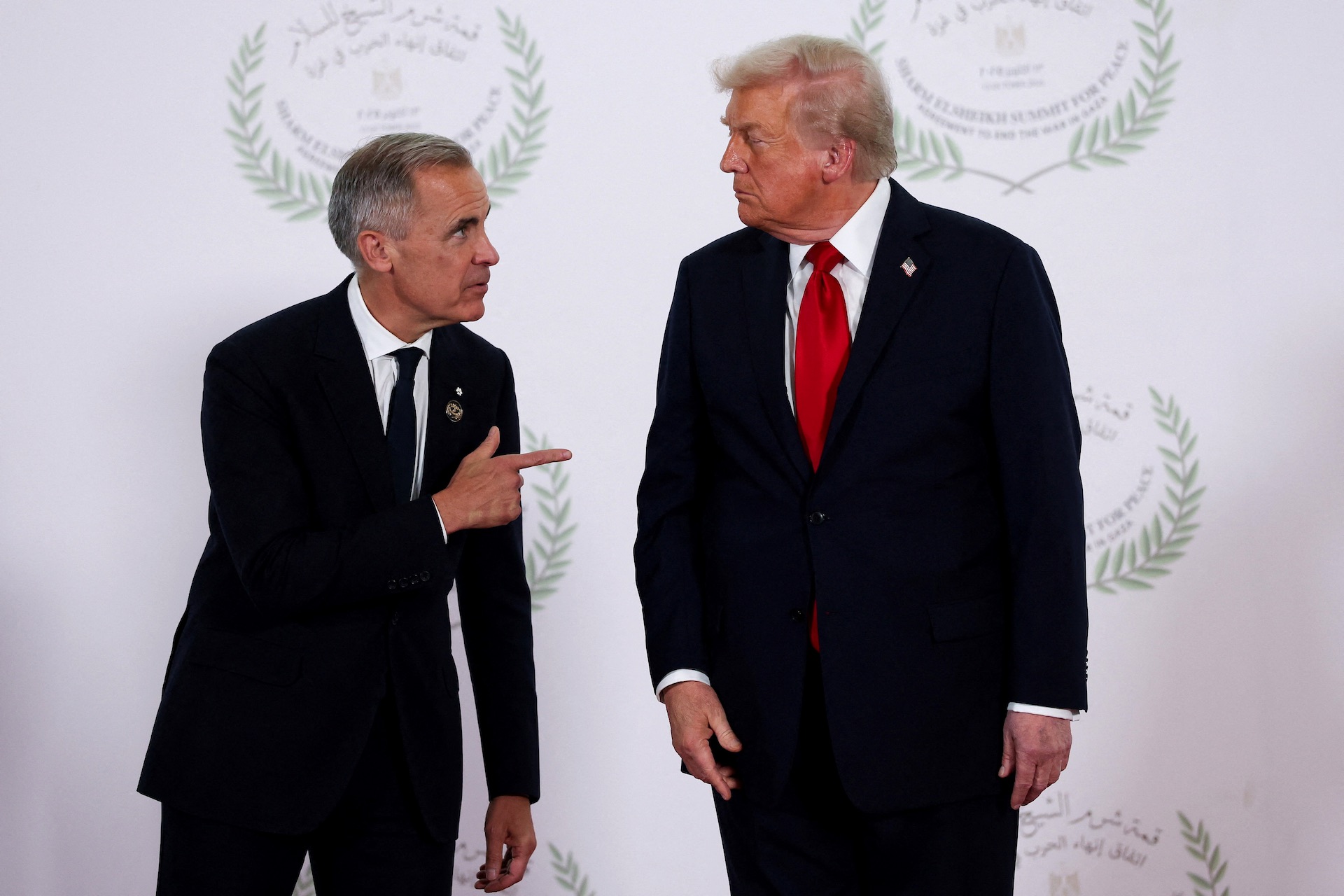
Prime Minister Mark Carney had said he did not expect any “drama” would come from Canada-U.S. Trade Minister Dominic LeBlanc joining U.S. Trade Representative Jamieson Greer and Mexico’s Economic Secretary Marcelo Ebrard on Wednesday for the first trilateral meeting for the mandatory review of the Canada-United States-Mexico Agreement (CUSMA). “I’m not looking for my pen,” Carney said Tuesday in Kuujjuaq, Que.
Related Articles
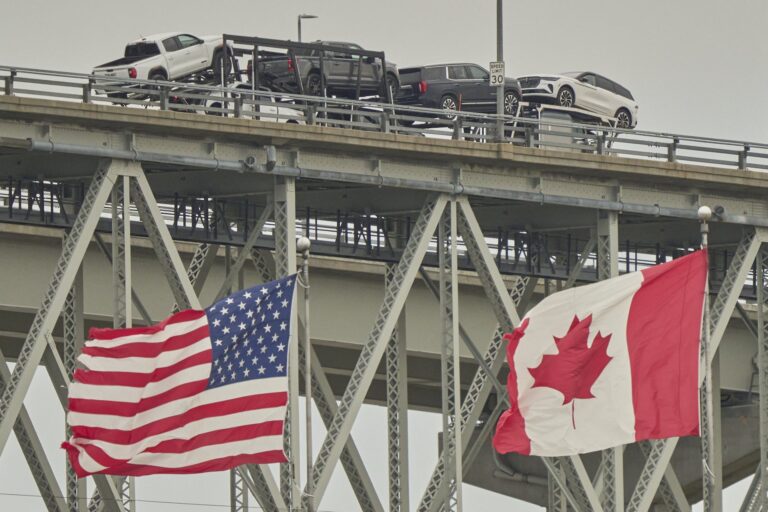

He was right. As expected, the U.S. did not agree to renew the trade pact, at least, as Greer said in a statement on Wednesday, not “in its current form.”
Extending the deal until 2042 would have required agreement between all three countries no later than six years after CUSMA came into force on July 1, 2020. Both Canada and Mexico had said that is what they wanted to happen. President Donald Trump had dropped a lot of hints that he did not before Greer made it official on Wednesday.
Does this mean the continental trade pact will expire at the stroke of midnight? Positively not. But as Canada’s former chief trade negotiator Steve Verheul said Monday, “continued uncertainty is going to be the name of the game.”
Threats and bluster
Trump has mused several times since he returned to the White House about leaving the deal he had negotiated, and celebrated, during his first term. If he really does want to withdraw, the U.S. must give written notice to Canada and Mexico. The deal would then come to an end after six months, but only for the United States. However, Trump has undermined his words about walking away with actions that show he sees the value of CUSMA—such as by exempting goods that comply with the free trade agreement from the majority of his tariffs. As a result, more than 85 per cent of Canadian exports to the U.S. remain duty-free.
Many U.S. industry groups have championed the benefits of the agreement. So have Senate Republicans. And Greer himself said in April that CUSMA has “a bunch of load-bearing pillars” that work well. “If we get rid of them, I just have to go back and do it again.”
No renewal, no withdrawal
Now that the U.S. has refused to renew the agreement, a decade-long countdown to the end of CUSMA has begun. That does not mean for certain the pact will expire on July 1, 2036, however, as the countries can keep talking. In fact, Greer has already scheduled his next bilateral meeting with Mexico for the week of July 20.
The three countries could strike a deal at any time, but this scenario will formally launch a series of annual joint reviews. The next one would be due by July 1, 2027. If the U.S., Canada and Mexico all agree by that date to renew CUSMA, then it would be extended for another 16 years—to 2043. If not, then the wind-down clock will keep ticking. There would be another review due by July 1, 2028, and so on for up to 10 years. If no agreement is reached over a decade of annual reviews, CUSMA will expire at the end of its original term in 2036.
“The CUSMA supports millions of jobs across North America, and ensures Canadian businesses retain secure and predictable access to two of our most important trading partners,” LeBlanc, who was joined in the meeting by Canada’s chief trade negotiator Janice Charette, said in a statement on Wednesday afternoon.
“We agreed on the importance of continuing our discussions and identifying ways to ensure trade and investment frameworks between Canada, the United States and Mexico continue to support North American prosperity and competitiveness.”
What the U.S. wants from Canada
The Trump administration wants to ensure U.S. dairy products get the level of access to Canada’s supply-managed dairy sector that Ottawa committed to through CUSMA, according to what Greer told Congress last December. Whether Canada has lived up to its end of that deal has been subject to dispute.
Greer also said the U.S. wants to discuss the impact that Canada’s Online Streaming Act and Online News Act has had on U.S. digital service providers, provincial bans on the sale of U.S. alcohol and problems with the Canada Border Services Agency’s new digital customs system, among other things. American negotiators told Mexico they want a 50 per cent U.S. content requirement for autos, plus a higher threshold for regional content in North-American built vehicles to qualify for preferential tariff treatment under CUSMA.
Waiting for the right deal
Carney has said that Canada was ready to sign a “real deal” with the U.S., and that he expected any breakthrough in negotiations would come down to a conversation between him and Trump. “We could have signed a bad deal a year ago,” he said. Canada already met several of Trump’s demands, committing $1.3 billion to beef up border security, appointing a fentanyl czar, repealing the digital services tax, enacting stronger measures on steel and lifting most retaliatory tariffs.
Meanwhile, Trump has shown his willingness to renege on the terms of a deal. He did so with CUSMA, including by leveling the Section 232 tariffs on autos, steel, aluminum, copper and lumber, which should trade duty-free through the pact. Despite the U.S. having reached an agreement with the European Union last July, Trump threatened last week to slap a 100 per cent levy on any country in the 27-nation bloc that brings in a digital services tax on U.S. digital giants.
The cost of waiting
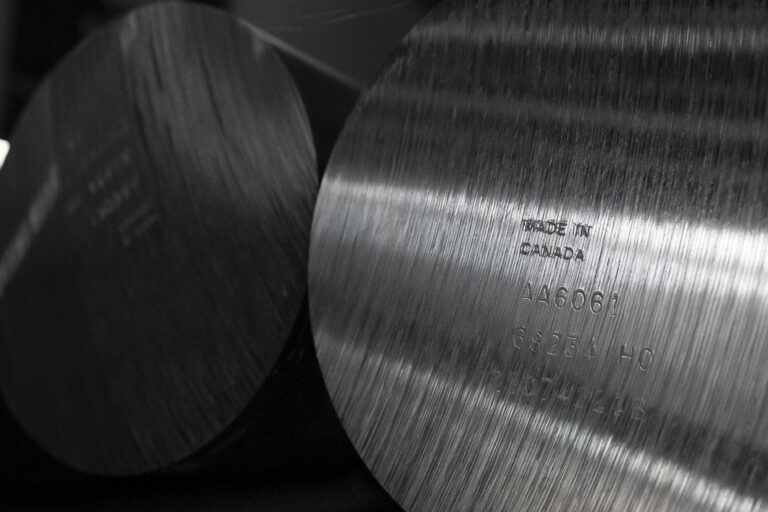
Uncertainty is dampening business investment. Protracted negotiations and annual reviews would prolong that indefinitely. “It’s clearly been a struggle,” Douglas Porter, chief economist at BMO Financial Group, said Monday. The sectors hit with Section 232 tariffs are dealing with plant closures, layoffs and shifting production plans. “It’s not sustainable to deal with these kinds of tariffs,” said Porter.
Update: This story has been amended to reflect the United States sharing its decision not to renew CUSMA.