Skip to content

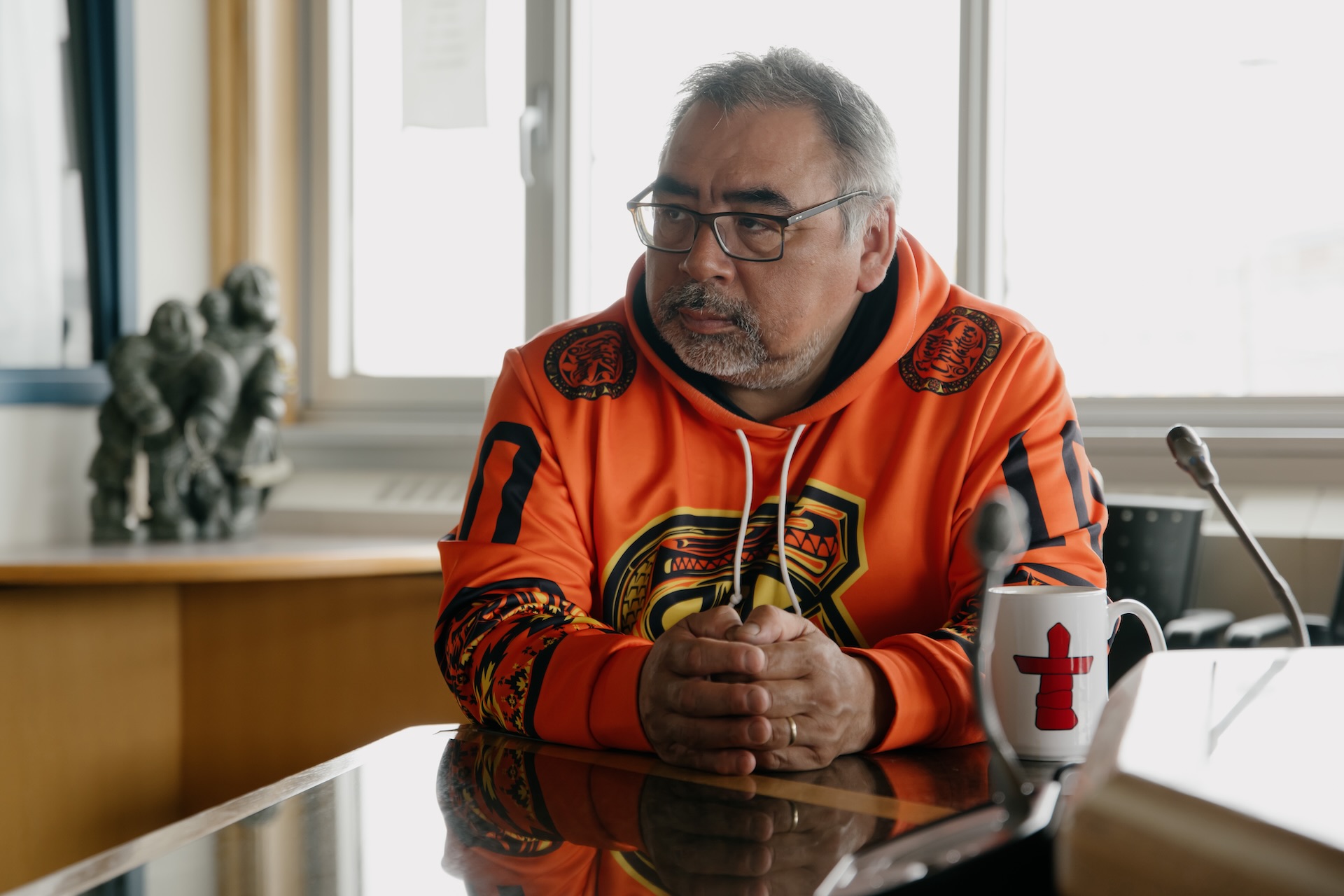
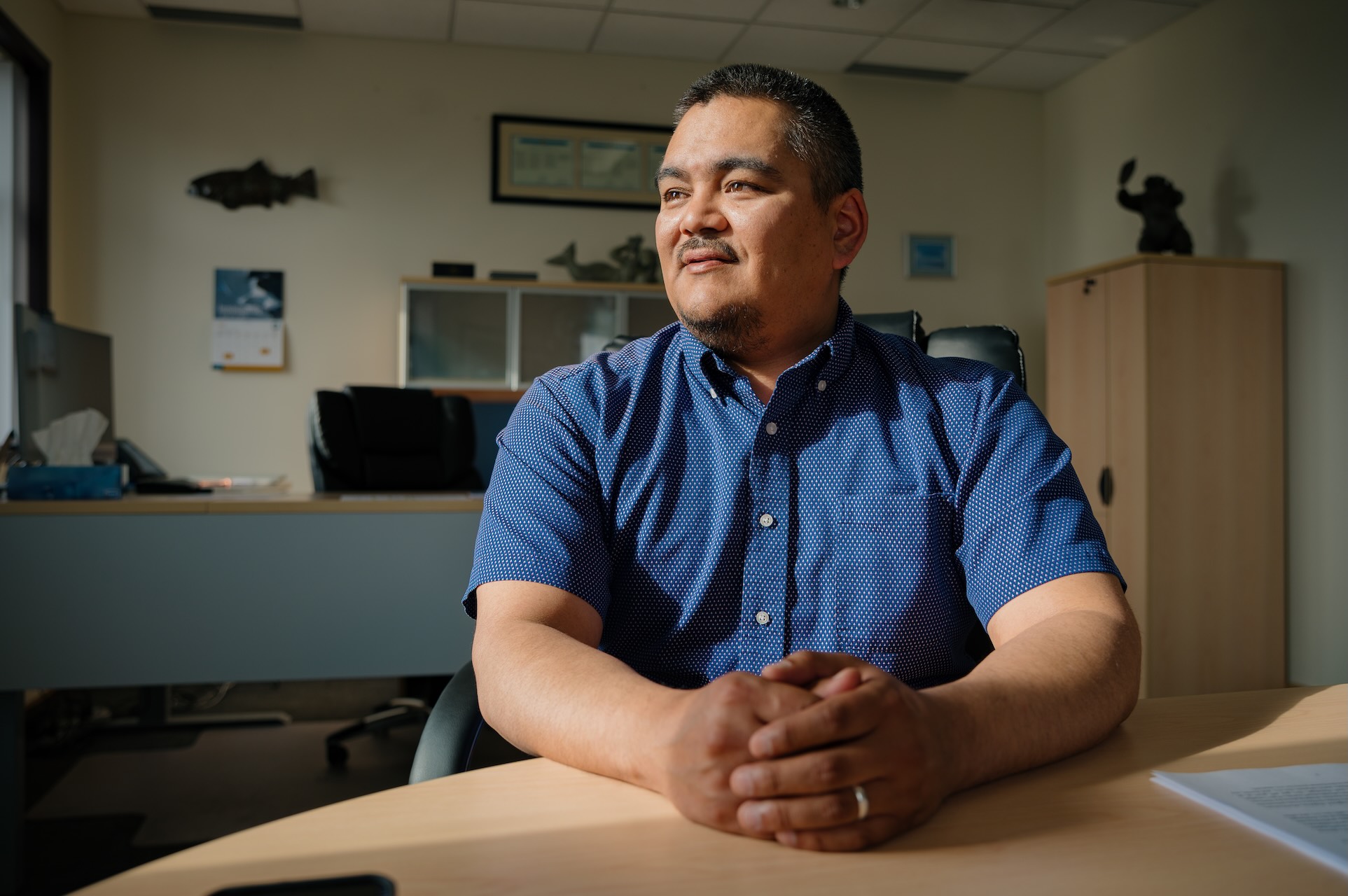 Jeremy Tunraluk, president of Nunavut Tunngavik Inc., in his office in Iqaluit, Nvt. on April 23, 2025. Photo: Dustin Patar for The Logic
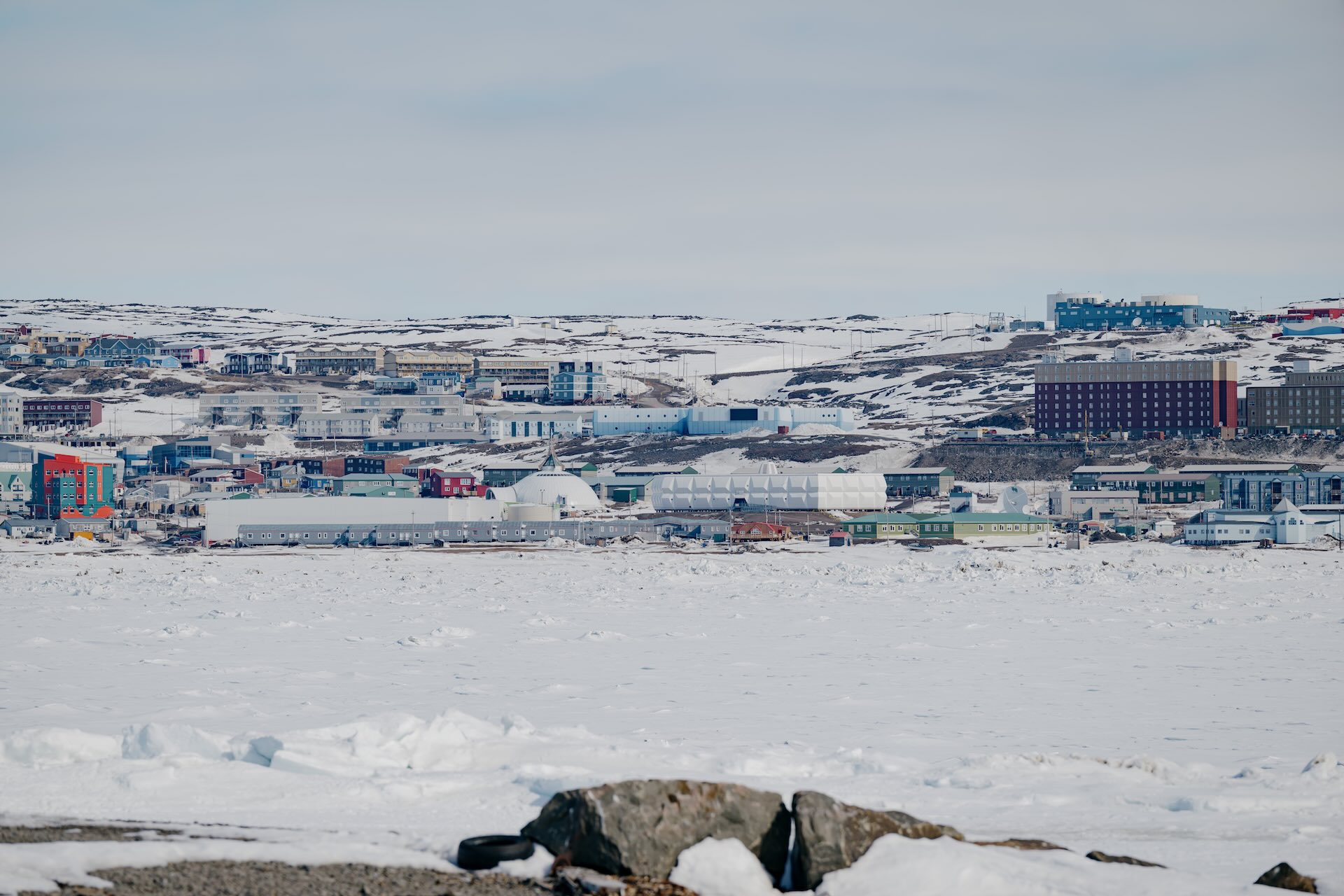 Iqaluit, Nvt. as seen from the city’s boat launch on April 25, 2025. Photo: Dustin Patar for The Logic
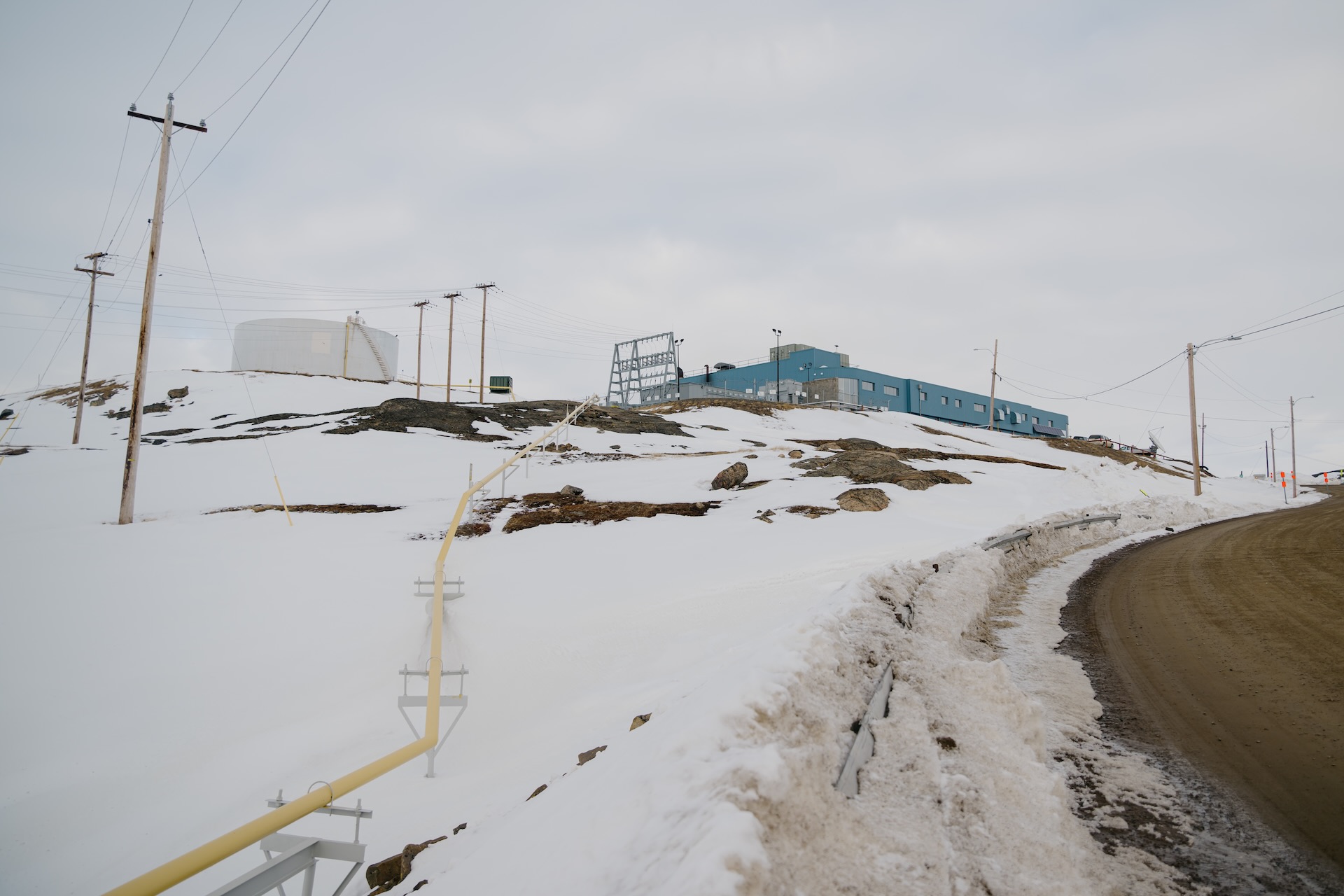 The Qulliq Energy Corporation diesel power plant in Iqaluit, Nvt. on April 24, 2025. Photo: Dustin Patar for The Logic
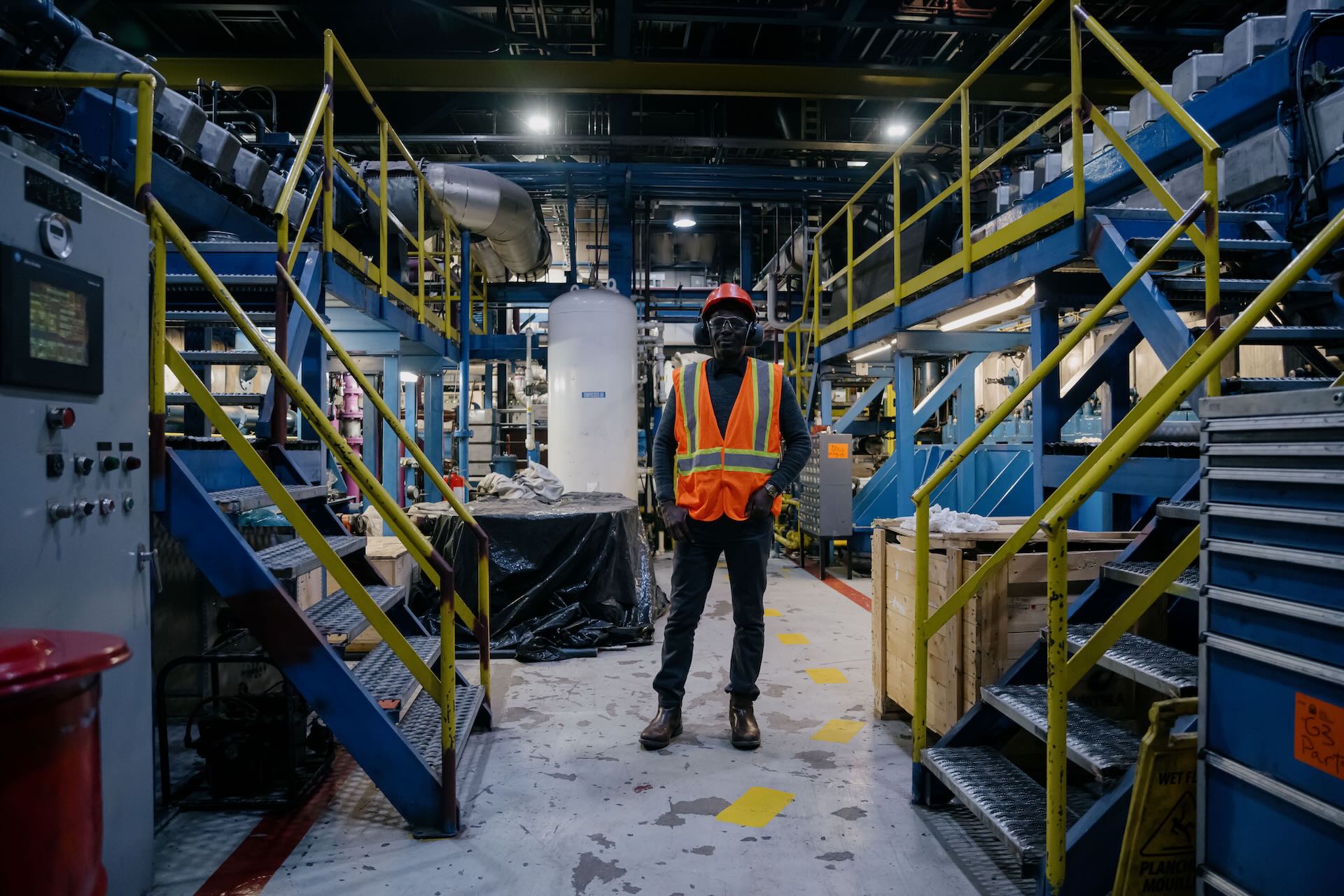 Ben Nleya, acting director of operations for Qulliq Energy Corporation, inside the diesel power plant in Iqaluit, Nvt. on April 22, 2025. Photo: Dustin Patar for The Logic
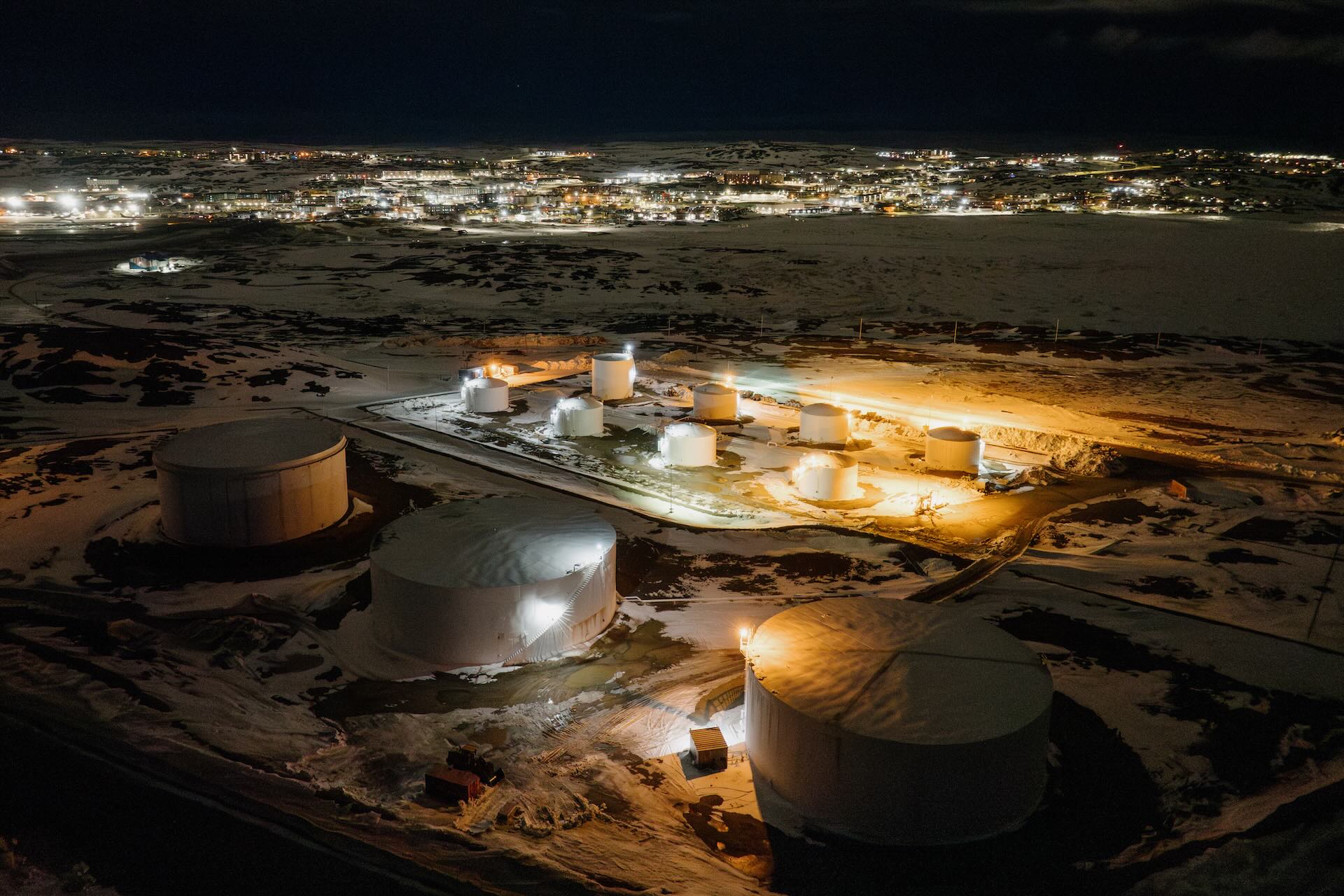 A fuel storage tank farm near the port in Iqaluit, Nvt. on April 24, 2025. Photo: Dustin Patar for The Logic
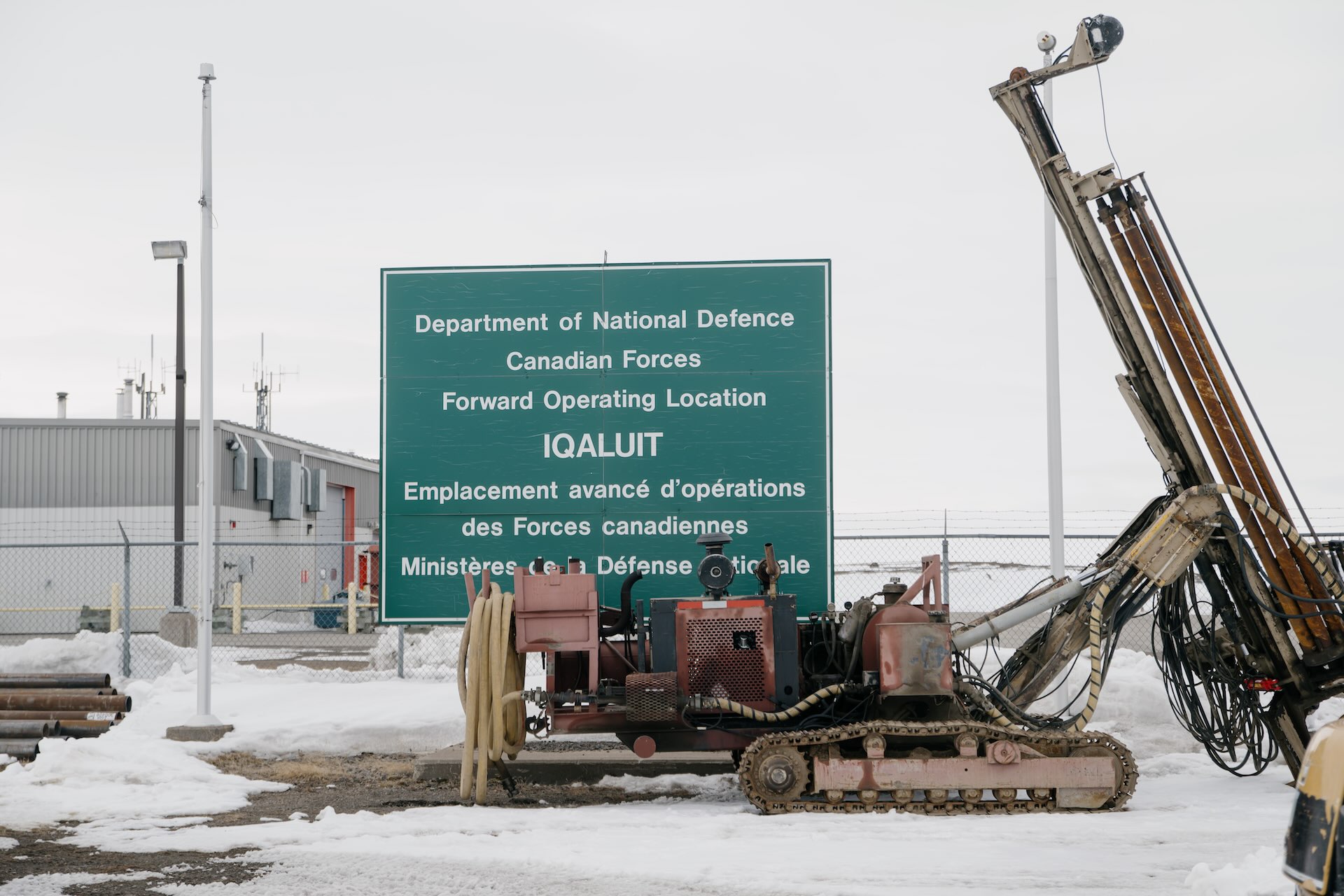 The sign for the Canadian Forces’ Forward Operating Location in Iqaluit, Nvt. on April 24, 2025. Photo: Dustin Patar for The Logic
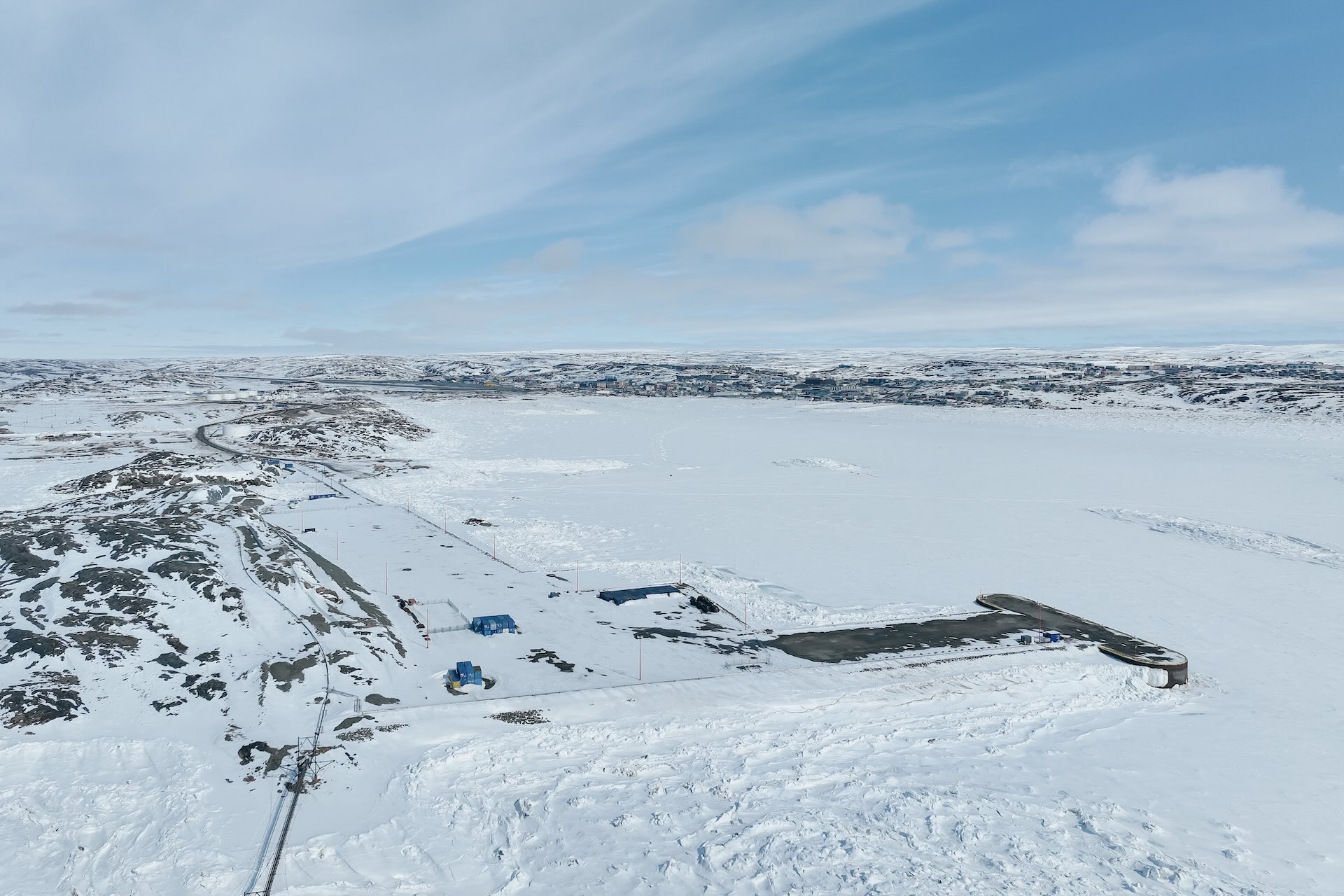 The Iqaluit port on April 25, 2025. Converted into a deepwater facility only in 2023, the renovation enabled much faster unloading of the ships that bring heavy and bulk goods to Nunavut’s capital. Photo: Dustin Patar for The Logic
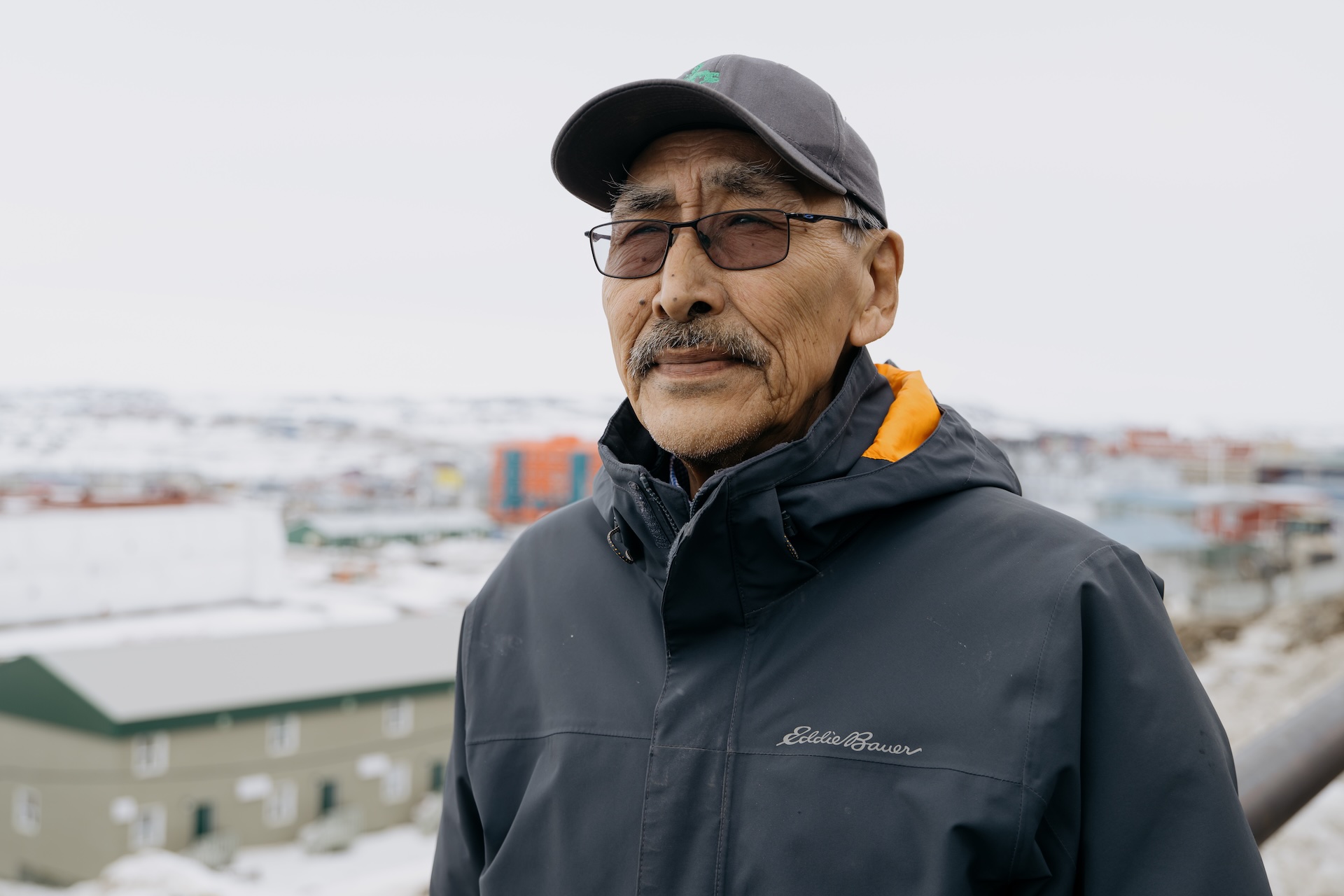 Paul Quassa, senior advisor to Baffinland Iron Mines, in Iqaluit, Nvt. on April 22, 2025. Quassa is a former premier of Nunavut and before that the chief negotiator for Inuit on the agreement that carved Nunavut out of the Northwest Territories. Photo: Dustin Patar for The Logic
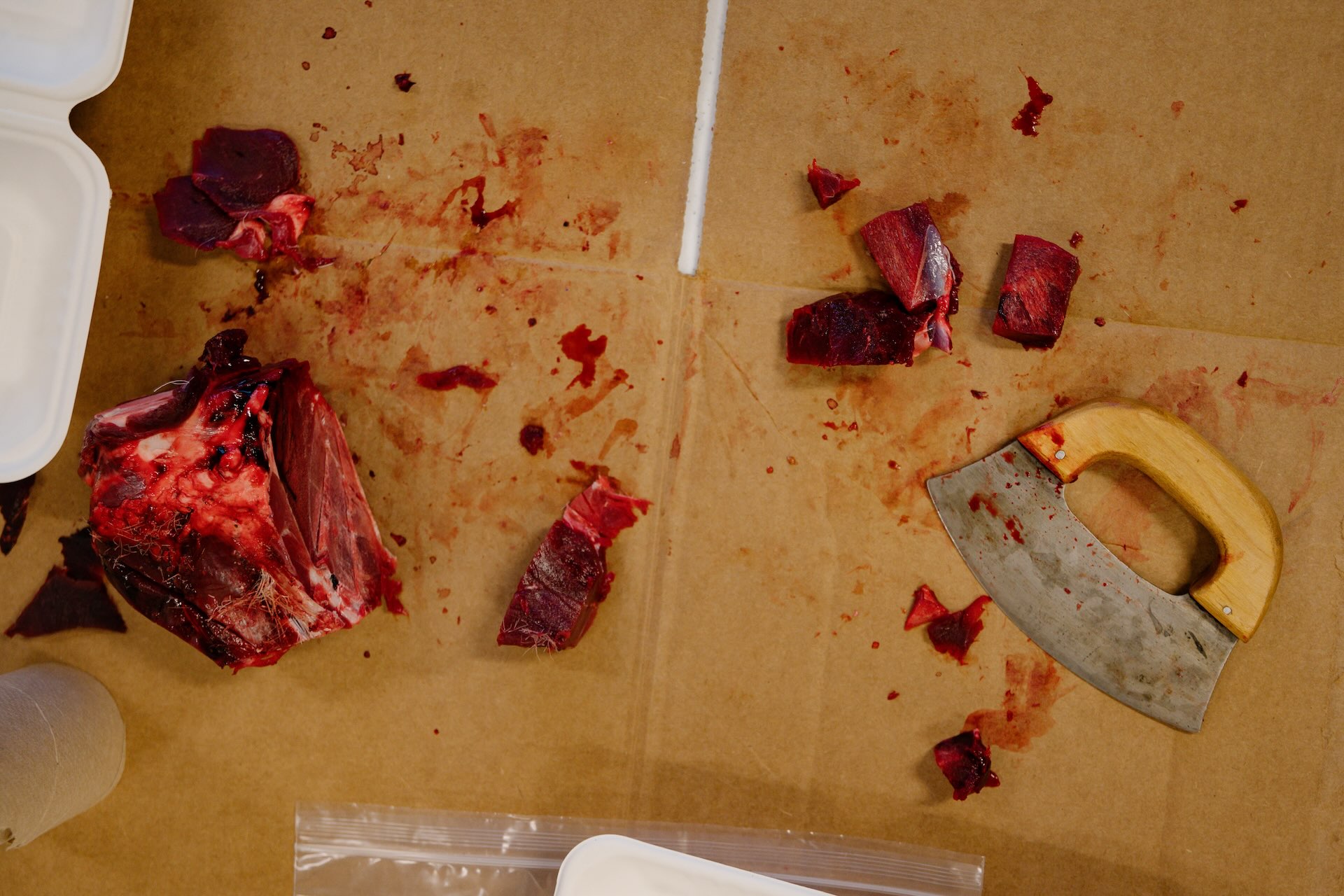 Raw caribou being served during the all-candidates forum at the Qajuqturvik Community Food Centre in Iqaluit, Nvt. on April 22, 2024. Photo: Dustin Patar for The Logic
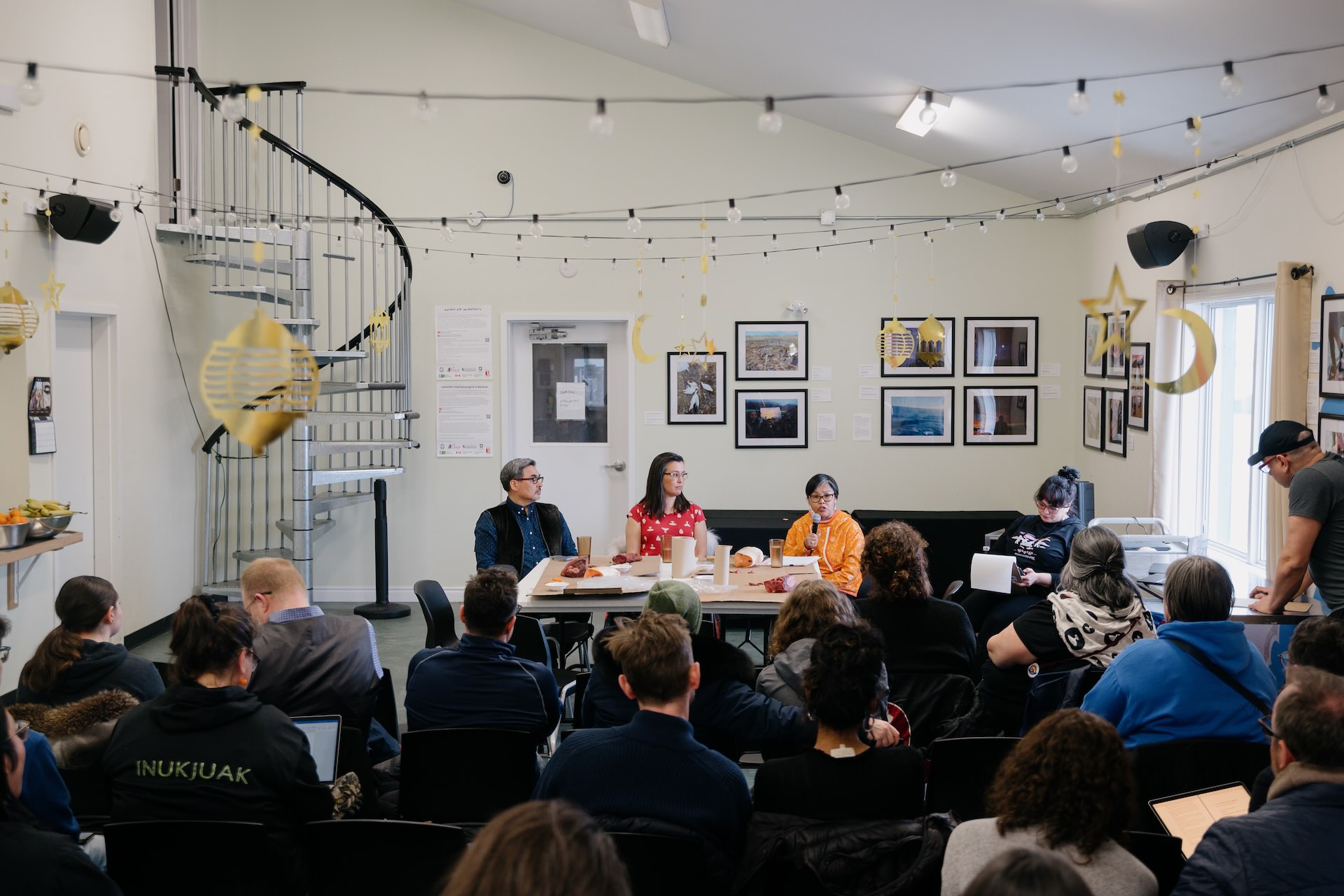 Candidates for the three major parties speak to an audience inside the Qajuqturvik Community Food Centre in Iqaluit, Nvt. during a forum on April 22, 2024. From left, James T. Arreak of the Conservatives, Kilikvak Kabloona of the Liberals and incumbent New Democratic Party MP Lori Idlout. Photo: Dustin Patar for The Logic
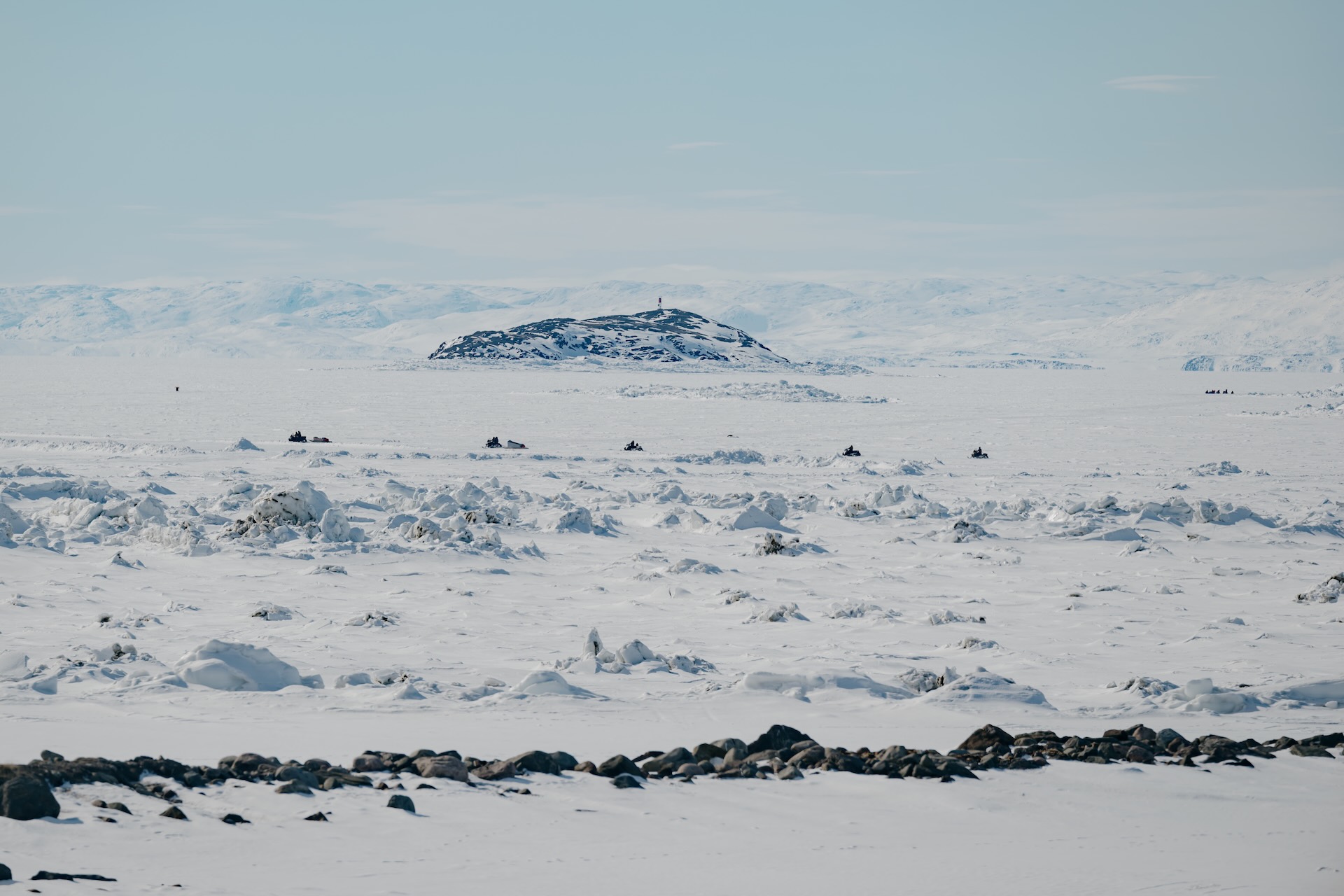 A convoy of snowmobiles on Frobisher Bay just outside of Iqaluit, Nvt. on April 25, 2025. Photo: Dustin Patar for The Logic
 David Akeeagok, Nunavut minister of economic development and internal trade, in the cabinet room of the territorial legislature in Iqaluit, Nvt. on April 23, 2025. Photo: Dustin Patar for The Logic

The Big Read
Nunavut has a message for the rest of Canada—and a to-do list
Politicians from the south have long failed to deliver on promises to boost Canadian sovereignty in the North. Threats of annexation from the U.S. could change that, fast.
Iqaluit, Nvt. as seen from its breakwater in Frobisher Bay on April 25, 2025. Photo: Dustin Patar for The Logic
IQALUIT, NUNAVUT — If Canada wants troops, planes and ships in the North to protect land, sea and air, then Nunavut has a to-do list for Ottawa: two ports, a north-south road, a hydro dam and a 1,200-kilometre electricity and fibre-optic internet line.
Talking Points
- Inuit and Nunavut leaders welcome the new attention their territory is getting from the south as Canada seeks to defend its Arctic sovereignty against encroachments from China, Russia and maybe even the United States
- But people in the territory say a stronger military presence has to be combined with economic development and major infrastructure projects, especially given Canada’s history of using Inuit as human flagpoles in some of the harshest places on Earth
- With inescapable challenges like a short shipping season and vast distances between habitations, the costs will be immense
“There’s so much potential here,” says David Akeeagok, Nunavut’s economic development minister, sitting at the cabinet table in the legislature in Iqaluit. “We as Canadians, if we invest together, we can go east to west to north and have that fully developed, we’ll be stronger together.”
U.S. President Donald Trump’s use of economic coercion on Canada has little obvious impact in the North. Nunavut exports little to the United States. The tariff war is a real problem, but a distant one. What has had an impact are the promises being made by the federal parties to reinforce the military presence in the North and to finally begin extracting the critical minerals that could transform Nunavut’s economy.
Nunavut has some of the highest costs of living in Canada, and a desperate shortage of housing. Even the mainland parts of the territory have no road or rail connections to the south; if it doesn’t come from the land, it has to come in by plane or by ship—during the brief few months when the sea isn’t frozen up.
On the Trail
The Logic’s reporters have spread out across the country during this election campaign to visit parts of Canada that are on the front lines of economic transformation, and to cover the issues people there tell us the next government must address. Read all of our campaign trail stories here.
Leaders in Nunavut say such issues simply can’t be overlooked if Canada wishes to better assert its sovereignty in the North. All these issues, they argue, are bound together.
“If Canada wants to protect its sovereignty, it needs to support Inuit and invest in the North,” says Jeremy Tunraluk, the president of Nunavut Tunngavik Inc., a body that represents Inuit in applying and enforcing the treaty that created Nunavut. Tunraluk, a well-known musician in the region, was chosen by Inuit voters in an election last December.
“Sovereignty isn’t just about military presence. It’s about people, and it’s making sure northerners and Inuit are thriving and have real voices in decision making,” he says. “It’s critical that any big projects start with local voices and Inuit leadership.”
Tunraluk is adamant on that point—and he has a list. Along with Nunavut Premier P.J. Akeeagok—minister David Akeeagok’s nephew—he co-signed a statement in March that said Nunavut and Inuit are ready to bolster Canada’s sovereignty in the North, in light of “the heightened geopolitical tensions globally.”
Related Articles

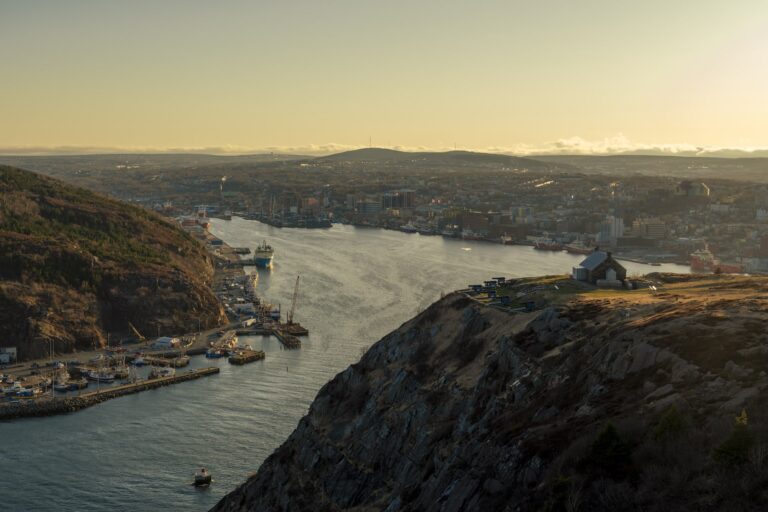
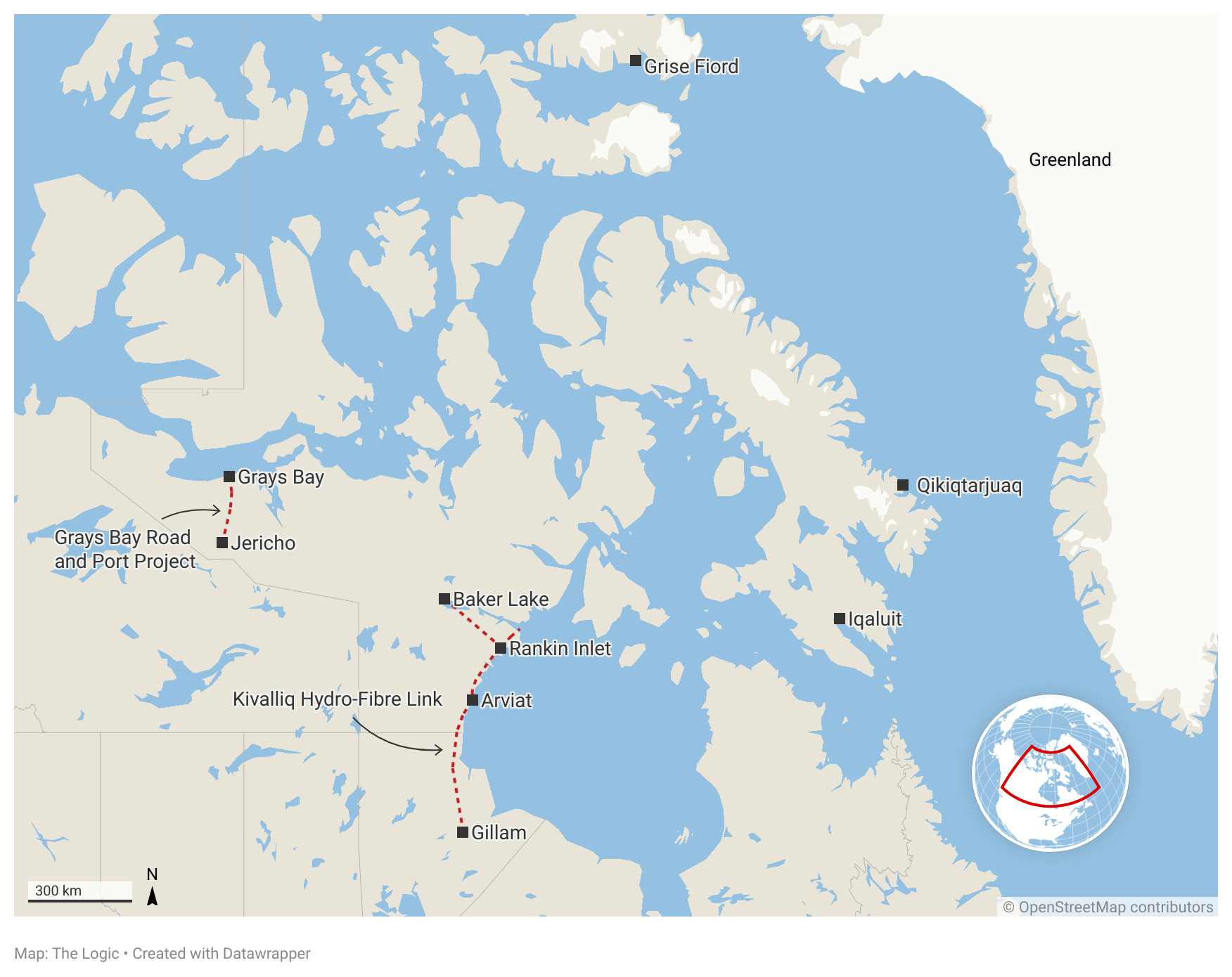
Their to-do list comprises a deepwater port at Qikiqtarjuaq, on the eastern coast of Baffin Island; a road and port project at Grays Bay in western Nunavut, linking diamond mines—and other yet-untapped mineral deposits—to the Arctic Ocean; a 1,200-kilometre transmission system to connect Nunavut communities northwest of Hudson Bay to Manitoba’s hydroelectric power and broadband internet by fibre-optic cable; and a hydro dam to serve Iqaluit, replacing its aged diesel power plant with a local renewable energy source. If completed, such investment would radically change Nunavut.
David Akeeagok methodically spells out the value the territorial government sees in each. The Baffin Island port would serve the navy and coast guard, and Nunavut’s nascent fishing industry. Fish are harvested in Nunavut waters, but, he says, none of them end up landing in the territory. “It’s either Newfoundland or Greenland,” he says. That means no local jobs in processing, and negligible money for Nunavummiut from a Nunavut resource.
Depending on where you look, you can find the Grays Bay proposal pitched as a mining enabler or an “Arctic security corridor.” Either way, it would put a port for both military and industrial use in the Northwest Passage. Its road component could eventually reach Yellowknife, some 900 kilometres away, and become Nunavut’s first overland transportation link to the rest of Canada, while opening more of the mineral-rich area to exploration and development, Akeeagok says.
Moving forward on the Grays Bay project is in all three major parties’ platforms in some form.
The Kivalliq hydro-fibre link—which Manitoba and Nunavut agreed to move forward with earlier this month—would help replace diesel power with clean hydro and tie together multiple communities’ separate electricity grids. It would also enable economic growth by closing the digital divide in multiple settlements. Several attempts to run fibre-optics into Nunavut have not yet panned out.
Such projects would have a huge impact, but a dam in Iqaluit would be a far bigger deal in the territory’s capital itself.
At the top of the rocky rise into which Iqaluit is built, overlooking Frobisher Bay, sits Iqaluit’s current power plant. It doesn’t loom over the city—it’s just two storeys, not big enough to be imposing, and it doesn’t have tall smokestacks—but its control room has one of the best indoor views of the territorial capital. You can look down on the hospital, the college, the territorial legislature, the airport, the bay, and the winter-pitted gravel roads that mostly link them (only a couple of major routes in Iqaluit are paved). Beyond that are southern Baffin Island’s low, rounded mountains.
Keeping the electricity on for the capital is a matter of great professional pride for Benedict Nleya. He’s risen in the Qulliq Energy Corporation (QEC), the territorial power utility, since he was recruited to the North well over a decade ago, and is now acting director of operations.
Inside the Iqaluit plant’s blue-sided walls are eight generators, each unit about the size of a school bus. When they’re working, they don’t hum or growl, they roar—Nleya recommends both soft earplugs and headphone-style hearing protectors if you’re going into the room with them. They burn millions of litres of diesel a year, all of it brought in by ship and sent up to the plant through a small pipeline that runs above ground through parts of the city.
Nleya has responsibility for all the diesel plants that power Nunavut’s 25 communities, each on its own microgrid. There’s a lot of redundancy built in to limit the danger of failures. When it’s –50 C, a power outage in any Nunavut community quickly becomes an emergency. “If they have no power for more than a day, we have to think about calling the army to get the people,” Nleya says. In the summer, it can mean precious refrigerated or frozen food spoils.
The Iqaluit plant, with two of its generators currently out of commission, is capable of putting out about 22 megawatts of power, but on this April morning it’s producing only about 7.5 megawatts, according to the control-room screens.
Warm air whips around the generator bays as they suck in oxygen for combustion. Despite the fuel consumption—plus the vast amount of oil that keeps the generators lubricated and the circulating glycol that cools them—the interior of the plant smells just mildly of fuel and grease, like a mechanic’s garage.
The exhaust—that’s a different story. Shimmering warm plumes, faintly brown against the cold sky, vent out the back of the plant through ducts with soot-blackened mouths. Diesel is “dirty as it comes” Nleya acknowledges. The emissions are within federal rules, but there’s only so much QEC can do.
Read more from campaign trail

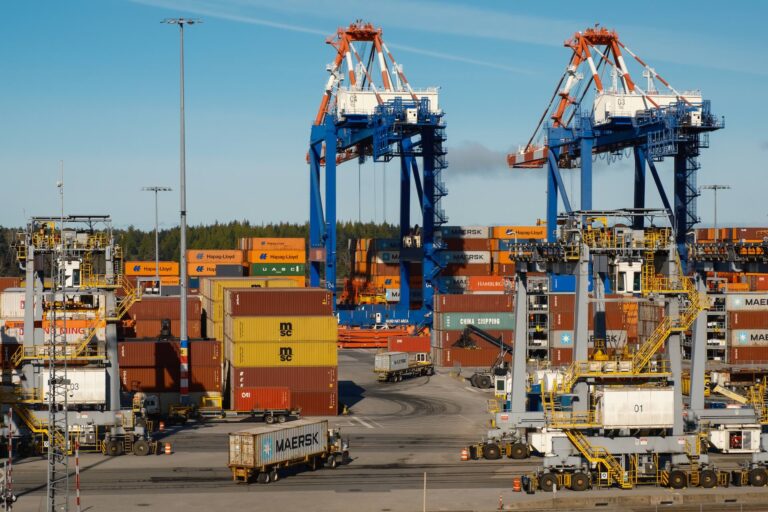
Yet the pollution problem pales against the expense of buying and shipping all that diesel in, and relying on yet another commodity from the south.
Constructing a dam in Iqaluit has been an on-and-off plan for at least two decades. Initially led by the utility, it’s now in the hands of the Nunavut Nukkiksautiit Corp. (NNC), an Inuit-owned company run by Heather Shilton, whose previous experience has been in Ontario and New York state.
Shilton’s desk is a short downhill walk from the power plant, in one of Iqaluit’s newest mixed-use buildings. A Lego wind turbine several feet tall greets visitors on the way in. “In the last six years alone, our electricity rates have risen over 20 per cent, and that’s largely due to the cost of fuel increasing, and the cost of … new diesel power plants,” she says.
A dam could displace diesel as Iqaluit’s primary power source, with capacity to spare. The idea of using hydro power in a place where even the ocean ices up for most of the year might sound fanciful, yet a deep river won’t freeze all the way down—even this far north.
The project is still in the data-gathering phase, though NNC has settled on a potential location about 60 kilometres northwest of Iqaluit. The “field season” for engineering, wildlife, archeological and other studies is painfully short, but this summer should be a big one, Shilton says. The federal government recently contributed $20 million toward planning.
There’s only the very loosest cost projection so far—an old one based on a previous iteration of the dam plan, so don’t take it to any banks. But that was $300 million to $500 million. NNC is starting to think about options for private-sector investment with the help of the Canada Infrastructure Bank, Shilton says.
“We need to make sure that our infrastructure is robust and resilient enough that we don’t necessarily need to be reliant on outside forces. With the relationship with the United States going the way that it’s going, we need to make sure that we are able to sustain ourselves here,” she says.
Iqaluit Mayor Solomon Awa says the dam idea might mean that instead of buying diesel from southern petroleum companies with their electricity bills, locals would be paying to employ workers in Iqaluit. “Hopefully it will reduce the cost of the kilowatt hour per household to residents, and the economy,” he says.
These major infrastructure investments are essential, northern leaders say. Not just for the North, but also for the military expansions that southern politicians have been calling for in recent months.
Iqaluit currently hosts a “forward operating location” for the air force, a sort of microbase attached to the civilian airport. All the big federal parties want there to be more.
Just before calling the election, the Liberals promised that Iqaluit would host one of three “operational support hubs,” in the North. That would be more than the current Canadian Forces’ location housed at the Iqaluit Airport, but less than a full base.
Conservative Leader Pierre Poilievre visited in February and said his Arctic plan included a whole, permanent base in Iqaluit, able to host a full Royal Canadian Air Force wing, F-35 fighter jets and Poseidon P-8 surveillance planes. Quite what Poilievre means by an RCAF “wing” is unclear—the air force currently has 15 of them, and they vary considerably in scale. The Conservative campaign didn’t respond to a question about just how big a presence Poilievre has in mind for Iqaluit.
The New Democrats have said they’d work toward “establishing a base in Iqaluit,” with no details.
Southern politicians say a lot of things, says Mayor Awa. “We’ve been talking about sovereignty all along, over time, and hoping that someone would listen to us,” he says.
If they are serious now, a lot of details need to be worked out. Awa welcomes the prospect of an expanded Canadian military presence in Iqaluit in general terms, but adding hundreds, perhaps thousands, of people to a community of about 7,500 cannot be done lightly. The mayor wants to know, for instance, where the base’s water would come from.
Awa, who fishes, compares the idea of planting a new military base in Iqaluit to going fishing with only a net. It’s foolish. You need a boat or a snow machine, with fuel. You need a plan and directions. Sleeping bags, if you’re going overnight. If you don’t think a fishing trip through, it will go badly.
“It’s not just the base,” Awa says. “It’s expanding all of those connections that operate the army base.”
A base would put immediate demands on the city water supply and sewage treatment. Its people would inevitably need some of Iqaluit’s social services. Add civilian support staff and families—depending on the size of the installation—and the obstacles grow.
The base’s people would bring money into Iqaluit, but the civilian economy would need to be ready to serve them, in a place where there already isn’t enough housing for the workers in the city.
Boosting the military presence in Iqaluit would be something of a restoration. The city owes its current size and status to the U.S. military, which built the original airstrip by Frobisher Bay during the Second World War. Planes bound for European allies stopped to refuel during a multi-stage journey. Later, in the Cold War, it was a staging area for construction of the DEW line, the early-warning radar system that spanned the North.
“There were a lot of Americans just coming in like crazy, like bumblebees,” says Paul Quassa, a former Nunavut premier. He shakes his head at the possibility, however faint, that the place might have to be physically defended against Americans now.
Now in his 70s, Quassa embodies some of the tensions and contradictions between southern political and economic power and the priorities of Inuit and Nunavummiut. His stint as premier in 2017 and 2018 ended in a non-confidence vote from the fellow MLAs who had selected him just months before. Quassa’s critics called him an autocrat; he said then that a leader, in Inuit tradition, is supposed to issue directions. In 2020, MLAs would elect him their Speaker.
Long before he was premier, Quassa was a key Inuit negotiator for the 1993 agreement that created Nunavut as a distinct territory. Brian Mulroney, the prime minister at the time, signed the accord on behalf of the queen. Quassa’s signature, “For the Inuit of the Nunavut Settlement Area,” is level with Mulroney’s, atop the next column.
When Canada has acknowledged its mistreatment of Inuit, Quassa is one of the people to whom it is apologizing. “I’ve experienced all these traumas myself—dog-slaughter and residential school and everything else,” he says. “And yet Inuit are very forgiving, in a sense. We are very adaptable. As things change, we change along with it, rather than trying to argue or or stop that change.”
Nunavut has a government that respects Inuit culture, he says. The federal government has apologized for the mass slaughter of Inuit sled dogs in the 1950s and 1960s. It is continuing to try to make amends for the evils of residential schools. The late Pope Francis apologized to victims of those schools’ abuses, on Canadian soil. These things matter. “We’re small in numbers, very small in numbers, and yet we changed the map of Canada. We have an Inuk Governor General.”
Quassa is now a senior adviser to Baffinland, the operator of a money-losing iron mine north of Iqaluit on Baffin Island. The company has been trucking its high-grade ore to a port facility on the island’s northern coast, and has long wanted to replace the trucking route with a railway.
After deeply divisive hearings and amid opposition from major Inuit organizations, Baffinland’s northern rail plan didn’t pass environmental muster with the Nunavut Impact Review Board. The federal minister responsible declined to overturn that decision. Now Baffinland is picking up a discarded plan to run a railway southward instead.
Quassa says mining is Nunavut’s path to prosperity. Inuit rights must be honoured—“There has to be an Inuit impact benefits agreement before any mines can start. That’s rule number 1”—but he says Inuit are adapting to a wage-based lifestyle because traditional activities like hunting just don’t pay for a modern life.
“The only way we are going to be able to buy Ski-Doos and our boats and everything is if we make money,” Quassa says. Inuit life will be different, he says. “It may not be better, but life changes. Everybody changes. The culture is still evolving, along with what’s happening up here.”
Inuit are far from united on any given project. Iqaluit lawyer and business owner Lori Idlout’s opposition to Baffinland’s northbound rail plan helped her to election as the territory’s NDP MP in 2021. She’s now seeking re-election against some highly credentialled competition.
The Liberal candidate is Kilikvak Kabloona, a former associate deputy minister in the Nunavut government who is currently on leave from her job as CEO at Nunavut Tunngavik. The Conservatives’ James T. Arreak is a vice-president at QEC, the power utility, and Kabloona’s predecessor as chief executive at Nunavut Tunngavik.
Few election debates have members of the audience invited to use ulu knives during the proceedings to carve bites of preserved fish and meat laid out in front of candidates.
But encouraging traditional “country” food—hunted, trapped or fished in the territory—as an alternative to expensive and often junky southern stuff is part of the mission for the organization hosting Iqaluit’s debate this past week. The Qajuqturvik Community Food Centre promotes nutrition, food security and Inuit culture around food, and feeds people when they need it. Hence the Arctic char and caribou on the table, and the bannock, muffins, oranges and bananas in trays and baskets.
Much of the debate focused on food, but business owner Jen Hayward—who runs a communications company that, among other things, organized a major mining symposium in Iqaluit earlier this month—had something else on her mind. What, she wanted to know, would the candidates do to help small Nunavut businesses like hers?
“I can tell you, as a business owner, the last 10 years in particular have become increasingly challenging to compete and to stay competitive,” she said.
After the debate, she explained what she meant. It was about a different kind of tension between older and newer ways of doing things: the rise of remote work and digital communication, paired with better internet service, means she’s finding herself fighting for work against southern contenders.
“It’s easier for businesses in the south to compete up here now without having to have the same infrastructure, the same footprint, that longtime businesses have,” Hayward said. “They just don’t have to be here anymore.”
Originally from Halifax, Hayward has lived in Iqaluit for 25 years. Her firm has five employees but can’t afford to hire more at pay rates that would cover the staggering cost of the limited housing, she said. Neither of her daughters has any interest in taking over the business eventually. “They don’t see a way for them to own a house here. They don’t see a way for them to sustainably raise a family here,” Hayward said.
The candidates, for the record, gave party-line answers. Kabloona talked up infrastructure and housing investments. Arreak promised to cut regulations and talked about the Liberals’ abandoned plan to raise capital gains taxes. Idlout criticized procurement fiascoes like the one around the ArriveCan app and said the federal government needs to shield businesses from the trade war.
“We need to make sure that businesses are being protected and are not negatively impacted by what might happen,” she said. “We have to take Trump very seriously, and we need to make sure that we have better protections, especially for the Arctic.”
Like Quassa, David Akeeagok is the product of a history that he doesn’t want to see repeated.
The Canadian government sent his parents to be “Canadian flagpoles,” he says, living representatives of Canadian sovereignty in a new settlement in the high Arctic in the 1950s called Grise Fiord—Aujuittuq in Inuktitut, meaning “the place that never thaws out.” The recklessness of the Ottawa-born project soon became apparent—the government betrayed people once they were there, reneging on a promise that they could leave if they chose to and, instead, made them stay.
Akeeagok’s parents, who were from the same part of the Arctic, were sent to Grise Fiord to help acclimate other Inuit families, who came from farther away in northern Quebec.
“Those were the ones that were really hit hard,” Akeeagok says.
The community remains, 75 years later, the northernmost civilian settlement in the country.
That’s where Akeeagok grew up, and it’s one of the communities he represents in the legislature. The history is with him every day—including the good parts. The Inuit in Grise Fiord pulled together. They made it, and passed on a legacy of strength. Akeeagok has an education, a seat at important tables and strong views on Trump’s threats to annex Canada.
“I consider myself a very proud Canadian,” Akeeagok says. “To be part of our Canadian federation is something that I cherish. To be told by another country that all that’s going to change? It’s not acceptable.”
Nunavut Tunngavik Inc.’s Tunraluk says that if Canada approaches Inuit as partners, he’s hopeful of a better future—even if it’s forced on the country by a betrayal from what has, for decades, been its closest ally.
“This is our land. This is what we live every day,” he says. If it takes Trump’s threats to force Canada to invest in the North, so be it. “This is already long overdue.”
This reporting is made possible by the generous support of the Covering Canada: Election 2025 Fund, a non-partisan granting initiative by the Public Policy Forum, the Rideau Hall Foundation and the Michener Awards Foundation. Its goal is to help journalists cover election stories that would otherwise go untold.



Loading...
Thanks for sharing!
You have shared 5 articles this month and reached the maximum amount of shares available.
CloseThis account has reached its share limit.
If you would like to purchase a sharing license please contact The Logic support at [email protected].
CloseGift the full article!
You have gifted 0 article(s) this month and have 5 remaining.
Recipients will be able to read the full text of the article after submitting their email address. They will not have access to other articles or subscriber benefits.
Photo: Dustin Patar for The Logic
Jeremy Tunraluk, president of Nunavut Tunngavik Inc., in his office in Iqaluit, Nvt. on April 23, 2025.
Iqaluit, Nvt. as seen from the city’s boat launch on April 25, 2025.
The Qulliq Energy Corporation diesel power plant in Iqaluit, Nvt. on April 24, 2025.
Ben Nleya, acting director of operations for Qulliq Energy Corporation, inside the diesel power plant in Iqaluit, Nvt. on April 22, 2025.
A fuel storage tank farm near the port in Iqaluit, Nvt. on April 24, 2025.
The sign for the Canadian Forces’ Forward Operating Location in Iqaluit, Nvt. on April 24, 2025.
The Iqaluit port on April 25, 2025. Converted into a deepwater facility only in 2023, the renovation enabled much faster unloading of the ships that bring heavy and bulk goods to Nunavut’s capital.
Paul Quassa, senior advisor to Baffinland Iron Mines, in Iqaluit, Nvt. on April 22, 2025. Quassa is a former premier of Nunavut and before that the chief negotiator for Inuit on the agreement that carved Nunavut out of the Northwest Territories.
Raw caribou being served during the all-candidates forum at the Qajuqturvik Community Food Centre in Iqaluit, Nvt. on April 22, 2024.
Candidates for the three major parties speak to an audience inside the Qajuqturvik Community Food Centre in Iqaluit, Nvt. during a forum on April 22, 2024. From left, James T. Arreak of the Conservatives, Kilikvak Kabloona of the Liberals and incumbent New Democratic Party MP Lori Idlout.
A convoy of snowmobiles on Frobisher Bay just outside of Iqaluit, Nvt. on April 25, 2025.
David Akeeagok, Nunavut minister of economic development and internal trade, in the cabinet room of the territorial legislature in Iqaluit, Nvt. on April 23, 2025.
Most Popular This Week



In-depth, agenda-setting reporting
Great journalism delivered straight to your inbox.
The Big Read
Beacon is building an AI empire by fixing Main Street’s software
Briefing
Inflation edges higher ahead of next BoC rate decision
EverWind plans $10B data centre and wind development in Nova Scotia
Canada ready to force Stelco to sell its Canadian operations, Joly says
Best business newsletter in Canada
Get up to speed in minutes with insights and analysis on the most important stories of the day, every weekday.
Exclusive events
See the bigger picture with reporters and industry experts in subscriber-exclusive events.
Membership in The Logic Council
Membership provides access to our popular Slack channel, participation in subscriber surveys and invitations to exclusive events with our journalists and special guests.