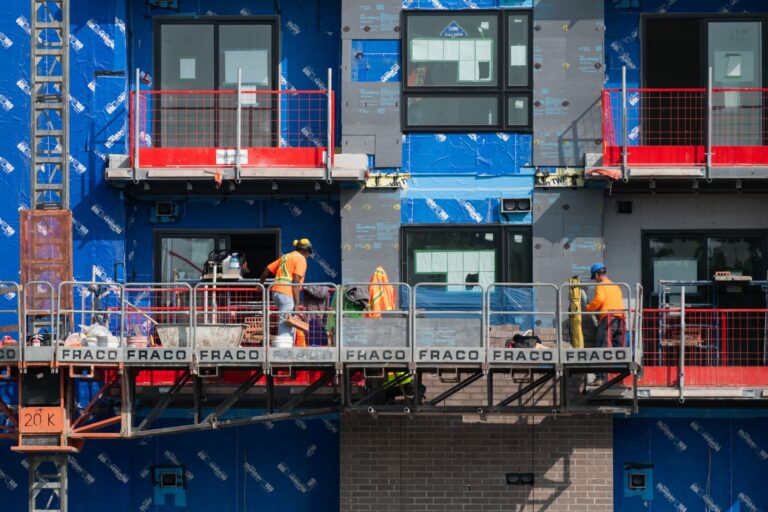
HALIFAX — Housing is, by all accounts, booming in Halifax. Look up from nearly any vantage point in the Maritime city’s downtown and you’ll see a smattering of cranes looming over the evolving skyline. Look down, and you’ll see holes being dug and foundations being poured.
Skip to content

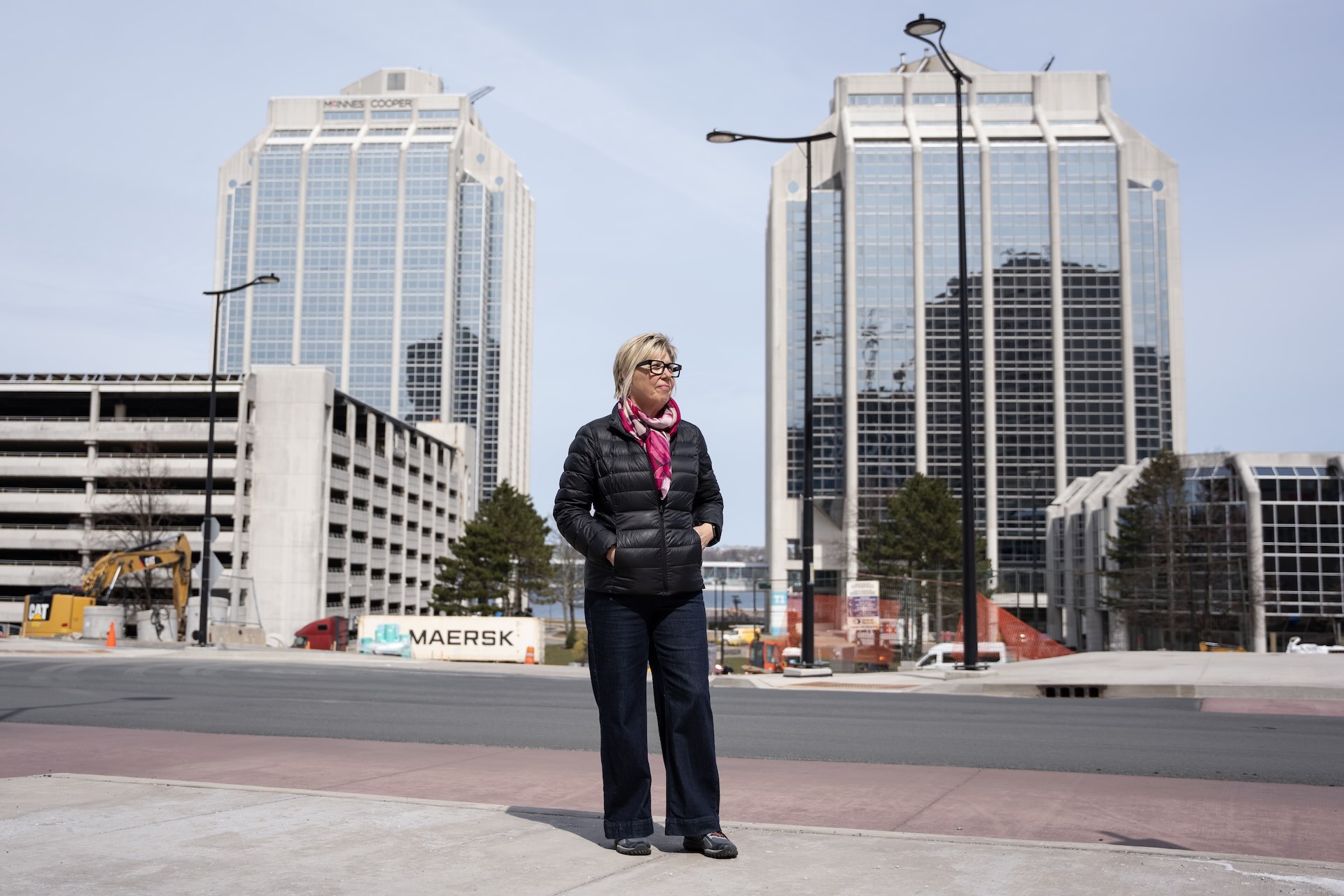 Donna Davis, the project manager for the Cogswell District Project, in Halifax on April 11, 2025. Photo: Darren Calabrese/The Logic
 Irfan Alkasem, owner of Amara Developments, at the site of a new housing development in Halifax on Monday, April 14, 2025. Photo: Darren Calabrese/The Logic
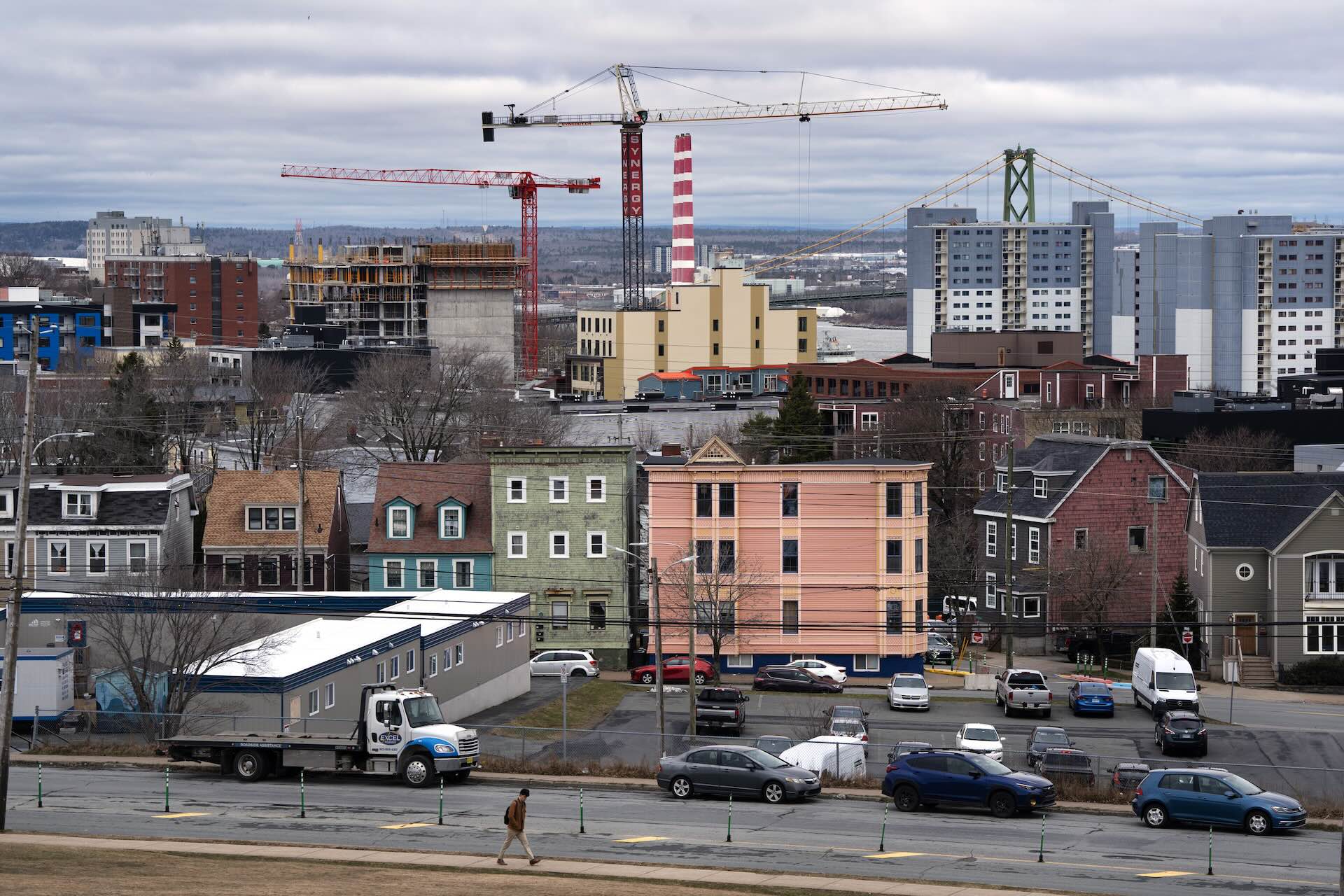 From 2019 to 2022, the average home price in the Halifax Regional Municipality increased 67 per cent, compared to just 12 per cent in the three years before. Photo: Darren Calabrese/The Logic
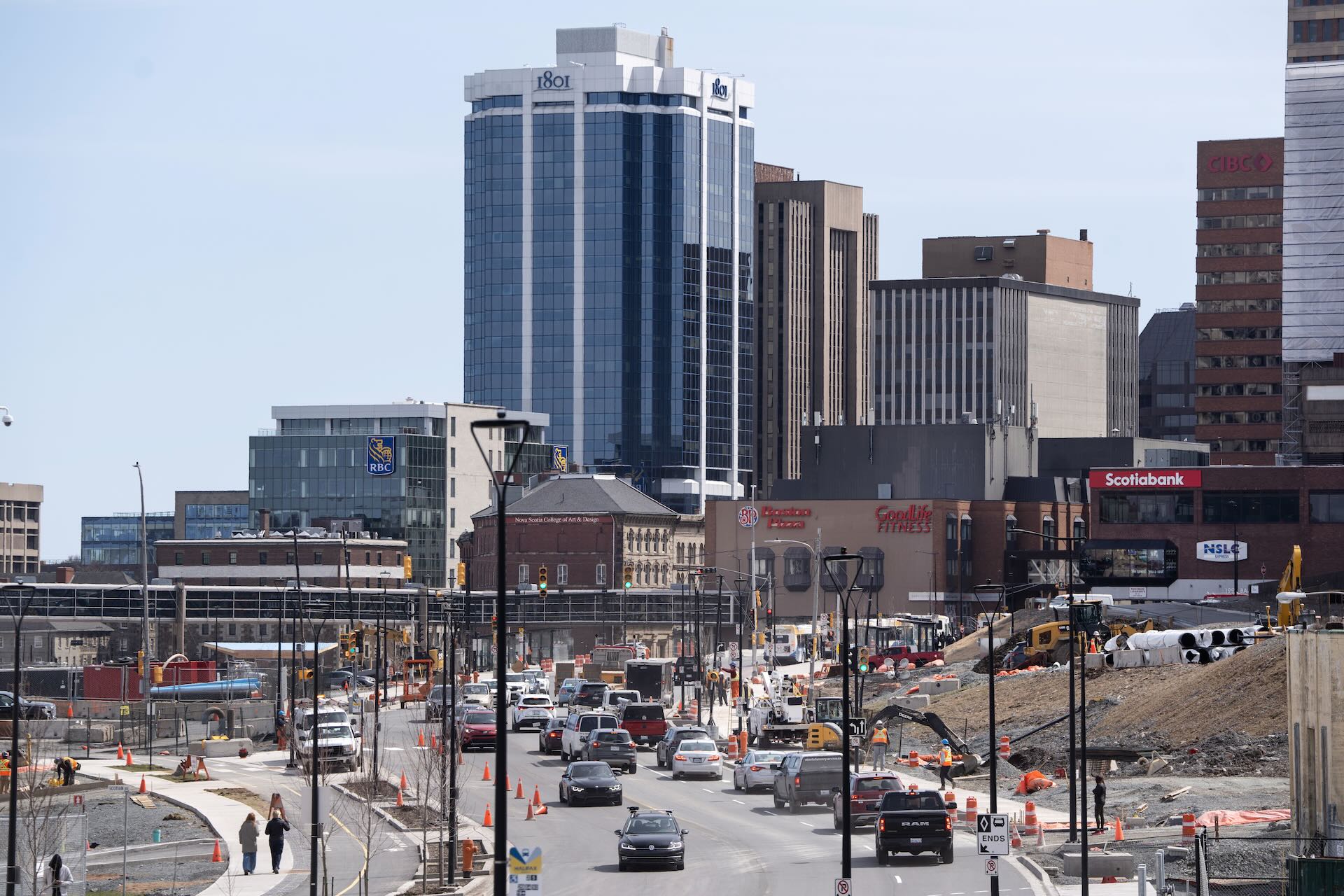 New housing starts in Halifax surged to nearly 4,700 in both 2023 and 2024. In the last two decades, new construction starts bounced between 1,800 and 3,200 a year. Photo: Darren Calabrese/The Logic

The Big Read
Halifax’s house-building boom is a warning for all of Canada
Construction of new homes in Halifax is higher than ever before, yet prices keep going up as the housing crisis spirals out of control
A construction worker carries material at the Cogswell District Project in Halifax on April 11, 2025. Once complete, the project will add an estimated 3,000 to 3,400 new units across several high-rise buildings. Photo: Darren Calabrese/The Logic
HALIFAX — Housing is, by all accounts, booming in Halifax. Look up from nearly any vantage point in the Maritime city’s downtown and you’ll see a smattering of cranes looming over the evolving skyline. Look down, and you’ll see holes being dug and foundations being poured.
New housing starts in the municipality surged to nearly 4,700 in both 2023 and 2024, according to Canada Mortgage and Housing Corporation (CMHC) data, a sharp spike from the average building pace across the previous two decades, when new construction starts bounced between 1,700 and 3,300 a year. Total housing units under construction last year nearly hit 9,954, up from 2,606 a decade earlier.
Talking Points
- Halifax is in the midst of a housing development boom after years of sluggish growth. But even as supply surges, residents in the city and surrounding areas are still grappling with lack of affordable housing.
- Developers, economists and housing advocates are encouraged by bold housing platforms from the major federal parties, but have doubts they will solve the crisis
“I’ve not seen that in my career,” says Donna Davis, a 35-year veteran with the Halifax Regional Municipality as she strides around the new Cogswell District, a 16-acre neighbourhood being built in downtown Halifax. Once complete, Davis—the project manager on the development—says that project alone will add an estimated 3,000 to 3,400 new units across several high-rise buildings.
Despite all the construction, many residents, developers, and housing advocates say not enough of the right kind of homes are being built, and certainly not fast enough, to meet the growing demand for housing in and around the city. A 2023 report from consulting firm Turner Drake & Partners found Halifax needed 17,500 more units to meet its housing needs. With the current pace of construction, that shortfall could rise to 31,000 units by 2027.
The housing crunch isn’t unique to Halifax. Nearly every city in Canada is facing housing affordability and availability problems, following decades of generally stagnant development and surging population growth. But in Halifax, the crisis hit especially hard and suddenly, says Ian Munro, chief economist at Halifax Partnership, an economic development organization.
On the Trail
The Logic’s reporters have spread out across the country during this election campaign to visit parts of Canada that are on the front lines of economic transformation, and to cover the issues people there tell us the next government must address. Read all of our campaign trail stories here.
From 2001 to around 2016, Halifax’s population growth was slow, often rising less than one per cent each year. From 2016 onwards, growth quickened, with the city adding closer to two per cent more people annually.
Then, in 2020, the COVID-19 pandemic hit and the coastal region became a hot spot for people from bigger cities seeking a quieter, more affordable lifestyle. Remote workers flocked to Halifax with their Toronto and Vancouver salaries and snapped up properties for what seemed like a steal. Following the pandemic, immigration into the region also surged, bringing the city’s population to nearly 500,000, up from just over 400,000 in 2013.
“Compared to the previous decade or so, the rate was off the charts,” says Munro.
The influx caused housing prices to skyrocket. From 2019 to 2022, the median home price in the Halifax Regional Municipality increased 67 per cent, compared to just 12 per cent in the three years before, according to a report from the municipal government. Prices in the rental market increased 26 per cent from 2019 to 2022, up from a 14-per cent rise from 2016 to 2019.
In 2023, the federal government stepped in to push municipalities like Halifax to address the staggering need for more housing. Ottawa agreed to give Halifax $79 million through its Housing Accelerator Fund, a $4-billion pool of public money meant to spur home construction across the country. To secure the capital, the municipality had to agree to loosen tightly-held rules that restricted development, including automatically allowing four units on every lot within much of the city, reducing minimum parking requirements, and allowing taller buildings on some transit routes.
The changes have helped drive the recent building frenzy. But prices keep rising and the majority of people are still stretching to cover housing costs. If the solution to Canada’s housing crisis is to supercharge housebuilding—as the Liberals and Conservatives have promised heading into a federal election—then Halifax’s current boom is a warning to temper expectations.
Irfan Alkasem, president of Amara Developments, is currently building 72 houses in a new neighbourhood development in Spryfield, a low-income neighbourhood about a 20-minute drive from downtown Halifax. Many of Amara’s buildings in the neighbourhood are three-bedroom duplexes with a two-bedroom basement apartment.
Until the recent zoning changes, Alkasem would have only been able to build single-family homes in the neighbourhood. “This is the main thing that helped us,” Alkasem says of the new zoning rules. “This is the best solution they can provide, because they’re removing restrictions that don’t cost anyone any money. It just allows, all of a sudden, for all these units to be created for little cost.”
Alkasem says demand from both first-time homeowners and renters is especially high in Spryfield, long considered a more affordable area. Nearly all of Amara’s homes in the neighbourhood have sold before construction was finished—a testament to that demand.
But the homes aren’t exactly affordable. In 2024, the average house in Halifax sold for about $538,000 according to Canadian Real Estate Association data. At Amara’s Spryfield development, single-family homes sell for about $600,000 and those with apartment units go for about $640,000.
Related Articles
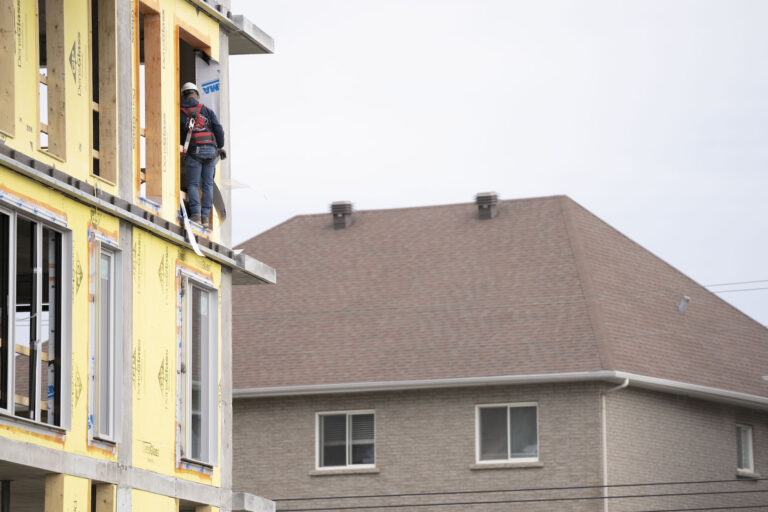

It wasn’t always that way. In 2019, Alkasem says he sold the same single-family-home model in a nearby neighbourhood for $350,000. He says the near doubling in sale price reflects the surge in land costs—from about $60,000 per plot of land in 2018 and 2019 to $200,000 apiece for more recent builds.
Alkasem says the municipality can do even more to help developers lower costs that they pass onto buyers and renters—like allowing houses to be built closer together and on smaller lots, he says, and cutting permit fees, which Alkasem says costs him between $10,000 and $15,000 per unit at the Spryfield development.
He worries about how much his costs will rise for the next project he’s eyeing in Spryfield, and whether prices will become unpalatable for buyers. “Everybody’s in this to make money, but we need to focus on giving a decent product in the end that we can pass on.”
Across the Halifax Harbour and up the eastern shore, Liberal MP and former housing minister Sean Fraser is opening a campaign office in a new part of his riding of Central Nova. Fraser, who served as Immigration Minister from 2021 to 2023—a period in which high immigration rates contributed to the housing crisis, the Liberals have since conceded—before taking over Ottawa’s housing file. In December, Fraser announced that he would retire from federal politics to spend more time with his family. Last month, Prime Minister Mark Carney successfully convinced him to reconsider and run for reelection.
A few dozen locals are packed into the building on a Sunday afternoon, midway through the snap election. Attendees clustered in small groups to talk tariffs, pipelines and the cost of living while snacking on pastries, cold-cut sandwiches and strong tea and coffee.
For local resident Everly Lawless, housing is a major concern leading up to the federal election on April 28. “Nobody I know in their 40s who didn’t come from wealth owns a house, and that’s messed up,” says Lawless in the parking lot outside Fraser’s campaign event in Lake Echo, N.S.
Lawless had expected to be able to buy a home in the community where she grew up. But now priced out of the market, she, her wife and two kids are living with her mother. “We’re making over $80,000 a year. We should be able to buy a house,” she says. “That’s money we dreamed about in high school and college.”
Lawless says Halifax’s development boom hasn’t made homeownership or even affordable rent more attainable.
Inside the event, Fraser says the Liberals’ latest housing plan will help alleviate the pressure. “Mark Carney has indicated that he is willing to put more money into the Housing Accelerator Fund,” says Fraser. If municipalities want more of those funds, he says, they would have to negotiate new terms. That could mean allowing taller apartments or more densely-built homes, for example, or cutting development charges.
That’s just one piece of the Liberals’ housing plan that seeks to double the pace of homebuilding across Canada and bring new construction to 500,000 units a year over the next decade. To get there, the party plans to launch a public housing agency called Build Canada Homes. The agency would provide $35 billion in loans and grants for homebuilders, including those building affordable housing on government land. “We solved a housing crisis before in our past, we can solve the housing crisis now,” Carney said of the plan last month, harkening back to the federal government’s post-Second-World-War public housing initiative.
It’s not just the Liberals that are taking big swings to solve the housing crisis. The Conservative party said buyers will not have to pay GST on newly-built homes priced under $1.3 million. (The Liberals plan to remove GST on homes up to $1 million for first-time buyers.) To encourage more building, the Tories said they will match half of every dollar a municipality cuts in development fees, up to $25,000 per home, for $50,000 in potential savings.
The party also said it would push “municipalities to speed up permits” and “free up land to allow 15 per cent more home building per year.” If local governments don’t meet that target, a Conservative government would withhold federal infrastructure funding.
Joseph Kirby, an organizer with More Homes Halifax, a local housing development advocacy group, says he’s encouraged by both the Liberal and Conservative pledges. “They both seem like they’re on the same page about what the issue is,” he said. However, he says he’d like to see the next federal government work directly with provinces to address housing issues, rather than negotiate individual deals with every municipality. “It’s not efficient,” he said.
Philip Fraser, president and CEO of developer Killam REIT—a Halifax-based public company that mainly builds apartments across Canada—is skeptical of big political promises to boost development. “Whatever the government does, it’s a positive step,” he says. But, he adds, nobody has really grappled with the true scale and complexity of the problem. The shortage of skilled trades workers is one major barrier, says Fraser. And the cost to build, he says, is enormous. Take Killam’s 55-unit development in Halifax, for example. The company has budgeted $631,000 per unit, well above the average home price in Halifax. Fraser says it’s hard to get those costs down while still turning a profit.
A major barrier, according to Fraser, is rising property taxes and other municipal fees for apartment buildings in Halifax, where Killam owns 5,600 units. In the last five years, property taxes on Killam’s local buildings surged 24.8 per cent. Water and garbage collection costs are up 27.1 per cent and 36.3 per cent, respectively. Fraser is bracing for another big tax hike this year. “At a time when housing affordability is already a significant issue in our city, additional tax increases will exacerbate the situation,” Fraser wrote in a letter to the municipality’s budget committee in March.
Fraser told The Logic that raising the minimum wage is needed to bridge the affordability gap. “We’ve gone through four years of high inflation. The price points have been readjusted from a redevelopment and development cost point of view,” he says. “The thing that has to catch up is wages.”
Andrew Stephens, a co-owner and broker at Exit Realty Metro, says even if governments cut red tape to encourage more and faster development, he’s doubtful Halifax housing will become more affordable anytime soon. There were about 500,000 people living in the area in 2024 and about 5,500 homes sold per year. “Only one per cent of the population has to be able to afford what’s happening for the market to keep ticking along,” says Stephens.
There’s little incentive, it seems, for the private sector to build more low-cost housing, even as supply increases. A recent progress report by Halifax Regional Council on its use of Housing Accelerator Fund money shows that of the 6,057 building permits it issued through the fund, just 65, were for affordable units—one per cent.
“Private developers are not going to fill that affordable housing gap,” says Bruce Holland, president of the Spryfield Social Enterprise and Affordable Housing Society, even if government removes restrictions, he says. “That’s not their business.”
Holland’s organization launched in 2022 to help curb the affordable housing shortage by building apartments. But securing land to build has been a challenge. It came close when the provincial government gave it a plot of land to build apartments in a community called Herring Cove. But a group of locals organized to oppose the development, leading Holland to return the land.
The non-profit is now hoping to build on a 4.5-acre lot the province recently bought from Habitat for Humanity—which itself was planning to build affordable housing on the land until costs for the project became prohibitive. Holland is confident his organization can build affordable housing under the right conditions. It requires getting the land for free, he says, cobbling together government grants and programs for non-profit housing, and securing a low-interest mortgage from the CMHC. He’s learned that’s easier said than done. “It’s been kind of a rollercoaster for us,” he says.
Downtown, at the Cogswell District development, the municipal government is closing in on its portion of the 16-acre project. By the end of the summer, private builders will begin bidding on land parcels, which will ultimately add thousands of units to Halifax’s growing housing stock. But the biggest city-building endeavor ever in Halifax won’t solve the housing crisis, either. Davis says the remaining building process could take five to 10 years and the units—in the heart of Halifax and steps from the waterfront—likely won’t be cheap.
Stephens, who has a vested interest in the housing market’s ongoing growth, doesn’t expect a correction any time soon. Since 1980, average annual housing prices in Halifax have only dropped once, in 1995. “I think people have a hard time accepting that this is the new norm,” he says. “Even though homes are more expensive now than they ever were, we’re selling more of them than we were last year and the year before, and the year before that.”
This reporting is made possible by the generous support of the Covering Canada: Election 2025 Fund, a non-partisan granting initiative by the Public Policy Forum, the Rideau Hall Foundation and the Michener Awards Foundation. Its goal is to help journalists cover election stories that would otherwise go untold.



Loading...
Thanks for sharing!
You have shared 5 articles this month and reached the maximum amount of shares available.
CloseThis account has reached its share limit.
If you would like to purchase a sharing license please contact The Logic support at [email protected].
CloseGift the full article!
You have gifted 0 article(s) this month and have 5 remaining.
Recipients will be able to read the full text of the article after submitting their email address. They will not have access to other articles or subscriber benefits.
Photo: Darren Calabrese/The Logic
Donna Davis, the project manager for the Cogswell District Project, in Halifax on April 11, 2025.
Irfan Alkasem, owner of Amara Developments, at the site of a new housing development in Halifax on Monday, April 14, 2025.
From 2019 to 2022, the average home price in the Halifax Regional Municipality increased 67 per cent, compared to just 12 per cent in the three years before.
New housing starts in Halifax surged to nearly 4,700 in both 2023 and 2024. In the last two decades, new construction starts bounced between 1,800 and 3,200 a year.
Most Popular This Week




In-depth, agenda-setting reporting
Great journalism delivered straight to your inbox.
News
Tech firms want AI models to create better versions of themselves
Briefing
Fairfax buys majority stake in India’s IDBI Bank for $7.9B
U.S. banking regulator accuses TD and BMO of discriminating against conservative clients
Fashion brand Smythe names former Canada Goose president as its first CEO
Best business newsletter in Canada
Get up to speed in minutes with insights and analysis on the most important stories of the day, every weekday.
Exclusive events
See the bigger picture with reporters and industry experts in subscriber-exclusive events.
Membership in The Logic Council
Membership provides access to our popular Slack channel, participation in subscriber surveys and invitations to exclusive events with our journalists and special guests.