
Listen Now
0:00
MARKHAM, Ont. — Many of the world’s biggest builders and buyers of AI compute have promised that their new Canadian data centres will generate upside for local communities rather than drive up costs, under a voluntary accord led by the federal government.
The firms are committing that any data centres they develop or patronize in Canada will serve a strategic purpose for the country, and “create lasting local benefits.” They also agreed to ensure new AI infrastructure doesn’t raise power prices for residents, and promised to minimize the amount of water it uses. And they’re pledging to disclose more about the local impacts of their projects.
Talking Points
- The federal government has published a set of high-level principles for new data-centre development in Canada, including generating long-term benefits to local communities, protecting consumers from electricity price hikes and mitigating environmental impacts
- Ottawa’s voluntary framework has drawn 23 initial signatories, including leading AI developers OpenAI, Anthropic and Meta; cloud giants Amazon, Google and Microsoft; and major Canadian players like Cohere, Bell and Telus
Signatories to the new responsible development principles include U.S. cloud giants Amazon, Google and Microsoft; leading Silicon Valley AI firms Anthropic, Meta and OpenAI; as well as Canadian AI firm Cohere. Domestically headquartered data-centre operators Beacon, Bell, eStruxture, Hypertec, QScale and Telus are also participating, as are international competitors Equinix and Prologis. Several neoclouds also signed, including Buzz HPC, Denvr, OVHcloud and ThinkOn.
Surging demand for compute to train and run AI models has prompted a rush of new AI infrastructure projects in Canada, but several major data-centre developments have stirred up significant local opposition. AI Minister Evan Solomon announced details of the accord, known as Canada’s Responsible Data Centre Development Principles, in Markham on Thursday.
He said the federal government is encouraging data-centre developers to “build right” and ensure local communities benefit and resource concerns are addressed. Upsides could include jobs, skills training and buying from local supply chains, as well as increasing the resilience of the country’s digital capabilities, according to Solomon. Mitigation measures could include reusing waste heat, paying for grid upgrades and using closed-loop cooling.
Related Articles
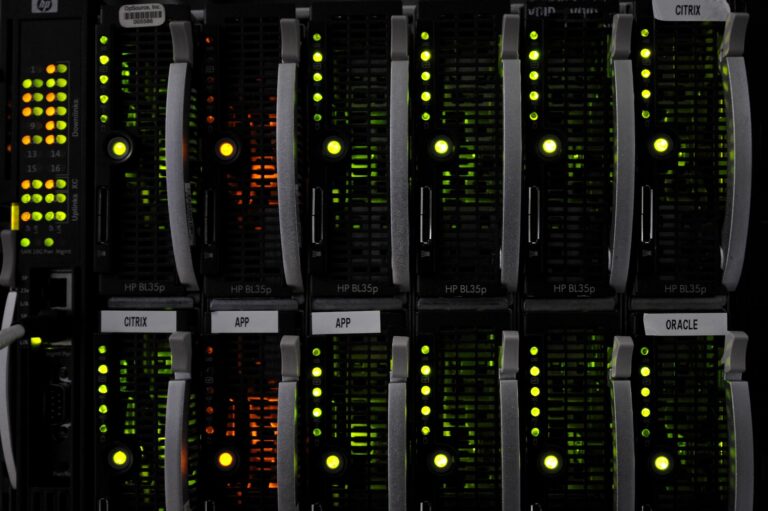
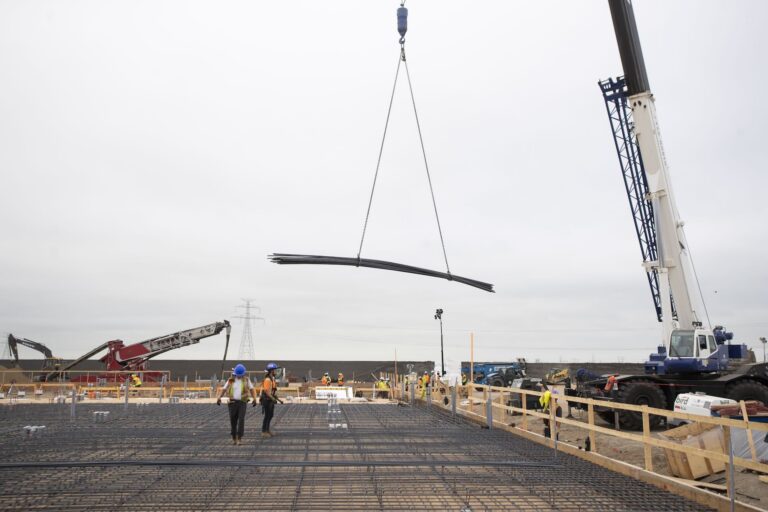
Ottawa is keen to attract more AI infrastructure investment to Canada, and to expand the country’s compute capacity as it seeks to boost AI adoption and innovation, Solomon said. Still, he cited public concerns about how much water data centres use, the heat they give off, the potential to increase electricity rates, and the jobs such projects generate for the local economy. “A community should not watch a major facility rise next door and receive nothing lasting in return,” he added.
The responsible development principles do not include any compliance mechanism or penalties for broken pledges. Most of the issues with AI infrastructure addressed by the new principles fall under provincial or municipal jurisdiction, and it will be up to those governments to enforce them via regulatory approvals or deals with data-centre operators, Solomon said. The federal framework ensures local policymakers will have the data to do so, since participants have committed to disclosing “reliable and verifiable information” about their projects, he added.
The accord was developed over several months of consultations with the Federation of Canadian Municipalities, individual municipal, provincial and territorial governments, Indigenous groups and industry. “It provides a baseline of what you need to do if you want to come into our communities and you want to develop a data centre in Canada,” said Markham mayor Frank Scarpitti.
Most of the firms that signed up to the new framework have announced or signalled major plans to develop or use AI infrastructure in Canada.
Cohere signed a deal in June to buy compute from Buzz, which will run Hypertec hardware in a Bell data centre in Merritt, B.C. The Toronto-based enterprise AI firm is also the anchor tenant of a CoreWeave data centre in Cambridge, Ont., backed by $240 million in federal funding.
The makers of Claude and ChatGPT are also looking for AI infrastructure in Canada. As The Logic first reported, Anthropic plans to bring “gigawatts of compute online” here, and is considering data centres in Alberta. Chief rival OpenAI said last October that it could lease or develop AI infrastructure in Canada as part of its bid to play a role in Ottawa’s sovereign technology drive.
Hyperscalers Amazon, Google and Microsoft each have two large data-centre clusters, and have promised to spend big on expansions. Meta, meanwhile, has commissioned a $13-billion data-centre complex near Edmonton.
Beacon, eStruxture and QScale have each touted billions of dollars worth of domestic development plans. So have telecom giants Bell and Telus, which are bidding for Ottawa’s sovereign AI business. Calgary-based cloud firm Denvr and French peer OVHcloud, meanwhile, are adding compute capacity in Canada as they sell AI services to businesses.
Ottawa has pledged to use its funding programs and its own compute demand to incentivize the growth of so-called sovereign AI infrastructure and to set strong requirements for the compute projects it backs. The Liberal government’s AI strategy, unveiled in June, promised to “link new data-centre development with clean energy expansion, robust environmental standards and tangible benefits for local communities.”
In January, the federal Innovation Department sought proposals from firms planning facilities over 100 megawatts. It asked applicants to show how they would create benefits for local economies or ecosystems, bring in Indigenous participation, manage energy use, and mitigate noise and environmental impacts. So far, Ottawa has only backed Telus under the program, although the two sides have yet to announce a final deal.
Canada’s data-centre boom has not been universally welcomed, with environmental and civic groups raising concerns about water use and noise pollution, and citing reports that such facilities have raised consumer power bills in the U.S. Builders and operators have countered that they use liquid-light cooling systems, recycle the heat their hardware generates, and either commission their own natural gas power or use available renewable energy.
Projects around the country have drawn repeated protests and opposition at local and provincial town halls. Municipalities from Mississauga to Rocky View County, Alta., have imposed temporary pauses on new compute facilities. Provincial governments in Alberta, British Columbia, Ontario and Quebec are trying to manage or make money from data-centre development by rationing power to the sector, charging it more, or by proposing new levies on projects.
Editor’s note: This story has been updated to add comments by Solomon and Scarpitti.