Listen Now
0:00
AI compute provider Iren started out with data centres in British Columbia, but the firm says its need for power and speedy buildouts means it is now more focused on the U.S. and overseas markets.
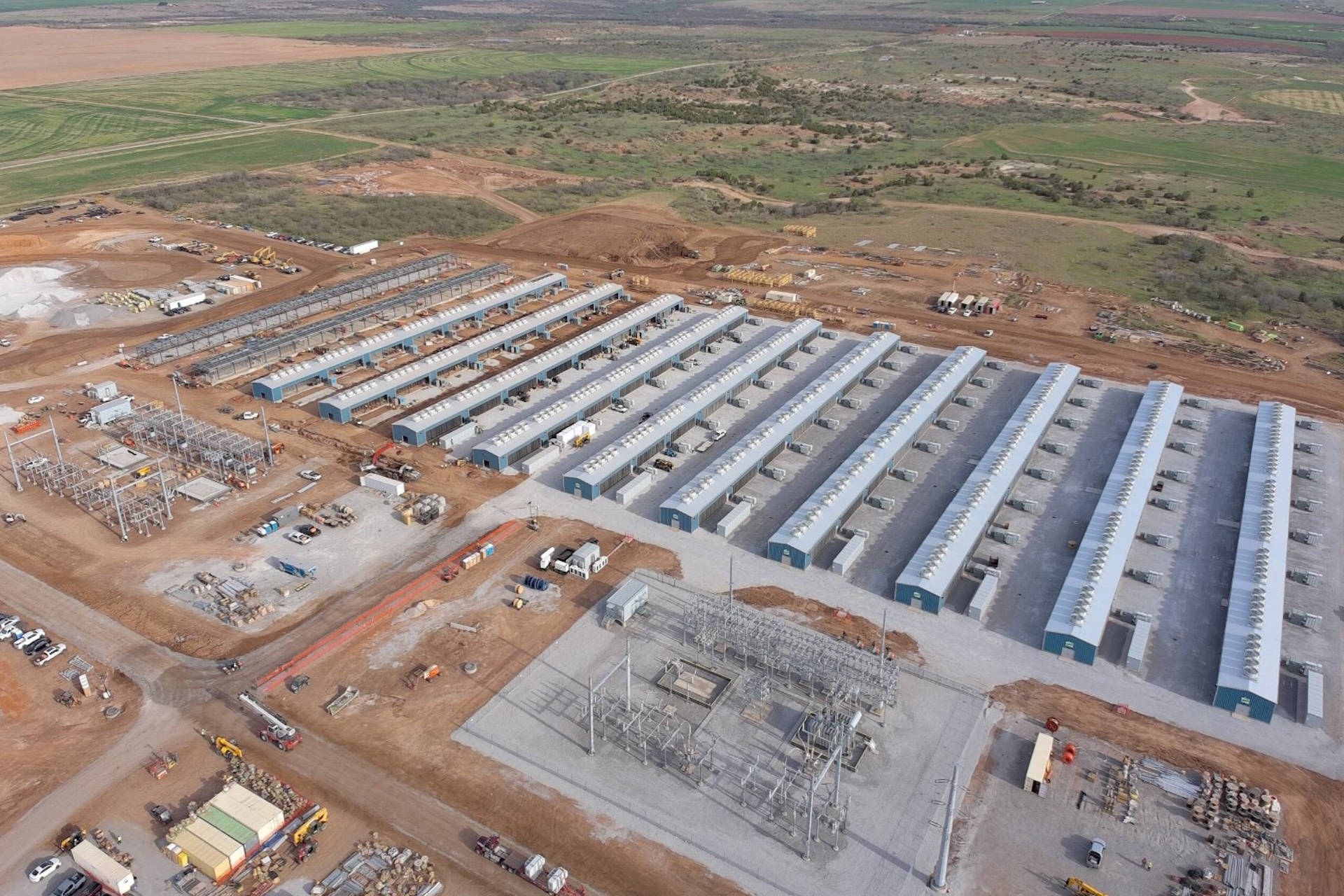
The company recently landed major contracts with tech giants and AI service providers. Most of the compute it sells them will come from giant new data centres it’s building in Texas and Oklahoma over the next three years. Iren’s new U.S. facilities have a combined capacity of 4.35 gigawatts, compared to the 160 megawatts of its three current Canadian data centres.
Talking Points
- Neocloud Iren has three small data centres in British Columbia, but it’s now adding gigawatts of compute capacity in the U.S. and looking to expand in Europe and Asia
- The Australian firm has landed major clients in Microsoft, Nvidia and other AI toolmakers. Now it’s looking for places with lots of cheap power and fast permitting times to build new facilities, but Canada doesn’t totally fit the bill, according to chief commercial officer Kent Draper.
“The expansion potential in B.C. is just naturally going to be lower,” said Kent Draper, the firm’s Vancouver-based chief commercial officer, citing the larger U.S. power grid. While Iren is still considering expanding in Canada, he said it also faces a “more challenging” regulatory environment here than across the border.
Sydney-headquartered Iren is among the so-called neoclouds, firms which both sell to and compete with U.S. cloud giants. Like many of its peers, it started out as a crypto mining company, but pivoted to AI compute. Unlike other neoclouds like CoreWeave and Nebius, Iren owns and operates all its data centres, as well as the chips that run inside them.
The firm, which is traded on the Nasdaq, reported US$144 million in revenue in its fiscal quarter that ended in March, with about 77 per cent of that coming from bitcoin mining. Still, its AI compute business is growing fast.
Related Articles
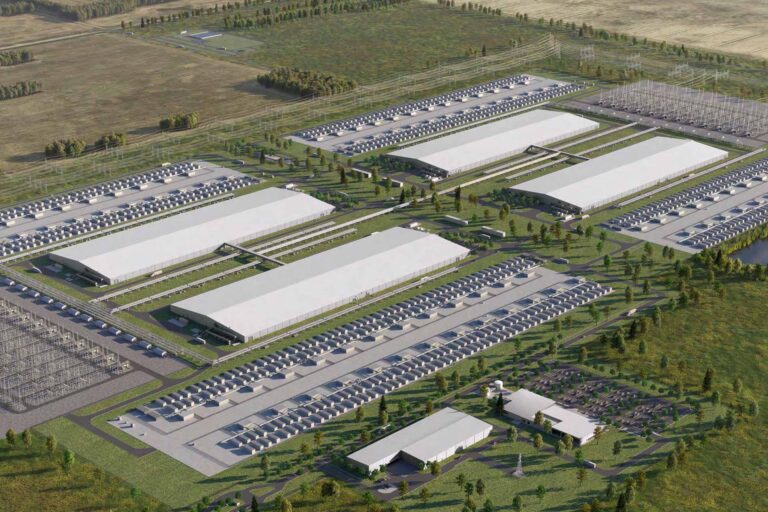
Last November, Iren landed a US$9.7-billion contract with Microsoft, which is renting chips for its own use and for its clients, which could include OpenAI. On Thursday, Iren announced it had delivered the first of four 50-megawatt clusters in Childress, Texas, to the tech giant. In May, Iren announced a deal with Nvidia. The chip giant will invest up to US$2.1 billion in the neocloud, helping finance the purchase of its AI hardware. Under a US$3.4-billion contract, Nvidia will also buy some of the processing power Iren generates for use in internal R&D.
The compute that the firm’s B.C. data centres generate goes to a different group of AI customers, Draper said. They include Together AI and Fireworks AI, which help businesses fine-tune and run open source models; Fluidstack, itself a neocloud that sells compute to Anthropic; and Hume AI, which builds tools for voice applications. Iren eventually plans to host AI models itself, letting it sell their outputs—a stage known as inference—to clients. In May it acquired cloud technology firm Mirantis to expand its technology capabilities.
Founded in November 2018, Iren bought its first data centre in Canal Flats, B.C., in January 2020. It brought new compute facilities online in Mackenzie and Prince George in 2022. All three were originally used to mine bitcoin, although they’re being converted to produce AI compute.
In the firm’s early years, B.C.’s advantages included relatively cheap renewable energy, a cool climate and a stable regulatory regime. “We could get access to what, back then, was large amounts of power,” said Draper. “Doesn’t look so large anymore.”
The province is now among several that are rationing energy to data centres. BC Hydro is allocating 400 megawatts to the sector over two years. That’s two-thirds the capacity of Iren’s smallest planned U.S. facility, and it’s unlikely to all go to a single bidder. Draper said it’s easier to develop and permit U.S. projects, because many unincorporated communities in Oklahoma and Texas don’t have zoning rules. Iren is also planning to add significant new capacity in Australia and Spain.
The firm continues to explore expanding its B.C. data centres, and adding new ones elsewhere in Canada. “On the infrastructure side, there are a lot of natural benefits,” Draper said. The firm declined to identify which provinces it’s considering, but several meet its criteria. They include Alberta, though Iren would want to connect to the renewable energy being added to the grid instead of commissioning natural gas power plants, as other tech firms have done.
Draper said Iren is also interested in participating in federal programs to increase Canada’s compute capacity, many of which are designed to prioritize domestic ownership and control of AI infrastructure. “We will just need to see how they’re scoped and how sovereignty is defined,” he said. “Our roots are very much in B.C.” Some 250 of the firm’s 1000-plus employees are based in the province.
Neoclouds have faced concerns about dependency and circular financing. Their client base was originally dominated by hyperscalers like Meta and Microsoft, and well-funded AI labs like OpenAI and Anthropic, looking for every bit of spare compute they could find to train new frontier models. Nvidia is also both supplier and customer to several of the firms.
A different group of customers is now emerging, Draper said. “That other growth is driven by real-world use cases, whether it’s internal R&D for these companies or customer-facing products.” Compute demand is also shifting from AI training to inference.
Iren is confident all the hardware and capacity it can add will get used. “We’re still seeing a huge demand-supply imbalance,” Draper said.













