Listen Now
0:00
New data centres in Ontario will pay extra for electricity from the public grid, can expect no provincial subsidies and must deliver clear local benefits, Premier Doug Ford said Thursday.
But in releasing a draft of a “playbook” for handling data-centre applications, Ford framed the warehouses full of processors and servers as crucial for modern life and for preserving independence and control in the face of threats from U.S. President Donald Trump—whom he brought up again and again.
Talking Points
- Data centres are essential to the economy and Ontario wants them, but it’s going to make developers work hard to get their projects approved, Premier Doug Ford said Thursday
- He veered between insisting data-centre opponents are often hypocritical and misinformed, and talking about how his province won’t be taken advantage of by people who want to build the facilities
“We have two choices,” Ford said. “We either do our own data centres and keep our own data sovereignty, or we let President Trump run us over like he has in other areas. I choose that we have data sovereignty.”
Local opposition to particular data centres in Ontario has grown over the past year as applications from would-be builders and operators—rushing to meet the demand for AI computing power—have reached points where the public gets to weigh in.
Oakville, a western suburb of Toronto, just passed a one-year moratorium on approving new ones. Neighbouring Mississauga is working on such a ban, too.
Related Articles

Under Ontario’s planning law, municipalities can enact such freezes but only temporarily while they get handles on new land uses. Oakville’s ban is supposed to buy the municipality time to study the issues around “noise, vibration, emissions and land use compatibility, as well as municipal responsibilities related to environmental sustainability, energy supply and affordability, water supply and other utility infrastructure.”
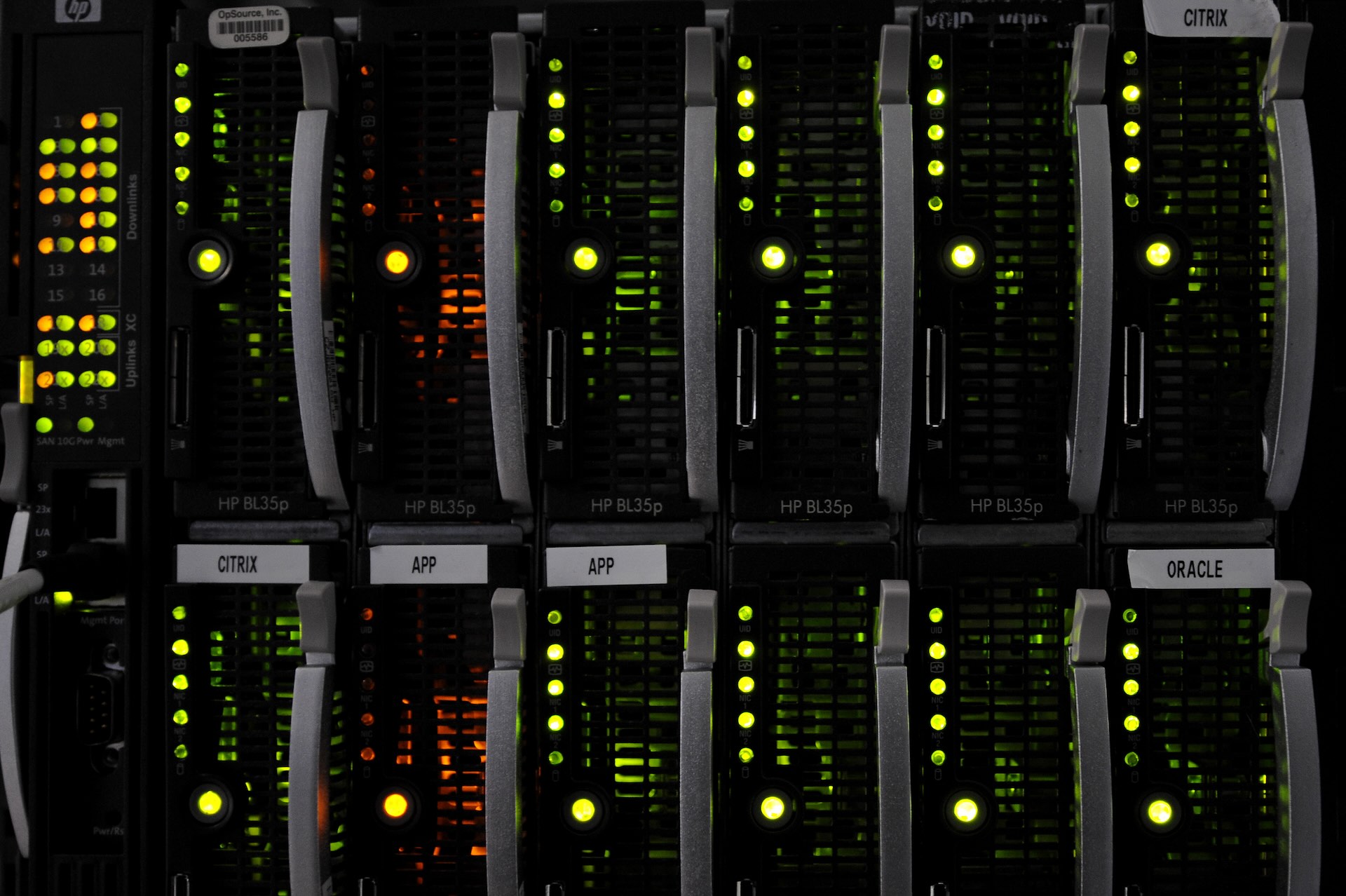
Ford made the announcement at an Ontario government data centre in Guelph, west of Toronto, to emphasize how any Ontarian with a driver’s licence or health card—which are tied to public digital records—benefits from the storage and computing power the facilities provide.
Opponents of data centres are often hypocritical, he said. “You can’t say, ‘I don’t want it in my backyard, but by the way, we’re going to use all that power and all the information and the data centres to run my community.’ It just doesn’t add up.”
He said critics are also often misinformed. Data centres might be criticized for using a lot of water in their cooling systems, but they don’t have to do that, he said. The playbook document says Ontario wants projects that don’t use water for cooling or use “closed-loop” systems that cut consumption. Reducing noise and reusing waste heat will also count favourably.
Yet the premier veered between insisting that Ontario needs data centres—“It’s the way of the future, it’s going to drive the world economy”—and boasting about how difficult his government is going to make it to build one.
“If any data centre thinks they’re coming into Ontario and getting a freebie—not happening. Go down south, go somewhere else. You’re going to come, and we’re only going to pick a few of you,” he said.
That’s a big difference in tone from, say, Alberta’s, where Premier Danielle Smith’s stated mission is to make the province the most attractive place in North America to build a data centre.
The Ontario playbook document says the local benefits that the province will demand could include apprenticeships and re-skilling programs, community centres and roads, and power-grid upgrades. “There’s no way they’re getting off scot-free. I’ll tell you that. We’re gonna charge them a pretty penny,” Ford said.
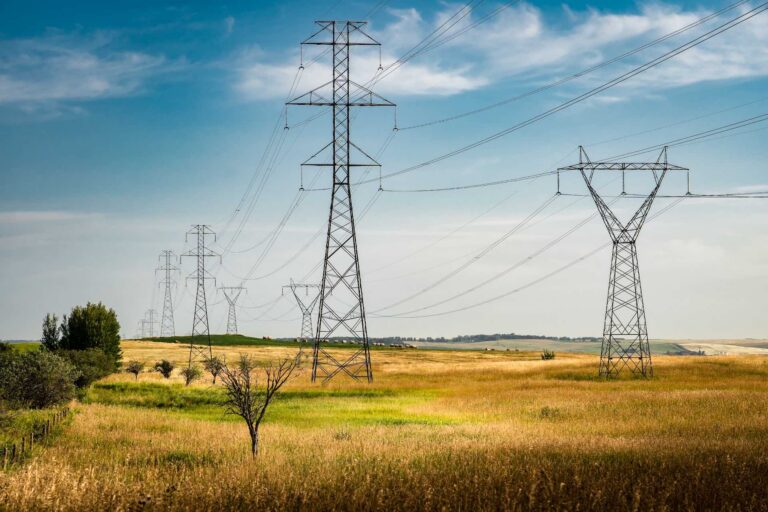
Developers will be encouraged to provide their own electricity for the power-hungry facilities, he said. If they don’t, they’ll pay more for energy from Ontario’s public grid than other industrial users do.
The province estimates that it has applications in hand already to connect 10,000 megawatts’ worth of data centres to the grid. Recent demand for electricity in Ontario has peaked at around 25,000 megawatts.
The formal proposal is posted for public comments until Sept. 12. Once it’s finalized, it’ll become part of a broader Ontario strategy on artificial intelligence.













