Skip to content

Canada's Business and Tech Newsroom

  • Professional Subscription
  • Partnerships & Advertising
  • Licensing & Syndication
Log In Subscribe
Welcome,
  • My Account
  • Log Out
  • Business
  • Tech
  • National
  • The Big Read
  • Briefings
  • Commentary
Search
Log In Subscribe
Welcome,
  • My Account
  • Log Out
News

Canada’s new green finance standards sidestep oil and gas emissions

Listen Now
0:00
News

Canada’s new green finance standards sidestep oil and gas emissions

The long-awaited voluntary framework sets common standards for green investment as the country catches up with other economies

By Chaimae Chouiekh
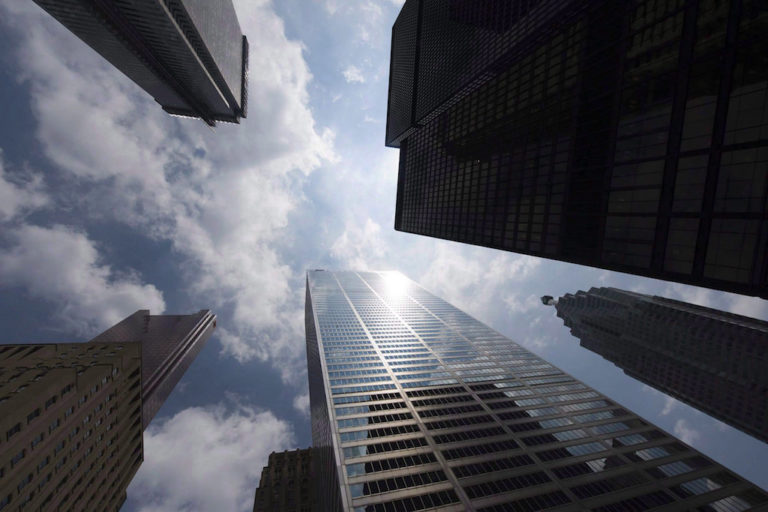
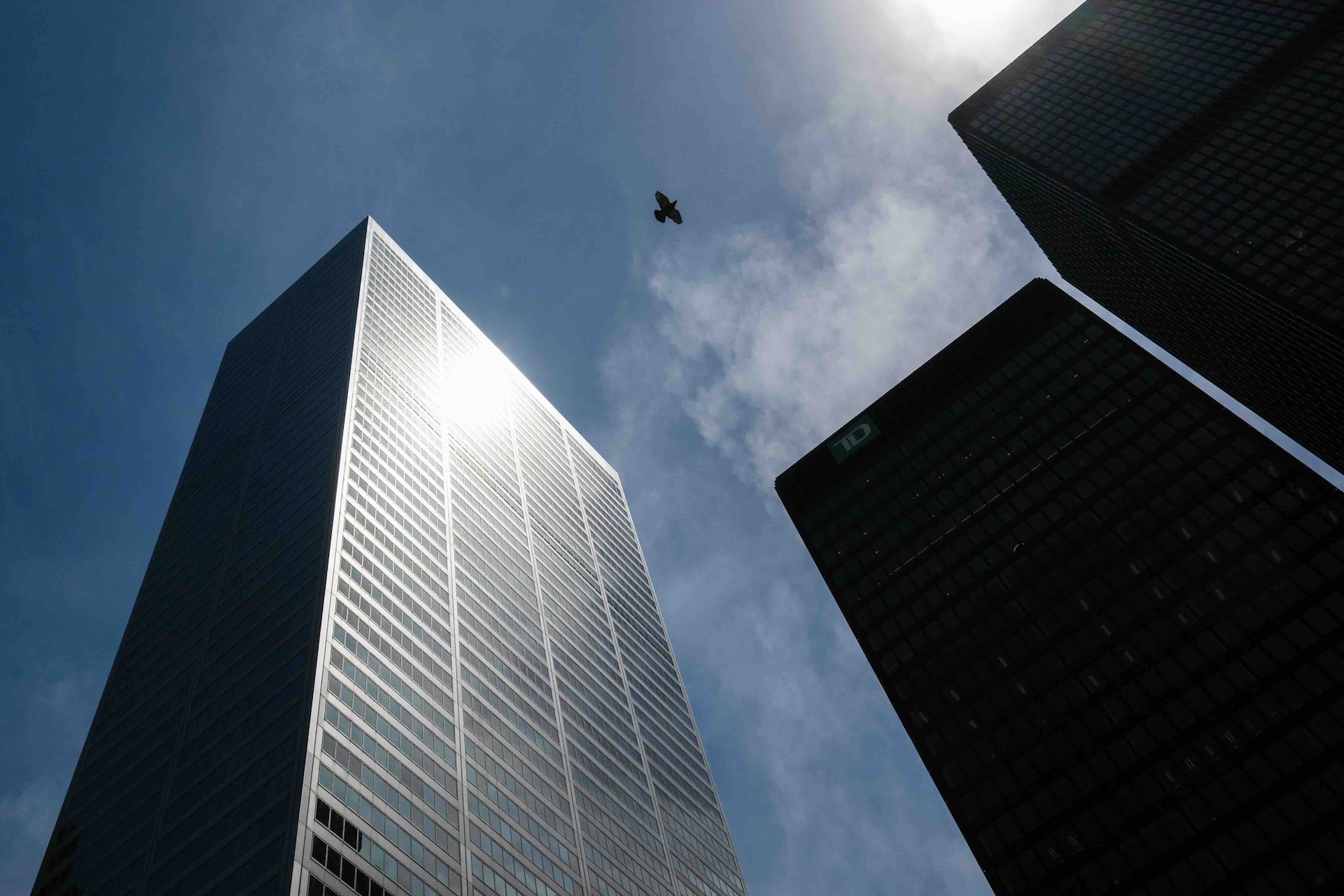
Three skyscrapers loom against a blue sky.
Canada has finalized its long-delayed sustainable finance methodology, establishing voluntary standards for green and transition investments across six main sectors. Photo: Laura Proctor for The Logic
Oct 20, 2026 | 12:01 AM ET
A A
A Small A Medium A Large
Share

Gift

Share

Listen Now
0:00

Canada has finalized the framework for its first national sustainable finance taxonomy meant to curb greenwashing, but has yet to decide whether to include oil and gas emissions. 

Business Future Pathways, an investor-led initiative Ottawa tasked with developing the voluntary guidelines, released the framework Tuesday to give banks, pension funds and other investors concrete standards for investments that support climate goals. They come as concerns over greenwashing raise questions about the credibility of sustainability investments. The framework could also help companies raise money through green and transition bonds.

Talking Points

  • Canada has finalized its long-delayed sustainable finance methodology, establishing common voluntary standards for investments across six main sectors
  • The framework puts off a decision on whether emissions reduction projects in oil and gas should qualify, pending further research beginning in 2027

It divides eligible investments into two categories, green and transition, across six sectors: electricity, buildings, transportation, mining, manufacturing and agriculture and forestry. The green category covers activities with zero or near-zero emissions, like renewable energy, while the transition category covers emission-intensive industries, including steel and cement, that can substantially reduce emissions.

But it leaves out a third category—first proposed in a July draft—for projects that reduce oil and gas emissions. The council will study the issue starting in 2027 before deciding whether to include it.

“The main reason is really feeling that we haven’t been able to do sufficient due diligence as yet on what might make that category,” Marlene Puffer, chair of the Canadian Taxonomy and Transition Planning Council, said in an interview. The federally funded council, established in April, brings together institutional investors and professors, as well as the Superintendent of the Office of the Superintendent of Financial Institutions.

Related Articles

Canada’s landmark ESG case heads to a final decision

By Anita Balakrishnan
Bank towers are shown from Bay Street in Toronto's financial district, on Wednesday, June 16, 2010.

Canada’s big banks face shareholder pressure on AI and climate disclosures

By Chaimae Chouiekh
Two firefighters with gear face a massive wildfire at night, with flames and smoke engulfing dry vegetation. The scene conveys urgency and danger.

The ESG and DEI backlash has caught up to corporate Canada

By Catherine McIntyre

Oil and gas accounted for about 30 per cent of Canada’s greenhouse gas emissions in 2024, according to federal data. Puffer said the council decided against including these “abatement measures” after it found roughly two-thirds of respondents to a public consultation opposed the category. Opposition was strongest among individuals and environmental organizations, while only one oil and gas industry association submitted feedback.

Puffer said the voluntary taxonomy is meant to facilitate sustainable financing, not dictate industrial policy, when asked whether delaying the category could discourage investment in cutting oil and gas emissions.

Canada is a laggard among G20 countries when it comes to national sustainable finance taxonomy. The European Union and Australia already have similar systems in place. About 70 taxonomies worldwide have been introduced or are being developed, according to the report.

Canada’s efforts to develop its own taxonomy started in 2019 but have been repeatedly delayed. A 2022 roadmap called for an initial framework by mid-2023 and a comprehensive version by the end of 2025. Neither target was met, prompting Ottawa to relaunch the effort under a new governance structure last December. 

The framework also won’t require companies to have corporate net-zero targets or transition plans for individual projects to qualify. Puffer said only 5 per cent of Canadian public companies have a credible transition plan, making such a requirement premature.

The taxonomy is taking shape as Canada’s largest financial institutions scale back their climate commitments. TD, BMO, National Bank and CIBC withdrew from the Net-Zero Banking Alliance last January. In April, RBC and Scotiabank lowered their 2030 financed-emissions targets for several carbon-intensive sectors, citing changes in government policy, energy demand and the slow development of carbon capture technologies.

Puffer said major financial institutions and pension funds nonetheless played a part in developing the taxonomy. Some were already considering updates to their sustainable finance strategies, she said, although none had committed to adopting them yet. 

Companies seeking to classify their projects under the framework will also have to disclose whether their projects meet environmental and social safeguards, including those related to Indigenous rights, but aren’t required to meet every criterion.

Puffer described the approach as a trade-off between “usability and credibility” to avoid making the framework too difficult for companies to adopt.

Gift the full article

The council expects to finalize technical criteria for electricity, buildings and transportation in mid 2027, followed by mining, manufacturing and agriculture and forestry by year-end. Banks and investors could begin adopting the first set of criteria before the remaining guidelines are completed, she added.

“[The taxonomy] should help reduce any potential greenwashing, support disclosure because now there’s a standard against which to disclose and help market participants have more information than otherwise,” Puffer said.


#Business #climate #finance #Sustainability

Sponsored Content

The road to risk-smart regulation

By Deborah Aarts

Why cybersecurity needs to match pace with AI

By Jessica Aftimus Rosa

How to shift your workforce from AI experimentation to adoption

By Jessica Aftimus Rosa
Paid promotional content

Loading...

Thanks for sharing!

You have shared 5 articles this month and reached the maximum amount of shares available.

Close
This account has reached its share limit.

If you would like to purchase a sharing license please contact The Logic support at [email protected].

Close
Want to share this article?

Upgrade to all-access now

Close
Gift the full article!

You have gifted 0 article(s) this month and have 5 remaining.

Copy link and gift
Copy Link
Email to a friend
Send Email
Gift on Social Media

Recipients will be able to read the full text of the article after submitting their email address. They will not have access to other articles or subscriber benefits.

Three skyscrapers loom against a blue sky.

Photo: Laura Proctor for The Logic

Most Popular This Week

A close-up image of the Cohere logo on a black and red background.
News

Cohere plans to acquire cyber startup Aisle and set up a new security division

By Catherine McIntyre
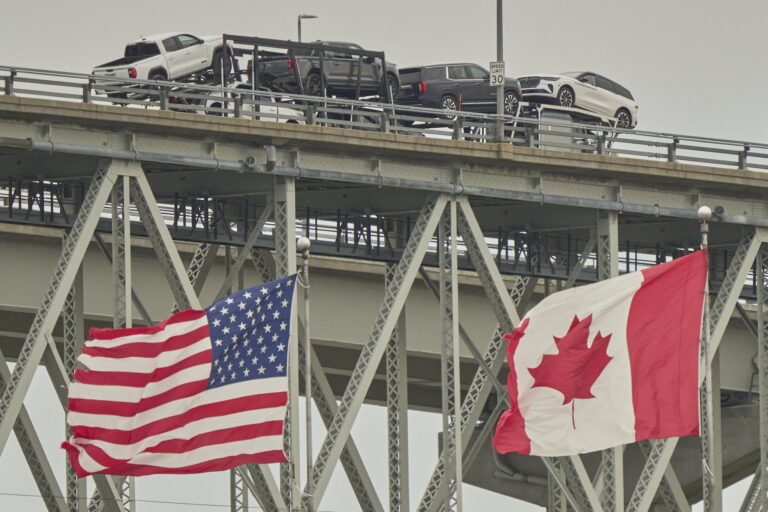
A low-angle shot of a truck carrying vehicles across the bridge at the Canada-U.S. border in Sarnia, Ont. The U.S. and Canadian flags are flying in the foreground.
News

Canadian entrepreneurs are chasing growth again, despite trade uncertainty

By Catherine McIntyre
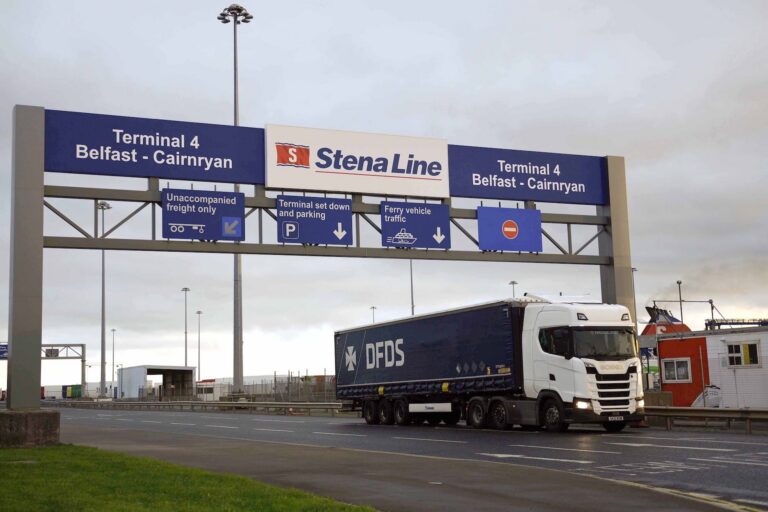
A shot of a freight truck passing beneath a gantry that bears signs directing traffic through the Port of Belfast.
News

A tech firm born from post-Brexit trade chaos sets its sights on Canada

By Joanna Smith
News

Norway’s Vianode eyes Canadian backers as it mulls a partnership or sale

By Anita Balakrishnan

In-depth, agenda-setting reporting

Great journalism delivered straight to your inbox.

A man in glasses and a blue knit sweater outdoors on a city street, with brick buildings softly blurred behind him
The Big Read

Beacon is building an AI empire by fixing Main Street’s software

By Murad Hemmadi

Briefing

Inovia raises US$200M for new VC fund as it eyes AI’s impact

By Anita Balakrishnan   |   Oct 19, 2026 | 3:55 PM ET

43% of eligible Albertans voted ahead of Monday’s referendum

By Meghan Potkins   |   Oct 19, 2026 | 3:51 PM ET

AI chip company Tenstorrent raises US$1.5B, valuing it at US$6.2B

By Catherine McIntyre   |   Oct 19, 2026 | 2:44 PM ET

Best business newsletter in Canada

Get up to speed in minutes with insights and analysis on the most important stories of the day, every weekday.

Exclusive events

See the bigger picture with reporters and industry experts in subscriber-exclusive events.

Membership in The Logic Council

Membership provides access to our popular Slack channel, participation in subscriber surveys and invitations to exclusive events with our journalists and special guests.

Recent Popular Stories

News

India wants to buy less Canadian uranium. Canada’s nuclear lab is helping

By David Reevely   |   Oct 9, 2026
A low-angle photo of the cooling tower of a nuclear power station. There are tree fronds and an Indian flag in the foreground.
News

ApplyBoard was the worst-performing Canadian startup in Fidelity’s portfolio in 2026

By Claire Brownell   |   Oct 6, 2026
Commentary

Carmichael: Canadian ignorance about India is a strategic weakness

By Kevin Carmichael   |   Oct 10, 2026
News

Tech firms want AI models to create better versions of themselves

By Murad Hemmadi   |   Oct 14, 2026
News

A tech firm born from post-Brexit trade chaos sets its sights on Canada

By Joanna Smith   |   Oct 13, 2026
A shot of a freight truck passing beneath a gantry that bears signs directing traffic through the Port of Belfast.
News

Canada’s banking regulator weighs new rules for AI risks

By Chaimae Chouiekh   |   Oct 7, 2026

Canada's most influential executives and policymakers are reading The Logic

  • CPP Investments
  • Sun Life Financial
  • C100
  • Amazon
  • Telus
  • Mastercard
  • bdc
  • Shopify
  • Rogers
  • RBC
  • General Motors
  • MaRS
  • Government of Canada
  • Uber
  • Loblaw Companies Limited
logic-logo

Canada's Business and Tech Newsroom

100% human-crafted journalism

Newsroom

  • News Tips
  • AI Policy
  • Editorial Disclosures
  • Story Pitches

Company

  • About Us
  • Terms of Service
  • Privacy Statement
  • Corporate Information

Contact

  • Contact Us
  • Advertise
  • FAQs
  • Work at The Logic

© 2026 The Logic Inc. All Rights Reserved.

Trusted by leaders

Error

Account creation failed.

Please email us at [email protected].

Create Account

[wppb-register form_name=”cozmo-registration-form-for-modal”]

I do have an account
Login
or

[wppb-login]

I don’t have an account