Listen Now
0:00
OTTAWA — The American consortium that runs federal nuclear science in Canada is working on a new fuel for nuclear reactors that would cut demand for Canadian-mined uranium.
A briefing prepared in May for Natural Resources Minister Tim Hodgson lays out this consequence of the deep integration of U.S. interests in Canada’s nuclear program.
Talking Points
- India imports billions of dollars’ worth of uranium for its nuclear power plants, including from Canada, but its long-term goal is to switch to thorium fuel that it can mine for itself
- A U.S. company working on the technology, Clean Core Thorium Energy, has the help of Canada’s nuclear laboratories
The new fuel is branded “Advanced Nuclear Energy for Enriched Life (ANEEL)” by its Chicago-based developer, Clean Core Thorium Energy. It would be based on the radioactive element thorium and a type of uranium that Canada doesn’t produce.
India is especially keen on the technology, said the briefing for Hodgson, which The Logic obtained through an access-to-information request, because it wants to replace the imported uranium that fuels its nuclear plants with thorium it can mine for itself.
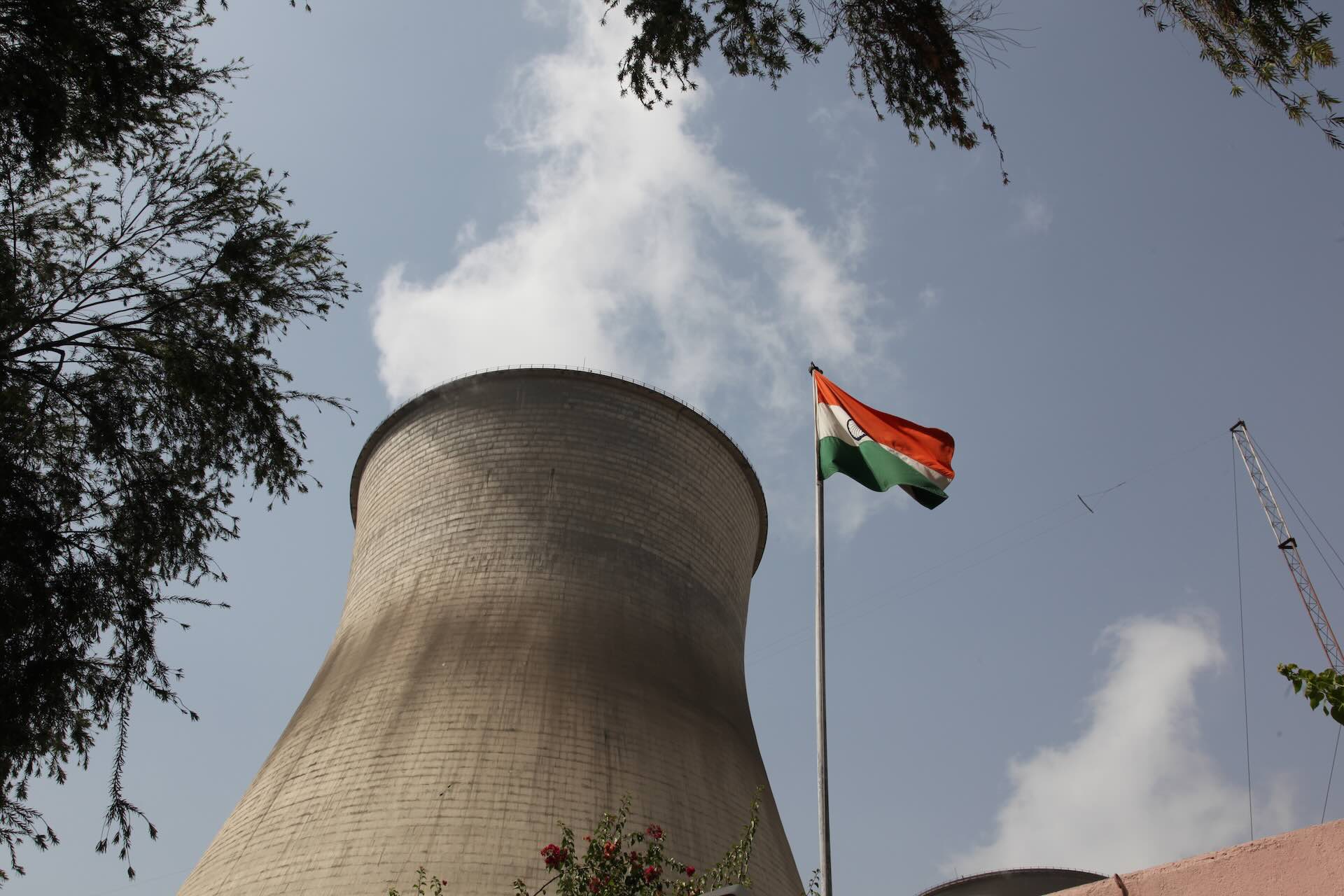
It has a large and growing fleet of nuclear-power reactors that use a design derived from Canada’s Candu reactors. Canada agreed to sell India two of those in the 1960s. It cut India off when India tested an atomic bomb in 1974, but India used the Candu technology to build reactors for itself.
A few are out of service, but 21 of India’s 25 nuclear-power reactors are Candu-style pressurized heavy-water models and it’s building more, according to the International Atomic Energy Agency.
Related Articles

Other uranium sources will work, too, but the Candu was designed to run on minimally processed Canadian uranium.
India is planning a major nuclear expansion and needs fuel to power it. Indeed, Saskatchewan’s Cameco has a new nine-year, $2.6-billion supply deal with India, signed during Prime Minister Mark Carney’s trip there in March.
“We can easily, if there is enough uranium available, go up to whatever figure you want,” Dinesh K. Patnaik, the high commissioner of India to Canada, told The Logic in a September interview.
Natural Resources Canada thinks that eagerness might not last.
“India currently imports uranium to supply their nuclear-power reactors and does not have significant domestic uranium reserves,” said Hodgson’s briefing. “However, India has world-leading thorium deposits and sees ANEEL as a potential pathway to improve domestic energy security (by reducing imports from countries like Canada).”
Ending up with a thorium-fuelled nuclear industry has always been an explicit goal of India’s atomic energy program.
Canada’s national nuclear research effort, which is helping Clean Core answer India’s demand, is ultimately the federal government’s responsibility, but it’s in a corporate structure that puts day-to-day management in American hands.
Hodgson oversees Atomic Energy of Canada Ltd. (AECL), the Crown corporation that was behind Candu nuclear reactors in the first place. AECL has a subsidiary called Canadian Nuclear Laboratories (CNL) that runs its research.
But even CNL is little more than a shell for contracting that research out.
The current contractor is an all-American-owned consortium of companies called Nuclear Laboratory Partners of Canada. It’s made up of BWX Technologies (a manufacturer of nuclear components and fuels, based in Virginia), Amentum (a nuclear engineering firm also based in Virginia) and Battelle (a non-profit research operation based in Ohio that manages multiple U.S. government labs).
A fourth formal member of the consortium, Kinectrics, is based in Toronto; it was Canadian-owned until BWX Technologies bought it in early 2025. CNL’s chief executive and its vice-president of science and technology both come from the U.S. nuclear industry.
The Logic asked what Hodgson, as the minister responsible for the Canadian nuclear sector and the overseer of the public research effort, thinks of what the U.S. consortium is doing with the Canadian scientific resources put at its disposal. His press secretary, Charlotte Power, referred the question to Natural Resources Canada’s bureaucracy.
Departmental spokesperson Mimi Galipeau passed the question of what the minister thinks about CNL’s activities to CNL.
CNL’s Lauren Kutchaw emailed a statement she said should be attributed to Jeremy Latta, the director of communications and government reporting at CNL’s parent company, AECL.
“It’s the role of Canada’s national nuclear laboratory to support the advancement of clean energy technologies,” the statement said. “Thorium fuel is being used in some research and demonstration reactors worldwide. It is still in development given its potential to support global clean energy as a nuclear reactor fuel.”
The statement noted that “uranium is required as part of the fuel cycle,” though it did not say what type of uranium. Besides thorium, ANEEL’s key ingredient is “high-assay, low-enriched uranium,” which is a type Canada doesn’t produce.
Clean Core didn’t respond to The Logic’s request for an interview.
CNL and Clean Core signed a memorandum of understanding in 2023 on work that is now behind schedule—at the time, they expected Clean Core’s technology to be commercialized by 2025. Nevertheless, they announced deeper co-operation in April this year.
The Trump administration authorized Clean Core to export its thorium-based fuel to India in September 2025.
Meanwhile, companies in the consortium running CNL have made side deals to advance the effort. In August, Clean Core reached one agreement with BWX Technologies to supply hardware for its fuel bundles, and another with Kinectrics for an “independent technical review” of the ANEEL fuel to support later licensing applications.
With files from Joanna Smith