Listen Now
0:00
TORONTO — OpenAI will give startups enrolled in the Creative Destruction Lab (CDL) free credits to use its AI tools, and is committing to help the most promising ones develop their technology.
The tie-up with OpenAI will let firms working with the incubator “incorporate frontier AI into their inventions at the earliest stages,” said Sonia Sennik, CDL’s CEO.
Related Articles
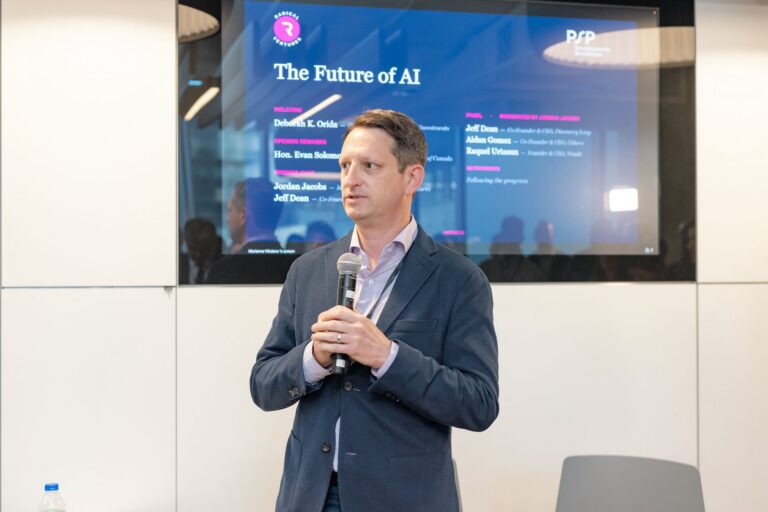
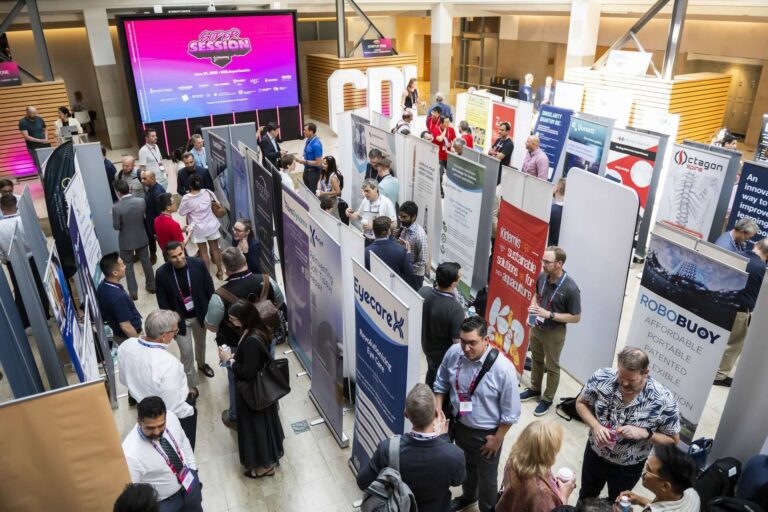
CDL particularly focuses on deep technology startups that are commercializing science in fields like AI, quantum, defence and space. “We think this will significantly accelerate their innovation capability,” said Dev Saxena, OpenAI’s head of Canada policy and business affairs.
The accelerator puts participating firms through a nine-month program guided by mentors drawn from the ranks of investors, founders and scientists. Headquartered in Toronto, the organization runs cohorts at universities around the world.
Developers are increasingly applying AI to scientific fields like physics and chemistry as frontier models increasingly become able to come up with, run and learn from experiments. “Scientific discovery is absolutely a vector that we think there’s going to be significant progress in,” said Saxena. “So the fit in that sense is fantastic.”
OpenAI declined to disclose the dollar value of the credits each firm will receive, but Saxena said it will increase as companies move through the program. Not all the startups in a CDL cohort graduate; their progress is measured in eight-week stints. Top participants identified by CDL will receive more support from OpenAI staff.
The accelerator works with about 700 firms a year. Its most successful Canadian alumni include AI agent firm Ada, semiconductor startup Tenstorrent, quantum computer developer Xanadu and robotics company Vention. CDL is also using the data from its program and AI models to help identify characteristics of successful science-based startups.
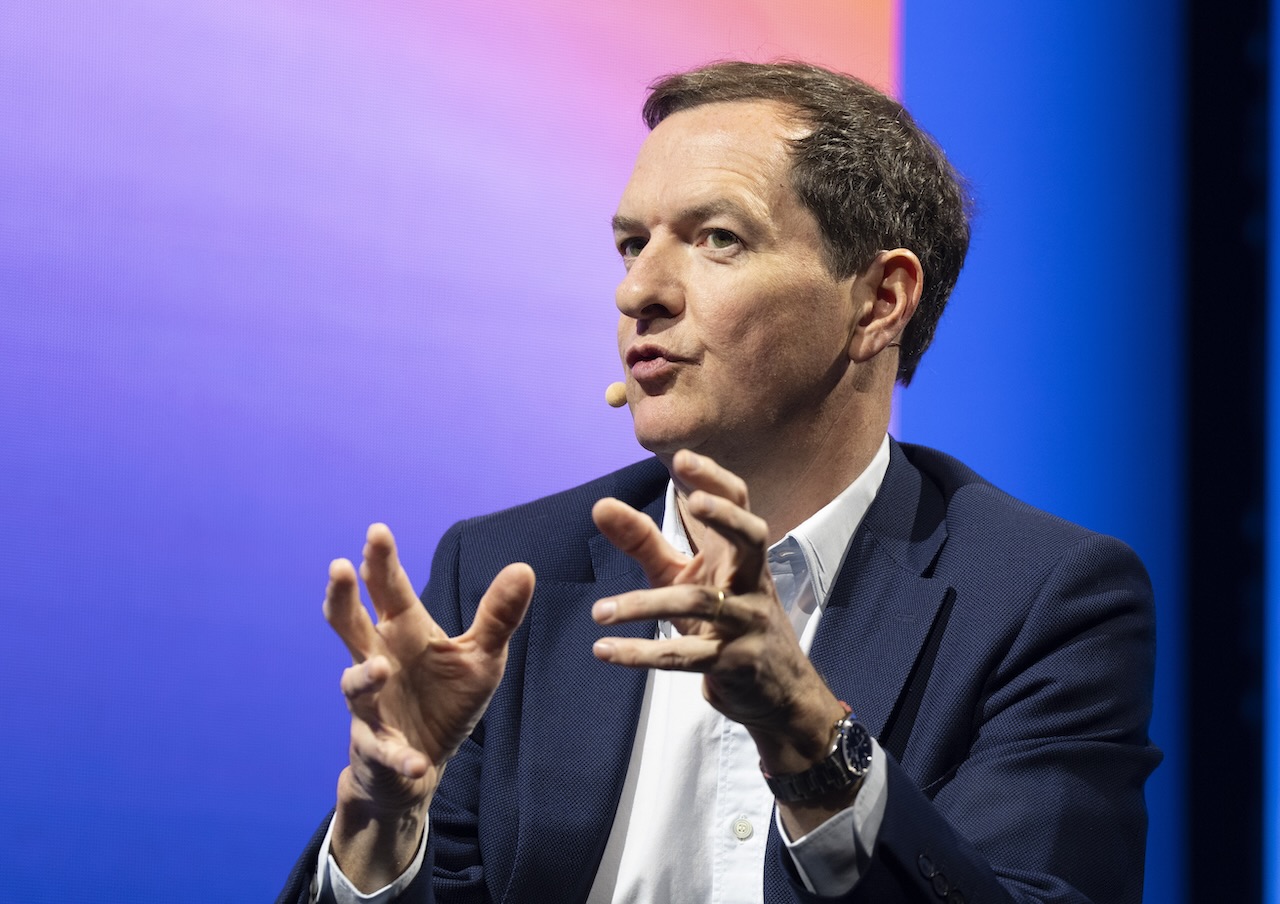
In a statement, George Osborne, head of OpenAI for Countries, called it “one of the jewels in the crown of the Canadian tech economy.”
Osborne attended the Canada Investment Summit in Toronto on Tuesday, and spoke at the All In AI conference in Montreal on Wednesday. OpenAI for Countries localizes ChatGPT and its underlying models for a nation’s particular customs and the requirements of its public sector. It is also offering to build data centres for countries that help pay for the infrastructure.
OpenAI’s main rival, Anthropic, also offers special access to Canadian startups and researchers. In July, it announced $10 million of Claude credits for researchers at Amii, Mila AI institute and the Vector Institute, as well as some hospitals. Startups linked to the three Canadian AI institutes will also be able to get US$5,000 worth of access each to its models.
OpenAI hopes to develop longer-term relationships with the firms it works with through the program, Saxena said. “We think we’re adding to the Canadian innovation toolkit.”