Listen Now
0:00
CALGARY — Pembina Pipeline is already in talks about expanding the power plant it is building to supply Meta’s $13-billion Alberta data centre, while new corporate and regulatory filings suggest it is laying the groundwork for an even bigger project nearby.
Alberta land records show a newly incorporated company linked to Pembina acquired 134 acres in Sturgeon County, Alta., last month—the same area where recent filings with Alberta’s electricity grid operator identify a massive proposed data-centre development called Lynx. At up to 3.6 gigawatts, Lynx would dwarf Meta’s existing one-gigawatt campus.
Talking Points
- A company linked to Pembina Pipeline and its partners has acquired roughly 134 acres northeast of Edmonton, near the power plant they’re building for Meta’s $13-billion data centre
- Regulatory filings identify a proposed 3.6-gigawatt data centre, dubbed Lynx, and nearby gas-fired power plants on the same land
- Pembina executives say supplying electricity to data centres is a scalable, long-term business for the pipeline company
The filings also identify a proposed gas-fired power plant nearby called Sturgeon Gas, with enough potential generation capacity to supply Lynx’s enormous electricity needs.
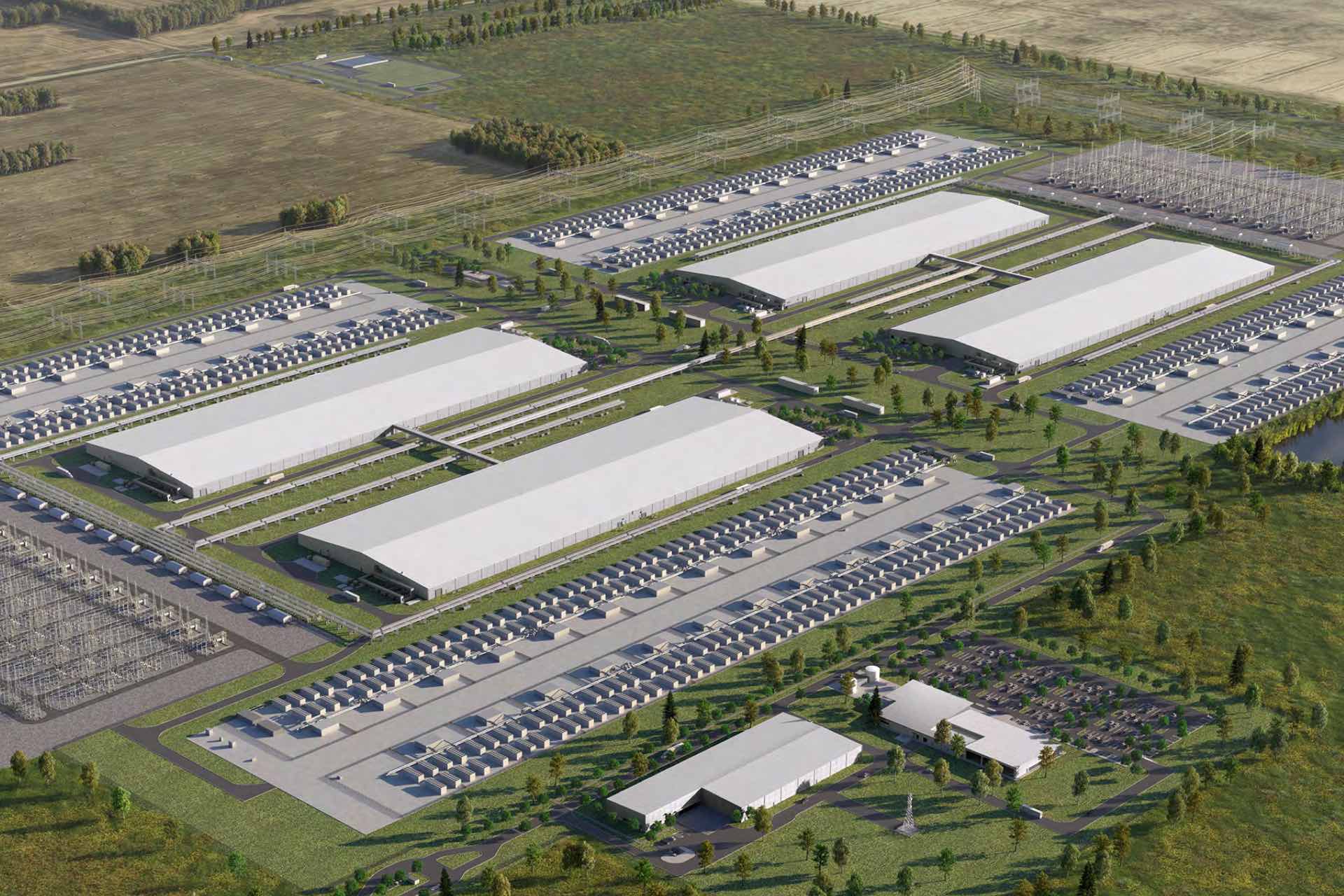
Pembina and its partners have acquired land next door to its Greenlight Electricity Centre currently being built for Meta’s Sturgeon Data Centre project, The Logic has confirmed. The company’s head of communications, Rachel Wenger, declined to elaborate on plans for the property, but Pembina chief executive Scott Burrows offered a glimpse during the company’s third-quarter earnings call. “We’ve always said we see this as a business, not a project,” he said. “The existing site we have today is not only licensed for 1.8 gigawatts—so double what we’re building today—but we also have significant industrial zone land right beside the existing project.
“So we are feeling confident about future development phases.”
Related Articles
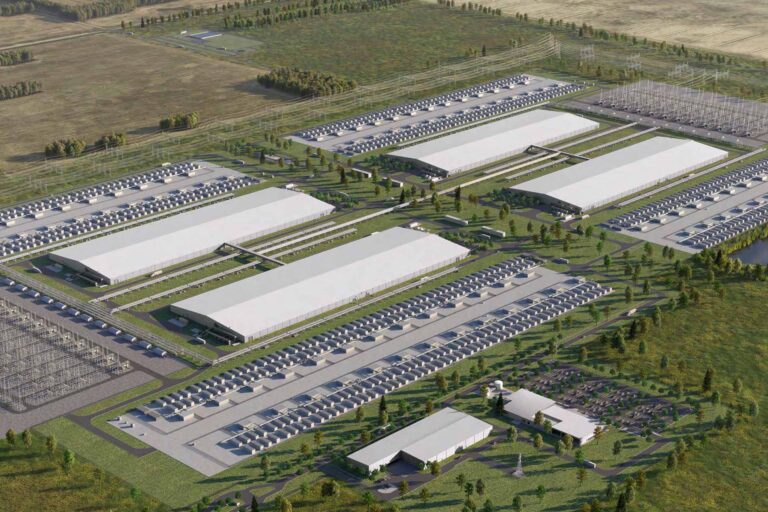
On the same call, Pembina disclosed it is in talks to nail down commercial agreements required for the next phase of Greenlight’s development, including commitments for turbines and grid connections. That phase could see Meta’s Alberta data-centre campus—the tech giant’s largest outside the United States—double in size, although the expansion has yet to receive a final investment decision from either Pembina or Meta.
Meanwhile, the proposed Lynx and Sturgeon Gas developments—which are distinct from Pembina’s potential expansion of Greenlight—would represent much greater power-generation ambitions than the company has publicly acknowledged.
The Logic has identified at least four executives from the companies backing Greenlight, which include Morgan Stanley Infrastructure Partners and power developer Kineticor, among the listed directors of the recently incorporated company that owns the land where Lynx and Sturgeon Gas are to be located.
The Logic has identified at least four executives from companies involved in Greenlight among the directors of a recently incorporated Alberta company that owns the land where Lynx and Sturgeon Gas power developments are to be located. They include Pembina chief operating officer Jaret Sprott, and chief marketing and strategy officer Chris Scherman; as well as Daniel Barbosa, who led Morgan Stanley Infrastructure Partners’ investment in Greenlight.
The new multi-gigawatt data-centre project and gas plant proposals are still in the earliest stages of Alberta’s electricity grid-connection process, but filings to the Alberta Electric System Operator (AESO) describe a phased data-centre development alongside two proposed gas-fired power plants targeting an in-service date in June 2031.
Pembina described supplying electricity to data centres as a “significant and scalable growth opportunity,” in its third-quarter earnings release, hinting at more projects to come.
“We’re certainly positioning ourselves to make this a business beyond Greenlight One,” Chris Scherman, Pembina’s chief marketing and strategy officer told analysts on Friday.
No hyperscale customer has yet been publicly identified for the massive project, but it could become the third major AI data-centre development proposed in Sturgeon County, after Meta’s project and Beacon Data Centers’ 800-megawatt Heartland project, which The Globe and Mail reported Anthropic is in talks to lease.
Pembina appears to be laying groundwork for a larger push into the data-centre power generation business just as the results of the U.S. midterm elections raise questions about political resistance to the power-thirsty facilities—including whether the pushback could direct investor interest north of the border.
At the same time, data-centre developers are being drawn to the area northeast of Edmonton—dubbed Alberta’s Industrial Heartland—for its cheap natural gas and concentration of industrial development and infrastructure. Alberta’s largely deregulated electricity market is another draw, as it lets developers strike deals with independent power producers to secure enormous amounts of electricity.
The Alberta government is keen to attract such projects because they offer a significant new domestic market for the province’s gas producers, driving increased royalty revenues in the process.
However, the sheer volume of data-centre proposals seeking access to the power grid represents enough energy demand to overwhelm Alberta’s electricity system. Developers have applied for connections requiring more than 27 gigawatts of electricity, according to an analysis of AESO’s latest project list. That’s more than twice the province’s record peak electricity demand.
So far, the province has responded by temporarily capping grid access and introducing new bring-your-own-generation rules for major projects.
The Alberta government is also expected to introduce legislation governing data-centre development as early as next week, which could establish new limitations on where the facilities can be built, including setbacks from neighbouring properties and measures to protect farmland.