Listen Now
0:00
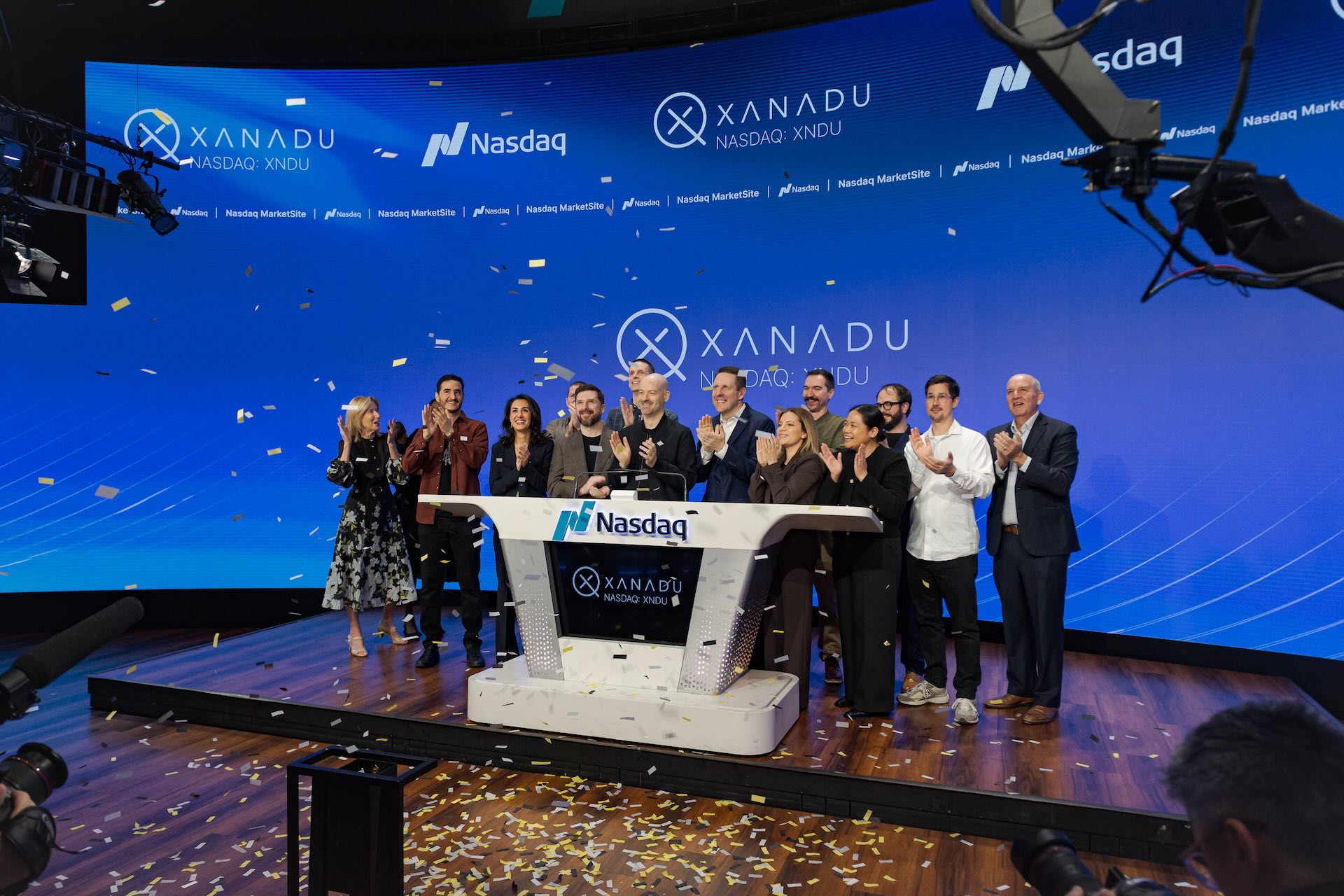
TORONTO — Quantum computing firm Xanadu went public on Friday on both the Nasdaq and Toronto Stock Exchange (TSX), joining a handful of contenders in the disruptive technology field courting retail investors. The stock closed up 15 per cent on the Nasdaq, even as U.S. markets in general fell.
Xanadu doesn’t really make money yet, so investors are betting that the firm will be one of the winners in the yet-to-materialize market for quantum machines capable of solving problems that classical systems can’t work out fast enough, or at all.
Related Articles
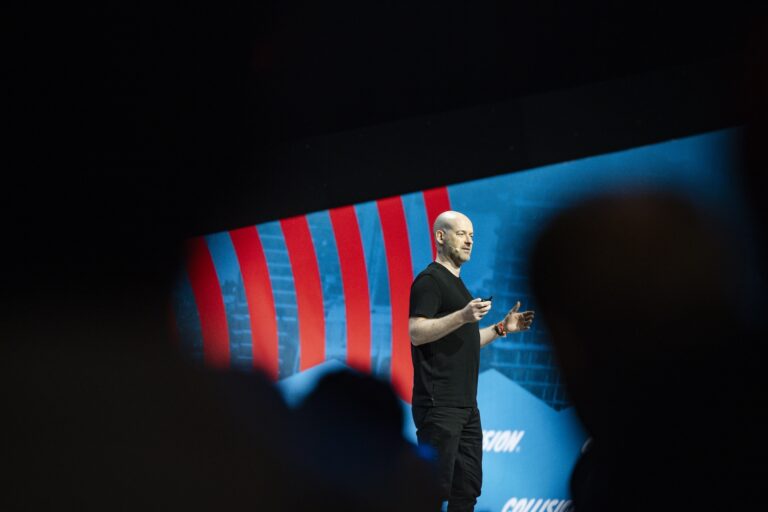
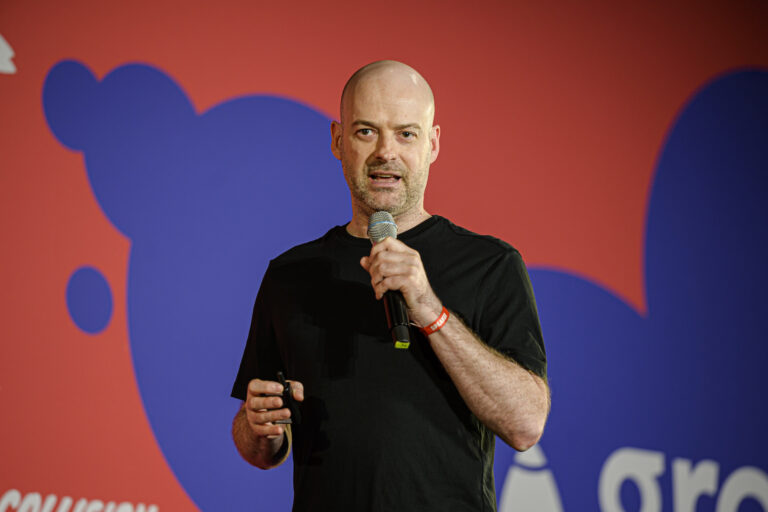
“It’s not happening today or tomorrow—revenue is not the main factor to judge us on,” Xanadu CEO Christian Weedbrook told The Logic, citing hardware progress and commercialization partnerships as better indicators.
On Thursday, Xanadu completed its merger with Crane Harbor Acquisition, a special-purpose acquisition company (SPAC), in a deal first announced last November. Xanadu ultimately raised US$302 million in its go-public deal, with US$275 million of that coming from selling shares in advance to the likes of AMD, the asset management units of BMO and CIBC, and previous backers Georgian, OMERS Ventures and Bessemer Venture Partners.
Xanadu also received US$27 million from Crane Harbor’s investors, a fraction of the US$225 million the SPAC had originally raised after a supermajority of holders chose to take back their money.
Weedbrook said the firm expected the clawback, since Crane Harbor’s stock had been trading below its issue price amid a wider market slump. Xanadu also raised more in its pre-listing private sales than rivals that announced their SPACs after it did, like Horizon Quantum and IQM. “We timed that well,” Weedbrook said.
Xanadu will use the new funding to continue to develop its technology, expand its in-house manufacturing capacity and capabilities, and build a US$1-billion quantum data centre that it aims to open in Toronto in 2029. It’s also in talks for $390 million in financing from the federal and Ontario governments to help pay for those projects.
After seven months spent preparing for the listing, Weedbrook is keen to get back to working on Xanadu’s technology. “The most exciting thing for me is putting money to work in terms of building this large-scale quantum computer,” he said. Xanadu’s photonic approach uses the properties of light to calculate and network, which the firm claims scales up more easily than competitors’ technologies.
The company plans to sell the processing power the data centre generates via a cloud service to businesses and government agencies. It’s working with automakers like Toyota and Volkswagen to use its technology to virtually test potential battery materials, and with Rolls-Royce to simulate airflow over jet engines. Xanadu hopes to take a cut of any new innovations developed using its quantum computers, much as OpenAI has proposed to do with discoveries generated with the help of its AI models.
The Canadian firm will also sell full quantum computing systems to clients like security agencies and national labs that want to run and own their hardware. It could also one day license any breakthroughs it makes in photonics, software and chip packaging to firms in other industries.
Xanadu is the first Canadian technology company to hit the TSX since AI firm Coveo’s initial public offering in November 2021, which capped a surge of pandemic-era listings. Many of the firms that went public during that spell traded poorly, and have since been taken private again, including BBTV, Copperleaf, Magnet Forensics, Nuvei, Payfare and Softchoice. Several companies that listed via SPAC deals, both in Canada and elsewhere, have also struggled.
Weedbrook founded Xanadu in September 2016 following a post-doctoral fellowship at the University of Toronto. Post-listing, he’s set to own a 15.6 per cent stake, and have about 17.9 per cent of the votes under the firm’s dual-class share structure.
Repeat backer Georgian will have a stake of almost 10 per cent. The Toronto-based investment firm first bought into Xanadu in its US$32-million Series A round in June 2019 and led its US$100-million Series C in November 2022. Georgian also put another US$2 million into the firm as part of the go-public deal.
The share prices of publicly traded quantum computing companies have swung significantly in recent months as markets took in the promise and timelines of the technology. Sector stocks popped in the fourth quarter of 2024 on claims of scientific breakthroughs, and as trading activity from AI spilled over into quantum. They then dropped in January 2025 when Nvidia CEO Jensen Huang said he thought “very useful quantum computers” could be between 15 and 30 years away. Last June, Huang said the technology was in fact nearing “an inflection point,” and the stocks began rising again.
The sector’s gains have been more subdued this year. The S&P Kensho Global Quantum Computing Technologies Index was up 8.53 per cent in 2026 through Thursday, compared to its 81.35 per cent one-year return. Still, the index handily beat the S&P 500’s year-to-date decline of 5.38 per cent.
“We’re now filling a vacant spot as a photonics-based quantum computing company being public,” Weedbrook said.














