Delivery companies have been through an economic crucible—and their trials could yield important lessons for other businesses.
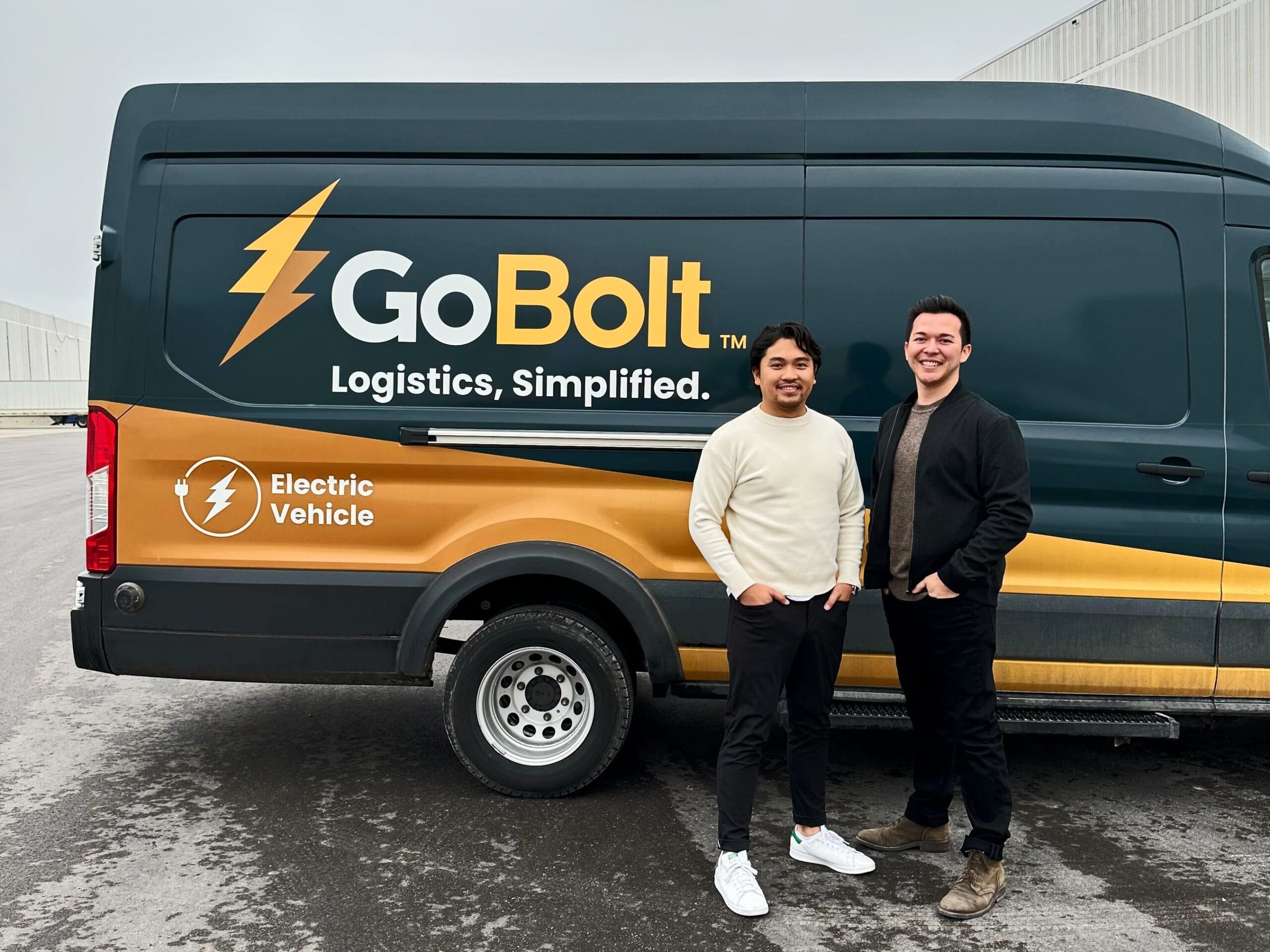
Toronto logistics company GoBolt became an early EV adopter, quickly building a fleet of electric delivery vans as the COVID-19 pandemic sparked a surge in e-commerce.
“It was not an amazing experience for us,” CEO Mark Ang said.
Ang is proud of the company “having the ability to take on some bumps and bruises” of the early, version-one electric delivery vehicles. Sometimes their range in cold-weather range was unpredictable. To get the electricity the company needed to charge its fleet, GoBolt had to install shipping containers on its lots, and have them assigned unique street addresses, letting them secure additional power supply from the electric utility.
“We’re able to look at some of those learnings as tuition on how to properly run an EV fleet,” he said. “What’s been true for us is that we’ve had to reinvent our technology stack and some of the ways we think about route management … to accommodate EVs.” The company has continued to buy electric.
Why it matters: Increased freight activity means that emissions from medium- and heavy-duty vehicles are on pace to surpass Canada’s passenger car emissions by 2030, according to clean-energy think tank Pembina Institute. Pembina transportation director Adam Thorn said that could also impact urban air quality.
Ang worries that fairweather EV fans may not stick with zero-emission vehicles if they get frustrated setting up chargers and filling out rebate paperwork—whereas at GoBolt, he said, “We’re gluttons for punishment.”
Ang’s comments reflect a larger trend in the EV industry, which is trying to cross the chasm from early adopters to the mainstream. Last-mile delivery companies like GoBolt have been early to EVs because it’s a category “well-suited to electrification,” said Thorn.
The question is whether other industries can adapt and scale the same way. Eric Mallia, vice-president of sustainability solutions at Oakville, Ont.—based fleet management company Geotab, said utility companies and food- and beverage- companies are now piloting EVs.
Automakers are hoping medium- and heavy-duty EVs catch on. General Motors will begin selling Ontario-made BrightDrop electric delivery vans in Mexico later this year, and Ford’s Pro fleets division has been a bright spot in its financial results.
The view from your doorstep: Joe Lombardo, vice-president of network operations at Purolator, estimates that for 60 per cent or more of its fleet, issues like low battery range and electricity usage won’t be an issue over the next three to four years.
But Lombardo acknowledged that electrifying rural routes may be more of a challenge, and large hubs that are home to 150 vehicles will require Purolator to think more like an industrial electricity user to avoid extra fees for charging at peak times.
Read Shift—The Logic’s authoritative weekly newsletter on automotive technology industry news—for more; and if you know someone who should be reading it, they can sign up here.