The world is scrambling to secure rare earth metals after a policy upheaval in China—and Canada could benefit.
Beijing announced last week that it would be tightly monitoring export licenses for rare earths, alarming manufacturers of everything from earbuds to electric vehicles to defence drones. The country mines about 60 per cent of the globe’s rare earths and processes nearly 90 per cent of the materials, which go into magnets used in many electronics. It has indicated that it will stop at nothing to combat tariffs imposed by the White House on Chinese goods.
The escalation may open opportunities, though, for companies in countries like Canada, which are less exposed to the trade war. Even before China’s latest moves, Canadian firms that process rare earths or manufacture alternatives were making deals from Seattle to Saskatoon to southwestern France.
Cyclic Materials CEO Ahmad Ghahreman was in France this week, where chemical group Solvay launched an expanded rare-earth processing plant in the southwestern coastal city of La Rochelle. Ontario-based Cyclic, which recycles rare earths, has an offtake agreement with the chemical giant that will see Cyclic ship reclaimed minerals from Kingston, Ont., to France.
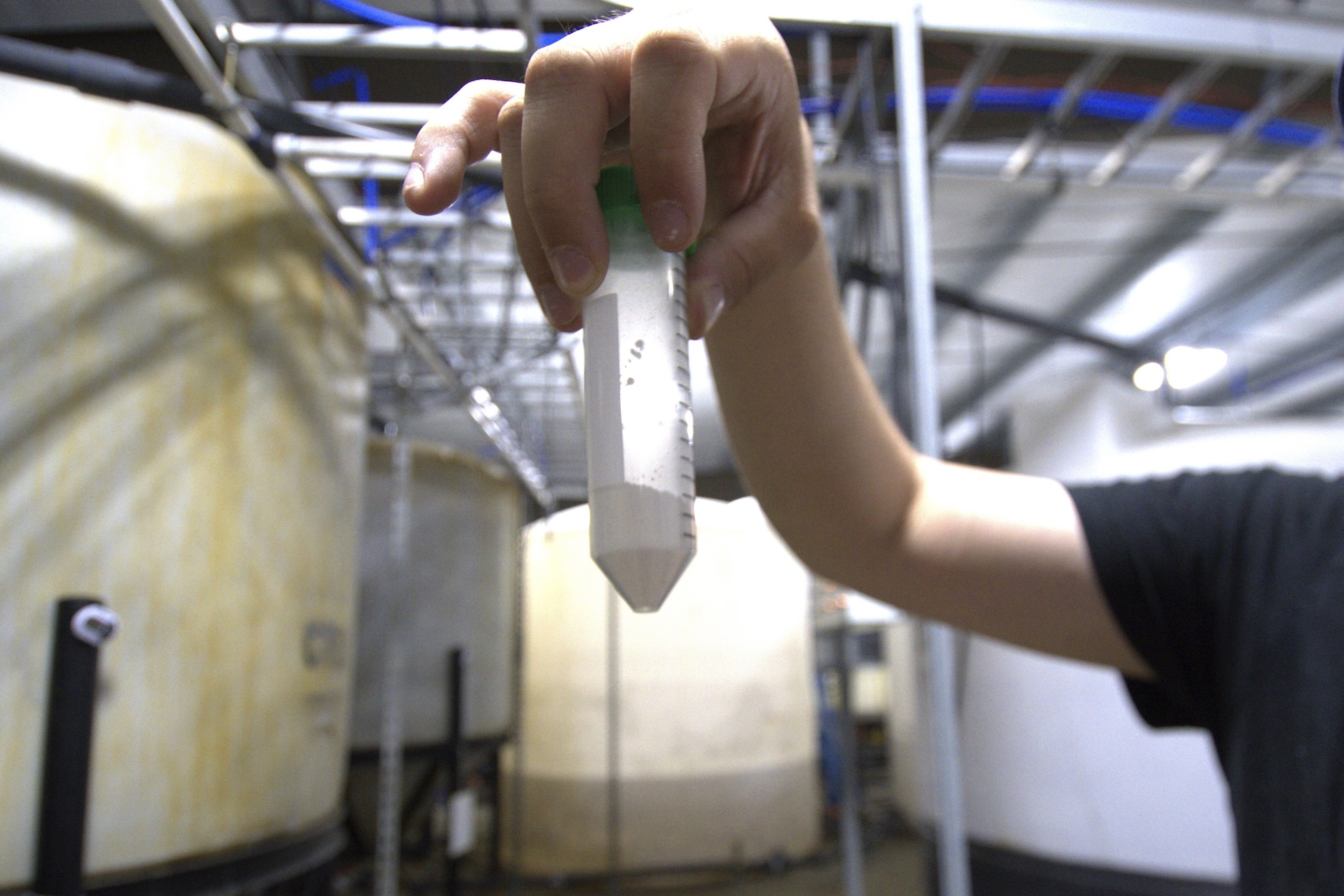
Cyclic also announced earlier this month that Seattle-based Amazon was investing in the company. While it can take years to get mines into production, North America and Europe have the world’s largest “overground deposits” of rare earth materials sitting in old electronic devices, Ghahreman said. Now, there is more incentive to harvest those magnets from electronic junk to use in new devices, like EV motors.
“More than ever before, I believe the manufacturing industry outside China has come to the conclusion that they have to fast-track,” said Ghahreman.
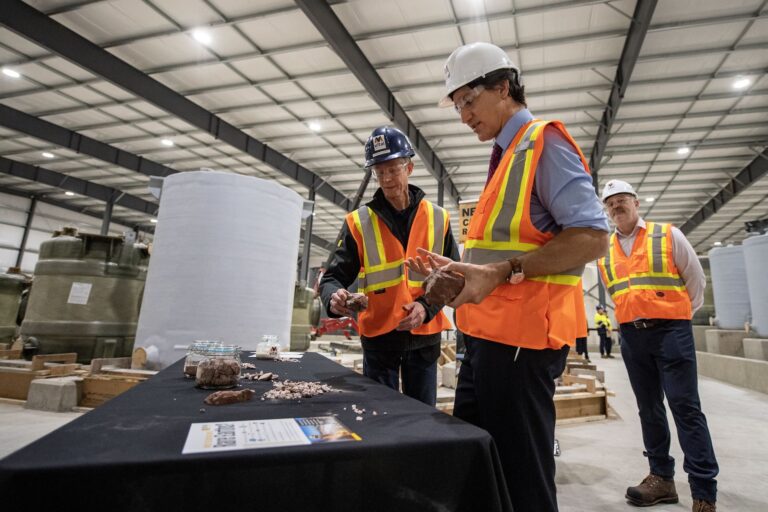
Cyclic Materials isn’t the only company making moves. The Saskatchewan Research Council’s rare-earth processing facility expects its metal smelter to be fully operational by the second half of the year, and has deals for supply from South America and Africa, as well as clients in Canada and Europe. There’s also interest in alternative technologies that would lessen dependence on China’s rare earths. Ali Emadi, CEO of the Canadian startup Enedym, posted on LinkedIn that he had met with 12 companies and institutes in Japan to discuss their rare-earth-free motors, posting photos at the offices of major automakers like Subaru and Nissan.
In a press release, Pat Ryan, CEO of Nova Scotia-based UCore, said China’s policy change “highlights the urgent need for a robust and independent rare earth supply chain in North America.”
There is still uncertainty about how U.S. President Donald Trump’s administration plans to implement tariffs on the metals, after it gave a break to certain rare earth products but left manufactured magnets largely exposed to the levies, said Ryan Castilloux, managing director of Toronto-based Adamas Intelligence, which tracks the rare earth supply chain. Cyclic, meanwhile, is urging the U.S. government to provide clarity, and more exemptions.
Despite the uncertainty, Castilloux said that emerging companies working on rare earth tech, including those in Canada, will likely benefit from a government and industry push to build a supply chain for the minerals outside of China. When Beijing briefly imposed export restrictions on the elements in 2010 and 2011, after all, it prompted the EV industry to seek alternative technologies for years afterward.
Regardless of how long the trade war lasts, he said, it has “galvanized resolve in the U.S. and in Canada and in Europe to build these supply chains.”
“The stakes are just too high.”
Read Shift—The Logic’s authoritative weekly newsletter on automotive technology industry news—for more; and if you know someone who should be reading it, they can sign up here.