Rare-earth magnets are a messy part of the EV supply chain—and, some Canadian companies say, an area ripe for innovation.
The market for rare-earth oxides is expected to grow fivefold by 2040, according to a recent report from Toronto-based consulting firm Adamas Intelligence, amid a rise not only in demand for electric vehicles, but for other booming technologies like wind turbines and cloud-computing centres. Magnets containing rare-earth elements like neodymium, combined with other metals, are prized for making highly efficient electric motors called permanent-magnet motors.
“We are moving towards a future that has more and more robots in our lives…if they have arms or they move, they usually have an electric motor,” said Ahmad Ghahreman, CEO and co-founder of Kingston, Ont.-based Cyclic Materials, which recycles rare-earth elements in addition to other critical minerals.
“We are electrifying our society—for instance, think of electric lawn mowers. You’re putting very expensive, valuable batteries on those products… it’s just the right thing to put more efficient motors on them to use the power or electricity wisely.”
Despite the demand, rare earths are nonetheless a difficult business—as evidenced by Vital Metals’s decision last month to pause its plans for a Saskatoon rare-earths processing plant in search of a more sustainable business model. China dominates the industry, and has threatened as recently as last month to ban or restrict exports of technology to process the elements. Plus, there are qualms about the messy mining process that’s the status quo in the industry.
Most deposits of rare-earth elements are radioactive, said Ghahreman, whose company raised a US$27 million Series A round last month led by Energy Impact Partners (EIP) and BMW i Ventures. Extracting them safely isn’t easy. “The water consumption is enormous. It comes with a lot of chemical consumption, and eventually you have to put those chemicals somewhere,” he said.
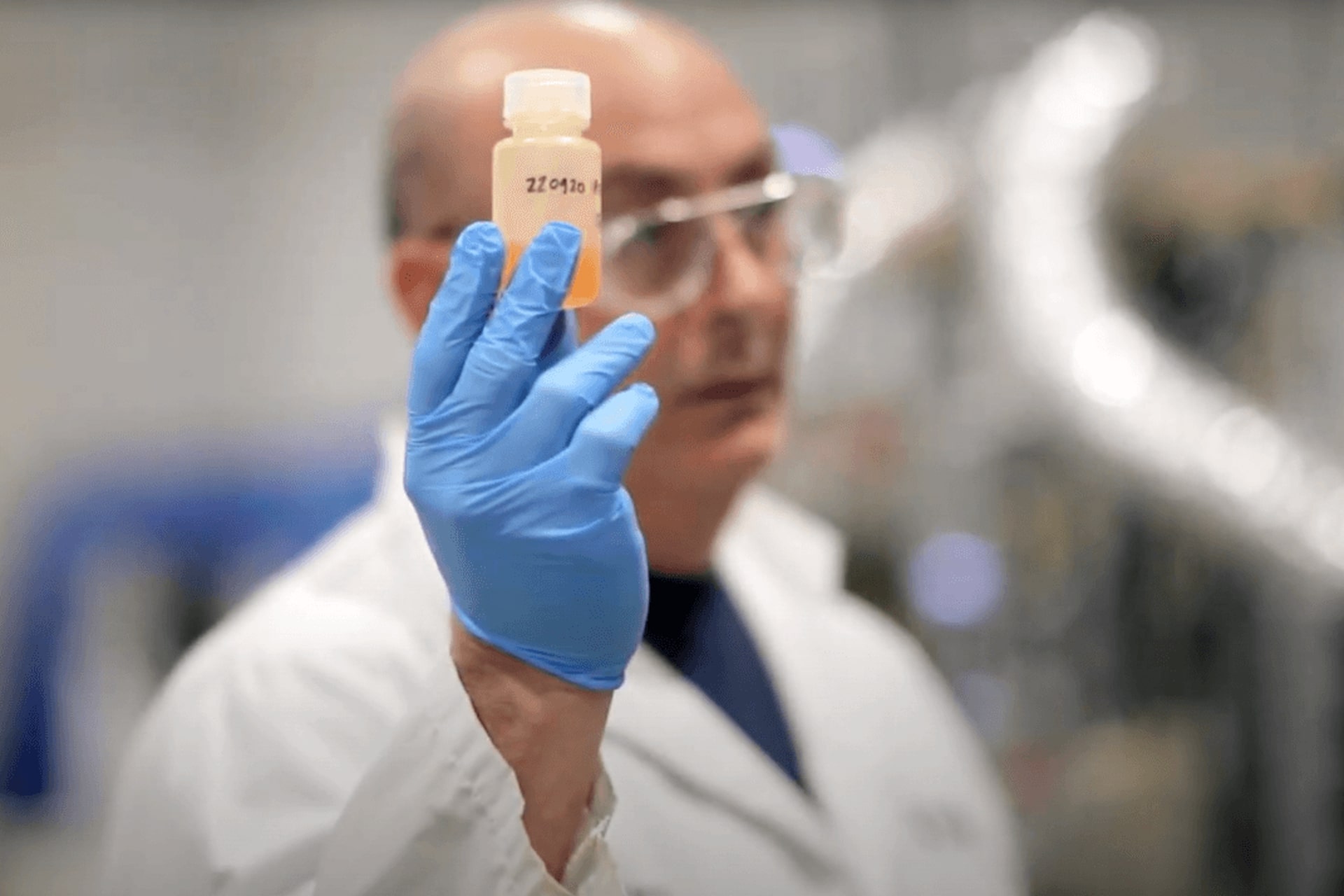
Automakers are now looking to startups like Cyclic Materials, or even government and university labs, for cutting edge ideas: either build motors that work without rare-earth based magnets, or recover metals from old motors. For example, the U.S. National Science Foundation developed a process to bake, shred and dissolve the motor of a Chevy Spark to extract rare-earth oxide powder, which can be used to make new motors.
In March, Tesla said it now uses 25 per cent less heavy rare earths, and designed its next drive unit with a permanent magnet motor that does not use any rare-earth materials.
Ali Emadi, CEO of Hamilton, Ont.-based Enedym and a professor at McMaster University, struck a deal last year with Toyota Tsusho Canada to make magnet-free motors for small commercial “tugger” vehicles used at airports and manufacturing plants.
Emadi said Canada is well-positioned to be a leader in the electric-motor industry, including magnet-free motors, given its expertise in software and power electronics.
“If you look at the electric motor industry, it is a massive industry … over 90 per cent of [cars], they use permanent magnet electric motors, they need rare-earth metals,” he said.
“In North America, the processing is not that clean … We need a gigafactory for electric motors and nobody’s talking about it.”
Read Shift—The Logic’s authoritative weekly newsletter on automotive technology industry news—for more; and if you know someone who should be reading it, they can sign up here.