Stock traders are seeing red when it comes to the auto industry.
It’s been a rough earnings season. Toyota saw shares fall 7.5 per cent yesterday despite reporting record quarterly profit, as its success in the hybrid market failed to boost its outlook for the year.
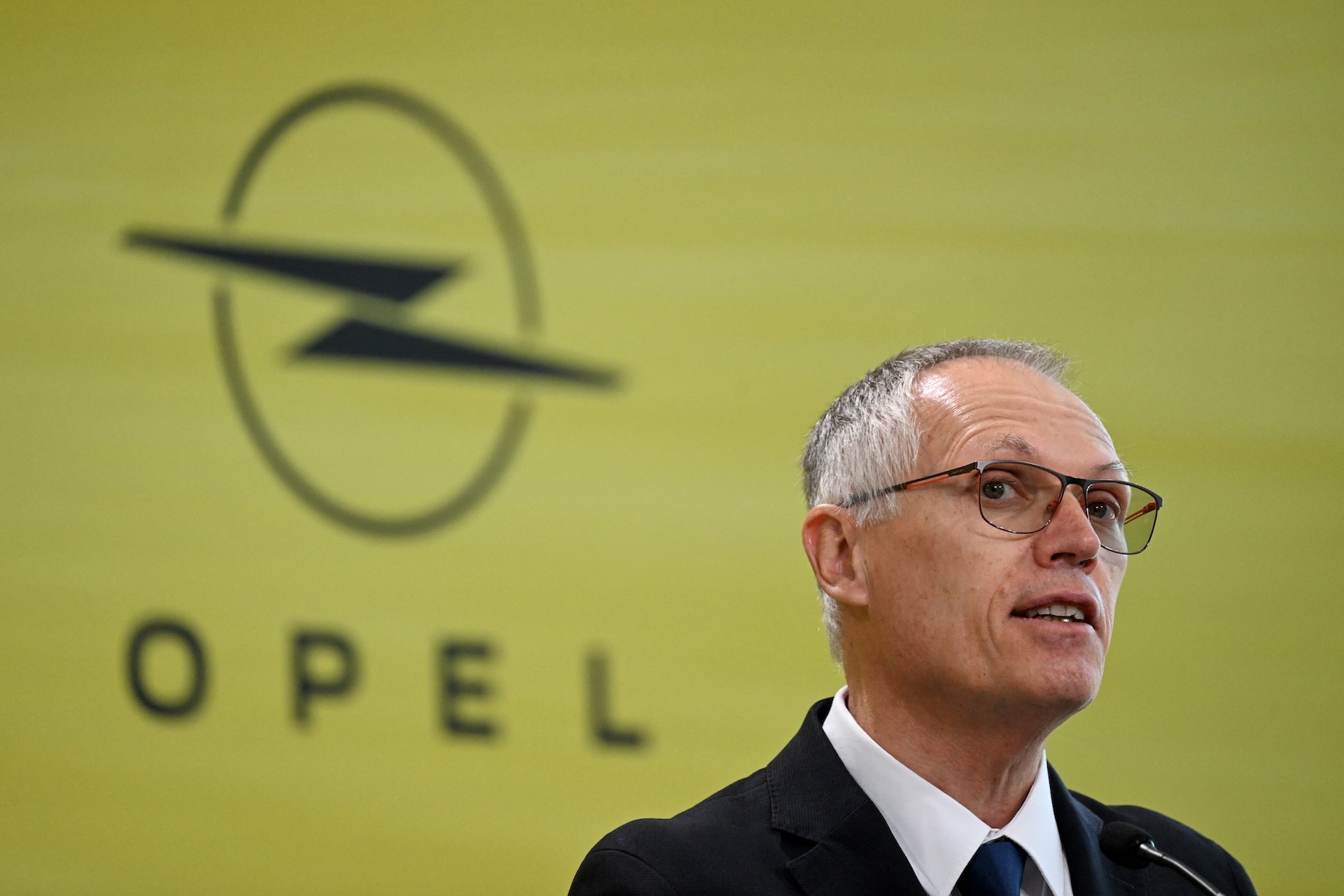
Investors were even more bearish on Ford, which saw its stock fall 18 per cent on July 25 after its earnings report, and Tesla, which also saw a post-earnings selloff. Stellantis CEO Carlos Tavares opened its earnings call by telling analysts “it is an understatement to say that [the first half of] 2024 results were disappointing and humbling.”
Here’s what went wrong—and what automakers plan to do about it.
Taking a strategic breath:
By this time last year, automakers had committed to increase the number of models on the U.S. market from about 450 to about 650 by 2027–2028, in large part because of the transition to EVs. They’ve discovered the demand isn’t quite there, and they’re taking a more measured approach to investing in product development.
Stellantis’s Tavares noted that plans for a “product blitz” explained some of the cash flow issues the firm faces. Nissan saw profits fall 99 per cent in the first fiscal quarter, and was pressed about its lack of hybrid models. CEO Makoto Uchida said it is under discussion but they must prepare for new models. “We have to do this right.”
Meanwhile in Canada, beleaguered Quebec EV maker Lion Electric saw shares fall over 18 per cent on Wednesday after it reported a second-quarter net loss of $19.3 million, steeper than the $11.8-million loss reported this time last year, amid fewer vehicle deliveries. It plans to cut about 300 jobs, or 30 per cent of its workforce, in its fourth round of layoffs announced over the past year.
Many of those jobs will be in product development, CEO Marc Bédard said, “considering that the development of new platforms is now behind us.”
Focusing on business-to-business:
One of Lion Electric’s turnaround plans is to sell its battery packs to other industries, like aerospace.
Ford CEO Jim Farley said his company’s Pro business division, which sells commercial vehicles as well as data services and fleet-tracking software, is helping it cope with the “intensifying” rate of change. For example, Farley said, there’s still a big untapped market for commercial vehicles like ambulances, which are built using Super Duty chassis. The company recently delayed plans to build EVs in Canada in favour of producing Super Duty vehicles.
Instead of hyping the next new vehicle launch, Tesla CEO Elon Musk focused the company’s conference call on the prospect of using its cars for a robotaxi ride-hailing fleet.
Fretting about China:
As Chinese automakers like BYD, Nio and XPeng churn out new products every few months, global automakers are wrestling with what to do about their existing businesses in what was once a massive and growing market.
“We are fighting as international brands,” said Nissan’s Uchida, pledging to cut fixed costs in its operations in China and work with local partners. “We cannot be optimistic.”
The takeaway: With heavy competition from China, and North American and European buyers sitting on the sidelines despite product “blitzes,” automakers are instead looking at new, long-term business plans like selling batteries or software.
“Saying that Q2 earnings for the auto industry are off to a challenging start,” wrote CIBC analysts Krista Friesen, Kevin Chiang and Jonathan Mossiagin, “might be putting it mildly.”
Read Shift—The Logic’s authoritative weekly newsletter on automotive technology industry news—for more; and if you know someone who should be reading it, they can sign up here.