Toronto-based investment giant Brookfield is in discussions to raise a new $50-billion fund, and is seeking backing from some of Canada’s largest pension funds and the federal government, The Logic has learned.
Skip to content
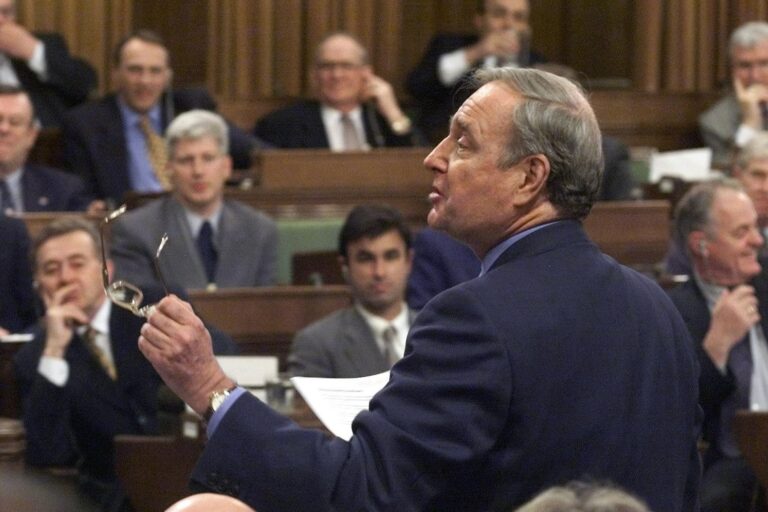
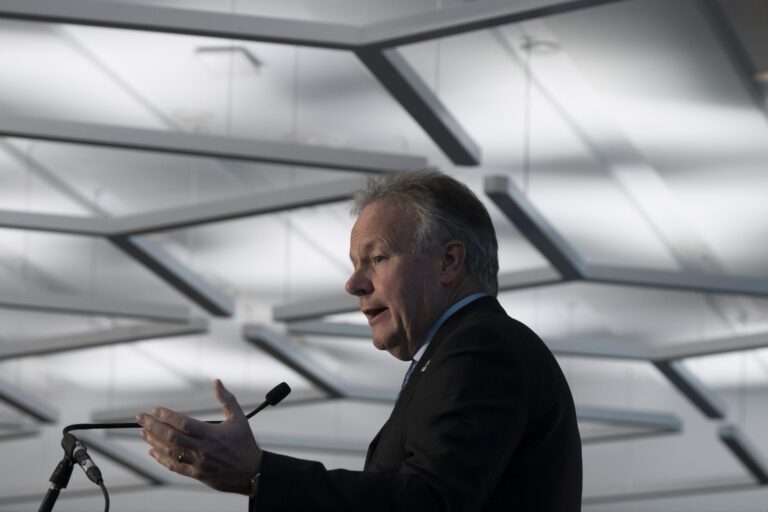
 Former Bank of Canada governor Stephen Poloz at a business conference in Ottawa in November 2022. Photo: The Canadian Press/Adrian Wyld
Exclusive
Brookfield in talks with Canadian pensions to create new $50B fund for domestic assets
The firm is seeking $36B from pensions and $10B from the federal government, sources said
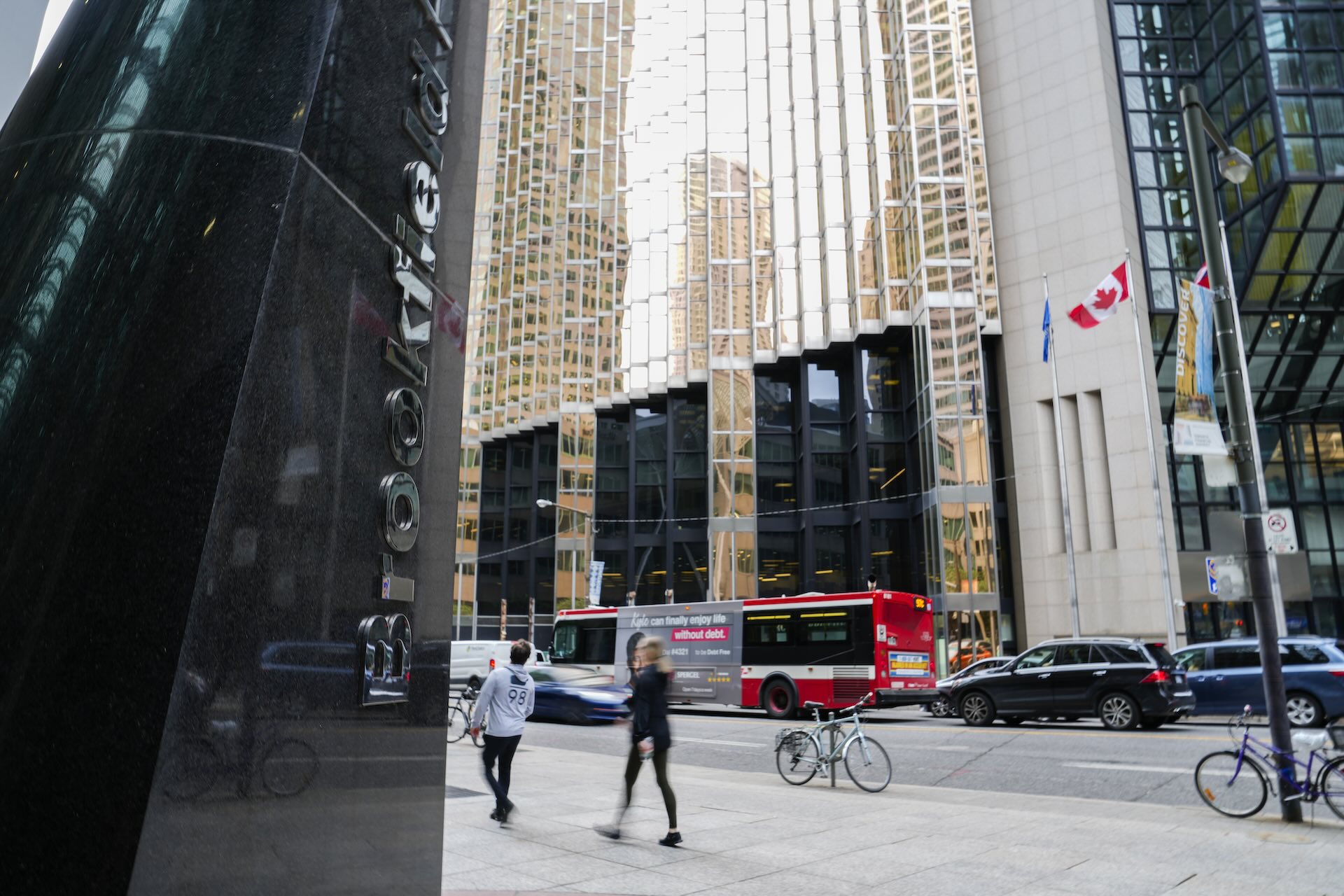
Toronto-based Brookfield is proposing to lead a new $50-billion fund focused on Canadian assets. It would be funded mostly by the country’s pension funds, which are under pressure to invest more at home. Photo: The Canadian Press/Andrew Lahodynskyj
Toronto-based investment giant Brookfield is in discussions to raise a new $50-billion fund, and is seeking backing from some of Canada’s largest pension funds and the federal government, The Logic has learned.
Brookfield, which would administer the fund, is looking for $36 billion in commitments from a group of pension funds and $10 billion from Ottawa, according to two sources with direct knowledge of the proposal. Brookfield itself would contribute $4 billion, said the sources, whom The Logic agreed not to name because of the sensitivity of the discussions.
Talking Points
- Brookfield is proposing to lead a new $50-billion fund focused on Canadian assets. The Toronto-based investment giant is seeking $36 billion from pension funds and $10 billion from the federal government.
- The discussions come amid pressure on Canada’s pension funds to invest more at home
Brookfield began pitching pensions on the fund a few weeks ago, according to the sources. Three sources said the pensions had not yet committed to the fund. One said it would be premature for the pensions to commit to invest at such an early stage of discussion.
Brookfield did not respond to The Logic’s request for comment, and spokespeople for the country’s eight largest pension funds either declined to comment or did not respond before publication.
The Brookfield proposal comes after Finance Minister Chrystia Freeland tapped former Bank of Canada governor Stephen Poloz in April to consult the country’s pension funds on ways to incentivize them to invest more in Canada. Freeland made that move in response to pressure from some factions of the business community that believe Canada’s institutional investors ought to invest more in domestic firms to boost innovation and stimulate the country’s lagging productivity.
It also comes as Mark Carney, the former Bank of Canada and Bank of England governor who is a key player at Brookfield Asset Management, begins a new role as economic adviser to the governing Liberal Party.
It’s not clear whether there is any connection between Brookfield’s efforts and the work being done by Poloz and the government. The sources who spoke with The Logic said they did not know.
Related Articles

The Department of Finance declined to comment on the record. A senior government official told The Logic that the government did not direct Brookfield to initiate a fund. “It would be very premature to say that any one proposal or idea is decided,” said the source. Freeland “is in active conversation with Mr. Poloz, with many ideas currently on the table on how to catalyze greater domestic investment opportunities for Canadian pension funds.”
Poloz declined to comment on whether Brookfield’s efforts stemmed from his consultations or whether he would be recommending the launch of a fund. “In terms of my own work,” Poloz said in an email to The Logic, “I would describe it more as an ongoing conversation with the government, with my side fueled by a very rich set of consultations from a very diverse range of individuals and associations.”
Brookfield says it manages about US$1 trillion in assets. Canada’s largest pension funds—collectively referred to as the Maple 8—manage more than $2 trillion in assets combined. They include the Canada Pension Plan Investment Board, Caisse de dépôt et placement du Québec, Ontario Teachers’ Pension Plan, Alberta Investment Management Corporation, British Columbia Investment Management Corporation, Public Sector Pension Investments, Ontario Municipal Employees Retirement System (OMERS) and Healthcare of Ontario Pension Plan.
There has been fierce debate over whether the government should compel Canada’s pension funds—widely considered some of the most successful in the world—to invest more at home. Pensions typically have singular mandates to maximize their returns on investments for retirees. The Maple 8 have become major international investors. CPP Investments has 88 per cent of its portfolio invested outside Canada, for example, while OMERS is 76 per cent invested in foreign assets. The Caisse, which has a dual mandate to support economic development in Quebec as well as maximize returns, has 73 per cent of assets outside the country.
Some critics believe forcing them to make investment decisions based on geography could jeopardize those returns. The other camp, meanwhile, argues for new mandates that prioritize earning returns as well as spurring domestic economic growth.
Poloz told The Logic in June that he didn’t intend to recommend changes to funds’ mandates in his efforts to encourage more domestic investment. “It’s about carrots, not sticks,” he said. “Can we remove obstacles? Can we create new vehicles of some kind to make it easier?”
The $10-billion federal contribution that was part of Brookfield’s proposal to the pension funds would be a significant budget item for the government. Its last budget proposed about $53 billion in total new spending over five years.
But it wouldn’t be the first time the current Liberal government has collaborated with institutional investors on mega funds designed to spur investment in Canada. In its 2022 budget, the government announced the $15-billion Canada Growth Fund—managed by the Public Sector Pension Investment Board—to back energy transition projects. In June 2017, it set up the $35-billion Canada Infrastructure Bank to bring private capital into transit and other big projects.
The proposed fund represents another potential link between Brookfield and the federal Liberals. Last week, the Liberals named Carney—the chair of Brookfield Asset Management and head of transition investing at the firm—as an economic adviser to the party and to Justin Trudeau. The appointment has already faced pushback, with Conservative ethics critic Michael Barrett saying that by reporting to the Liberal Party and not the government, Carney can skirt conflict-of-interest scrutiny related to his many roles in the private sector.
One source said that whether or not Carney is directly involved, Brookfield may have trouble getting opposition party support for the fund, citing concerns around perceived conflicts of interest with his firm investing billions of dollars on behalf of the governing party he’s advising.
With files from Kevin Carmichael in Montreal



Loading...
Thanks for sharing!
You have shared 5 articles this month and reached the maximum amount of shares available.
CloseThis account has reached its share limit.
If you would like to purchase a sharing license please contact The Logic support at [email protected].
CloseGift the full article!
You have gifted 0 article(s) this month and have 5 remaining.
Recipients will be able to read the full text of the article after submitting their email address. They will not have access to other articles or subscriber benefits.
Photo: The Canadian Press/Andrew Lahodynskyj
Former Bank of Canada governor Stephen Poloz at a business conference in Ottawa in November 2022.
Most Popular This Week




In-depth, agenda-setting reporting
Great journalism delivered straight to your inbox.
Commentary
Carmichael: Being boxed in will help Canada focus on what matters
Briefing
Rio Tinto gets nearly $165M in additional federal funds for Quebec aluminum
U.S. to lift tariffs on some Canadian products crucial to Maine: Collins
Carney warns of tech dependence after Starlink disruptions in Ukraine
Best business newsletter in Canada
Get up to speed in minutes with insights and analysis on the most important stories of the day, every weekday.
Exclusive events
See the bigger picture with reporters and industry experts in subscriber-exclusive events.
Membership in The Logic Council
Membership provides access to our popular Slack channel, participation in subscriber surveys and invitations to exclusive events with our journalists and special guests.






