Listen Now
0:00
Business owners across the country awoke Saturday expecting the relief of a trade deal, only to learn that their industries would indeed face 50 per cent tariffs from the U.S.
Many of the tariffs, which the White House enacted at 12:01 a.m. EDT after bilateral negotiations disintegrated Friday night, will be borne by small businesses selling goods like honey and antiques.
Talking Points
- After the collapse of trade negotiations between the U.S. and Canada on Friday night, Canadian businesses making everything from essential oils to hockey sticks will face 50 per cent tariffs on products they ship to the U.S.
- Some businesses say they are pivoting from the U.S. to focus on Canadian customers. Those unable to expect to be overwhelmed by steep costs at the border.
The U.S. tariffs, and potential Canadian counter-tariffs to be announced Sept. 8, could have sweeping impacts on Canadian sectors both vital and symbolic. They include B.C.’s forestry industry, which accounts for 21 per cent of the province’s merchandise exports; Ontario’s chemical factories, where 40 per cent of global chemical companies have Canadian hubs; and what’s left of Quebec’s historic textile and furniture craftspeople.
While many business leaders told The Logic they felt solidarity with Prime Minister Mark Carney’s demands for a better trade deal, some also expect a “tsunami” ahead, and to be unable to absorb the steep export costs that may be compounded by retaliatory tariffs.
Cyrus Jebely is the founder and president of Cap-Thin Molds in Ontario, and co-president of Moulexpert in Quebec. He uses steel as a raw material to make injection moulds for plastic manufacturers, who use the moulds to make food and personal care packaging and medical devices. Friday night’s deal was expected to lessen tariffs on steel. Now, Jebely will continue paying steel tariffs, and his customers in the plastic industry may see new levies.
Related Articles

While Jebely acknowledges that U.S. President Donald Trump’s communications with Canada “couldn’t be worse,” he said that the uncertainty the trade war has caused is a “cancer” for his companies worse than COVID-19 or the 2008 financial crisis.
Behind the heated political rhetoric, he said, Trump has identified a real problem: the decline of North American manufacturing after years of offshoring to Asia. While Jebely is committed to keeping his workers employed domestically, he said other companies may cut Canadian jobs and move their production to the U.S. if both sides don’t come back to the table soon. If that happens, he fears, it could leave the country vulnerable if there is a war or pandemic that requires sovereign manufacturing capability.
“Elbows up should come down,” he said. “By focusing on the political aspect, we are losing focus on what we should be focused on: keeping these well-paid jobs intact.”
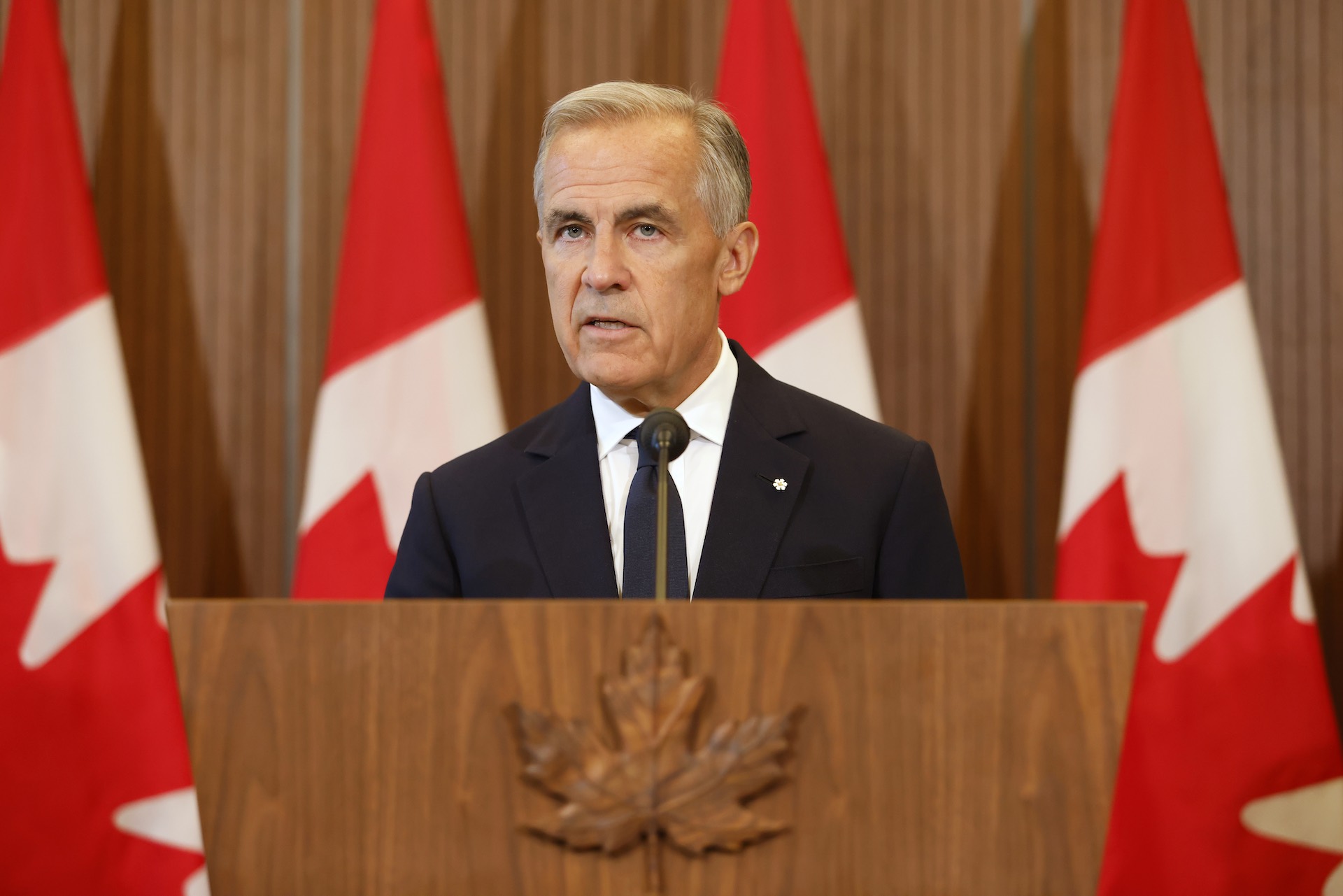
In a press conference on Saturday, Carney acknowledged that businesses in Ontario, Quebec and B.C., including small businesses, would bear the brunt of the new tariffs, despite his team’s efforts to get a deal on their behalf. BMO Economics estimates that chemicals, plastics, electrical and electronic equipment, consumer goods and forestry products will be most affected. University of Calgary economist Trevor Tombe estimates it may cost Canada 90,000 jobs, and that other provinces, including Alberta, could feel the ripple effect.
Nonetheless, RBC Economics said the change is unlikely to derail Canada’s economic growth, with more than 80 per cent of exports staying duty free under the trilateral CUSMA deal.
That will be cold comfort to those working in industries Trump has targeted, like lumber. Softwood companies faced years of duty disputes predating the current Trump administration, while other wood products are already at the mercy of the stops and starts in the domestic construction industry, noted David Elstone, who advises forestry businesses in Western Canada on supply chain issues for the Spar Tree Group. Elstone estimates that companies dealing in veneer, plywood, paper products and laminated veneer lumber could be most affected by the new tariffs.
Carney has pledged to provide more financial support for targeted industries. Some question whether those relief programs will be enough. Dan Kelly, president of the Canadian Federation of Independent Business, said in a statement that $25 billion of earlier support failed to deliver “meaningful relief” for small and medium businesses, warning that 40 per cent of small exporters will be hit by tariffs.
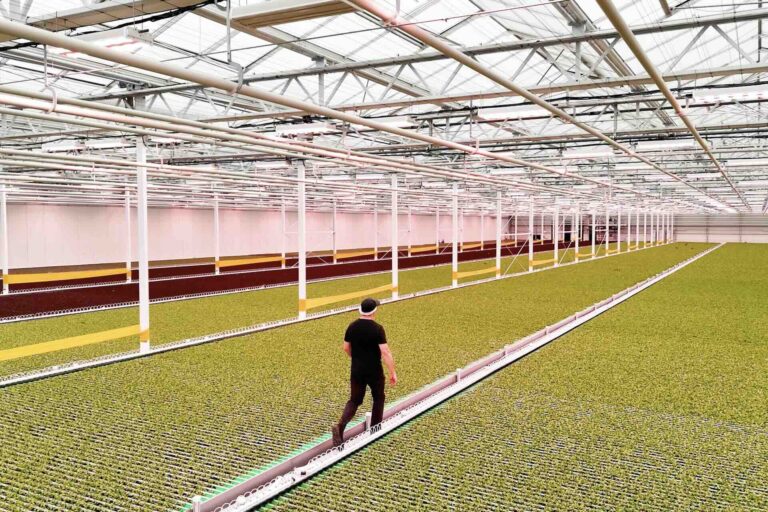
Joe Salemi, executive director of Landscape Ontario Horticultural Trades Association, is one of the business leaders keenly awaiting relief. Many Canadians have learned during the 18-month trade war that automotive parts move back and forth across the U.S.-Canada border during manufacturing, but fewer know that nurseries operate the same way, according to Salemi. Plants are often sown in the U.S., moved to Canada to be cultivated into seedlings, and shipped to other U.S. or Canadian locations until they are sold, he said.
Stoppages could have lasting impacts. There is little growers can do to change their growing seasons. Trees, for instance, are grown years in advance of their sale date. Confused border agents left plants wilting at the border during the chaos of previous tariff rounds.
For some entrepreneurs, the new tariffs are a sign to keep focusing on their domestic business. Clothing brand Province of Canada had a viral moment when it made a fleece to go along with the show Heated Rivalry. But co-founder Jeremy Watt said the shop has halted U.S. shipments, despite disappointing some fans. The brand has seen an outpouring of support from the Buy Canadian movement. While Watt thinks some of his products likely will be affected by the new tariffs, he would rather focus on his Canadian customers than untangle what he called the “Rubik’s Cube” of the latest White House directives.
“It’s exhausting to manage,” he said. “We’re not going to be bullied and we’re not going to accept these terms.”
Policymakers and firms must pursue a “Canada plus” strategy of bolstering the domestic market while looking to diversify where companies sell and from where they get investment, according to Benjamin Bergen, CEO of the Canadian Venture Capital and Private Equity Association (CVCA). “This hyper concentration—not only of trade but also of capital—from the U.S. [has] put us in this position,” he said.
Bergen cited growing interest in Asia and Europe in deploying capital in Canada, as well as buying more of what the country exports now and the technology it might develop in the future. The CVCA’s conference next month, timed alongside the Canada Investment Summit, is expected to draw investors from both continents. “By diversifying our basket of goods that we sell the world, and by being in other markets, we’re able to strengthen our hand when we do have to go negotiate with Washington,” Bergen said.