Listen Now
0:00
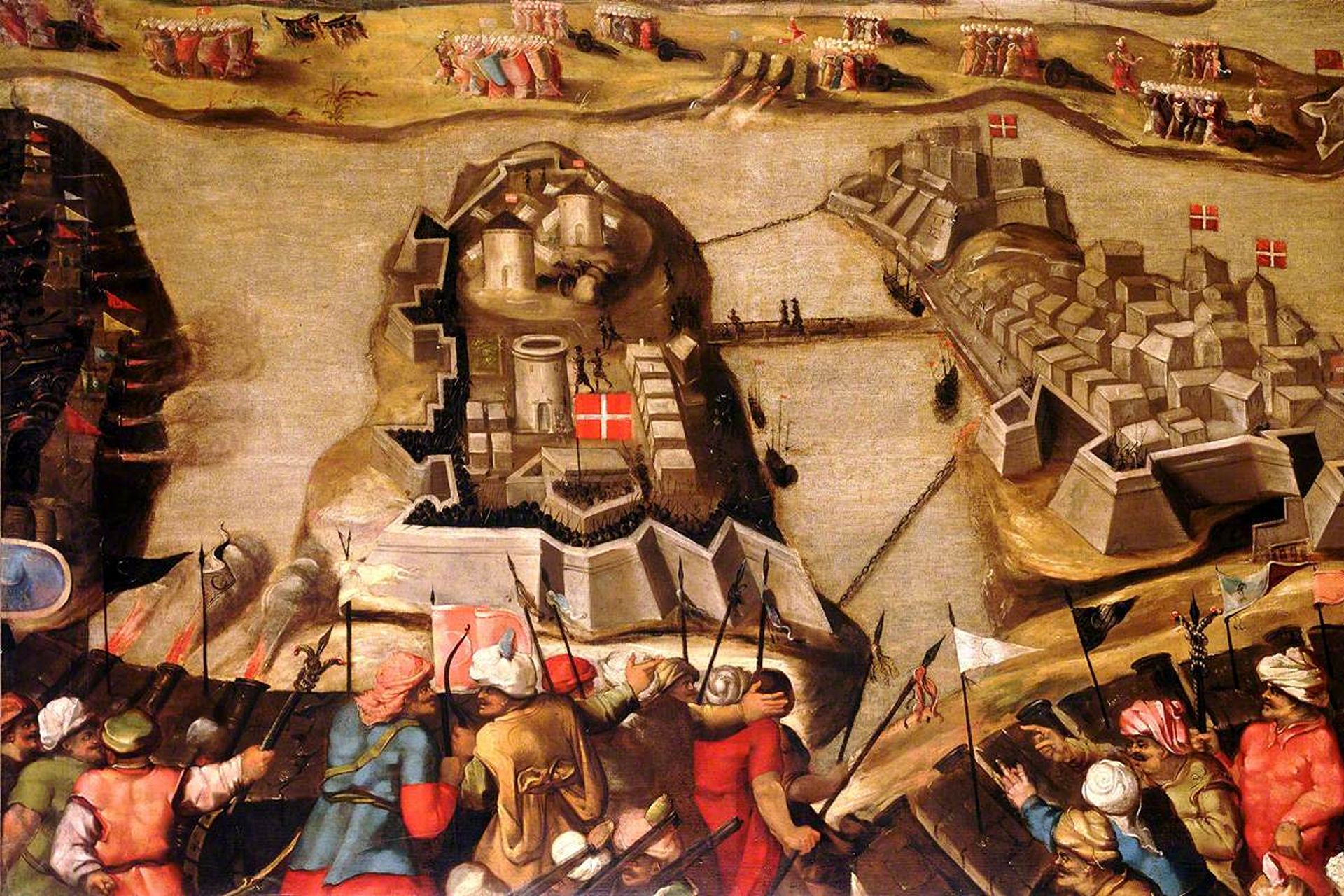
During the Ottoman siege of Malta in 1565, the Turks tried to intimidate the badly outnumbered Knights Hospitaller by placing the decapitated bodies of unfortunate combatants on mock crosses and floating them past the knights’ island stronghold. The besieged responded with cannon fire. But instead of cannon balls, they launched the severed heads of Turkish prisoners into the enemy camp.
That’s what you call tit for tat.
You get the sense that a good number of Canadians are in the mood for some of the same. Pollster David Coletto told Politico that voters’ emotional reactions to Trump’s harassment are “far greater” than their fear of the economic implications of a trade war. With the North American trade agreement now in a perpetual state of negotiation, and Trump’s discovery of a long-forgotten statute that appears to give him the discretion to tariff at will, it’s easy to picture Canada being provoked into doing something rash.
Related Articles
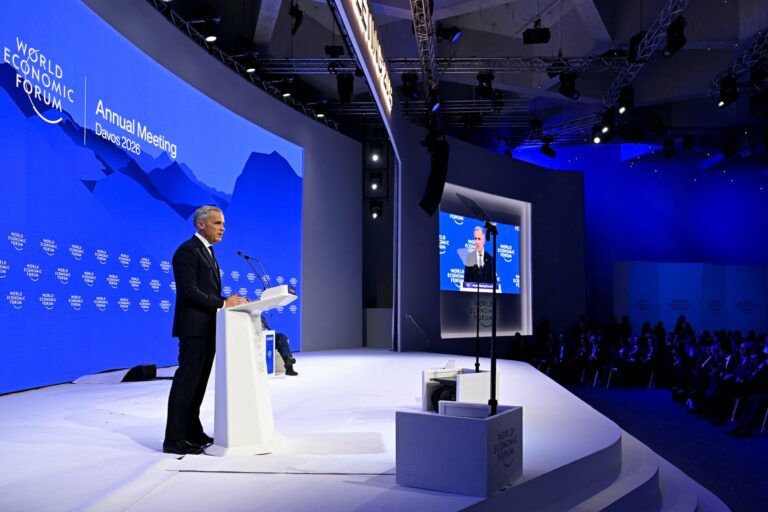
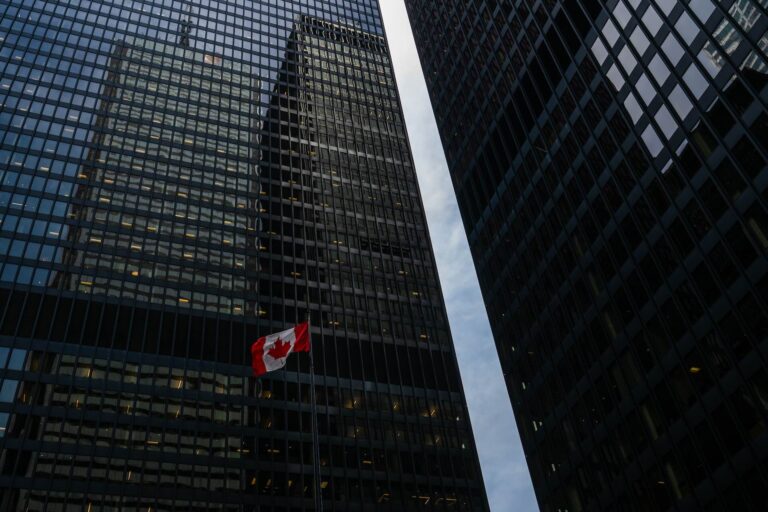
At the eleventh hour last night, Prime Minister Mark Carney suspended trade talks with the U.S. and called his negotiators home. Importers of Canadian goods worth some $28 billion must now pay a tariff of 50 per cent, a tax that will cause some of those purchases to look elsewhere. “Canada will match those tariffs dollar for dollar to protect our workers and businesses,” Carney said in a statement released twenty minutes before midnight.
There are 30 sentences in the statement. The pledge to slash MAGA America across the ankles was the only one the Prime Minister’s Office put in bold type.
Rash? It’s hard to know whether this retaliation is a good idea without yet knowing why Carney decided to walk. He wouldn’t have taken the decision lightly.
I grew up in this business covering the Bank of Canada, which is where I was first introduced to an up-and-comer named Mark Carney. Central bankers, as he was then, are experts in risk management. They run models that factor in hundreds of variables, and gather human intelligence to help them decide what to do with the results. Nothing is as binary as “elbows up” or “elbows down.” I assume Carney continues to approach the world this way. It’s what he knows.
Maryscott Greenwood, a consultant who made a name for herself in Ottawa by keeping Americans and Canadians on the same page, recently analogized Canada’s circumstances to those of Ukraine and Iran, two underdogs who have shown that it’s possible to put a hegemon on the back foot.
It’s unseemly to compare economic wars with shooting ones. Even setting that aside, I don’t think Greenwood’s frame is right. In economic terms, we haven’t been hit anywhere near as hard as Ukraine and Iran have been by their aggressors. That would amount to sanctions and impossibly high tariffs. Most of Canada’s goods exports, and all of the services we offer abroad, are still sold in the U.S. duty-free. If this is war, it’s barely begun.
Recall Carney’s line about how the Trump administration wants to break us so it can own us. Canada is under siege. That informs this response.
Trade warriors should be aware that while acts of bravado might be good for morale, in-your-face retaliation isn’t usually what saves a besieged city from being overrun. That outnumbered group of Christian knights in Malta withstood an onslaught because they had spent years building up resiliency. The Ottomans had the numbers, but historians say their forces were hobbled by poor leadership. And Malta was ultimately saved by the arrival of Spanish reinforcements.
In other words, context matters. Symbolic retaliation, like using provincial alcohol monopolies to ban the sale of American liquor, can be helpful. But remember another famous siege, that of the Alamo. We know the stories of Davy Crockett, Jim Bowie and William Travis. But they were heroic losers, totally unprepared for the Mexican army that descended on them. If tit-for-tat retaliation worked for Canada in 2018, it was because the first Trump administration was fighting a trade war on multiple fronts, and trade had pride of place at the top of the stack of economic variables: tariffs moved markets and markets got Trump’s attention.
None of that is true in 2026. Few countries have retaliated this time, maybe because the previous trade war preceded the cost-of-living crisis. In Canada in 2018, inflation was tame. The benchmark interest peaked at 1.75 per cent. Today, headline inflation is hovering around three per cent. The benchmark rate is 2.25 per cent and there’s every reason to think that Bank of Canada governor Tiff Macklem would have to raise that rate if Carney opted to hit back. A team of his researchers recently discovered that Carney’s initial volley of retaliatory tariffs stoked inflation.
But the context is even more complicated than that. Canada spent a long time doing the opposite of fortifying its economy. Former prime minister Stephen Harper cut taxes; Justin Trudeau cut small business taxes even more. Yet business investment has been chronically weak for a decade, leaving the country with a collection of companies that are unproductive and behind the technological curve.
Entrepreneurship continued to decline. The big bet Trudeau and his counterparts in Ontario and Quebec made on electric vehicles hasn’t worked like they dreamed it would. Levels of public and private debt are elevated. The employment rate has declined from its recent peak in 2023. If the current government plays this wrong, any analogy to Malta quickly weakens. We become the Alamo.
What I see Carney doing, even in walking away from talks last night, is negotiating for time while trying to create the conditions that will let Canada survive a long siege. Like the Ottomans at Malta, MAGA America is chaotic, distracted and divided. But it would be a mistake to think the old rules of confronting the U.S. apply. “It’s the economy, stupid,” has lost its predictive power when projecting political outcomes. David Autor, an economist at the Massachusetts Institute of Technology, and co-authors published a study in June that found that Trump’s trade war with China in 2018-19 did nothing to help the regions of the U.S. that tariffs were meant to support—yet support for Trump only grew in those places in 2020 and 2024.
That means it will be harder to threaten Trump with Canada’s preferred tactic of targeting imports from Republican strongholds, such as Florida orange juice. Nor can Canadian trade warriors count on support from equity traders. Earlier this month, Francesco Ferrante, an economist at the Federal Reserve, and co-authors published research that shows the investment boom in artificial intelligence more than offset what would otherwise have been a negative trade shock from Trump’s tariffs. Canada could let fly whatever is left in the arsenal, but what happens if no one notices amid the euphoria over AI?
A risk manager like Carney will have thought through all of this. The prime minister and his advisers must know retaliation probably won’t force concessions from the other side. So Canada’s prospects will be determined by the speed at which we can buttress our fortifications. Any payoff from the likes of the Churchill Falls deal, or from next month’s Canada Investment Summit, will arrive somewhere in an uncertain future.
Carney has given the country its emotional outlet. Feels good, doesn’t it? But are you ready for what comes next?
Kevin Carmichael is The Logic’s economics columnist and editor-at-large. He has spent more than two decades covering economics, business and finance for outlets including Bloomberg News, The Globe and Mail and the Financial Post, where he also served as editor-in-chief.