One good thing about polycrisis is the playbooks don’t get dusty.
Thirteen of Canada’s 14 first ministers pledged after their meeting this week that in the event of a trade war, they would “ensure the rapid availability of substantial resources that effectively mitigate economic impacts to workers and businesses.”
That’s the COVID-19 play of spraying so much foam on the runway that everyone walks away from the crash landing unharmed. The pandemic lockdowns caused a violent recession, but it was over within a couple of months, according to the C.D. Howe Institute. The play that saved the economy from a deadly virus should also work against Trump and his trade policies, right?
Let’s have a think about that.
A couple of weeks before Christmas, I visited former Bank of Canada governor David Dodge, someone who knows about economic crises. He served Pierre Trudeau’s government during the inflation shock of the late 1970s, was an important figure at the Finance Department during the budget crisis that followed in the 1980s and 1990s, and led the central bank through the aftermath of the 9/11 terrorist attacks on the U.S. in 2001. His job at Bennett Jones compelled him to understand the Great Recession and the COVID-19 pandemic. He might have stopped to write a book. Dodge chose to stay in the fight.
A new fight was brewing, as Trump had recently made his tariff threat. I asked Dodge what period of history most reminded him of what we were about to experience. “In the shorter run,” he said, “I think 2008-2009 resonates.”
For younger readers, that’s the Great Recession, when a wave of bank failures in the U.S. and Europe sparked a global calamity. Innocents suffered along with the guilty. Then-prime minister Stephen Harper, a balanced-budget zealot, felt compelled to end an 11-year stretch of surpluses and deploy one of the world’s biggest stimulus plans. The provinces followed with fiscal rescues of their own.
“I’m not sure we did it right, but it [would be] the same sort of jolt,” Dodge said. “If we have a sudden shock, then we have to figure out a way that we’re going to deal with that sudden shock.”
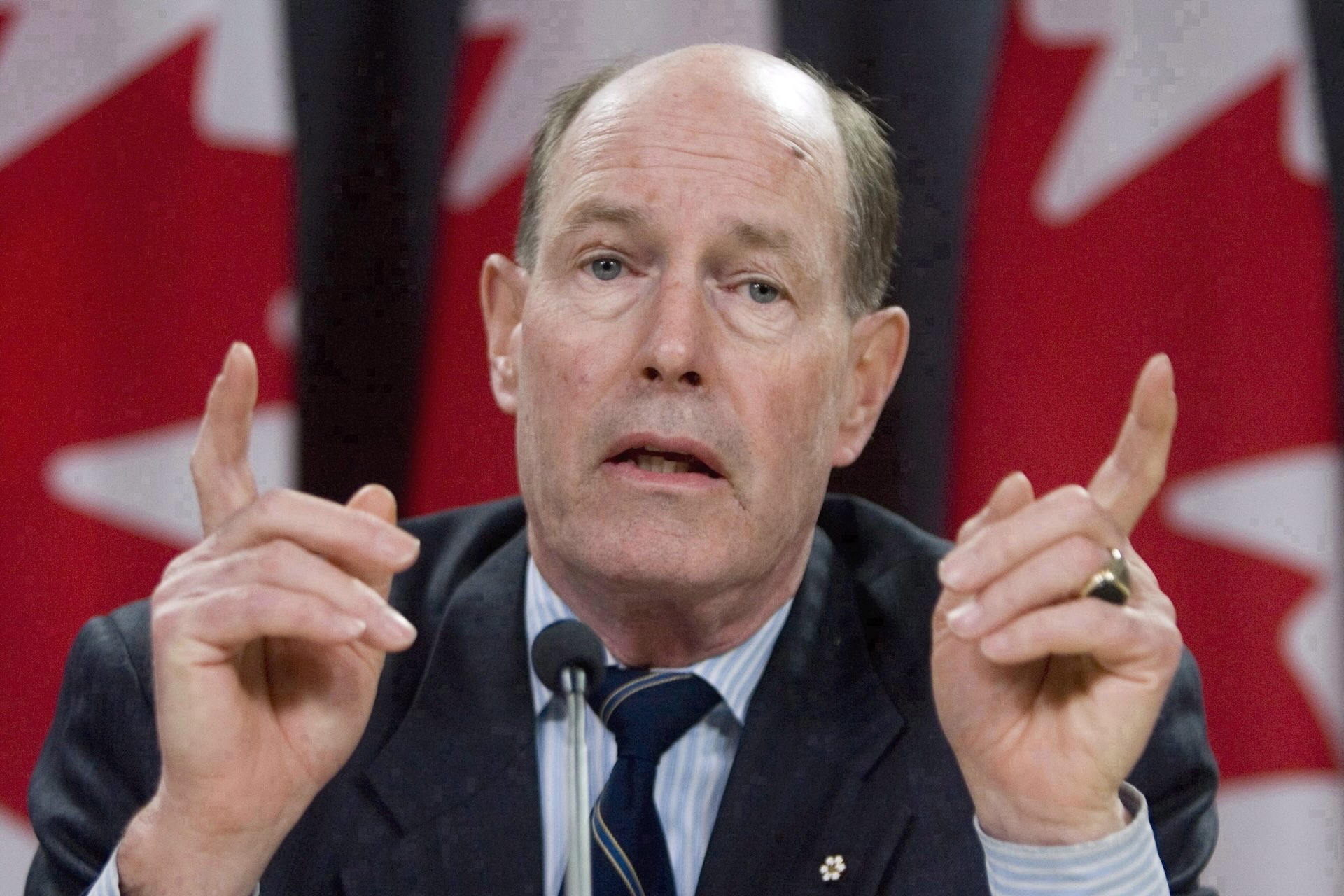
David Dodge, then-governor of the Bank of Canada, at a news conference in Ottawa in January 2008. Photo: The Canadian Press/Tom Hanson
Dodge’s critique of the response to the Great Recession was that too little of the stimulus was used to invest in things that would have enhanced the country’s capacity to generate inflation-free growth—a missed opportunity that we’re paying for now, as inadequate public investment in housing and infrastructure exacerbated the cost-of-living crisis that followed the pandemic.
One error Harper made was turning off the taps too soon. The shift to austerity exacerbated the blow from the collapse of oil prices in 2014, and forced the Bank of Canada to leave interest rates unusually low for an unusually low period of time. The central bank’s projections showed lower-for-longer interest rates were necessary to stave off deflation and hit its inflation target. But monetary policy during that period had the side effect of juicing housing demand and facilitating a surge in household debt as buyers chased runaway prices. We’re paying for that mistake now.
The COVID-19 rescue was informed by the lessons of the Great Recession. A consensus formed that the recovery was weak because governments weren’t sufficiently generous, especially when it came to getting money to actual people. “We really did not believe it would be a good thing to allow the economic tissue, the economic muscle of the country to be destroyed,” former finance minister Chrystia Freeland said in October at an event in Washington, D.C. “We gave huge support to individual Canadians. We gave huge support to businesses. That cost a lot of money.”
If they could do it again, Prime Minister Justin Trudeau and his cabinet probably would spend a little less money. Economists at Scotiabank estimated that inflation caused by government spending forced the Bank of Canada to increase the benchmark interest rate by an additional two percentage points. Post-pandemic inflation was mostly the result of Russia’s invasion of Ukraine and supply-chain snarls, but all that demand-side stimulus stoked prices too.
“We tried to protect too much,” Dodge said. “That was exactly the problem in the first oil-price shock,” he added. “We used the word ‘cushion’ at the time. That was the operative word. We were big on passing out pillows to try to cushion the problem, rather than saying, ‘No, we’ve got a problem. We’ve got to adjust.’”
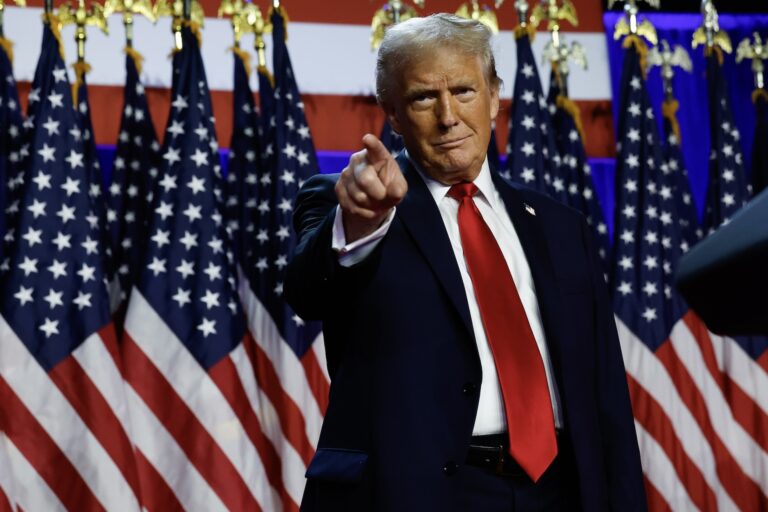
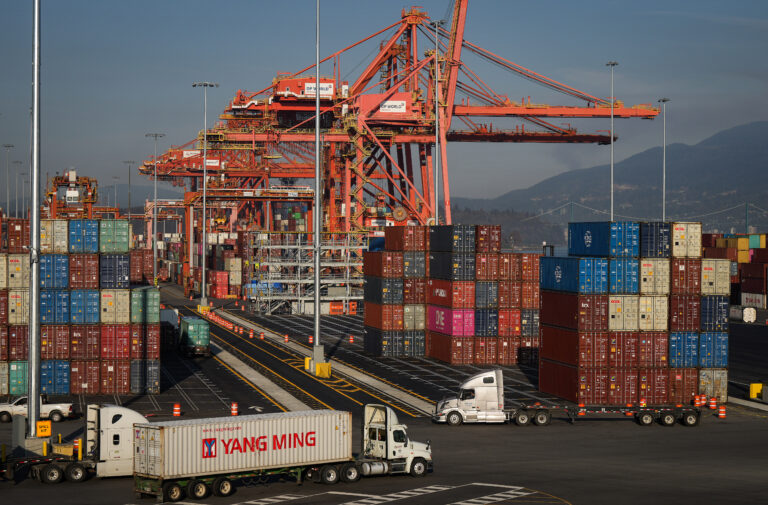
The tariff shock could be severe. Statistics Canada estimates that some 1.8 million people—about nine per cent of the workforce—are employed in industries that are heavily dependent on U.S. demand for Canadian exports. Trudeau and the premiers appear primed to retaliate, which would amplify the shock. Hence the promise of pillows for everyone in harm’s way. The first ministers indicated they would use revenue raised from tit-for-tat tariffs to pay for them.
It could work. Canada hits back as hard as it can, disrupting carefully constructed supply chains and robbing American companies of a source of easy profits. The upset might be enough to prompt a negotiation and end the trade war relatively quickly.
But then what? Canada almost certainly will have had to concede something, given the imbalance in the relationship. A “win” could still be a loss. The economy, already weakened by the drop in productivity, would be even weaker.
Maybe a better strategy is to rely less on pillows and get to work on making the economy more resilient. There could be no escaping tariffs. Trump talks about them as a source of revenue that will pay for tax cuts and reduce the budget deficit. That’s why Dodge started to reflect on the 1970s. “The condition was that energy was permanently more expensive,” he said. “We had to adjust and get on with it.”
Kevin Carmichael is The Logic’s economics columnist and editor-at-large. He has spent more than two decades covering economics, business and finance for outlets including Bloomberg News, The Globe and Mail and the Financial Post, where he also served as editor-in-chief.