Twenty years ago, prime minister Paul Martin planted a seed that should have grown into millions of savings accounts that would, by now, be helping Gen Z cope with the affordability crisis.
Alas, it didn’t work out that way.
Twenty years ago, prime minister Paul Martin planted a seed that should have grown into millions of savings accounts that would, by now, be helping Gen Z cope with the affordability crisis.
Alas, it didn’t work out that way.
Nudge nudge, wink wink, lose-lose
Twenty years ago, prime minister Paul Martin planted a seed that should have grown into millions of savings accounts that would, by now, be helping Gen Z cope with the affordability crisis.
Alas, it didn’t work out that way.
The Conservative government in which Pierre Poilievre served dutifully under Stephen Harper cared about child poverty and encouraged post-secondary education. Trudeau’s Liberals care about those things, too. Yet both watched as the Canada Learning Bond—which Martin’s Liberal government introduced in 2004—went unclaimed by the vast majority of Canadians who were entitled to receive it.
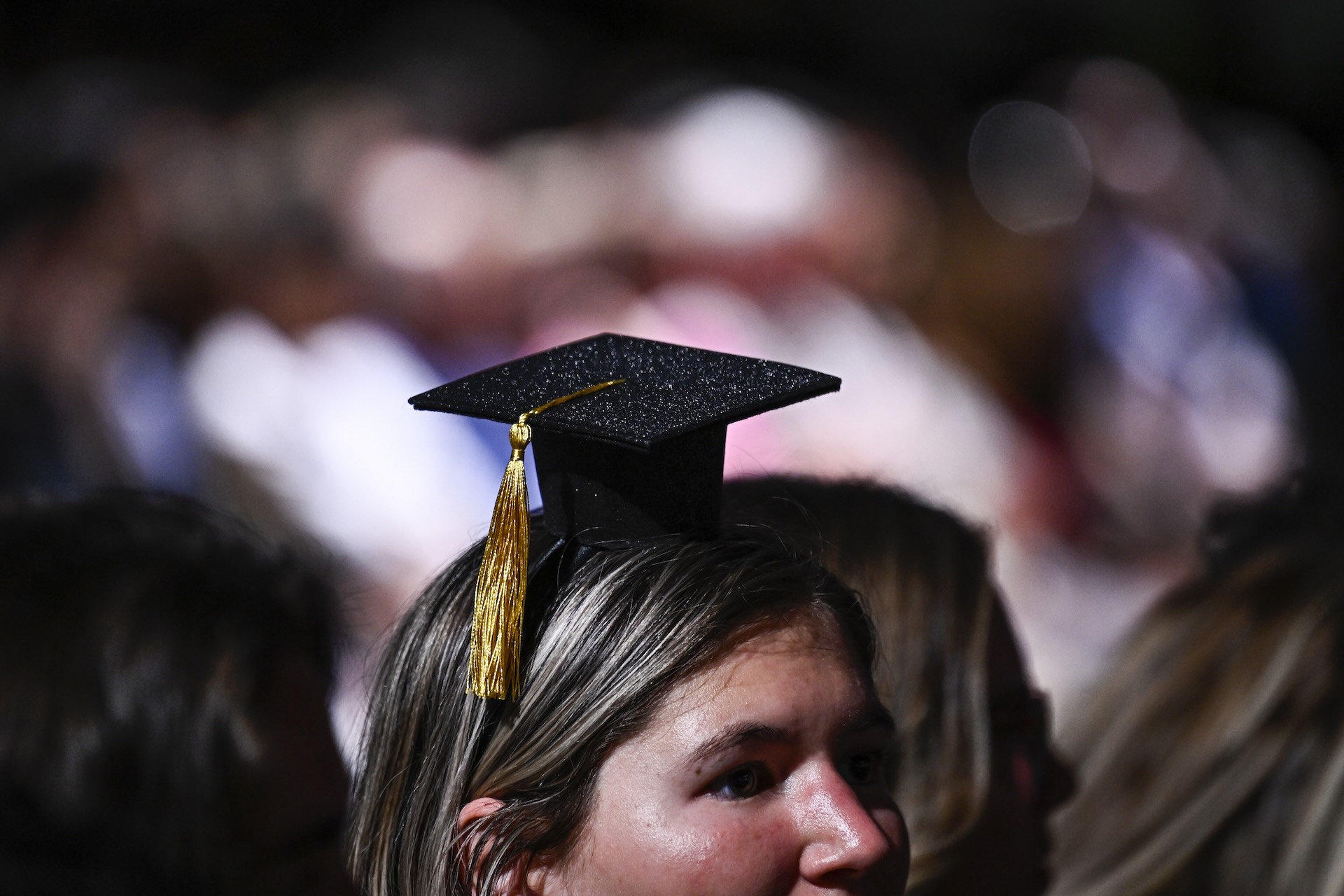
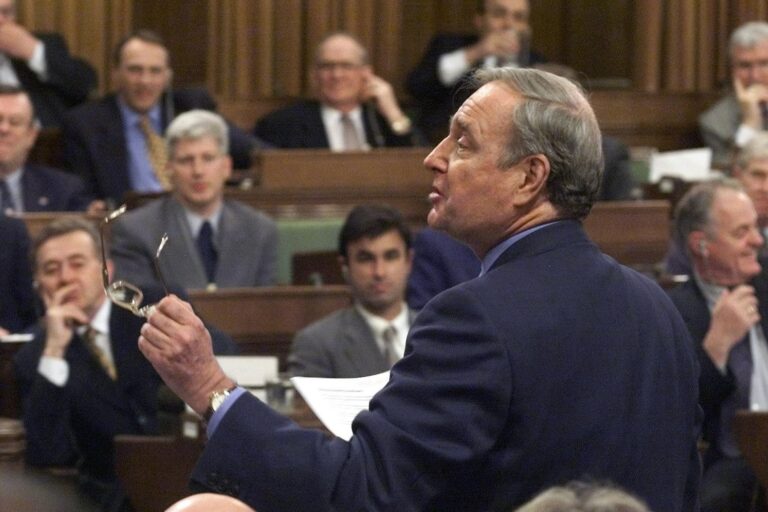
Martin’s government made it law that every Canadian born into a lower-income household in or after 2004 would be entitled to a $500 contribution to a Registered Education Savings Plan, followed by annual $100 contributions up to a maximum of $2,000, or until the beneficiary aged out of the program at 15.
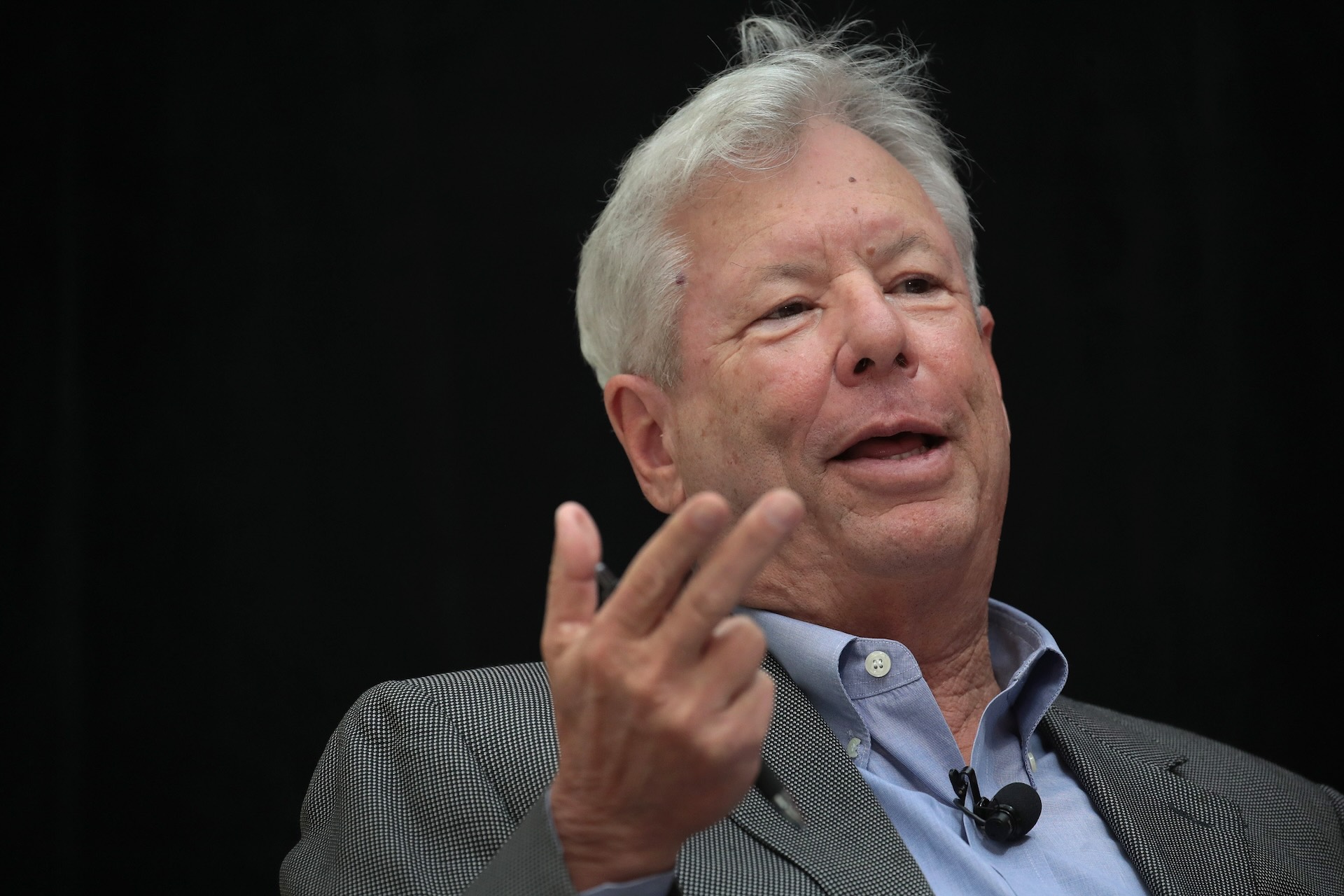
It was an elegant attempt to get more out of scarce public resources, but there was a flaw in the design. Instead of normal human behaviour, policymakers were still basing policy on what economist and Nobel laureate Richard Thaler calls “econs.”
Econs are those of us who act rationally and seek to maximize their self-interest. Their population is roughly equivalent to that of elves. Humans are weaker. They’re subject to things such as procrastination and inertia. They rarely act rationally and typically can use some help getting the most out of life.
Martin assumed the prospect of free money would be enough to prompt parents and guardians to file the paperwork required to claim the prize. Alas, we humans aren’t so easily moved. By 2013, only 29 per cent of children eligible for the Canada Learning Bond were receiving it.
Martin had an excuse. When his government introduced the policy, Thaler had only just begun to popularize behavioural economics, a mix of psychology, data and math that refuses to treat humans as rational agents. Martin and his advisers were following received wisdom.
Harper and Trudeau can’t say that. One of Thaler’s teachers, Daniel Kahneman, won the 2002 Nobel Prize in economics for his pioneering work in integrating psychology and economics. Thaler’s bestseller Nudge: Improving Decisions About Health, Wealth and Happiness, co-written with Cass Sunstein, was first published in 2008. It included a chapter that showed humans are terrible at signing themselves up for savings plans. Thaler won his Nobel in 2017, recognizing the triumph of homo sapiens over homo economicus.
And yet it took Ottawa until this spring to finally fix Martin’s Canada Learning Bond. Buried in Finance Minister Chrystia Freeland’s budget was a pledge to make enrollment in the Canada Learning Bond automatic. “We don’t think it is fair that families and children are missing out on this support that they are entitled to,” the budget said. “Every child should have all the help they can get to pursue a post-secondary education.”
The best time to plant a tree was 20 years ago and the second-best time is today. Still, the delay in executing such a simple fix remains frustrating, even when you correct for human failings. The Canada Savings Bond had a take-up rate of about 32 per cent when Trudeau beat Harper in 2015; by 2022, 1.9 million of 4.4 million eligible children were receiving payments, a take-up rate of 42.5 per cent.
In the context of the affordability crisis, that’s tragic. A newborn who was enrolled in 2004 and whose caretaker did nothing more than invest the annual contributions in an index fund tied to the S&P/TSX would have turned the government’s $2,000 into more than $3,300 by the time they aged out at 15. If they had managed to replace the government’s annual $100 contribution, their RESP would be worth more than $6,000 today. The power of compounding—they should teach it in school.
Seriously. The provinces should make saving and investing part of the curriculum. Only 30 per cent of respondents to a January 2024 Abacus Data poll claimed proficiency in financial literacy. That’s alarming.
Life in Canada has become progressively more financialized since the creation of Registered Retirement Savings Plans in the late 1950s; it’s now a given that post-secondary education means taking on considerable debt, that shelter requires a mortgage and that a comfortable retirement will be contingent on how well you invest during your prime working years. Yet most of us have little idea about what any of that really entails. No wonder the public mood is so desperate.
If the federal government really believes children should have all the help they can get to pursue an education, it won’t stop with automatic enrollment. The study of behavioural economics continues to evolve, and suggests that a simple nudge isn’t enough.
Evan Polman, a business professor at the University of Wisconsin–Madison, and Sam J. Maglio, a marketing professor at the University of Toronto, wrote in The Wall Street Journal this week that nudges need follow-through. In one experiment, they nudged plant shoppers to choose a “compromise” plant, one that wasn’t too flashy or too high-maintenance. They then tracked how well those plants did under their new owners’ care. The compromise plants died 16 per cent sooner than those purchased by buyers not subjected to the nudge.
In other words, there’s an ownership element to getting people to change their behaviour. The federal government has done the right thing by making the Canada Learning Bond automatic. Those contributions will be squandered if we don’t soon do a better job of teaching people how to save and invest.
Kevin Carmichael is The Logic’s economics columnist and editor-at-large. He has spent more than two decades covering economics, business and finance for outlets including Bloomberg News, The Globe and Mail and the Financial Post, where he also served as editor-in-chief.
Loading...
You have shared 5 articles this month and reached the maximum amount of shares available.
CloseIf you would like to purchase a sharing license please contact The Logic support at [email protected].
CloseYou have gifted 0 article(s) this month and have 5 remaining.
Recipients will be able to read the full text of the article after submitting their email address. They will not have access to other articles or subscriber benefits.
Photo: The Canadian Press/Justin Tang
The federal government is only now learning the lessons of Nobel laureate Richard Thaler’s work on behavioural economics. Better late than never.
Great journalism delivered straight to your inbox.
Get up to speed in minutes with insights and analysis on the most important stories of the day, every weekday.
See the bigger picture with reporters and industry experts in subscriber-exclusive events.
Membership provides access to our popular Slack channel, participation in subscriber surveys and invitations to exclusive events with our journalists and special guests.