Listen Now
0:00
Bell plans to more than double its national AI data-centre capacity via a significant expansion in Saskatchewan, under a non-binding new deal with the provincial government.
The telecom giant will add 900 megawatts of capacity in Saskatchewan over time. Bell isn’t announcing any new projects immediately but will instead launch work on new data centres once it’s signed deals with customers to use them. Bell claims the full buildout could be worth $50 billion across construction, power and the value of the compute hardware.
Montreal-headquartered Bell previously had a total target of 800 megawatts for its AI infrastructure business, dubbed AI Fabric. Today’s announcement takes that figure to 1.7 gigawatts.
Related Articles

Building data centres is one major pillar of the firm’s strategy to capitalize on Canada’s big AI push to develop and adopt AI; the other is lining up services and partners to help governments and businesses adopt it.
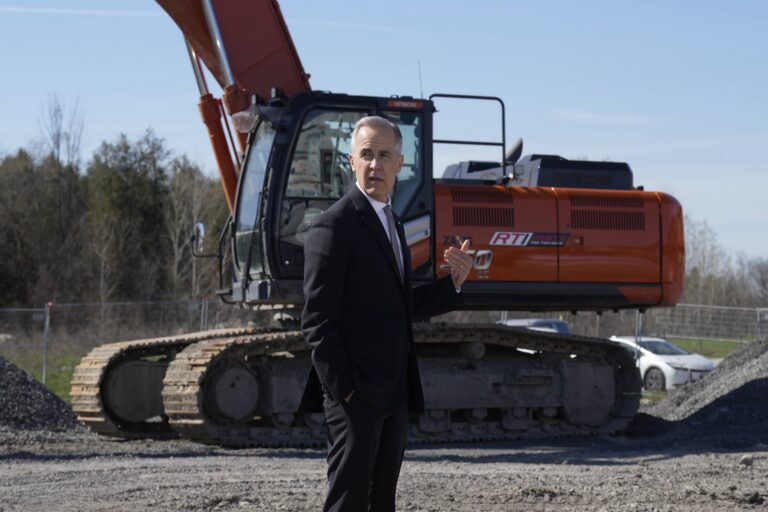
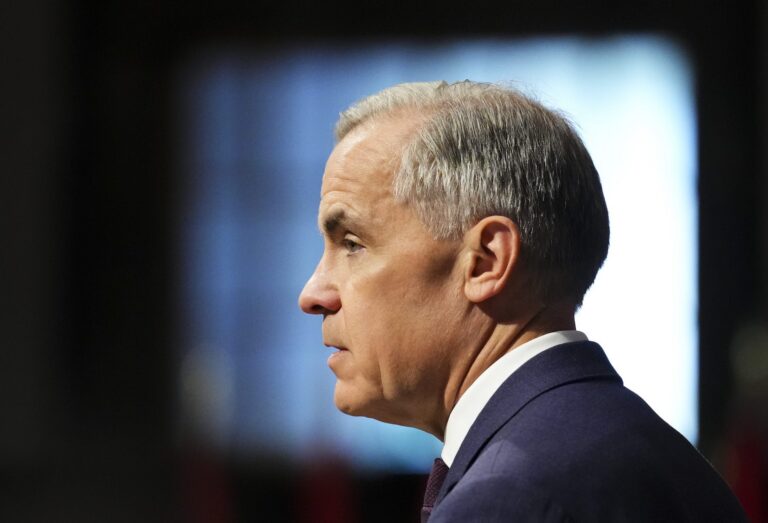
Bell CEO Mirko Bibic announced the deal with Saskatchewan Premier Scott Moe in Toronto on Monday ahead of the Canada Investment Summit, at an event attended by Prime Minister Mark Carney.
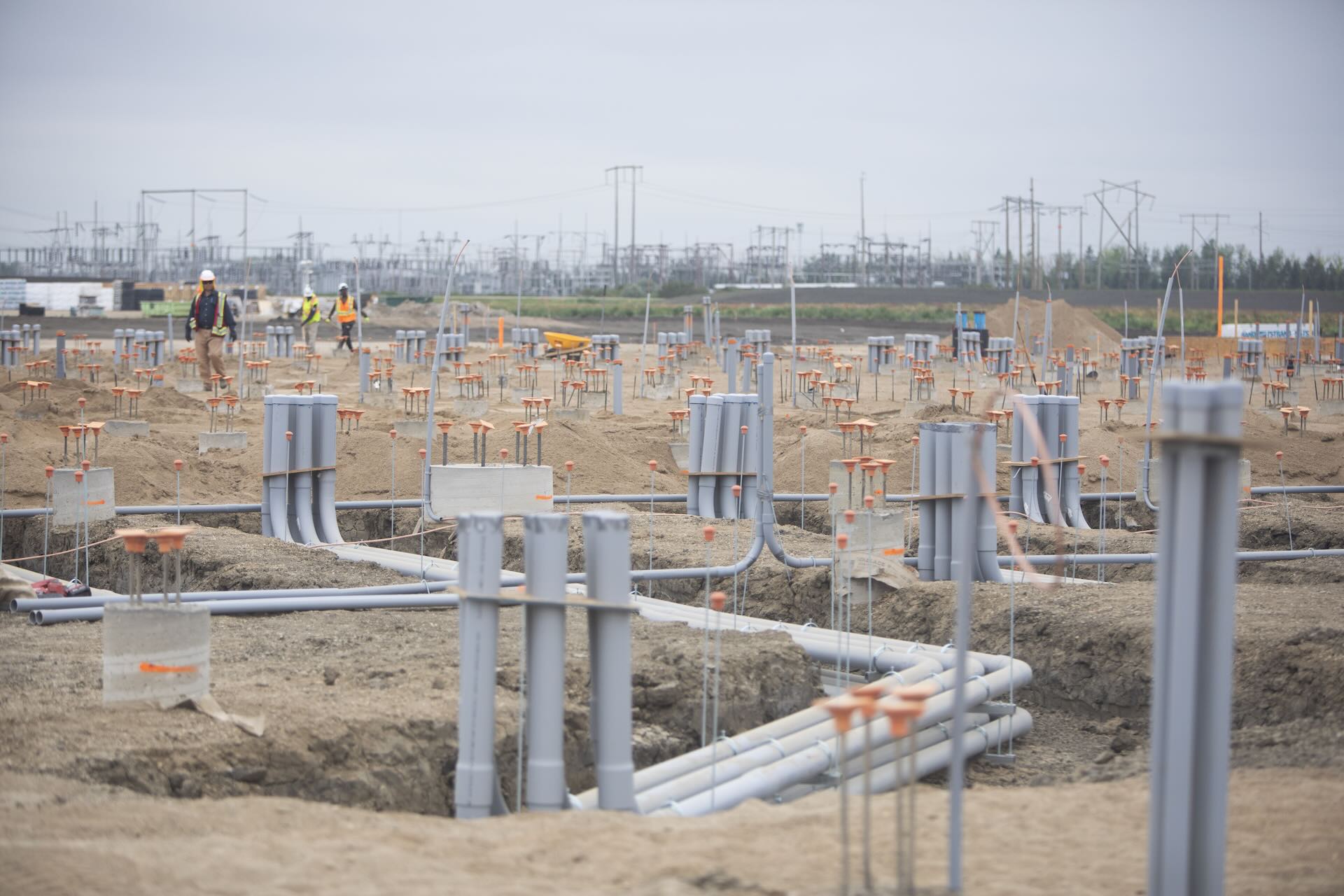
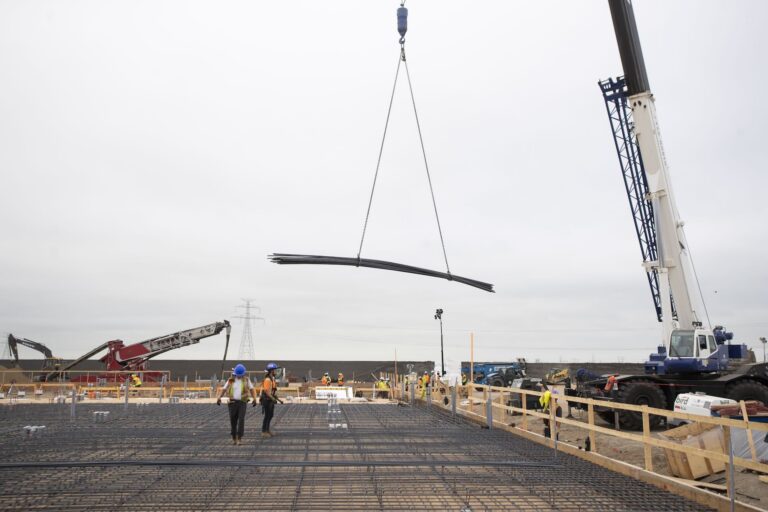
The firm is already building a 300-megawatt facility in the municipality of Sherwood, near Regina, which it announced in March. Bell expects to spend $1.7 billion on the project, and has pre-sold the capacity to U.S. neoclouds Cerebras and CoreWeave.
The Sherwood facility draws energy from the grid of provincial utility SaskPower. For future projects, the firm will contract with electricity producers to generate dedicated power from natural gas. Saskatchewan’s data centre framework, released last month, requires developers to bring their own power for any new developments. Neighbouring Alberta has popularized the model.
The Saskatchewan framework also promises to prioritize Canadian-owned projects from domestically headquartered firms, as well as developers that have experience in the data centre business. And it puts a premium on data sovereignty. Bell’s AI infrastructure sales pitch touts all those elements.
The Saskatchewan government helped facilitate the Sherwood development, Bibic told The Logic at the time. He cited the involvement of provincial agencies SaskPower as well as SaskTel, which is connecting the site to Bell’s national fibre network. Saskatchewan wants to “lean in heavily into the tech space,” Bibic said.
Bell typically builds, connects, owns and operates its data centres, and offers cybersecurity and IT services. Tenants fill them with hardware, either for their own use or to sell the processing power via cloud services. Bell has also assembled an alliance of companies to jointly sell packages of so-called sovereign AI capabilities to the private and public sectors.
As part of its agreement with the province, the firm will also set up a head office for AI Fabric in Saskatchewan. Division president Dan Rink is based in British Columbia, where the firm kicked off its AI data centre business in May 2025, when it announced plans for six facilities with a combined capacity of 500 megawatts. Bell’s president for AI Fabric operations Michel Richer is based in Montreal.
The firm initially focused on hydroelectricity for its data centre business, touting the lower emissions and lower costs. However, if it adds all the capacity it’s planning in Saskatchewan, its AI infrastructure business will be majority powered by natural gas. Bell is promising the new facilities will use closed-loop cooling systems and won’t draw from the local water table.
Bell was one of more than 20 firms that recently signed on to non-binding principles on data centre development put forward by the federal government. The framework includes promising to create lasting local benefits, minimize resource use and disclose information about their projects. New data centre proposals have drawn repeated protests and opposition at local and provincial town halls across Canada. That includes Bell’s Sherwood project.