Listen Now
0:00
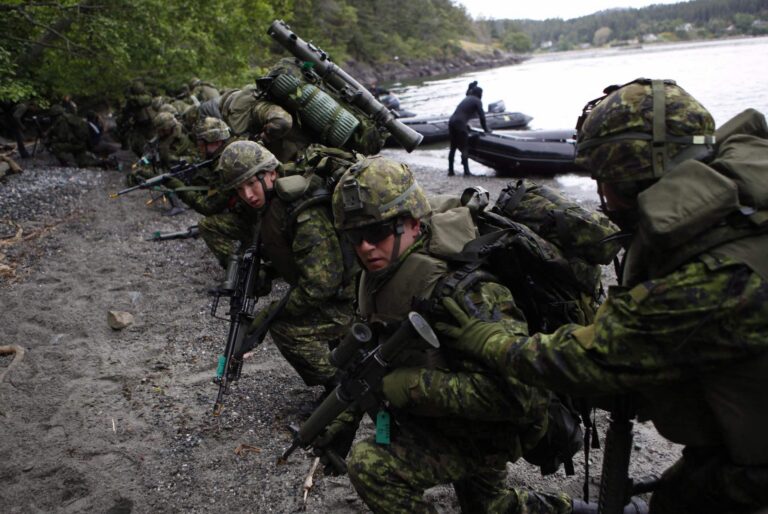
Canada’s push to defend the Arctic is demanding so much of the northern communities hosting the Canadian Armed Forces that they’re struggling not to buckle under the strain.
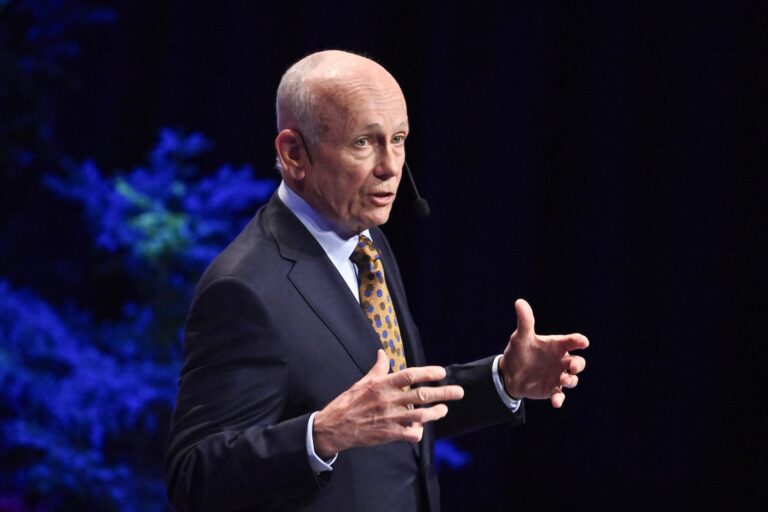
Yellowknife’s city manager, Stephen Van Dine, told The Logic that he’s running a little intergovernmental relations department off a corner of his desk, trying to co-ordinate with other northern towns and cities, and “we really don’t have the capacity for that.”
Talking Points
- An unprecedented boom in defence spending on the Arctic is putting unprecedented demands on small northern communities that can barely keep up
- The Department of National Defence is behind schedule, but plans to set up an office just to deal with its infrastructure consultations with cities and towns in the North
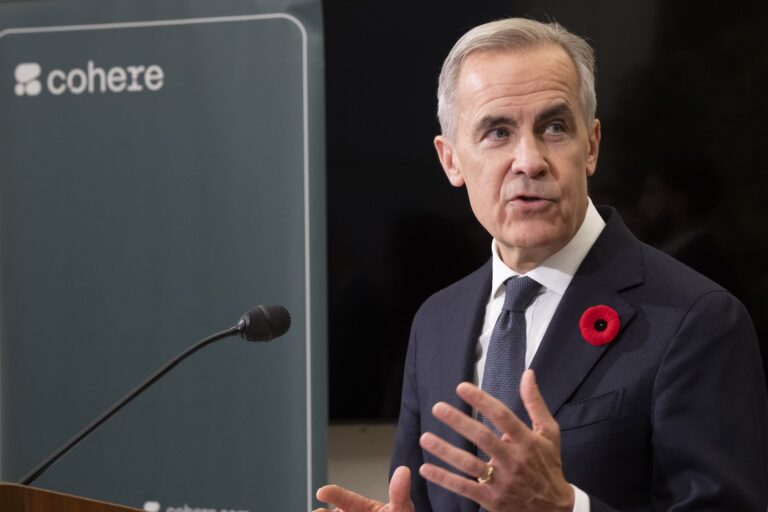
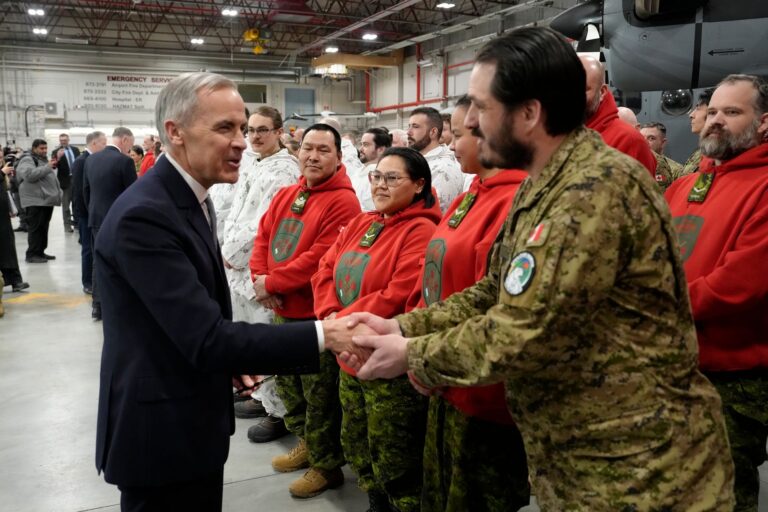
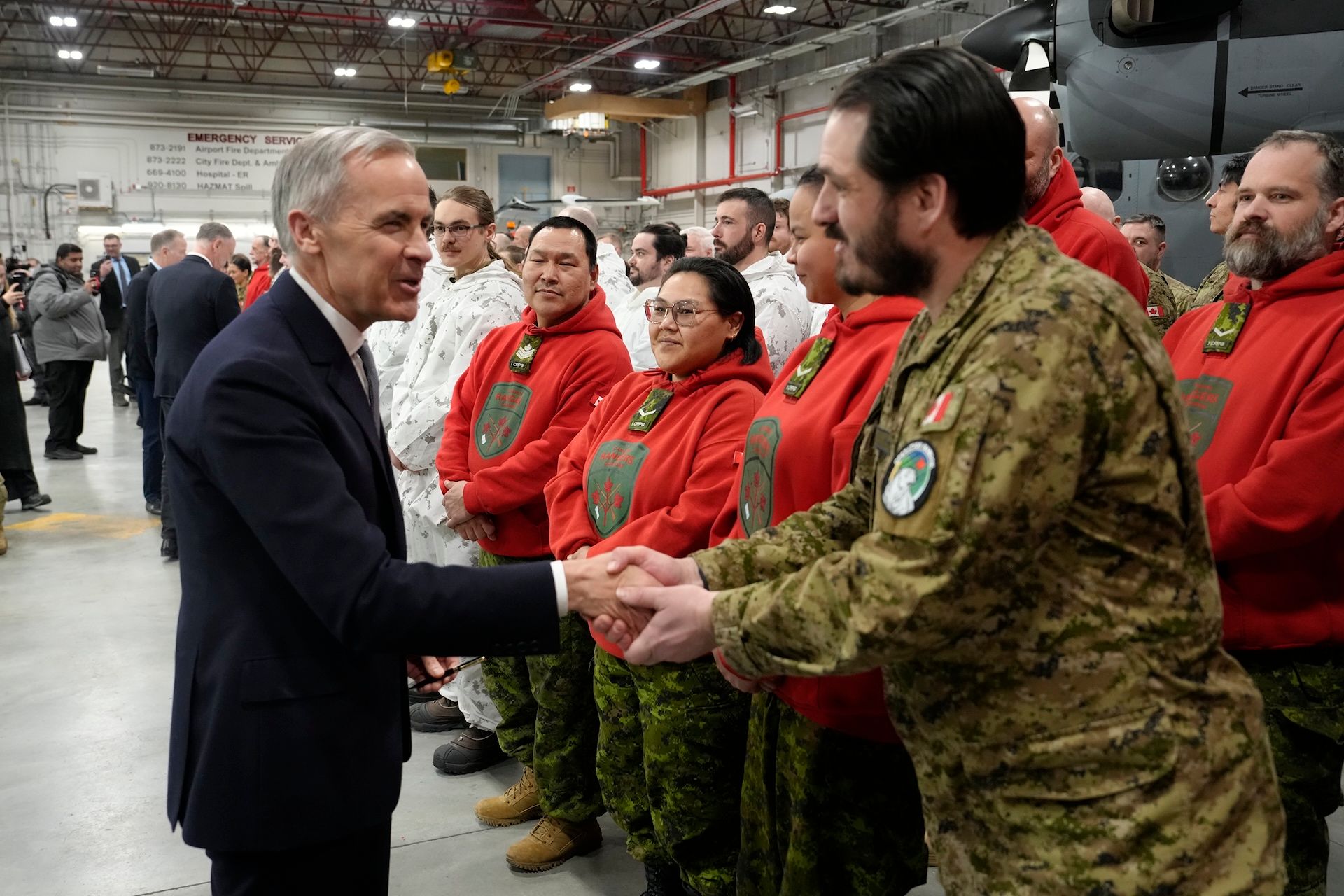
In March, Prime Minister Mark Carney pledged to spend $32 billion on forward operating locations for the Forces in Yellowknife, Inuvik, Iqaluit and Goose Bay, N.L.—expanding airfields, adding military housing and warehouses and upgrading technology.
This is a colossal amount of money. The annual spending of the territorial governments of the Yukon, the Northwest Territories and Nunavut combined is about $8 billion.
To be sure, Yellowknife is very happy about all the attention and investment from the Department of National Defence (DND), Van Dine said.
Related Articles


“I do want to give credit to DND. They have been coming in with a level of humility and conscientiousness,” he said. “I think they do want to get it right, which is great.”
But this unprecedented investment comes with unprecedented demands, similar to those facing Indigenous communities being asked for consultations on major project proposals.
Yellowknife’s municipal government has fewer than 300 staff for everything it does. The city’s side of the infrastructure demands alone is a ton of work. “You can imagine—power, impact on roads, eventually impact on our solid waste facility,” Van Dine said.
Take one example. The Yellowknife airport doesn’t have water or sewer pipes; fresh water goes in and waste comes out by truck. The Department of National Defence has agreed to help pay for pipes to accommodate a bigger Royal Canadian Air Force presence, which is excellent, said Van Dine.
Yet for the city government, those talks were just the first phase. It also has to negotiate the detailed contribution agreements, oversee the engineering plans and approvals, and arrange the construction—all for just one set of pipes.
“I’m trying to keep my staff focused on delivering day-to-day services to Yellowknifers and at the same time getting through a municipal election, but also talking to the feds,” Van Dine said. “And so, yeah, it’s a lot. It’s a lot.”
National Defence itself recognizes that, however positive its intentions, it’s been asking a lot of people in the North.
“While many northern partners welcome planned defence investments in the North, they have signalled they are overwhelmed by the number of DND/CAF representatives seeking to engage on various and overlapping topics related to infrastructure,” said a briefing note prepared for the deputy minister of national defence, Christiane Fox, in July. The Logic obtained a copy through an access-to-information request.
At least six different parts of the department have been contacting northern stakeholders, wrote Peter Hammerschmidt, the assistant deputy minister for infrastructure and environment. Plus they’ve been dealing with the Major Projects Office, Transport Canada and the Canadian Northern Economic Development Agency on other federal files.
This forces people who are flooded with requests to figure out for themselves what’s going on inside the federal government—who’s asking for what and why, and how all the different pieces fit together—according to Hammerschmidt’s note to his boss.
Elsewhere in the federal government, officials are noticing the problem, too.
“The current challenge is less the absence of federal strategies for the Arctic, rather the difficulty of co-ordinating action across multiple organizations, investments and priorities,” said another briefing note prepared around the same time, this one from the Department of Fisheries and Oceans. Defence, economic development and community services plans were all stepping on each other.
Van Dine is unusually well placed to understand what’s happening in Ottawa, at least—he was previously an assistant deputy minister in the federal government himself, in the department now called Crown-Indigenous Relations and Northern Affairs Canada. He’s also been a manager in the Northwest Territories government.
Hammerschmidt proposed, and Fox agreed, that National Defence should consolidate at least some of its northern outreaching into one office, which the note called a “Strategic Northern Defence Infrastructure Engagement Cell.”
They wanted to have that group in place by Oct. 1, but the department missed that target.
“The cell will begin initial operations in November 2026. Work continues to finalize its longer-term staffing, operating model and governance arrangements,” Lt.-Cmdr. Tony Wright, a department spokesperson, told The Logic in an email.
Even before Carney’s multibillion-dollar announcement, the territorial capitals—Yellowknife, Whitehorse and Iqaluit—had agreed to work together in their dealings with the federal government “as a defensive measure,” Van Dine said. Yellowknife has put together a similar deal with Inuvik, its fellow Northwest Territories municipality.
Reducing the overlapping demands from the feds will help, Van Dine said. “Do we have a coherent game plan? Not so much yet, but its elements are coming together.”