Listen Now
0:00
OTTAWA — James White, the CEO of Wellmaster, a family-owned company that makes parts for pipes used in horticulture and oil and gas infrastructure, does not think the federal government was trying to make his life harder by slapping retaliatory tariffs on U.S. steel.
Yet Wellmaster, based in Tillsonburg, Ont., is caught up in paradoxical policies intended to protect Canadian steel from unfair competition.
Talking Points
- Ontario manufacturing firm Wellmaster has to pay Canada’s 25 per cent counter-tariffs on steel it imports from the U.S., even though the federal government’s own analysis confirms those goods are not available domestically
- To reduce costs and administrative burden for both business and the government, Canadian Manufacturers & Exporters (CME) is urging Ottawa to align its list of steel counter-tariffs with those subject to import controls
On one hand, the federal government recognizes there are some steel products that manufacturers like Wellmaster cannot buy in Canada, so it lets them bring in as much as they need. On the other, it levels counter-tariffs on those same products from the U.S., loading cost and administrative burden on businesses already strained by the impact of President Donald Trump’s sky-high duties on foreign steel.
“Our competitiveness is being eroded in our own domestic market by our own government’s trade policies,” White said. “None of this is intentional,” he added. “The result is the same.”
Canadian Manufacturers & Exporters (CME), which has been helping White press Ottawa for what it believes to be a simple solution: align the country’s counter-tariff regime with its import rules on foreign steel. “We shouldn’t punish what we can’t make here. That just raises costs for manufacturers and hurts jobs,” said Ryan Greer, senior vice-president of public affairs and national policy at CME. “Nobody’s winning in a tariff environment or a trade war.”
Related Articles
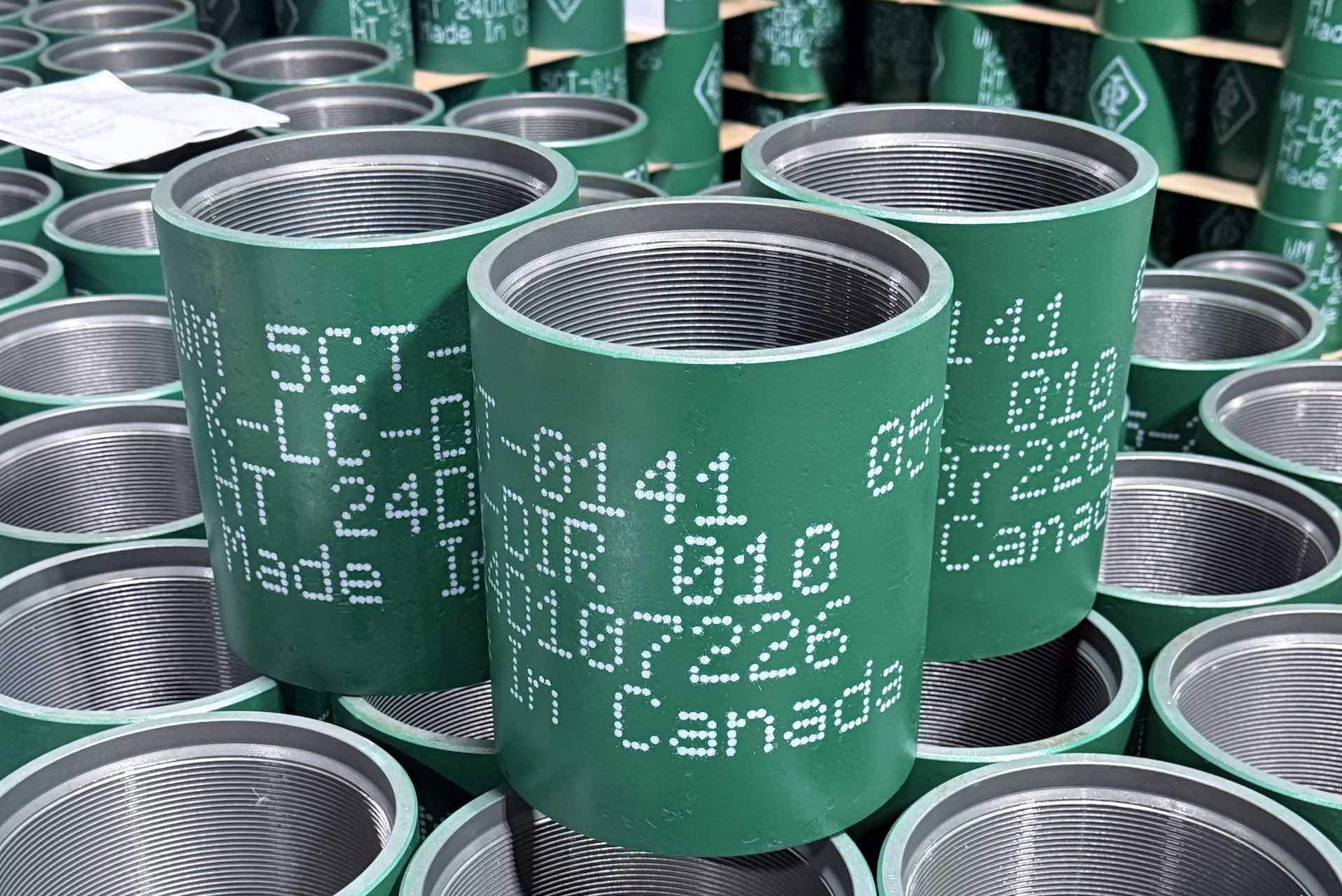
For Wellmaster, which employs just over 50 people at its 5,575-square-metre facility in the town about 60 kilometres southeast of London, Ont., the issue cannot be resolved quickly enough. Understanding how it ended up in this predicament requires a look at recent history.
In March 2025, Trump restored Section 232 tariffs, now at 50 per cent, on steel and aluminum. Canada responded by slapping 25 per cent counter-tariffs on $12.6 billion worth of steel and $3 billion worth of aluminum from the U.S. From the outset, Canadian businesses have been able to apply for remission from those counter-tariffs if they cannot source the goods domestically, or from non-U.S. countries. If approved, they can get a reprieve from those duties, or a refund for the counter-tariffs they have already paid.
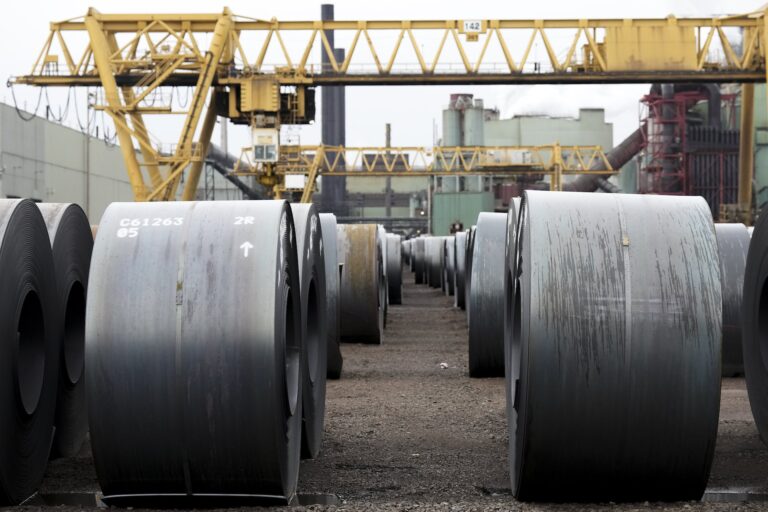
Meanwhile, the Canadian steel industry was urging Ottawa to find ways to guard against foreign steel flooding the domestic market as an end run around the U.S. tariffs. Overcapacity was already causing unfair trading practices in the global steel market, Canadian steel makers said. Trump’s latest trade war was making things worse.
The federal government brought in a new tariff-rate quota system for some steel imports, which cap the amount that can enter the country without facing a 50 per cent duty. A carve-out for the North American trade pact means those limits do not apply to steel from the U.S. or Mexico.
The Canadian Steel Producers Association, which helped the Department of Finance develop the list of products subject to quotas, said it is meant to target steel that is available domestically. While it was impossible to anticipate every scenario, the guiding principle is that if Canada does not produce a certain steel product essential to a business’s operations or supply chain, the business should not have to worry about import restrictions. “We really need to avoid putting too much pressure on the system by capturing too many products we don’t make,” said François Desmarais, vice-president of trade and industry affairs.
Wellmaster imports some steel products from the U.S. to make casing connections for pipes, which are eventually destined for the U.S. market for use in energy infrastructure. That category of steel goods is not produced in Canada, White said, so they are not subject to the TRQs. They are, however, on the list of U.S. steel goods subject to Canada’s 25 per cent counter-tariffs.
So, to avoid paying those counter-tariffs, the company has to submit remission requests to the Department of Finance. “Now we’re loading in a lot of additional, redundant, unnecessary remission requests, which are long, drawn-out processes, for products that we don’t make in Canada,” White said.
Then, adding insult to injury, the finished goods that Wellmaster exports to the U.S. are hit with steel tariffs when they go back across the border.
It also adds work for the government bureaucracy, which is stuck processing the paperwork its own analysis tacitly acknowledged is unnecessary when it chose to exclude the products Wellmaster imports from the U.S. from the quota list.
The Canadian Steel Producers Association and the CME have urged the federal government to solve this problem for Wellmaster and other manufacturers by matching the counter-tariffs on U.S. steel to the list of goods limited by quotas because companies should be able to get them in Canada.
“As you are aware, certain specialized steel products and grades are not currently produced in Canada,” Dennis Darby, president and CEO of the CME, wrote Feb. 19 to Finance Minister François-Philippe Champagne. Darby argued that counter-tariffs on those products hurt small and medium-sized manufacturers while doing nothing to strengthen domestic steel production. Aligning the counter-tariffs with the tariff-rate quota list would reduce the burden on Ottawa too, he wrote.
The Finance Department gives views shared by industry “careful consideration in developing policies,” spokesperson Marie-France Faucher said in a statement, although she did suggest any change is imminent. “We continue to monitor the impacts of Canada’s counter-tariffs.”
Earlier this month, the department said that it had not yet reached decisions on about 53 per cent of the requests it had received for remission from counter-tariffs on U.S. goods. Spokesperson Benoit Mayrand said in an emailed statement the 1,611 requests for remission from the U.S. counter-tariffs it received from March 2025 to April 2, 2026 marks an “exponential increase” in volume, as it typically gets no more than a handful per year. The next batch of decisions is set for June.