If we were a nation of chess players, the vibes around Prime Minister Mark Carney’s initial dealings with U.S. President Donald Trump would be different.
Skip to content


Commentary
Carmichael: Mark Carney has to play Trump like a chess master, not a hockey player settling scores
Tit-for-tat was a decent opening gambit, but Carney’s retreat from counter-tariffs was a welcome sign he’s thinking ahead
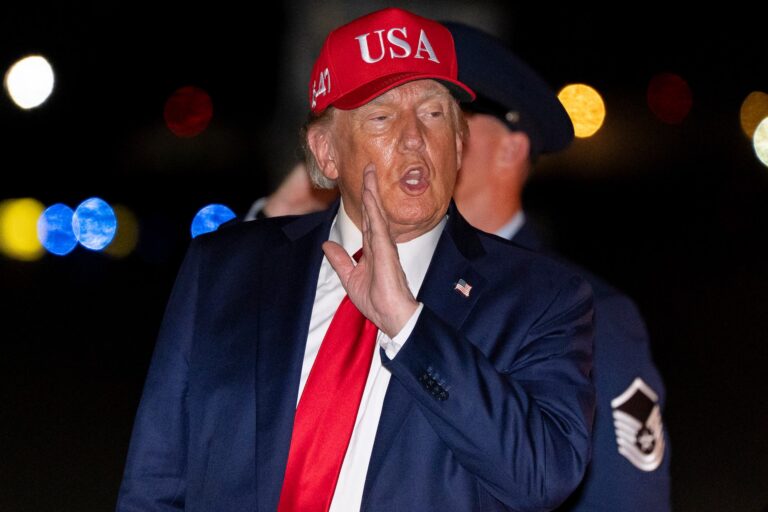
Carney must deal with a U.S. president who plays by the rules of professional wrestling, where narrative arcs decide outcomes. Photo: AP Photo/Evan Vucci
If we were a nation of chess players, the vibes around Prime Minister Mark Carney’s initial dealings with U.S. President Donald Trump would be different.
Chess players think multiple moves ahead. They adjust as they learn about their opponents. Sacrificing pawns and lesser pieces is tactical and part of the game. They win by taking their opponent’s king, usually while also being mindful of protecting their own most powerful piece, the queen.
Alas, Canada isn’t a nation of chess players. A scan of headlines and social media suggests we’ve embraced a binary game called “elbows,” adapted from ice hockey but lacking that sport’s complexity. When a bully attacks, elbows go up, amplifying the brain’s primitive system of threat assessment. The idea is to get drunk on dopamine. When elbows come down, it’s over. If you’re not giving as good as you get, you’re losing.
I don’t know if Carney is playing chess, but it looks like he is. I see someone adapting to evolving circumstances, sacrificing non-core policies such as the digital services tax and retaliatory tariffs to keep U.S. trade policy from sinking the Canadian economy.
Related Articles

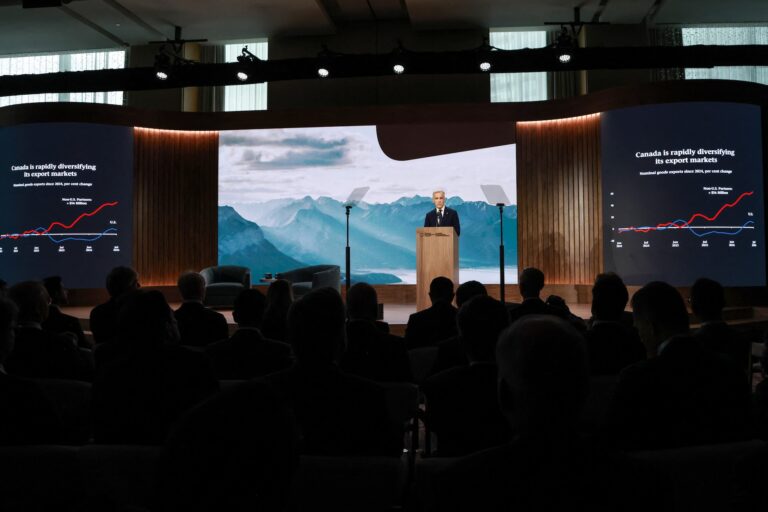
Canada still has a chance to emerge from all of this stronger. Democratic nations tend to rally in the face of crisis. A decade ago, Spain was on its back, crushed by the collapse of a house-price bubble and the European debt crisis. Now, it’s one of the strongest economies on the continent. But recovery is determined by the imaginations of the people involved. The opportunity cost of binary thinking is missing out on the kind of growth that Spain has achieved.
The “elbows down” meme misunderstood the original metaphor. You throw an elbow to send a message. Once that message is delivered, you get back to the more difficult work of trying to score goals. Carney made this point Friday while countering the suggestion that the government’s decision to drop retaliatory tariffs on $30 billion of American imports amounts to backing down. If you don’t believe the prime minister, here’s how one of hockey’s most famous senders of messages describes tactical roughness. “Everybody had to ‘man up’ at certain times,” Hall of Famer Mark Messier says in his memoir. “When it became sheer violence, though, it wasn’t good for hockey. A lot of kids got hurt.”
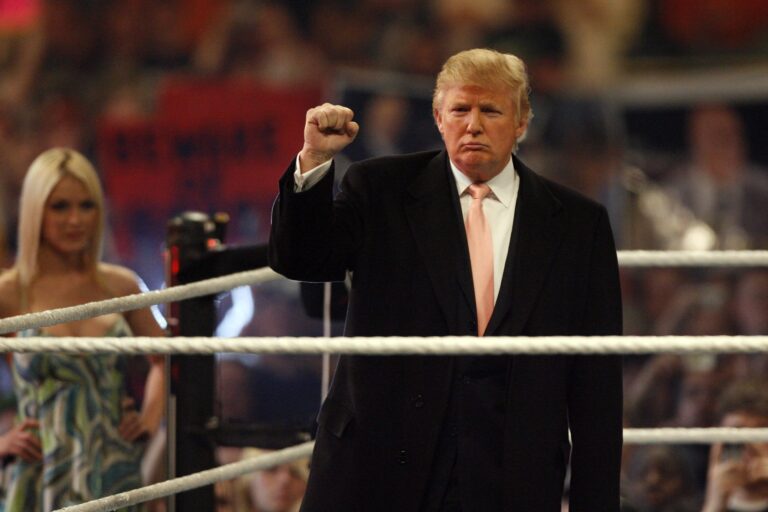
Tit-for-tat was a decent opening gambit. Trump plays by the rules of professional wrestling, where narrative arcs and audience engagement decide outcomes. The president-elect had already decided who would hold the championship belt in his sequel. But he also would have understood that even predetermined winners need convincing foils. Drama demands it. That’s why it made sense for Canada to retaliate despite the impossible odds.
The early elbow to the face by former prime minister Justin Trudeau was about maintaining respect and gaining fan support. Some 90,000 smaller American companies export to Canada, according to research by the office of the chief economist at Global Affairs Canada. The strength of those commercial ties will determine whether the North American market holds together. That probably explains why Trump has spared most of the commerce governed by the existing North American trade agreement. Alexis de Tocqueville observed in the 1830’s that Americans assess value through a single question: How much money will it bring in? Trump will always temper his trade strategy to ensure he isn’t impeding the ability of his audience to maximize profits.
During his first presidency, Trump had advisers who occasionally took Canada’s side, including Sonny Perdue, the former agriculture secretary. This time, the president has created an echo chamber. After sitting with Scott Bessent for a lengthy interview, two writers from Bloomberg News said Trump’s treasury secretary saw himself as a “humble counselor,” not a moderating influence. “I do my job, give him options and outcomes, present and then manage the narrative from there,” Bessent told them.
It’s important, then, that we have a better understanding of what Trump is trying to achieve. His various grievances still stand, but Candace Laing, the head of the Canadian Chamber of Commerce, reckons the main reason is money. Laing hit on that idea in February after reading up on what was going on in the U.S. in the late 1800s, a period for which Trump had expressed repeated awe. Subsequent events suggest she was onto something.
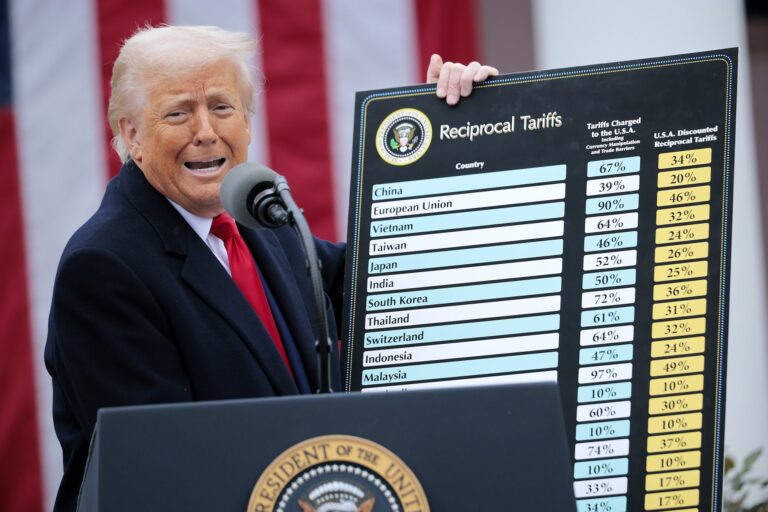
Trump was always determined to extend the temporary tax cuts he authorized during his first presidency, and therefore needed a hidden tax to offset an expenditure that is expected to add more than US$2 trillion to the deficit over the next decade, excluding interest payments. Some tallies of what the U.S. government will earn from duties roughly match that amount. Tariffs “are a revenue raise,” Laing wrote in February, by way of offering an explanation for why Trump was going after the U.S.’s biggest trading partners first.
“President Trump has so much as told us this when he cites McKinley’s era and the associated riches.”
Laing was referring to William McKinley, the father of the Tariff Act of 1890 who would later serve as president from 1897 to 1901, when he was assassinated. Trump was so fixated on him at the beginning of his second presidency that one of the first things he did was restore the name of North America’s tallest mountain to Mount McKinley. It was a time of great wealth accumulation, one where the government generated revenue through duties rather than individual taxes.
The context has changed considerably since then, but that doesn’t matter. It’s the world of Trump’s imagination and the one he wishes to recreate.
The McKinley tariff crippled Canada’s economy, but the country’s ties to another industrial power—Britain—helped cushion the blow. Canada has no second option this time. That’s why Trump’s willingness to (mostly) respect the North American trade agreement demanded a strategic shift to defence from offence. The recession so many foresaw at the start of the year has yet to arrive, probably because most of Canada’s exports remain shielded from Trump’s duties.
“Winning” in this moment will take years, not months. That means protecting the queen for as long as possible. Canada’s queen, the Canada-U.S.-Mexico Agreement, is still standing.
Kevin Carmichael is The Logic’s economics columnist and editor-at-large. He has spent more than two decades covering economics, business and finance for outlets including Bloomberg News, The Globe and Mail and the Financial Post, where he also served as editor-in-chief.


Loading...
Thanks for sharing!
You have shared 5 articles this month and reached the maximum amount of shares available.
CloseThis account has reached its share limit.
If you would like to purchase a sharing license please contact The Logic support at [email protected].
CloseGift the full article!
You have gifted 0 article(s) this month and have 5 remaining.
Recipients will be able to read the full text of the article after submitting their email address. They will not have access to other articles or subscriber benefits.
Photo: AP Photo/Evan Vucci
Most Popular This Week
In-depth, agenda-setting reporting
Great journalism delivered straight to your inbox.
The Big Read
Cameco’s high-stakes bid to be Canada’s next nuclear champion
Briefing
Oilsands major Imperial Oil takes public stance against Alberta separatism
TD Bank puts up $25M to develop AI banking tools with Cohere
Canadian data-centre job postings jump 68% as AI buildout takes shape
Best business newsletter in Canada
Get up to speed in minutes with insights and analysis on the most important stories of the day, every weekday.
Exclusive events
See the bigger picture with reporters and industry experts in subscriber-exclusive events.
Membership in The Logic Council
Membership provides access to our popular Slack channel, participation in subscriber surveys and invitations to exclusive events with our journalists and special guests.