News
Wealthsimple cranks up the pressure with new funding and $10B valuation
The $750-million in new investment for the fintech comes with high expectations for growth

Wealthsimple CEO Michael Katchen speaks during the Elevate conference in Toronto, on Wednesday, September 21, 2022. Photo: Christopher Katsarov Luna for The Logic
With its latest $750-million fundraise, Wealthsimple is cranking up its valuation, the resources it has available to grow—and the pressure it’s under. Here’s what the massive round means for the future of Canada’s most valuable fintech.
The raise: San Francisco’s Dragoneer Investment Group and Singaporean sovereign wealth fund GIC led the round for the Toronto-based challenger bank, with participation from CPP Investments and existing investors including Power Corp. The fundraise values the digital investment manager at $10 billion, double the amount it was last valued at a year ago through a secondary sale of employee stock. It’s a sharp reversal of fortune from 2022, when majority investor Power Corp. wrote down its valuation of Wealthsimple by 20 per cent amid a post-pandemic deep freeze for tech, which hit the fintech sector especially hard.
Related Articles

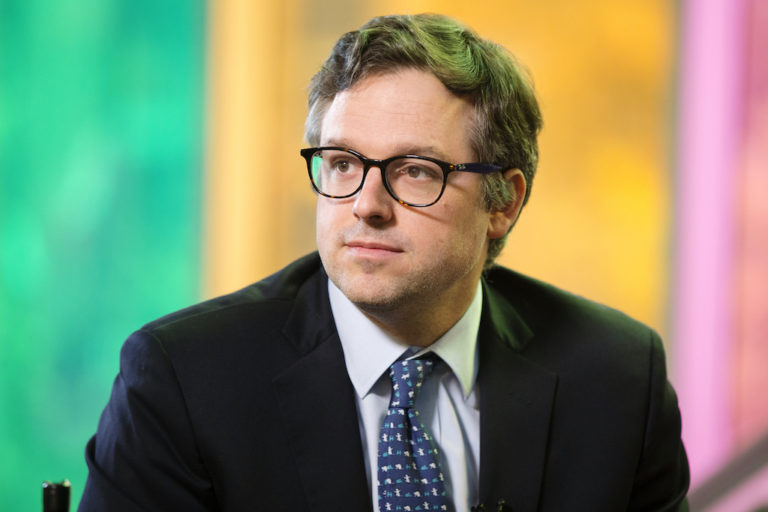
Big dreams: Wealthsimple announced it was “robustly profitable” in 2024, which means it doesn’t need the massive injection of investor money to stay afloat. But the company has set the ambitious goal of unseating Canada’s famously concentrated banking sector and becoming Canada’s largest financial institution. “It’s important that our balance sheet matches the scale of our ambitions,” CEO Michael Katchen said in an email, adding that the company’s goal to eventually go public “hasn’t changed.” Wealthsimple said in a release that it plans to use the money to speed up the growth of its investing, payments and credit businesses. Spokesperson Juanita Leon said the firm is also exploring potential acquisitions, but declined to say how much of the new capital will be allocated to existing products, new products and mergers.
Last week, Wealthsimple disclosed its client assets had hit $100 billion three years earlier than it had forecast. It has a long way to go before matching RBC’s $1.5 trillion in assets under management, but the number is growing quickly, quadrupling over just two years. In an interview, Wealthsimple chief commercial officer Paul Teshima said the firm’s fastest-growing segment is customers with over $1 million in assets: “It’s all the way from people just starting to people who have established some reasonable wealth.”
The pressure is on: The lofty valuation sets expectations high for Wealthsimple. In a research note, RBC analyst Bart Dziarski noted the fintech’s new valuation is 10 per cent of its assets under administration. That’s a significant premium to other recent deals in Canadian wealth management. BMO’s June $625-million purchase of Burgundy Asset Management and Mubadala Capital’s $12.1-billion take-private deal for CI Financial each had a valuation-to-client-assets ratio of about 2.3 per cent.
Scotiabank analyst Phil Hardie said in a note that Power Corp.’s investments in high-growth private asset managers like Wealthsimple has been “underappreciated and overlooked” by the market. That may change, as Hardie expects Wealthsimple and other portfolio companies’ value to be recognized through profits from fees and other recurring revenue—a potential challenge for Wealthsimple, which has made undercutting the fees charged by its competitors its calling card.



Loading...
Thanks for sharing!
You have shared 5 articles this month and reached the maximum amount of shares available.
CloseThis account has reached its share limit.
If you would like to purchase a sharing license please contact The Logic support at [email protected].
CloseGift the full article!
You have gifted 0 article(s) this month and have 5 remaining.
Recipients will be able to read the full text of the article after submitting their email address. They will not have access to other articles or subscriber benefits.