Skip to content

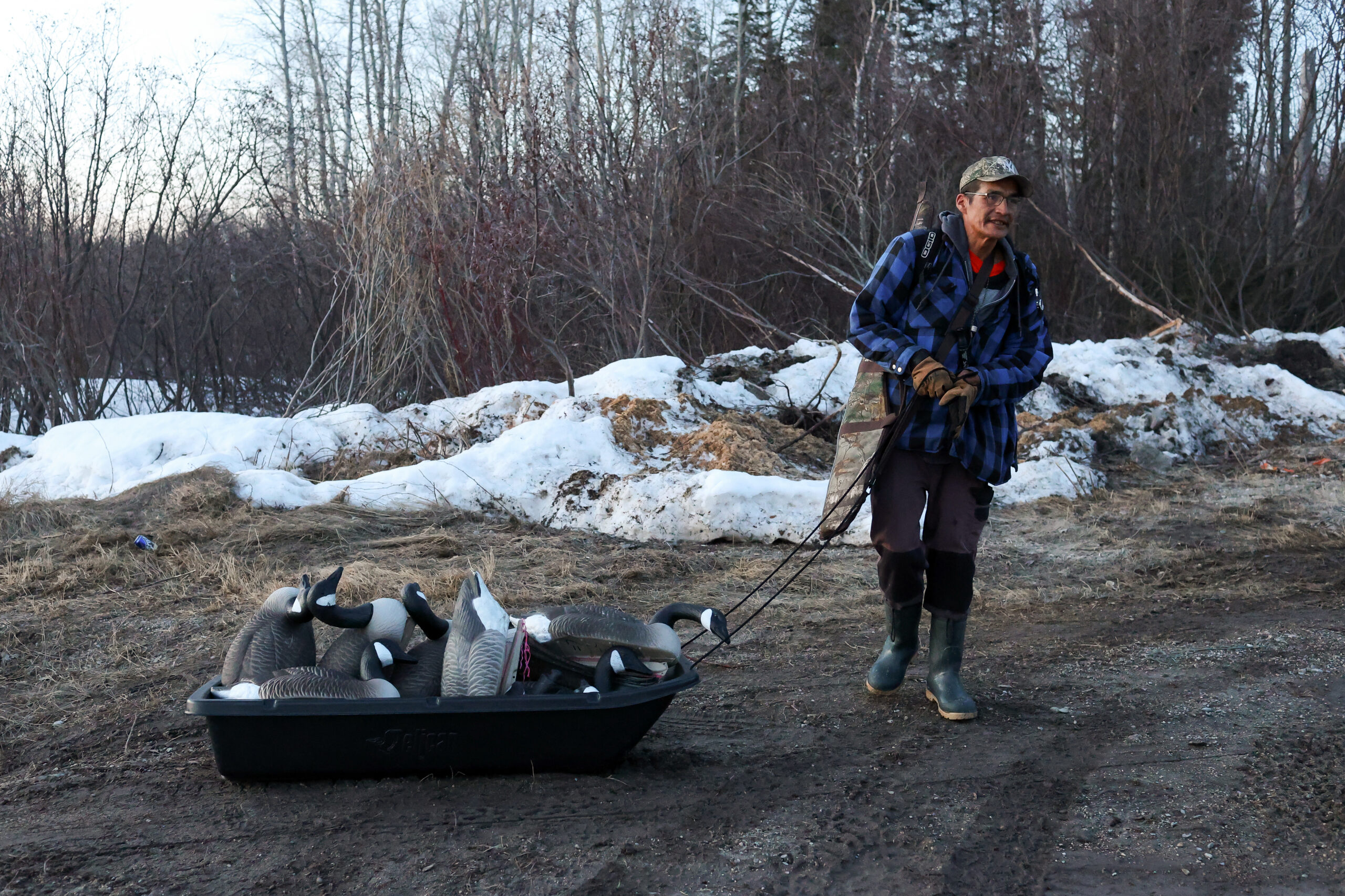 Eabametoong resident Dave Keeskitay returns from a hunt. Some local residents are worried that big mining projects could fundamentally change their way of life. Photo: David Kawai for The Logic
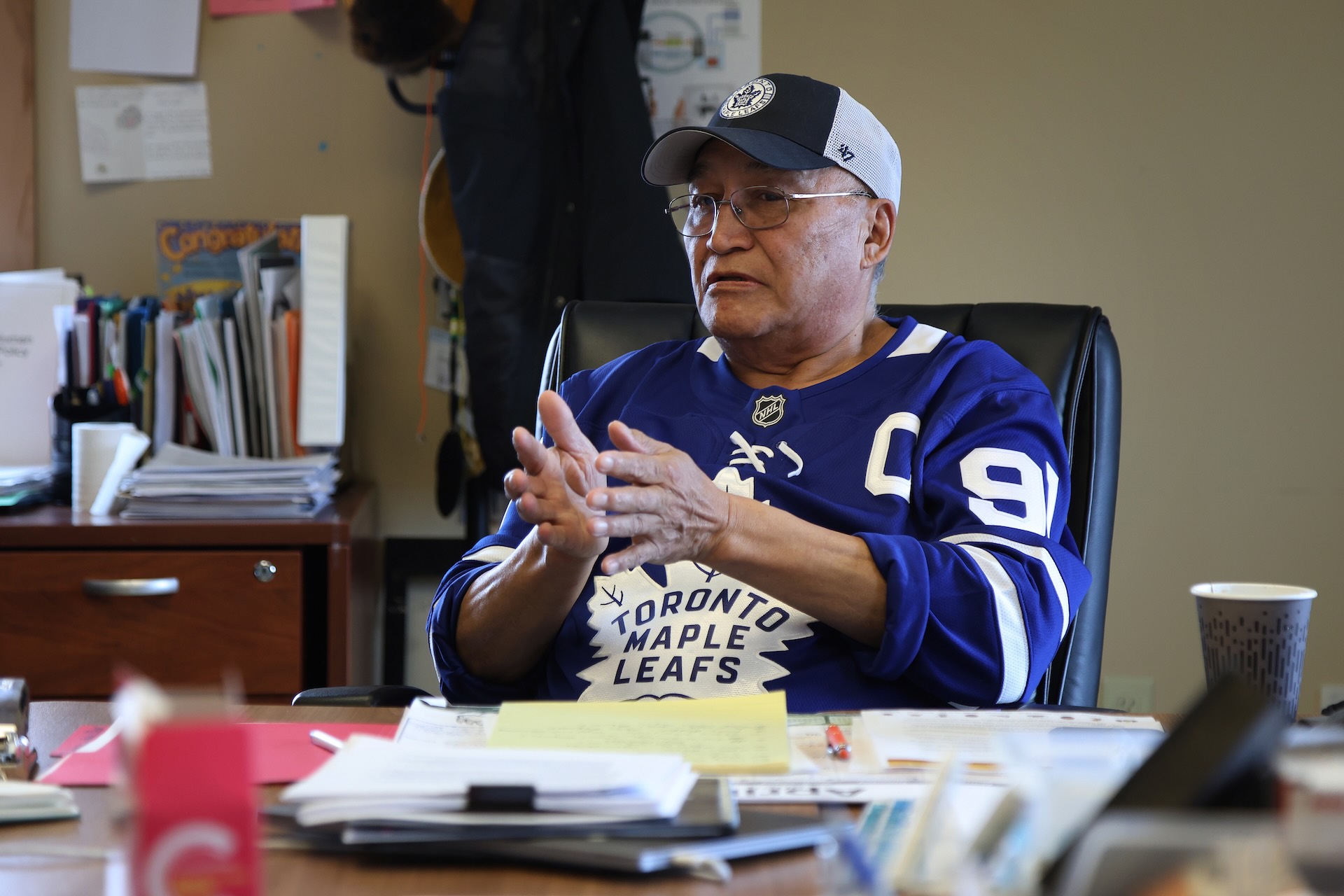 Chief Solomon Atlookan at his desk at the band office. He has led the Eabametoong First Nation off and on for 14 years. Photo: David Kawai for The Logic
 Eabametoong’s only school burned to the ground last year and children are now taught in temporary buildings. Many locals believe it could take more than a decade for a new, permanent school to be built. Photo: David Kawai for The Logic
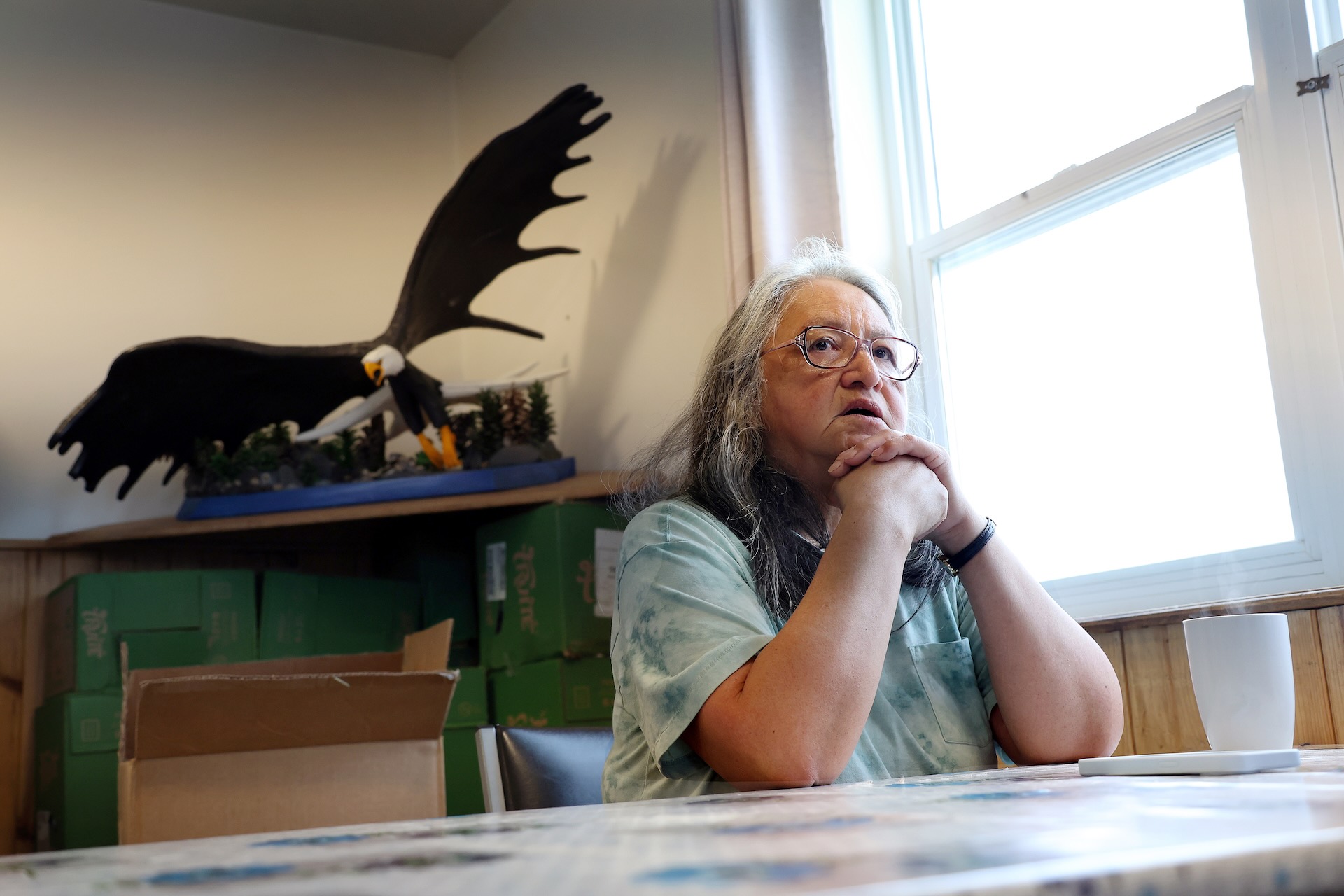 Christine Yesno, who grew up in Eabametoong, recently returned after many years living in Thunder Bay. She feels many people are in need of reliable work. Photo: David Kawai for The Logic
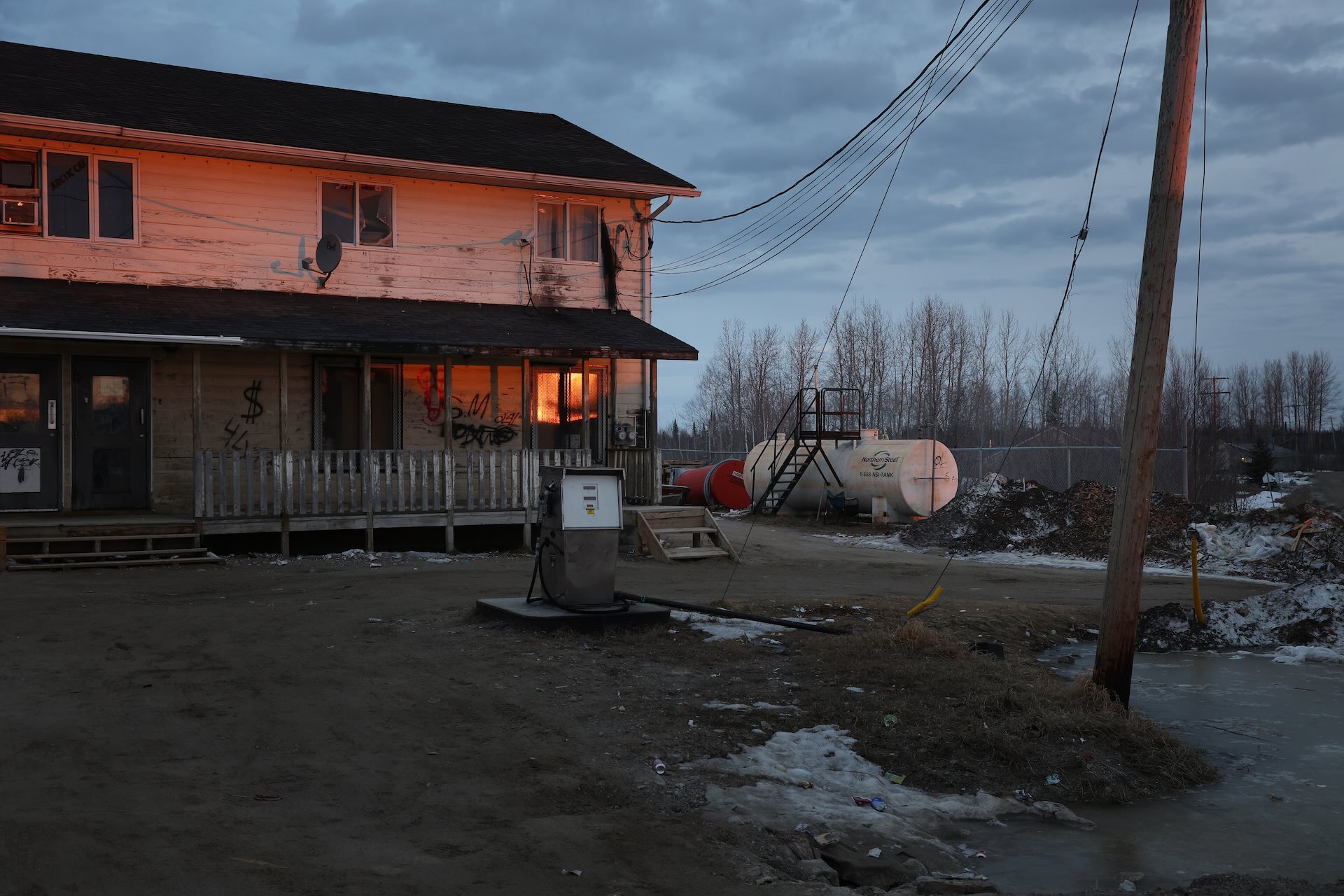 Many buildings in Eabametoong are in desperate need of repairs. The community’s two grocery stores mostly sell non-perishable food, and at prices double those found in most of Canada. Photo: David Kawai for The Logic
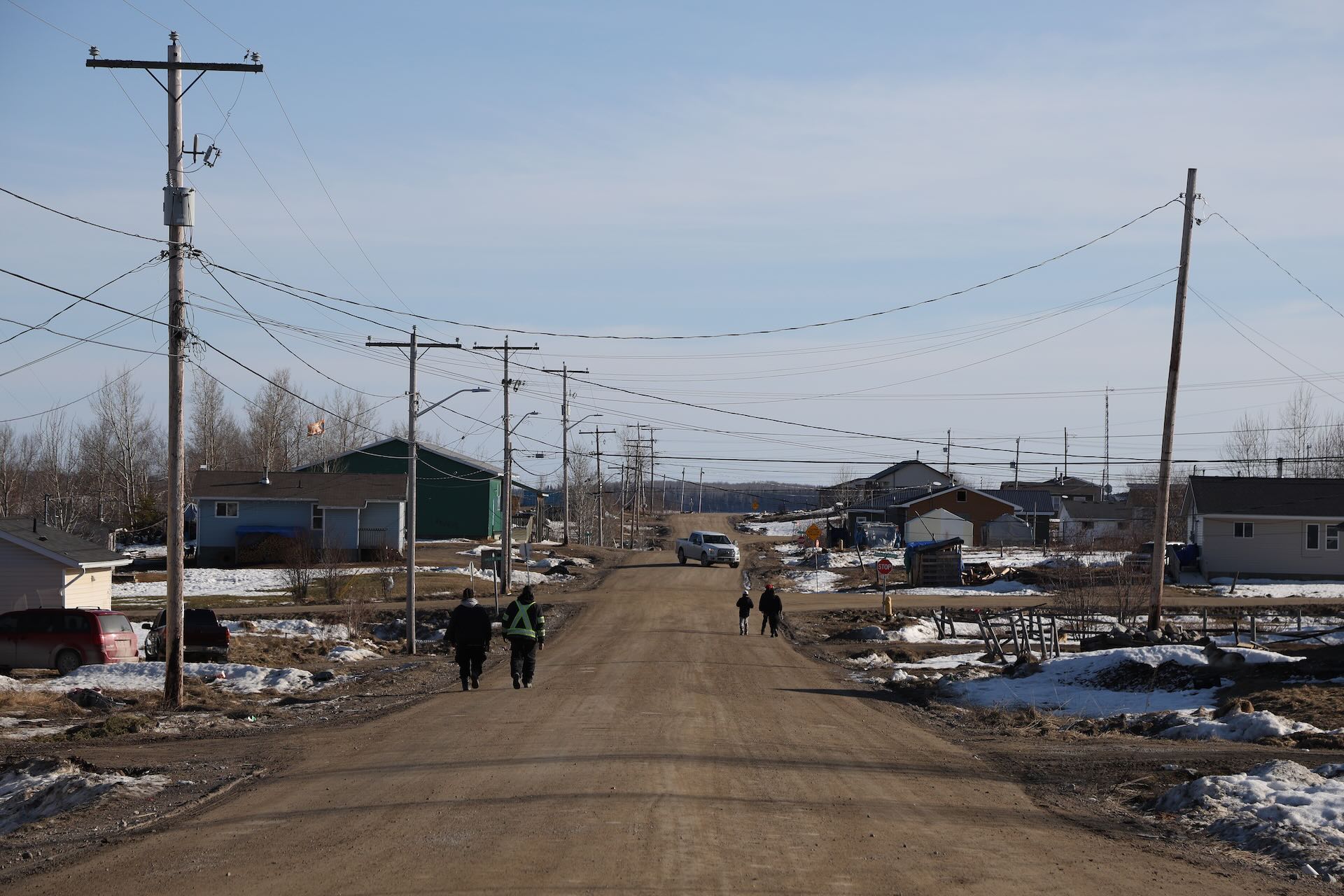 People in Eabametoong have boiled their drinking water for the last two-and-a-half decades, even after getting a new treatment plant in 2019. Photo: David Kawai for The Logic
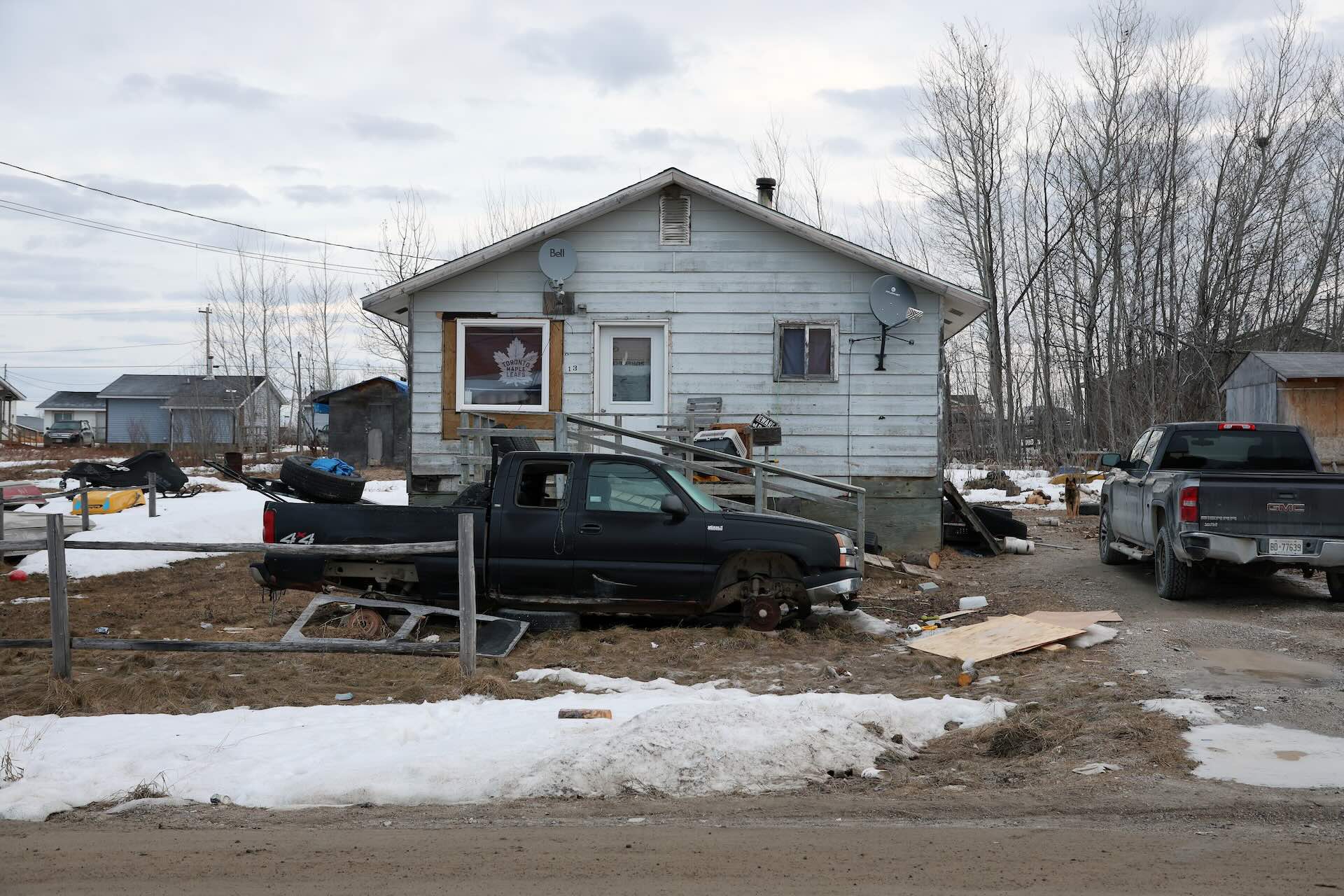 Some people in Eabametoong live eight or nine to a small house, heated by woodfire. Many of the buildings are in desperate need of repairs. Photo: David Kawai for The Logic
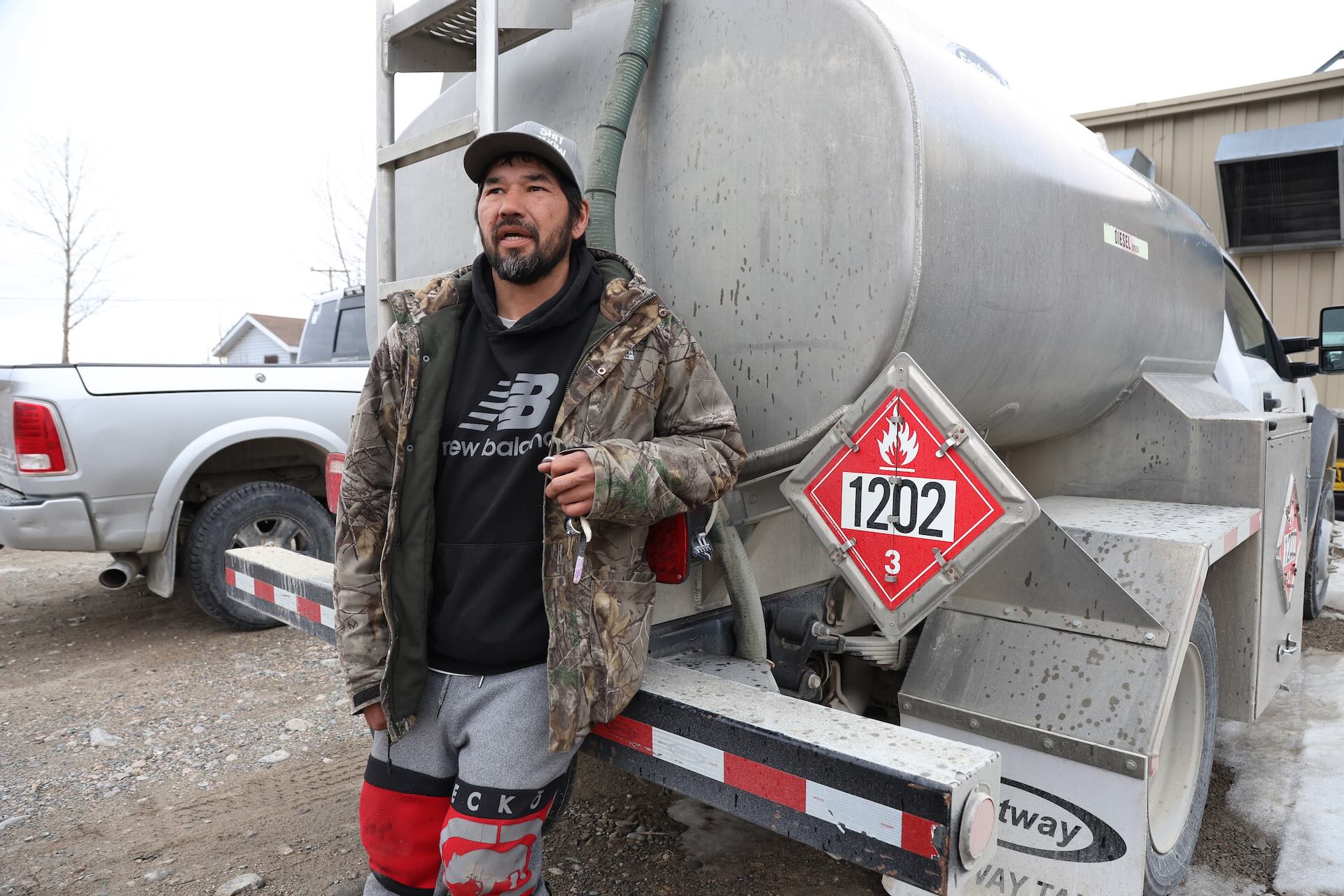 Kendall Jacko, who moved to Eabametoong three years ago. He worries that major mining projects could threaten the connection locals have with nature. Photo: David Kawai for The Logic

The Big Read
This is why Donald Trump really wants to annex Canada
Indigenous communities in the Ring of Fire stand to benefit greatly or suffer dearly in the race for critical minerals. Locals say their opposition to mining is misunderstood.
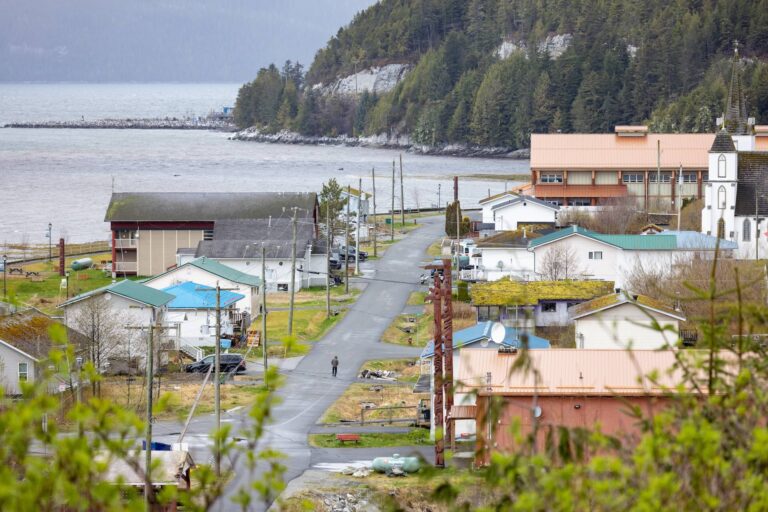
Eabametoong First Nation, also known as Fort Hope, is home to about 1,700 people. It sits within the Ring of Fire, an area rich in critical minerals that stretches across much of Northern Ontario. Photo: David Kawai for The Logic
EABAMETOONG FIRST NATION, Ont. — In April, as Canada geese start to fly home from their winter retreat in the U.S., hunters in the Eabametoong First Nation head to the lakes and nearby creeks. As the sun sets over the remote Northern Ontario community, Dave Keeskitay, 40, returns from a hunt along what’s left of the melting ice road on Lornjack Bay. Sillouetted against a cotton-candy sky, he pulls a sled of goose decoys, his rifle slung over his shoulder. He bagged four birds that morning, but had no luck in the afternoon.
Talking Points
- Election promises to let First Nations profit from critical mineral development in the Ring of Fire are being met with skepticism in the remote Eabametoong First Nation, which struggles with water quality, housing and extraordinarily high living costs
- Chief Solomon Atlookan says projects should only move forward if there are binding agreements to improve the quality of life of the people who live in the region
For hunters like Keeskitay in the remote communities south of the Hudson and James Bays, the seemingly endless peatlands and boreal forest are a lifeline. But the land that provides food and water to First Nations in the area also sits atop a potential treasure trove of critical minerals and precious metals, commonly known as the Ring of Fire, that could deliver communities here from poverty—or make survival in the region even harder.
“I’m just worried about the next generation growing up,” says Keeskitay, who, like many people here, is troubled by the growing government interest in spurring mining developments in Northern Ontario.
When U.S. President Donald Trump threatens to annex Canada, he is, in many ways, eyeing the Ring of Fire. The wealth of chromite, copper, nickel, platinum, vanadium and gold in Northern Ontario are globally significant, part of the critical mineral wealth that, according to former prime minister Justin Trudeau, has Trump wanting to make Canada “the 51st state.”
On the Trail
The Logic’s reporters have spread out across the country during this election campaign to visit parts of Canada that are on the front lines of economic transformation, and to cover the issues people there tell us the next government must address. Read all of our campaign trail stories here.
Even before the threat of annexation, Canadian politicians had long eyed the potential economic bounty, one that could give the country a crucial role in the global mineral arms race that has so far been dominated by China.
It can only happen if First Nations like Eabametoong are on board. The community’s opposition to the Ring of Fire mines has often been misunderstood, says Chief Solomon Atlookan, who has led the Eabametoong First Nation off and on for nearly 14 years. His desk at the band office is piled with notes and documents, including a copy of a new provincial government bill that aims to cut government review times for new mines by half.
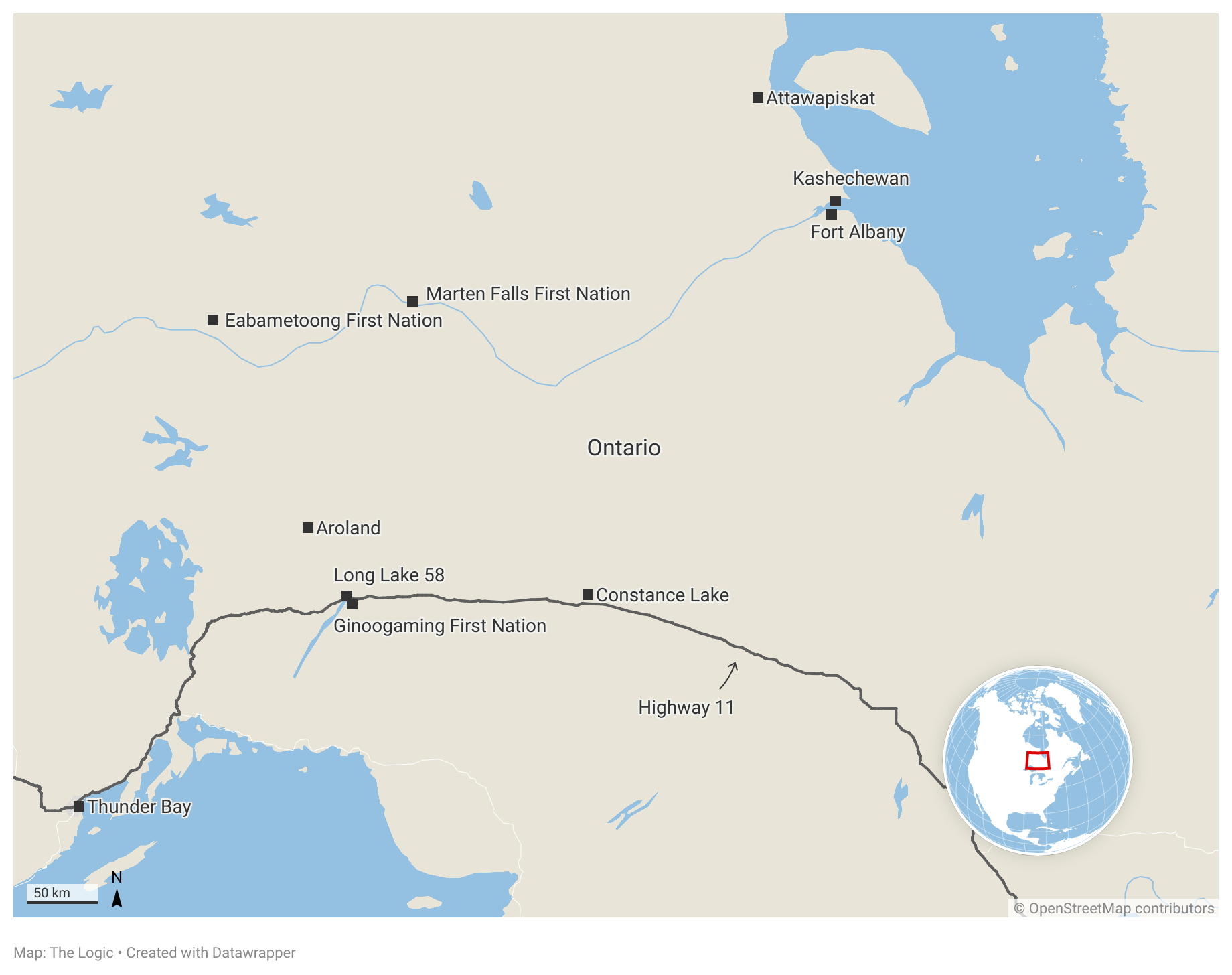
The tributaries from this mineral-rich region flow south through the vast wetlands toward Eabamet Lake, about 360 kilometers north of Thunder Bay, Ont. Eabametoong’s community of about 1,700 people is tucked along the lakeshore, accessible only by plane most of the year. The natural beauty throws the daily struggles of the community into even sharper relief.
Related Articles

People here have boiled their drinking water for the last two-and-a-half decades, even after getting a new treatment plant in 2019. It’s a constant, physical reminder of the unfulfilled promises of a better quality of life. Such promises, if met, could make Indigenous communities more likely to buy into mining projects in the region. But people here are used to being let down.
“I have never seen in my life yet that mining companies make First Nations rich,” Atlookan says. “We don’t have any document that says there’s going to be revenue sharing once they start producing. We need to have that in place.”
The future of his community sits heavily on Atlookan’s shoulders. That’s not robbed him of his sense of humour, though. When we meet, he’s wearing a Toronto Maple Leafs jersey—his way of welcoming two journalists from Ottawa. He knows mining developments could provide sorely needed opportunities for his people, including safer housing, jobs and community infrastructure.
First he wants a binding deal in hand, because he knows these first agreements struck with governments and private industries will set the tone for the ones that come later. “I think what’s more important is the fact that we want to preserve our territory as much as we can and not be overwhelmed by different projects,” he says. “Once it’s open, that’s just the way it’s going to be.”
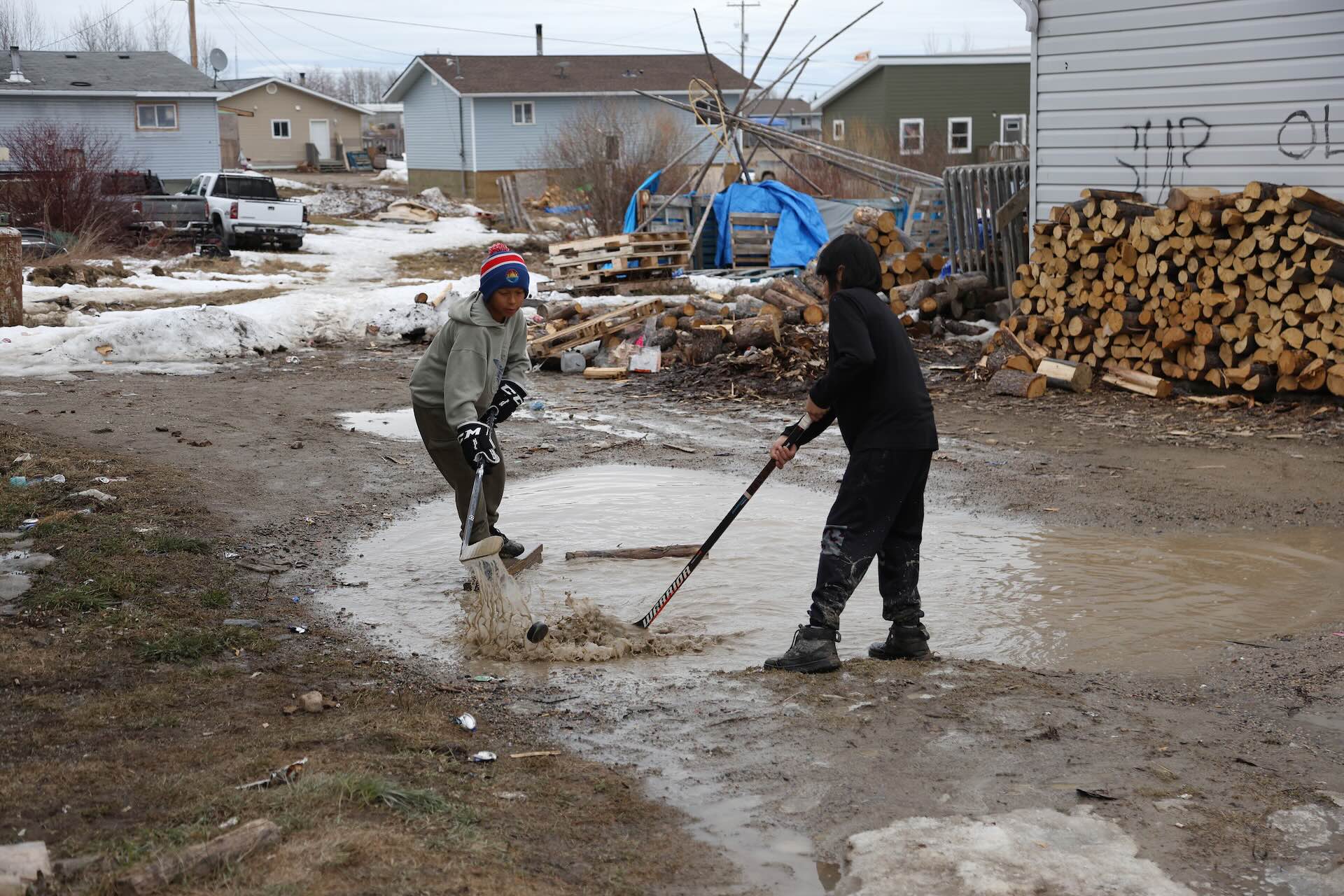
There are hundreds of kids in Eabametoong, which is also known as Fort Hope. They ride their bikes down the mud-slicked roads around town, or sled on the few patches of snow still stubbornly clinging to the hills in late April. Others play street hockey with a couple of rocks and a hockey net, duking it out in puddle-filled ruts.
Four teens were charged with burning down the town’s only school last year, so now classes are taught in temporary buildings. The classrooms are decorated with student drawings of the lake. School here only goes up to grade 8, and after that children often leave their families and move to Thunder Bay to finish their education.
The chief hopes to have a new, permanent school built within six years, though plenty of people in the community expect it will take more like 10 to 15. What might only take a few years or even months to build elsewhere in Canada can take much longer in Eabametoong because materials either need to be flown in at extraordinary cost or trucked in during the few weeks the winter ice road is open. In the meantime, the town’s only gymnasium burned down with the rest of the school, and hasn’t been replaced.
Christine Yesno, who grew up in the community, said young people in the area need work, and the kids need something they can aspire to. The population of the town is growing, and there aren’t enough jobs to go around. She returned home just a few weeks ago, after several years living in Thunder Bay. She and her late husband used to go to their spring camp down the river around this time every year to hunt geese. “We would live out there until after the ice was gone,” she says. In those days, she would have been far more reticent about big mining projects fundamentally changing the way people live in Eabametoong.
That tradition seems to be falling away on its own, she says, as people opt to take day trips instead of going out on the land for long stretches of time. Now, people need reliable work. Her foster son hasn’t been able to find a job since returning to the community with her. “He’s 33 and he doesn’t have anything to do,” she says.
The extraordinary cost of living makes it difficult to survive, even with a paycheque. Gas goes for $2.95/L, and the two local grocery shops carry mainly non-perishable foods at prices that would make most Canadians shudder. A loaf of bread or litre of milk runs for double the price people pay most other places in the country. The only fresh vegetables available in the main grocery store are potatoes and onions. The shop is nearly cleared out of apples, and only a single orange is left in one of the crates.
Housing is in short supply as well. Some people live eight or nine to a small house, heated by woodfire. Many of the buildings are in desperate need of repairs, while others are beyond repairing entirely. Those who don’t have a house live in sheds or even tents year round.
On the campaign trail, the Liberal and Conservative leaders have boasted about plans to use the critical mineral trade to boost First Nations and let them profit from resource projects on their lands.
“I want the First Nations people of Canada to be the richest people in the world,” Conservative Leader Pierre Poilievre said in a February speech that marked the unofficial launch of his campaign.
Promises to lavish communities with wealth ring hollow for Atlookan when coupled with pressure to speed up approval processes, though. “Colonialism is well and going to this day,” he says. “We’re still treated the same way as when they got off the boat.”
As of 2023, there were over 31,000 mining claims in the Ring of Fire covering over 5,000 square kilometers in the lowlands south of the Hudson and James Bays. The deposits are likely enough to make Canada a player in the global mineral rush—if miners can get them out of the ground.
“The lack of effective coordination to date on major project approvals in Canada has left us lagging behind our global peers,” Kristan Straub, the CEO of global mining giant Wyloo’s Canadian operations, said in a statement. He added it was “refreshing” that potential reforms and funding were being mentioned during the election campaign.
The Australian-owned company, which is based in Toronto and Thunder Bay, is behind the Eagle’s Nest mine, one of the largest projects under consideration in the Ring of Fire. The company hopes to produce 15,000 tonnes of nickel, 6,000 tonnes of copper, 70,000 ounces of palladium and 22,000 ounces of platinum per year once it’s up and running. The plan is to process those minerals in Sudbury, Ont.
The two nations closest to the Eagle’s Nest project, Webequie and Marten Falls, signed agreements with Wyloo in hopes of delivering jobs for their young workers and holding the company to its environmental promises. Straub has said the company plans to award millions of dollars of contracts to local, Indigenous-owned businesses willing to work with them.
Those two communities are also proponents of a permanent road that would ultimately connect the mine with existing Ontario provincial highways. Nations that are farther away from the mine, however, fear they’ll suffer the consequences of development without reaping the benefits. As soon as the community is connected to the road network, for instance, Eabametoong would lose some of its federal funding, Atlookan says. But he says there’s no guarantee the cost of living will go down accordingly.
Read more from the campaign trail

That’s why he wants the company and all levels of government to negotiate with First Nations outside of the immediate development area as well. “I keep reiterating that we live here, and we are treaty partners, and this is our territory,” Atlookan says. “They need to talk with us, not just certain groups.”
Eabametoong is one of 15 Indigenous communities involved in a regional assessment of the Ring of Fire region. Though there are no critical mineral deposits in its immediate area, Eabametoong’s local council became a champion for Indigenous consultation when it took the Ontario government to court in 2018 over the issuing of a gold mining permit. A judge eventually quashed the permit because government officials had failed to talk to the community before they issued it.
With that in mind, Bruce Court, the CEO of Storm Exploration, said he took a different tact when he approached Eabametoong to look for precious metals. “I was always trying to be very respectful and careful in the way I approached it,” he says. Eabametoong signed an agreement with his company last year, which gives the First Nation shares in the company and commits Storm to contributing to a community fund.
“This approach should be a model for others to follow,” the chief said in a press release at the time.
For some, though, any amount of industrial development is viewed as a threat to the sense of community that has flourished here, even against adversity. Kendall Jacko belongs to the Grassy Narrows First Nation, and only moved to Eabametoong three years ago.
He was homeless in Thunder Bay, having turned to alcohol after the death of his mother, when a friend invited him to come up to visit. “If it wasn’t for this place, I probably wouldn’t be alive,” Jacko said. It was the dead of winter when he arrived, and he started working for the community chopping wood, which he had never done before. After that he worked security shifts, then took a job at the school. Now he works for the power authority, helping to keep the lights on in the diesel-powered reserve.
Just as importantly though, he says he started taking up hunting and fishing. Now he traps and skins wolves in the bush outside town. He’s started to call Eabametoong home, precisely because of how removed it is from the rest of the country. “I can move to Timmins, and I can work in the mine and make good money, but I’d rather choose to live here because I’m one with nature,” Jacko says.
“As an elder once said, ‘Land is richer than money,’” he says, as he prepares to start his morning shift. There may never be consensus among First Nations in the Ring of Fire about how to approach the wealth of critical minerals buried underground. One way or another, the next government will have to reckon with the idea that prosperity in Northern Ontario isn’t always measured in dollars.
This reporting is made possible by the generous support of the Covering Canada: Election 2025 Fund, a non-partisan granting initiative by the Public Policy Forum, the Rideau Hall Foundation and the Michener Awards Foundation. Its goal is to help journalists cover election stories that would otherwise go untold.



Loading...
Thanks for sharing!
You have shared 5 articles this month and reached the maximum amount of shares available.
CloseThis account has reached its share limit.
If you would like to purchase a sharing license please contact The Logic support at [email protected].
CloseGift the full article!
You have gifted 0 article(s) this month and have 5 remaining.
Recipients will be able to read the full text of the article after submitting their email address. They will not have access to other articles or subscriber benefits.
Photo: David Kawai for The Logic
Eabametoong resident Dave Keeskitay returns from a hunt. Some local residents are worried that big mining projects could fundamentally change their way of life.
Chief Solomon Atlookan at his desk at the band office. He has led the Eabametoong First Nation off and on for 14 years.
Eabametoong’s only school burned to the ground last year and children are now taught in temporary buildings. Many locals believe it could take more than a decade for a new, permanent school to be built.
Christine Yesno, who grew up in Eabametoong, recently returned after many years living in Thunder Bay. She feels many people are in need of reliable work.
Many buildings in Eabametoong are in desperate need of repairs. The community’s two grocery stores mostly sell non-perishable food, and at prices double those found in most of Canada.
People in Eabametoong have boiled their drinking water for the last two-and-a-half decades, even after getting a new treatment plant in 2019.
Some people in Eabametoong live eight or nine to a small house, heated by woodfire. Many of the buildings are in desperate need of repairs.
Kendall Jacko, who moved to Eabametoong three years ago. He worries that major mining projects could threaten the connection locals have with nature.
Most Popular This Week




In-depth, agenda-setting reporting
Great journalism delivered straight to your inbox.
News
Panel decries Canada’s chaotic way of funding world-class science
Briefing
Feds pledge $15M for U.S. satellite navigation company Xona to expand in Montreal
Inovia raises US$200M for new VC fund as it eyes AI’s impact
43% of eligible Albertans voted ahead of Monday’s referendum
Best business newsletter in Canada
Get up to speed in minutes with insights and analysis on the most important stories of the day, every weekday.
Exclusive events
See the bigger picture with reporters and industry experts in subscriber-exclusive events.
Membership in The Logic Council
Membership provides access to our popular Slack channel, participation in subscriber surveys and invitations to exclusive events with our journalists and special guests.





