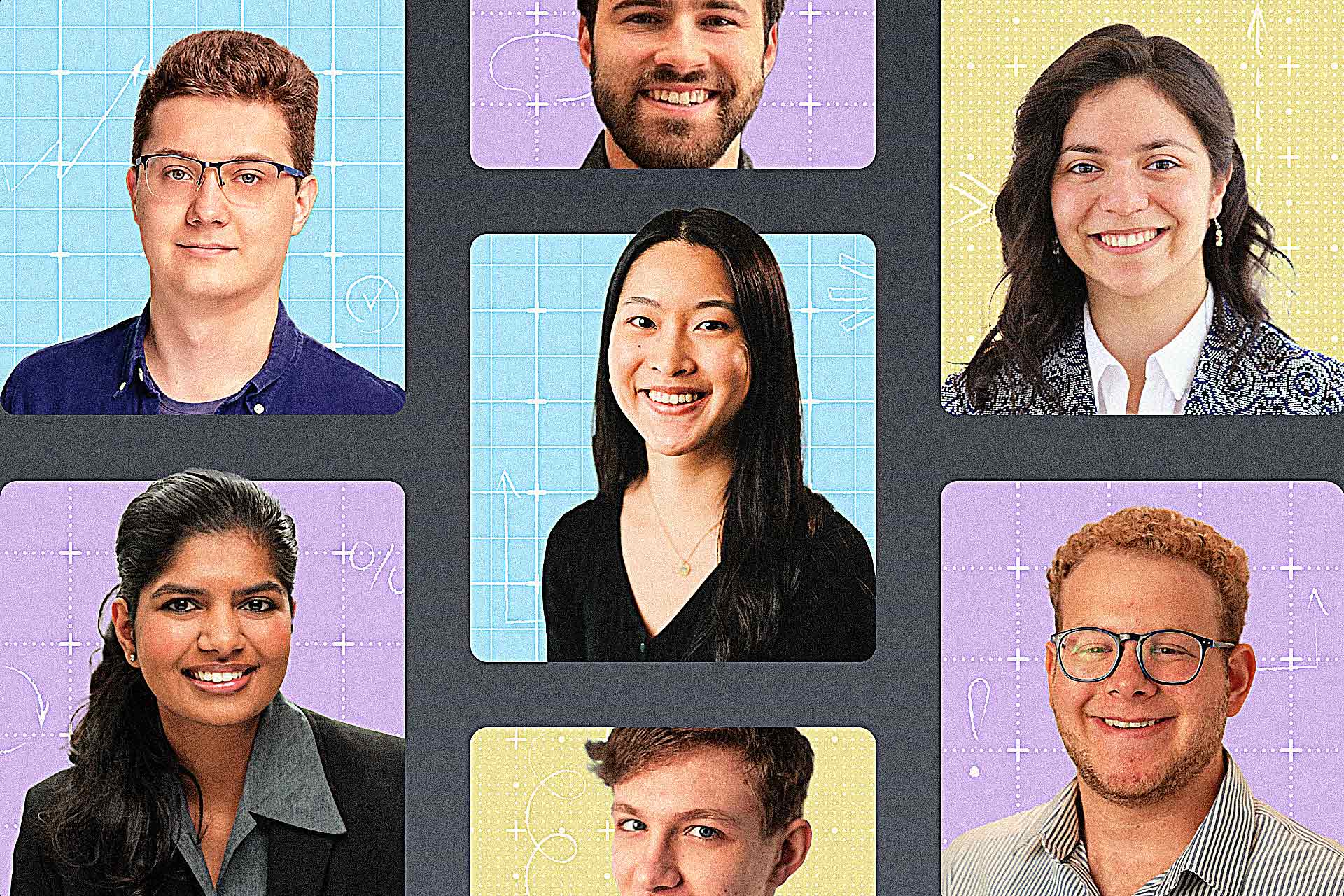
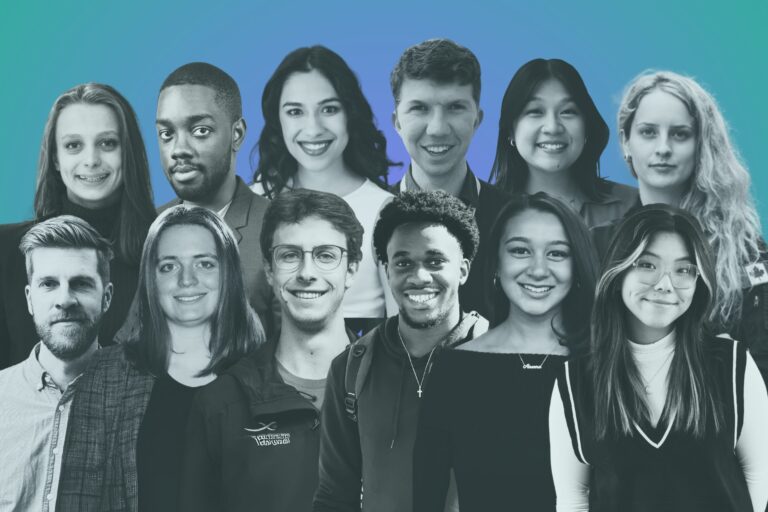
The Logic has scoured Canada’s top-ranked engineering and computer science universities to find some of the country’s most exciting innovators.
Now in its eighth year, the Top Prospects series aims to unearth the top graduates working on solving major challenges by building and scaling new technologies and ideas. As well as their academic chops, many of these graduates also contributed to the wider academic community by leading mentorship and outreach programs. Some will now continue their studies, while others are off to take up jobs at major engineering and technology firms.
In alphabetical order, here are 12 of Canada’s leading innovators from the Class of 2025.
Eduard Anton
- School: McGill University
- Program: Software engineering
- Employment status: Re-drafted by McGill University
In 2022, while studying software engineering at McGill University, Anton co-founded LiveGuard, an AI-powered tool that helps streamers edit video and audio in real time. Last year, Canadian AI conference All In named it one of the country’s top 100 startups. Anton also co-directed this year’s McHacks, one of the country’s largest student-run hackathons, and interned at Ericsson, Airbus and Canadian flight-training company CAE. Next up: a master’s of science in computer science at McGill.
Shawn Benedict
- School: University of Waterloo
- Program: Nanotech engineering
- Employment status: Re-drafted by the University of Waterloo
By the time he graduated from the University of Waterloo this spring, Benedict had already won 13 awards, including the Sandford Fleming Foundation Award for top marks in his cohort, pitched products at the Consumer Electronics Show in Las Vegas and contributed to cutting-edge AI research during a co-op placement in Norway. Now he’s back at Waterloo for a Natural Sciences and Engineering Research Council-supported PhD in chemical engineering to help reimagine how we turn plastic waste and carbon dioxide into valuable products as part of the international Center for Innovative Recycling and Circular Economy Project. His optimization and machine learning work will be used on everything from genetically modifying plastic-eating bacteria to streamlining processes at chemical plants.
Armita Khashayardoost
- School: University of Toronto
- Program: Engineering science
- Employment status: Drafted by Dutch energy trading company Northpool B.V.
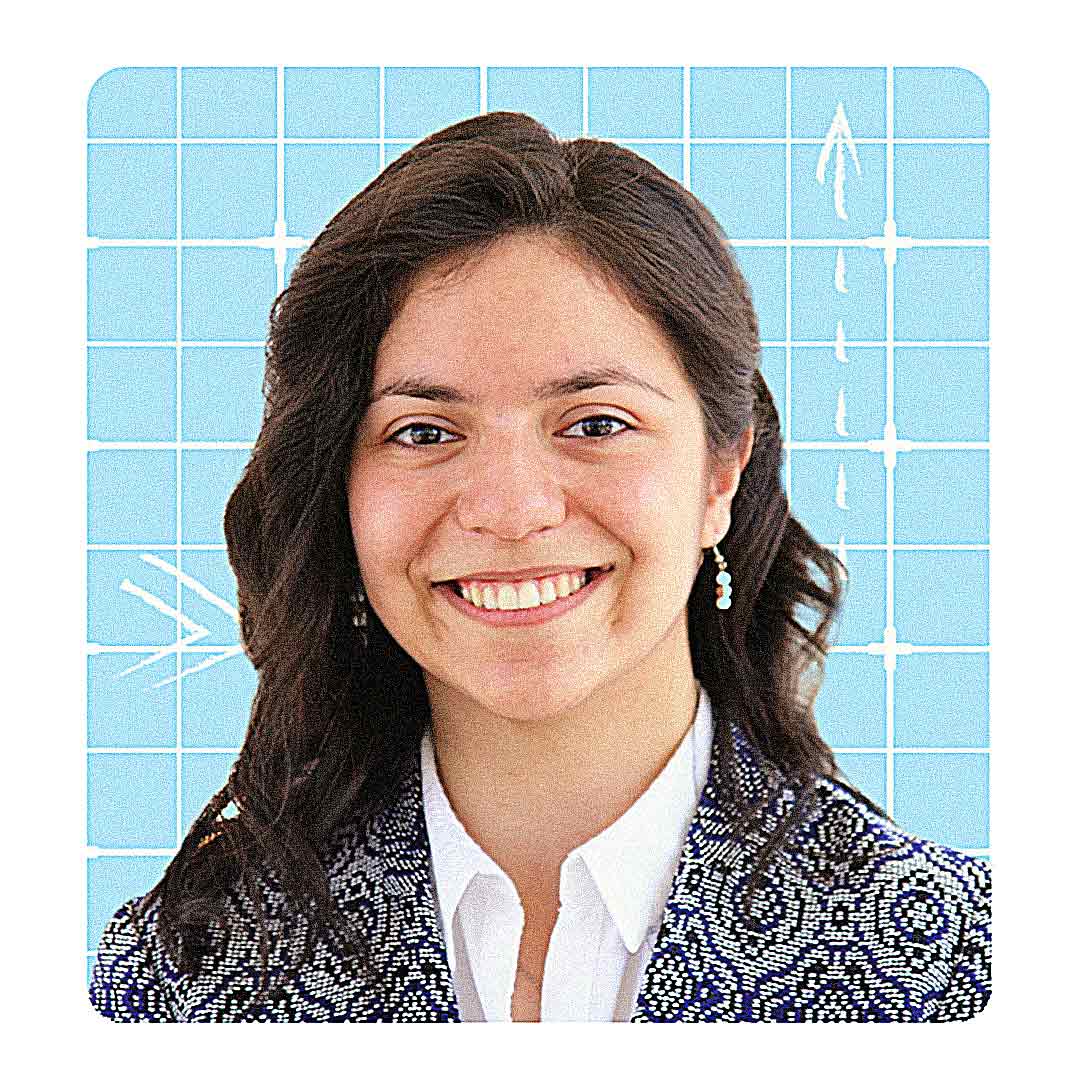
This spring, Khashayardoost graduated from the University of Toronto’s engineering science program, which combines rigorous academics with plenty of hands-on experience. She spent a year at connectivity firm Alphawave Semi helping design custom chips and completed an undergraduate thesis on grid resilience and cybersecurity. “Most of our classes incorporated projects, labs or problem sets that didn’t always have a single correct answer, which encouraged us to think differently and work collaboratively,” she says.
Born in Tehran and raised in Toronto, Khashayardoost also founded a local chapter of Stars for Scholarly Youth, a non-profit that provides tutoring and mentorship to underserved children, including newcomers, that last year matched about 100 young students new to Canada with U of T undergraduates. She also served as co-president of the school’s Women in Science and Engineering group. She will soon join Netherlands-based energy trader Northpool B.V., working at the intersection of smart grids and climate change. Khashayardoost is excited about how energy trading can help build a greener economy by matching supply and demand in systems powered by renewable sources like wind and solar.
Melda Kiziltan
- School: University of Waterloo
- Program: Mechatronics engineering
- Employment status: Drafted by Navblue, an Airbus company
Kiziltan set her sights on the University of Waterloo’s mechatronics program back in the seventh grade, attracted by its mix of mechanical, electrical and software engineering, and the chance to follow her curiosity. She’s certainly made the most of it. As a team lead with UW Orbital, she helped in building CubeSat, a fully functional, low-cost, small-footprint satellite, and winning the Canadian Satellite Design Challenge in 2023. She’s also racked up top prizes at Canadian and international hackathons and, alongside her capstone team, developed EV-TREx, an award-winning battery extinguisher system that uses deep learning and fibre optics to prevent EV fires from spreading. Kiziltan recently joined Airbus subsidiary Navblue as a software developer, where she’ll work on products that improve airline safety and efficiency.
Samantha Krieg
- School: University of British Columbia
- Program: Civil engineering
- Employment status: Drafted by the University of Canterbury in New Zealand
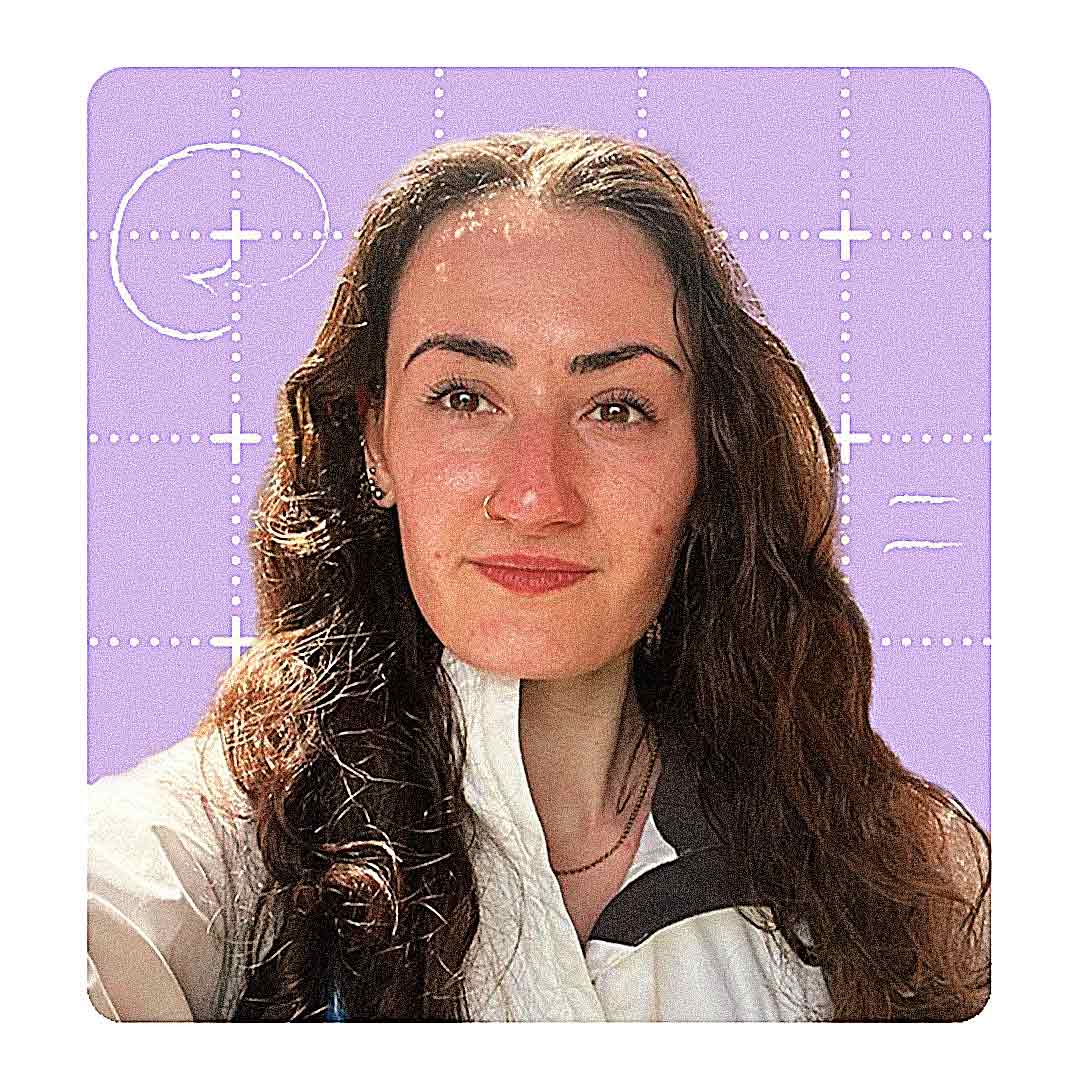
Krieg took an unconventional path to get to the top of her graduating class at the University of British Columbia. Coming out of high school and mistakenly convinced she wasn’t good at math and science, Krieg moved to Toronto for culinary school—within three years, she was leading her own station in the kitchen of one of the best restaurants in Canada. Despite the success, she felt like something was missing. So she pivoted to civil engineering, and brought that same drive to her most recent degree.
At UBC, she founded and led a 75-person multidisciplinary team designing fire-smart, energy-efficient homes that placed in international competitions, raised $150,000 for a modular housing project for first responders, and helped create a seismic damper designed to reduce earthquake forces and keep structures upright—a standalone, scalable device that works with different kinds of buildings and constraints. Krieg is now off to the University of Canterbury in New Zealand for a fully funded PhD in structural engineering, where she’ll keep tackling building safety in a context of climate resilience.
Jacqueline Mansiere
- School: University of British Columbia
- Program: Chemical and biological engineering
- Employment status: Drafted by Canadian Natural Resources
Mansiere chose the University of British Columbia’s chemical and biological engineering program for its mix of problem solving, innovation and sustainability. She’s channelled that blend into real-world impact, designing a bioreactor and carbon capture system for a local brewery, optimizing bioprocesses at a biotech company, and now working to make oil and gas operations more sustainable in her post-grad internship at Canadian Natural Resources, a Calgary-based crude oil and natural gas production company. Outside the lab, Mansiere has built community and amplified student voices as president of her program’s council and co-president of the UBC chapter of the Society of Petroleum Engineers.
Alexander Ryabchenko
- School: University of Toronto
- Program: Mathematics and computer science
- Employment status: Double drafted as a research assistant by both U of T and the Vector Institute
Ryabchenko might have finished his degree in mathematics and computer science with a perfect GPA and the highest academic standing for the class of 2025, but it’s his research skills that really turn heads. Faculty say he’s already working at a doctoral-candidate level, and his work on sequential decision-making was accepted to COLT 2025, one of the world’s top machine learning conferences. Ryabchenko’s research dug into how systems can keep learning and adapting on the fly, even when computing power or data are limited, a problem that’s becoming critical as AI systems grow more complex.
His work could make real-time AI systems—like recommendation engines and adaptive medical tools—more efficient and less resource-intensive. He’s now splitting his time between research at the University of Toronto and the Vector Institute, a non-profit research hub, working on theories that could shape AI systems for years to come.
Ananya Swaminathan
- School: University of British Columbia
- Program: Electrical engineering
- Employment status: Drafted by Turner Construction
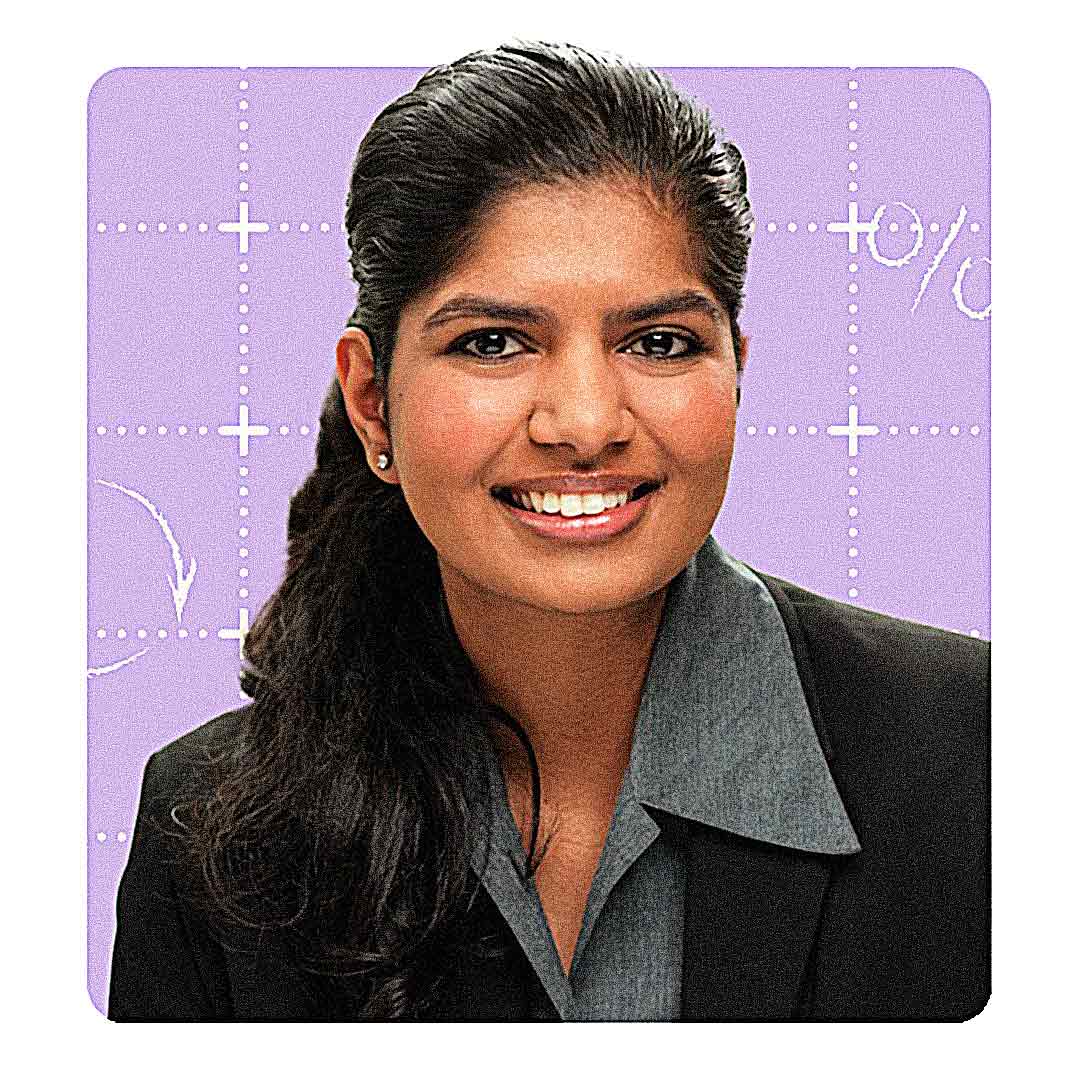
Swaminathan brings together technical depth, entrepreneurial spark and serious leadership chops. She captained the UBC ThunderBikes electric motorcycle team and grew it from six members to 60, all working to design and build a bike from scratch. It was hands-on work—managing timelines, running simulations, coordinating with sponsors and troubleshooting complex systems—that gave her practical knowledge she couldn’t have picked up in the classroom alone.
She also co-founded Mycolab, a startup hoping to use fungi to slash the time it takes plastic to degrade from centuries to weeks. On campus, she’s been a teaching assistant, council director, orientation leader and student union rep, roles that taught her the power of being involved. She’ll soon be joining Turner, a New York-based construction services company, as an electrical and mechanical project engineer, while continuing to build Mycolab on the side.
Mark Tchinov
- School: McGill University
- Program: Bioengineering
- Employment status: Re-drafted by McGill
With startup chops, an advocacy mindset and a clear healthtech vision, Mark Tchinov wants to transform biomedicine. He co-founded Foursight Medical, a venture developing a glaucoma drainage implant designed to deliver more predictable fluid drainage and reduce complications for patients. That work will also anchor his upcoming master’s of science in biomedical engineering at McGill University.
Beyond the lab, Tchinov is the president and managing director of the Canadian Undergraduate Biomedical Engineering Council, a national non-profit he helped relaunch in 2021, leading a team of 20 across Canada to grow the biomedical engineering field through events, resources and outreach. He’s also working part-time with Gremse-IT, a German company that specialises in biomedical image analysis, where he’s helping biotech firms accelerate radiopharmaceutical development using AI-powered tools.
Jennifer Tsai
- School: University of Waterloo
- Program: Biomedical engineering
- Employment status: Drafted by the University of California, Berkeley and University of California, San Francisco
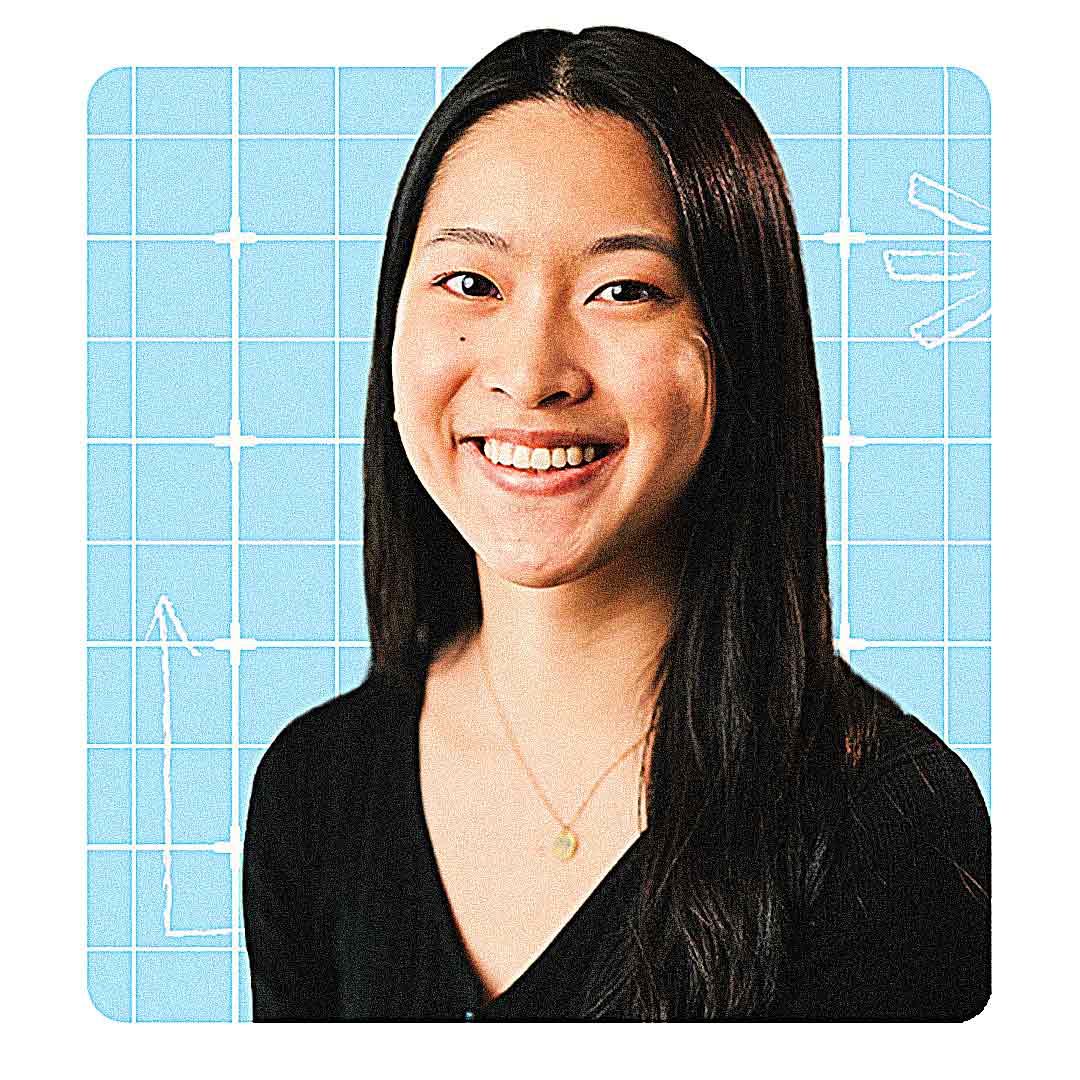
Named Waterloo Engineering’s Co-op Student of the Year in her third year, Tsai has been published multiple times, given talks at major conferences and mapped the cellular landscape of the anterior thalamic nuclei—key to short-term memory—at UBC’s Cembrowski Lab. During co-op placements in Switzerland and the U.S., she also contributed to research projects focused on memory, movement and emotion.
Tsai is the co-founder of Nucleate Dojo, a non-profit that’s helped hundreds of undergrads break into biotech through training and grants for under-represented students. Tsai will soon start a PhD in bioengineering at UCSF and UC Berkeley, focusing on patient-centred neuroscience research.
Andrew Watford
- School: University of Waterloo
- Program: Mathematical physics
- Employment status: Drafted by the University of Oxford
Watford is putting math and machine learning to work against one of the world’s most pressing climate threats. During his studies in mathematical physics at the University of Waterloo, he co-authored a peer-reviewed paper that used AI to predict drought patterns in Kenya, where rising temperatures threaten crops, wildlife and millions of lives each year. Watford wrote code to model vegetation health in drought-prone regions, aiming to make early warnings more accurate and actionable, and hopefully save lives. Next up: Watford is taking that big-picture thinking to the University of Oxford, where he plans to keep bridging theory and real-world impact on a global scale.
Emily Zhang
- School: Simon Fraser University
- Program: Computing science
- Employment status: Drafted by Microsoft
For Zhang, building smart systems goes hand-in-hand with building inclusive communities. Since 2019 she has volunteered with AI4All, a non-profit dedicated to transforming the AI practitioner pipeline, and mentored high school students from under-represented communities. The computing science grad has also interned at Nokia and Microsoft, earned an assortment of scholarships and served as president of the SFU Esports Association. Zhang is gearing up to move to Seattle for a gig with Microsoft as a software engineer.