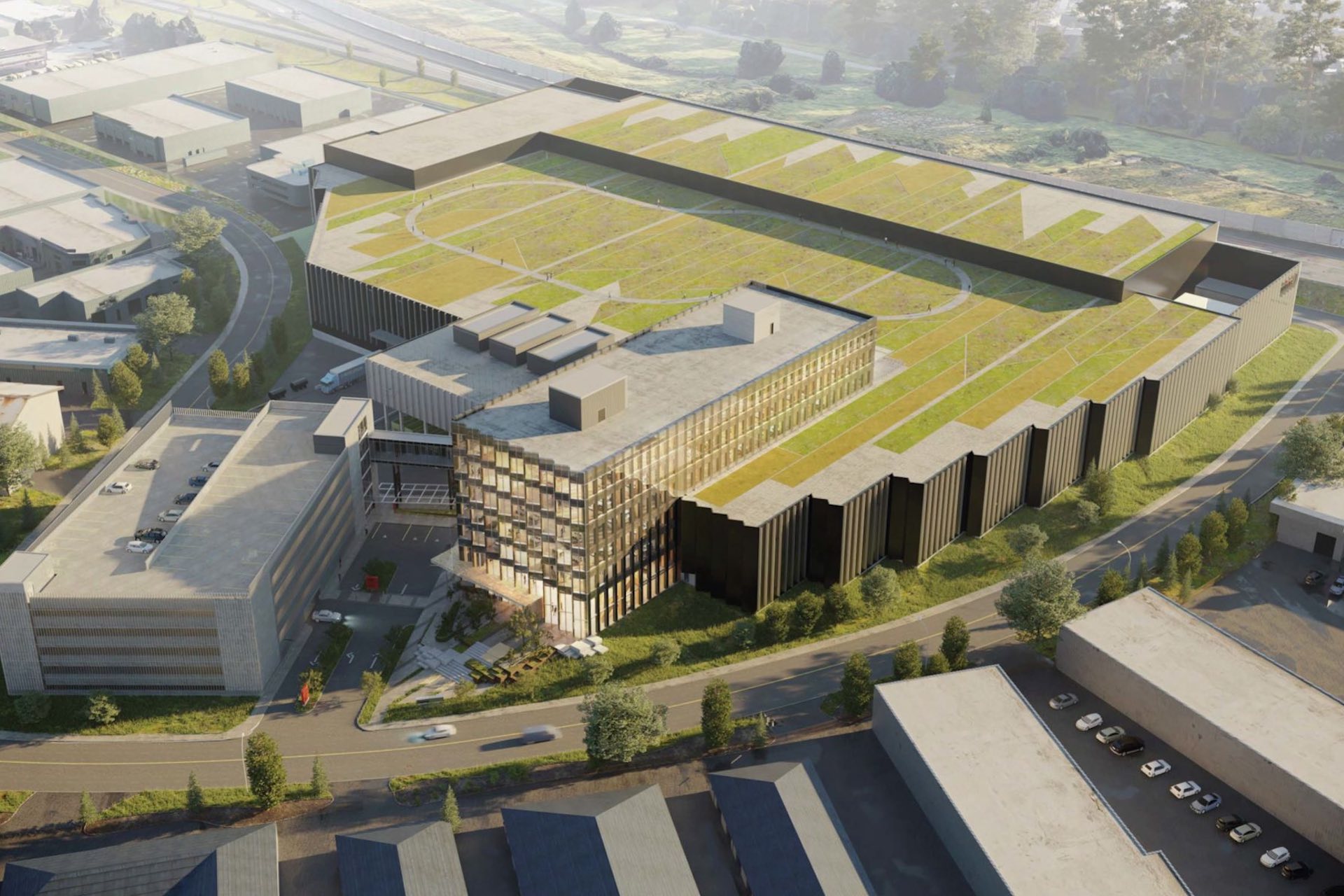
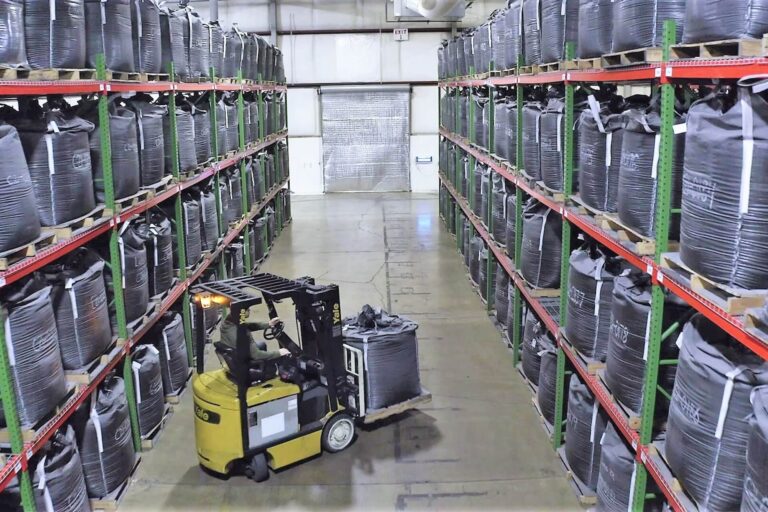
E-One Moli’s decision to postpone its $1 billion battery plant in B.C. has conjured flashbacks for some in the province.
“It’s sort of like the classic story of companies in B.C. not having an environment to feel like they can scale and grow,” said Dan Burgar, CEO of the Frontier Collective, a group that promotes B.C.’s emerging tech sectors. He points to companies like Vancouver-founded Slack, which moved its head office to the U.S.
TCC, the battery maker’s Taiwan-based parent company, announced in November it was halting plans to build a new gigafactory in Maple Ridge as it focuses on projects in its home country. The stoppage—and the history of decisions that put Moli in foreign hands to begin with—are resurfacing long-standing questions about the prospects for pioneering startups trying to scale and remain on Canada’s West Coast.
Moli Energy, the forerunner of E-One Moli, spun out of research that started at the University of British Columbia’s applied physics group in the late 1970s. Within a decade, the company had launched its own brand of batteries, Molicel, and is now considered a trailblazer in the development of rechargeable lithium batteries for high-power applications like power tools, race cars and aerospace. By 1990, it had raised about $90 million.
But in the summer of 1989, Japanese telecom giant NTT issued a recall of all its cell phones that ran on Molicel batteries after one caught fire, inflicting minor injuries on its user. For Moli, the incident set off a disastrous chain reaction. The B.C. government, its biggest investor, called in a $430,000 interest payment, sending the company into default.
The firm ultimately sold to a Japanese consortium, which scooped it up at pennies on the dollar. TCC bought it in 2000.
To celebrated Canadian battery scientist Jeff Dahn, who worked at the company from 1985 to 1990, Moli’s track record over decades speaks for itself. Not only was it the first in the world to make rechargeable lithium batteries, he said in an email, it was first to “demonstrate that purpose-designed Li-ion cells could be used in power tools.” Today, Dahn said, “Moli makes some of the best high power lithium-ion cells in the world.”
The EV advocacy group Accelerate has characterized the B.C. government’s 1990 decision as a “forced” sale that led to Canada losing its edge in a key industry “because it failed to see the economic, geopolitical, and environmental value of this technology at the right moment.” The report documents the country’s history of “losing winners” to large foreign firms “who ultimately reap the economic rewards at scale.”
Innovation minister François-Philippe Champagne last week assured reporters that the “slight readjustment” in Moli’s schedule won’t shake the country’s “North Star” of electrification. His office said the minister hopes to meet next week with the company, which is maintaining its current operations in B.C.
Unlike other beleaguered battery startups, Moli has been through a valley of death before—and survived. Dahn predicts that the Taiwan plant will “inevitably” get more customers, prompting the company to get the new Maple Ridge facility back on track.
Still, Burgar hopes Canadian policymakers will take the issue seriously.
“If we continue to flounder, we’re going to miss this major opportunity,” he said. “And it’s the once-in-a-lifetime opportunity.”
Read Shift—The Logic’s authoritative weekly newsletter on automotive technology industry news—for more; and if you know someone who should be reading it, they can sign up here.