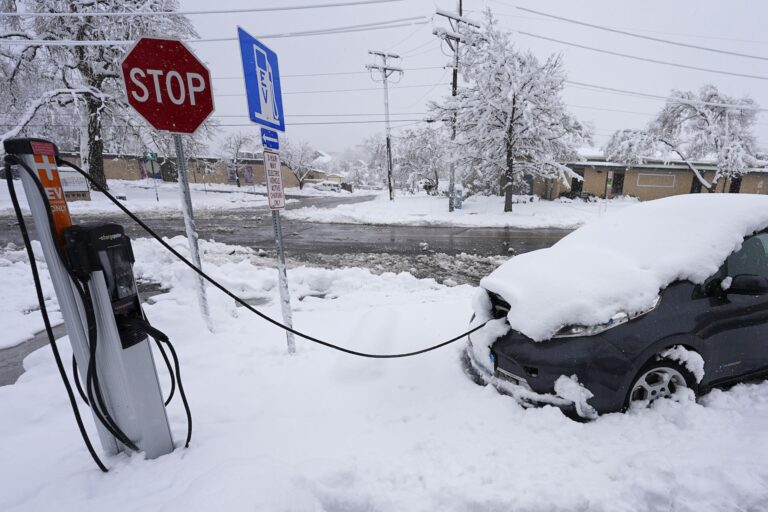
Donald Trump’s return to the White House will almost certainly alter Canada’s EV transition.
But how? And how profoundly?
On the campaign trail, Trump promised that ending U.S. electric-vehicle mandates would be a “day one” priority. That could leave Canada, which counts motor vehicles as its second-biggest export, scrambling. About 92 per cent of the cars it shipped went to the U.S. in 2022, according to the Canadian Vehicle Manufacturers Association.
“Manufacturing is right at the centre,” said Dennis Darby, CEO of Canadian Manufacturers & Exporters, ahead of the election results. “Anything that one side does affects the other. You saw recently on the U.S. tariffs on Chinese EVs. We had to follow suit, because we are so integrated in the supply chain.”
The business community appears to expect changes ahead, based on Tesla’s blockbuster stock performance Wednesday—and the rest of the EV sector’s lacklustre reaction to the U.S. election.
Here are five Trump policy decisions that could set the course of Canada’s auto sector:
1. New tariffs: Trump has proposed a 10 per cent tariff on all U.S. imports. That could quickly add up for car parts, which cross the border as many as eight times for each vehicle assembled.
“Mr. Trump has talked about the tariffs, but it’s unclear how they would apply,” said Darby.
By forging ahead with the levies, the administration could stir tensions in the run-up to the 2026 USMCA review, given the battle Canada faced during the last round of negotiations against rules that would have favoured U.S. manufacturing.
What’s more, the hawkish Robert Lighthizer is expected to return as Trump’s trade boss and would want to “defend” the USMCA, said Bentley Allan, a principal at the Transition Accelerator.
2. IRA rollback: Trump aims to cut off money not yet spent under President Joe Biden’s Inflation Reduction Act (IRA), which could see incentives promised to EV manufacturers squashed.
That, in turn, could trigger clauses to claw back Canada’s subsidy agreements with Northvolt, Volkswagen, Honda, Stellantis and LG, which were designed to match the IRA.
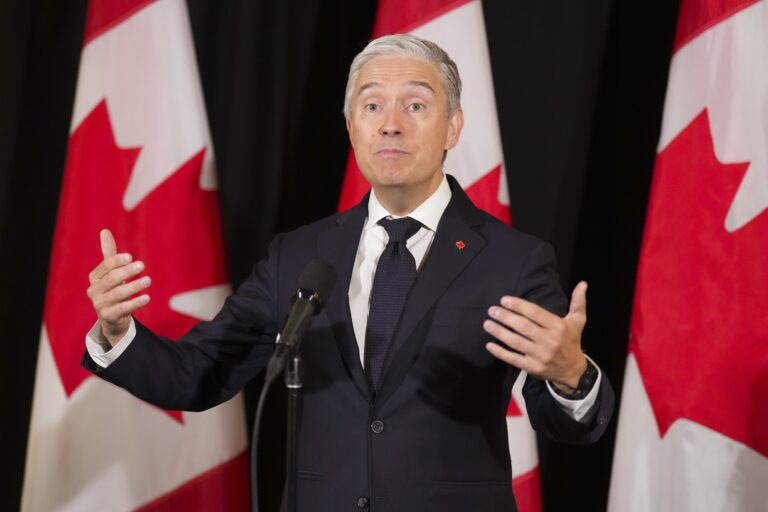
On Wednesday, Innovation Minister François-Philippe Champagne defended Canada’s IRA strategy to my colleague David Reevely, saying it was “smart” to act early because construction on those gigafactory projects is now well underway.
3. Ending loan programs: Trump is expected to slash the U.S. Energy Department’s green-loans program that supports Canadian firms like Lithium Americas and Li-Cycle. The latter saw shares fall over 16 per cent on Wednesday.
4. Easing emissions standards: Joanna Kyriazis, director of public affairs at Clean Energy Canada noted Canadian-made EVs like the Dodge Charger stood to benefit not just from the IRA, but from stricter U.S. emissions standards. Trump’s administration loosened emissions limits in his previous term.
Still, Kyriazis takes heart in the range of state-level policies supporting a quicker EV transition. “Canada should not follow the U.S. in its short-term political whiplash when it comes to our clean car future,” she said.
5. A role for Musk: On the flip side, Tesla CEO Elon Musk’s continuing counsel could soften the president-elect’s stance. Tesla has benefitted from government support programs like green loans, and designs factory equipment and batteries in Canada. Trump thanked Musk effusively in his victory speech.
The caveat: Voters in states with major EV sectors don’t seem panicked. Trump is the projected or confirmed winner in Michigan, Nevada, Georgia, Kentucky, Tennessee and Indiana — states that are home to North America’s biggest EV battery plant commitments outside of Ontario.
“I’m for electric cars. I have to be because Elon endorsed me,” Trump said in August. “I have no choice.”