OTTAWA — The huge sums being poured into the most well-known artificial intelligence companies have fuelled fears of gassed-up valuations and investor blowouts. But at SaaS North in Ottawa this week, financiers said business models still matter, and it may be a while before the sector sees the returns of all those deals.
Skip to content
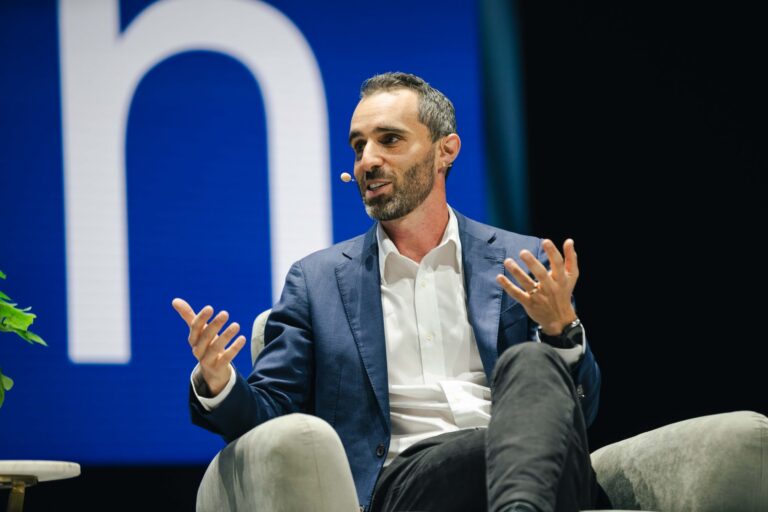
 A presentation at the All In conference in Montreal in September 2024. Photo: Roger Lemoyne for The Logic
News
Investors will have to wait to see if their AI deals pay off
AI startups will take years to exit and financiers say concerns about valuation inflation will have to wait
A presentation at the All In conference in Montreal in September 2024. Photo: Roger Lemoyne for The Logic
OTTAWA — The huge sums being poured into the most well-known artificial intelligence companies have fuelled fears of gassed-up valuations and investor blowouts. But at SaaS North in Ottawa this week, financiers said business models still matter, and it may be a while before the sector sees the returns of all those deals.
Here’s what you need to know.
Dollar signs: Are the valuations claimed by AI startups justified? “I don’t think anyone in this room knows,” said John Rikhtegar, director of capital at RBCx, at an investor breakfast Wednesday. “I don’t think anyone will know until five years plus, until we actually start to see some of these companies exit.”
Globally, AI companies have raised US$109.2 billion in just over 11,000 venture capital deals this year, according to PitchBook data. In Canada, firms in the field took in a big chunk of the funding allocated in the third quarter. And, on average, AI startups are commanding significantly higher valuations than companies in other sectors like conventional software-as-a-service (SaaS).
Related Articles
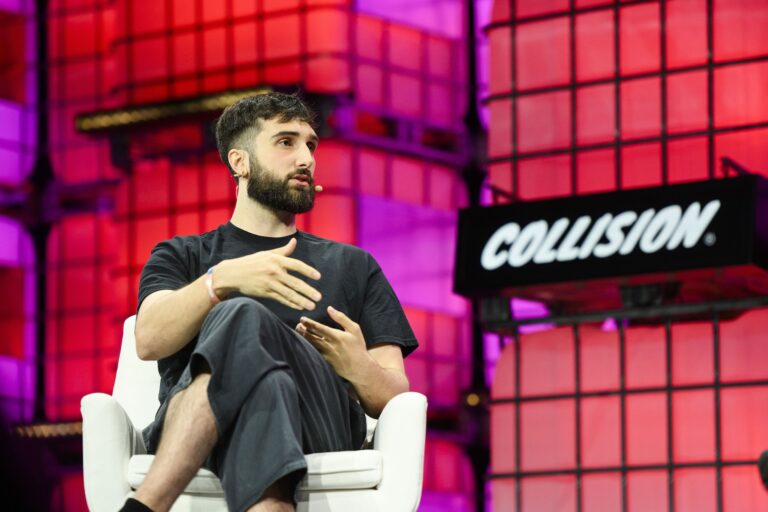

Investors making those deals aren’t always differentiating between companies whose core product is AI, and those that are just building features using the technology, said Chris Arsenault, a partner and co-founder at Inovia Capital, on the main stage Thursday morning. “Sadly, the valuations right now confuses both.”
Companies making the large language models (LLMs) that underpin generative tools are a bit of a different story, according to Arsenault. Their founders must raise hundreds of millions to train and hone their products, but aren’t ready to give away most of their companies for it. Such firms need investors who “believe that what you’re building will create value in the future,” he said. Inovia has backed Cohere, a Toronto-based LLM startup.
Rikhtegar also cautioned financiers against getting sucked in by a “slick” AI demo that turns out just to be a feature built on someone else’s model. With the technology evolving so quickly, investors should focus on whether a startup has defensible intellectual property.
And for the rest: Established SaaS companies still have advantages, Dina Berdichevsky, vice-president at JMI Equity, said at the investor breakfast. The Baltimore-based growth-stage financier has taken significant stakes in Canadian scale-ups like Benevity, Clio and Vena. Firms selling software to other businesses are often the keepers of critical data for their clients, making them harder to replace.
That’s bought them time to build chatbots and other AI tools into their products, said Berdichevsky. “They’re not usually competing with an AI-first or AI-native company.”
Rikhtegar said he understands why funds are piling into AI—that’s where their co-investors and the follow-on capital seems to be going. But he urged them to look for deals in other sectors. “We can come in at great prices and meet some amazing entrepreneurs,” he said.
Exit route: The market for initial public offerings is re-opening, Arsenault said. But he warned that startups need better metrics to successfully list than they did a few years ago, such as $300 million in annual revenue and combined profit and growth figures of 40 per cent.
Rikhtegar predicted there won’t be a rush of AI names on the public markets over the next decade. With the exception of LLM makers, firms in the field “are going to be a lot more efficient,” he said, requiring less capital than startups at the same stages in other sectors.
Funds that want to build up big stakes in AI companies will instead have to buy shares off founders and previous investors. “Secondary capital will be a much larger liquidity vector for AI companies over the next decade,” he said.
Berdichevsky foresees a split in the market. Venture funds that specialize in AI will sell their stakes to private equity firms with an interest in the technology, while JMI and its peers will keep buying into SaaS startups. “There might be a stronger through line going forward,” she said.



Loading...
Thanks for sharing!
You have shared 5 articles this month and reached the maximum amount of shares available.
CloseThis account has reached its share limit.
If you would like to purchase a sharing license please contact The Logic support at [email protected].
CloseGift the full article!
You have gifted 0 article(s) this month and have 5 remaining.
Recipients will be able to read the full text of the article after submitting their email address. They will not have access to other articles or subscriber benefits.
Photo: Roger Lemoyne for The Logic
Most Popular This Week




In-depth, agenda-setting reporting
Great journalism delivered straight to your inbox.
News
Ottawa is softening its ban on stablecoin yield
Briefing
Rio Tinto gets nearly $165M in additional federal funds for Quebec aluminum
U.S. to lift tariffs on some Canadian products crucial to Maine: Collins
Carney warns of tech dependence after Starlink disruptions in Ukraine
Best business newsletter in Canada
Get up to speed in minutes with insights and analysis on the most important stories of the day, every weekday.
Exclusive events
See the bigger picture with reporters and industry experts in subscriber-exclusive events.
Membership in The Logic Council
Membership provides access to our popular Slack channel, participation in subscriber surveys and invitations to exclusive events with our journalists and special guests.






