When Harsh Nayyar got an MRI after injuring his ankle playing tennis a decade ago, clinic staff gave him the images on a CD-ROM. Even in the 2010s, Harsh, then a software engineer at a Silicon Valley startup, knew it was possible to share such images digitally. In disbelief, he called his brother Rishi.
Skip to content

News
AI-fuelled growth earns PocketHealth $45M investment
Toronto-based maker of medical info platform eyes U.S. expansion, doubling of staff
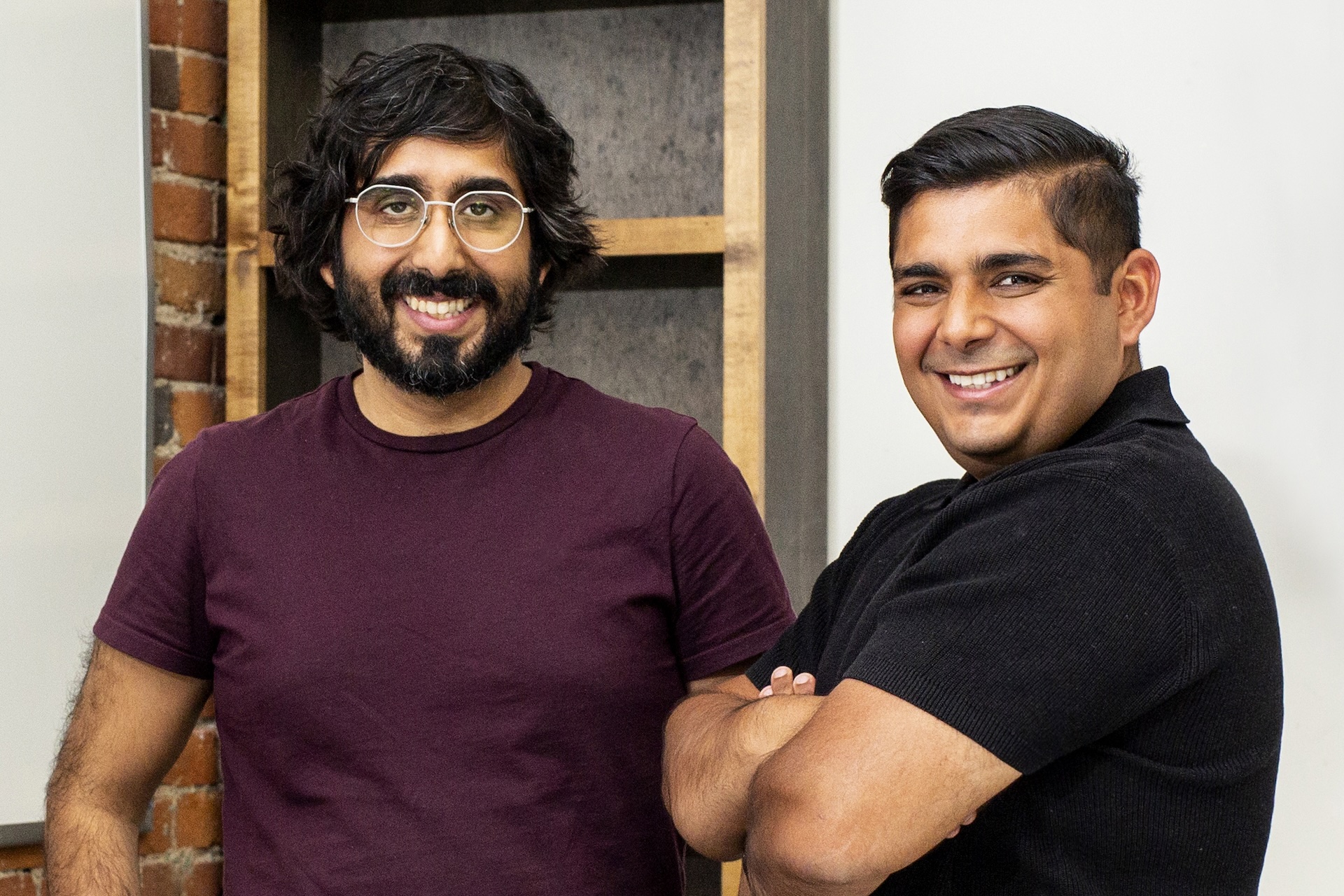
Brothers Harsh (left) and Rishi Nayyar co-founded PocketHealth in Toronto in 2016 with the goal of making medical imagery more accessible. Photo: PocketHealth | Handout
When Harsh Nayyar got an MRI after injuring his ankle playing tennis a decade ago, clinic staff gave him the images on a CD-ROM. Even in the 2010s, Harsh, then a software engineer at a Silicon Valley startup, knew it was possible to share such images digitally. In disbelief, he called his brother Rishi.
The brothers co-founded PocketHealth in Toronto in 2016 with the goal of making medical imagery more accessible. On Wednesday, the company—with Rishi as CEO and Harsh as chief technology officer—announced the close of a $45-million Series B fundraising round, as it looks to add more than 100 staff, increase its U.S. presence and expand its platform’s artificial intelligence capabilities.
Talking Points
- Toronto-based PocketHealth has closed a $45-million Series B to expand its platform used to share medical images and information
- The firm plans to double its staff to 220, add more AI-powered tools and continue to expand in the U.S., which it calls its “biggest growth market”
PocketHealth began as a platform that gives patients online access to their medical imagery. It gave patients easier access to their records and let health-care providers more quickly share files with other medical professionals. Its customers include both individuals and health-care providers. Some providers offer the service free to their patients, but people can also sign up for a $10 monthly or $49 annual subscription. More than 775 hospitals and imaging centres and more than 1.5 million people in North America use PocketHealth, according to the company.
In late 2022, PocketHealth started expanding its scope. It released a tool that helps patients decode medical terminology in their files, one that suggests questions for patients to ask their doctors and one that helps health-care providers arrange follow-ups with patients. All three rely on artificial intelligence.
The company found the new tools helped health-care providers retain patients, and helped patients become more engaged.
“All of that left us, at the end of 2023, with a lot of courage and validation that this was an area that the product needed to expand to,” said Rishi. “But of course, when you’re doing that, you do need capital.”
Related Articles
Though PocketHealth wasn’t actively fundraising—it had raised a $20-million Series A in March 2022—it had begun attracting a growing stream of inquiries from venture capitalists, even amid a difficult fundraising environment. Rishi attributed that to PocketHealth’s quick growth in the U.S., where it was adopted by some large health care systems, including Radiology Partners, which works with more than 3,300 U.S. hospitals and facilities, and Southern Illinois Healthcare, a not-for-profit operating four hospitals and dozens of specialty practices in the state.
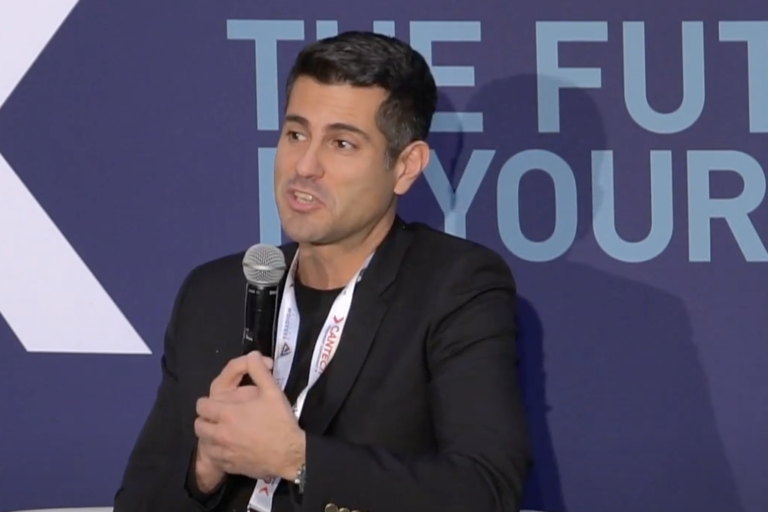
One of those VC firms was Toronto-based Round13 Capital. In a volatile market, the firm had honed in on health care as a focus for its next investment, said managing partner Brahm Klar, drawn to the industry by its size and by the opportunities for technology to revolutionize it.
Round13 pursued PocketHealth because of its focus on patients, business-to-business and business-to-business-to-consumer model, and the potential for more AI-based tools. Klar said that while Round13 is drawn to startups that use AI, it tries to be pragmatic. “That’s a big piece for sure,” he said, “but it’s being built on a foundation of just fundamentally good technology solving a real problem.”
“The U.S. is, by far, our biggest growth market.”
Like other venture firms, Round13 was “really excited” about the company’s U.S. momentum, seeing a future where its platform serves “tens of millions of patients and many thousands of providers.”
Over the course of several months, the Nayyar brothers and Round13 hashed out a deal that would see the venture firm lead the fundraising announced Wednesday. The round includes existing investors Radical Ventures and Questa Capital, as well as new backers Deloitte Ventures and Samsung Next. Klar declined to say how much Round13 had invested, but said his firm typically writes a roughly $25-million initial cheque for such deals.
The Nayyars would not reveal the company’s valuation, but said it is higher than after its last funding round.
PocketHealth plans to spend some of the cash to develop more AI-powered tools, which it expects to launch this year. Rishi said those tools will continue the company’s focus on helping patients and providers communicate about clinical findings, and helping patients understand their options and next steps. They plan to double their staff to 220 within the next two years, hiring mostly for their product and engineering teams in Canada.
The company is also looking to expand its presence south of the border. It first entered the U.S. in 2018, starting with small clinics, and in 2021 began to dedicate more resources to growing there. “The U.S. is, by far, our biggest growth market,” Rishi said.
The company wants to be part of every provider and patient’s routine. “Nearly every single care journey starts with an image,” he said. “We think we can be that platform where patients get access to their images and learn what to do next. So that is our ambition.”



Loading...
Thanks for sharing!
You have shared 5 articles this month and reached the maximum amount of shares available.
CloseThis account has reached its share limit.
If you would like to purchase a sharing license please contact The Logic support at [email protected].
CloseGift the full article!
You have gifted 0 article(s) this month and have 5 remaining.
Recipients will be able to read the full text of the article after submitting their email address. They will not have access to other articles or subscriber benefits.
Photo: PocketHealth | Handout
Most Popular This Week




In-depth, agenda-setting reporting
Great journalism delivered straight to your inbox.
Commentary
Carmichael: Being boxed in will help Canada focus on what matters
Briefing
Rio Tinto gets nearly $165M in additional federal funds for Quebec aluminum
U.S. to lift tariffs on some Canadian products crucial to Maine: Collins
Carney warns of tech dependence after Starlink disruptions in Ukraine
Best business newsletter in Canada
Get up to speed in minutes with insights and analysis on the most important stories of the day, every weekday.
Exclusive events
See the bigger picture with reporters and industry experts in subscriber-exclusive events.
Membership in The Logic Council
Membership provides access to our popular Slack channel, participation in subscriber surveys and invitations to exclusive events with our journalists and special guests.






