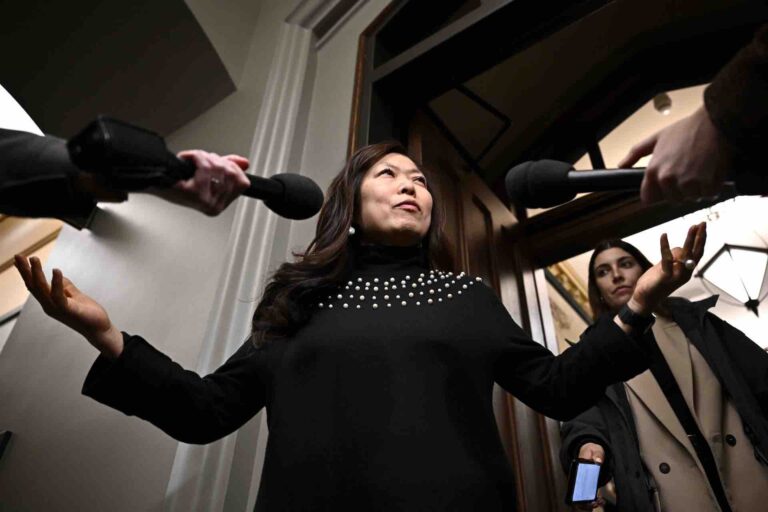
As Canada looks to the Indo-Pacific for purchasers for its products and capital sources for its projects, Trade Minister Mary Ng has been hitting the region’s major markets with a backing ensemble of business leaders.
Skip to content
 Trade Minister Mary Ng meets with her South Korean counterpart Inkyo Cheong in Seoul, on April 23. Photo: Mary Ng | X

News
Ng’s Asia trade tour lands in Korea as countries tighten energy, investment ties
Business mission latest in Canada’s courting of Indo-Pacific
Trade Minister Mary Ng meets with her South Korean counterpart Inkyo Cheong in Seoul, on April 23. Photo: Mary Ng | X
As Canada looks to the Indo-Pacific for purchasers for its products and capital sources for its projects, Trade Minister Mary Ng has been hitting the region’s major markets with a backing ensemble of business leaders.
This week’s mission to South Korea is the largest so far, with some 700 meetings scheduled between local companies and the 160 Canadian firms represented. Trade between the two countries totalled $20.8 billion in 2023 per Statistics Canada, up from $12.2 billion in 2015 when a bilateral deal took effect.
“There really is a commitment for Canada and Korea to do more together,” said Ng, speaking from Seoul. She cited last May’s commitment to cooperate on key supply chains like batteries, critical minerals and technologies like artificial intelligence. “Energy security and food security equals economic security,” Ng said.
Related Articles
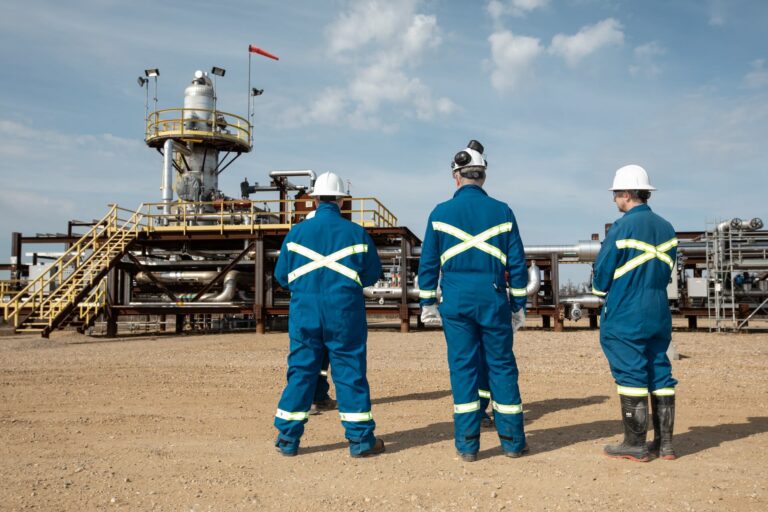
Korea, which imports almost all of its fuel, is seeking more of those resources. The country’s national gas firm is part of the consortium behind LNG Canada, a mammoth terminal in Kitimat, B.C., due to come online in mid-2025. But the volumes that will flow to Korea are “not that much,” Lim Woongsoon, Seoul’s ambassador to Ottawa, said at a December event. “We need to do more in importing LNG from Canada.”
Business groups here have accused the Liberal government of being reluctant to sell gas to allies. On Wednesday, Ng said fuel security is about more than just LNG, citing Ottawa’s plans to export more hydrogen and nuclear reactors. “There’s a range of both clean as well as reliable sources of energy [of which] Canada is poised to be a reliable and trusted supplier to Korea,” she said.
Korea’s technology and industrial titans have expanded their Canadian presence in recent years, acquiring scale-ups and planning plants worth hundreds of millions to build parts of the electric-vehicle supply chain. Canada is now Korea’s second-largest destination for investment, Ng noted.
But the largest new project has recently attracted criticism. Earlier this month, Canada’s Building Trades Union warned Ottawa that NextStar—a joint venture between Stellantis and LG Energy Solution (LGES) putting up a battery plant in Windsor, Ont.—was using foreign workers for jobs promised to local labour.
After meeting with LGES executives on Tuesday, Ng said the firm reiterated its commitment to ensuring the plant’s 2,500 full-time jobs are filled with Canadian workers. The firm is currently bringing in staff with specialized expertise, who will eventually transfer the technology and know-how to domestic employees, she said.
The Canadian businesses have one day left in Seoul. Ng herself is due to visit Samsung tomorrow. It’ll be the latest stop in a tour that’s taken her to Singapore, Japan, Malaysia and Vietnam in just over a year.



Loading...
Thanks for sharing!
You have shared 5 articles this month and reached the maximum amount of shares available.
CloseThis account has reached its share limit.
If you would like to purchase a sharing license please contact The Logic support at [email protected].
CloseGift the full article!
You have gifted 0 article(s) this month and have 5 remaining.
Recipients will be able to read the full text of the article after submitting their email address. They will not have access to other articles or subscriber benefits.
Photo: Mary Ng | X
Most Popular This Week



In-depth, agenda-setting reporting
Great journalism delivered straight to your inbox.
News
A tech firm born from post-Brexit trade chaos sets its sights on Canada
Briefing
Dozens of Canadian researchers join chorus of scientists calling for a global AI oversight
TC Energy strikes deal with Indigenous groups for ownership stake in Coastal GasLink pipeline
Canada’s Tailscale taps Google Moonshot alum to lead sovereign AI push
Best business newsletter in Canada
Get up to speed in minutes with insights and analysis on the most important stories of the day, every weekday.
Exclusive events
See the bigger picture with reporters and industry experts in subscriber-exclusive events.
Membership in The Logic Council
Membership provides access to our popular Slack channel, participation in subscriber surveys and invitations to exclusive events with our journalists and special guests.