Though they aren’t named in the legislation, the likes of Google, Meta and Twitter—not to mention Pornhub—loom large in the Online Harms Act, the federal government’s attempt to rein in hate speech and illegal pornography.
Skip to content
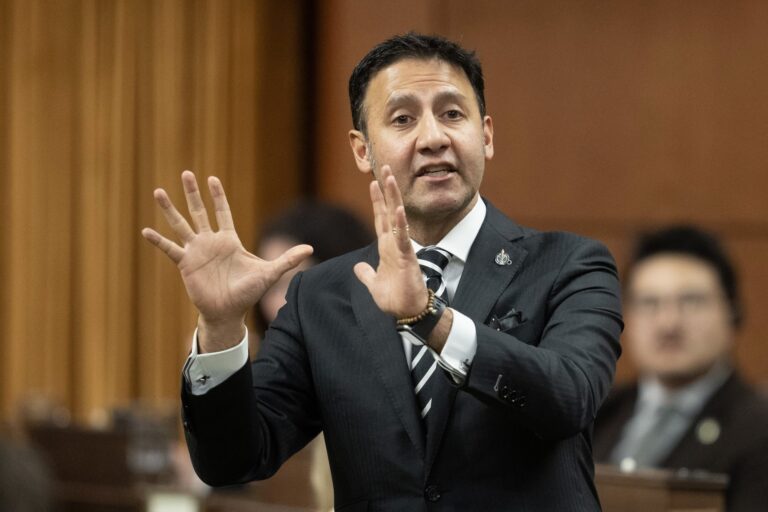
 Bill C-63 puts the onus on large online platforms to police content, protect children online and otherwise act responsibly. Photo: The Canadian Press/Graeme Roy

News
Meta, child-safety advocates cautiously welcome Online Harms Act
Conservatives unimpressed, slamming bill as tool for political censorship
Bill C-63 puts the onus on large online platforms to police content, protect children online and otherwise act responsibly. Photo: The Canadian Press/Graeme Roy
Though they aren’t named in the legislation, the likes of Google, Meta and Twitter—not to mention Pornhub—loom large in the Online Harms Act, the federal government’s attempt to rein in hate speech and illegal pornography.
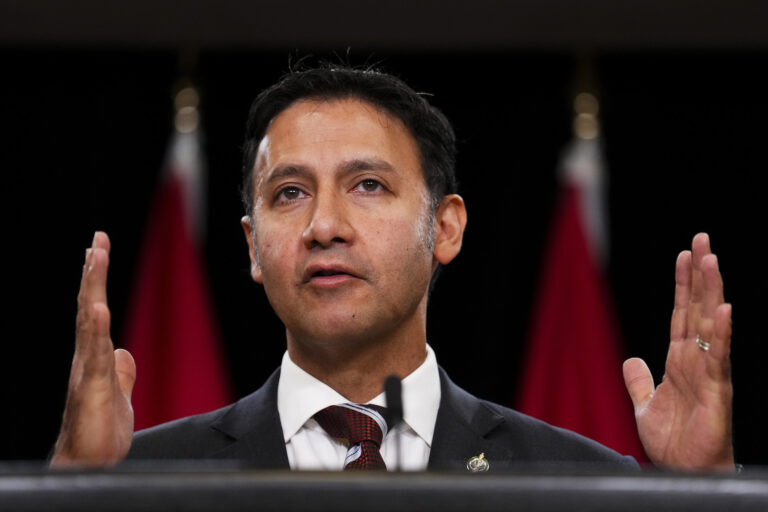
The bill introduced Monday by Justice Minister Arif Virani puts the onus on large online platforms to police content, protect children online and otherwise “act responsibly” under threat of a significant penalty: a maximum of six per cent of a company’s annual gross global revenue, or $10 million, whichever is greater.
Meta, which pulled Canadian news content from its site following the passage of the Online News Act, sounded cautiously optimistic. “We look forward to collaborating with lawmakers and industry peers on our long-standing priority to keep Canadians safe,” Rachel Curran, the company’s head of public policy for Canada, said in a statement.
Related Articles
Ethical Capital Partners (ECP), the British Virgin Islands-based private equity group behind Pornhub and other adult titles, sounded the same conciliatory notes. “In principle, we support the idea of protecting young people online, and ensuring that there’s accountability and transparency, period,” ECP vice-president of public engagement Sarah Bain told The Logic. Bain said ECP, which acquired Pornhub parent company MindGeek (since rebranded as Aylo) in 2023, was encouraged that the legislation targets a range of online content platforms, not just those in the adult market.
Google Canada spokesperson Lauren Skelly didn’t respond to a request for comment, while a request for comment from Twitter, now known as X, yielded an unsigned auto-reply.
Child-safety non-profit group Canadian Centre for Child Protection, meanwhile, said it is pleased with the legislation’s focus on child well-being online. “We were thrilled that children are at the centre of this bill,” associate executive director Signy Arnason told The Logic. “As it stands, there aren’t any requirements for these companies when they release these products into the market, and we know they’re inherently not safe because keeping kids safe is not factored in the way it needs to be.”
Arnason nonetheless said she had concerns with certain provisions in the legislation, including the targeting of large platforms—“You can have smaller ones that are equally as dangerous,” she said—as well as its exclusion of private and encrypted messaging.
Reacting to the bill, federal Conservative Leader Pierre Poilievre said his party would “protect our kids and punish criminals.”
“We do not believe that the government should be banning opinions that contradict the Prime Minister’s radical ideology,” he said in a statement.



Loading...
Thanks for sharing!
You have shared 5 articles this month and reached the maximum amount of shares available.
CloseThis account has reached its share limit.
If you would like to purchase a sharing license please contact The Logic support at [email protected].
CloseGift the full article!
You have gifted 0 article(s) this month and have 5 remaining.
Recipients will be able to read the full text of the article after submitting their email address. They will not have access to other articles or subscriber benefits.
Photo: The Canadian Press/Graeme Roy
Most Popular This Week




In-depth, agenda-setting reporting
Great journalism delivered straight to your inbox.
The Big Read
Beacon is building an AI empire by fixing Main Street’s software
Briefing
Inovia raises US$200M for new VC fund as it eyes AI’s impact
43% of eligible Albertans voted ahead of Monday’s referendum
AI chip company Tenstorrent raises US$1.5B, valuing it at US$6.2B
Best business newsletter in Canada
Get up to speed in minutes with insights and analysis on the most important stories of the day, every weekday.
Exclusive events
See the bigger picture with reporters and industry experts in subscriber-exclusive events.
Membership in The Logic Council
Membership provides access to our popular Slack channel, participation in subscriber surveys and invitations to exclusive events with our journalists and special guests.







