Listen Now
0:00
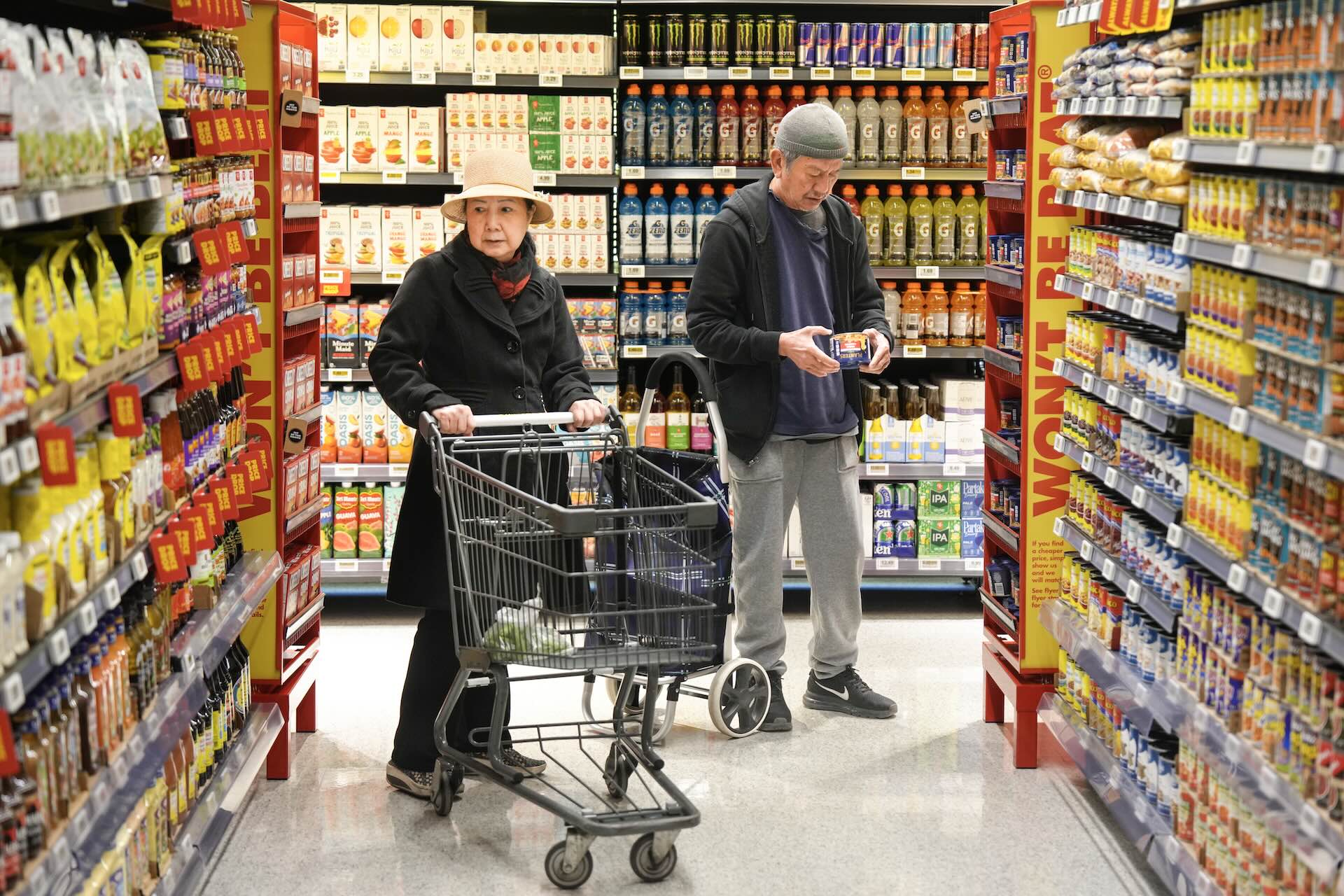
In Montreal’s wealthy Outremont neighbourhood, a new discount grocery store that was recently selling milk at the lowest price “allowed by law” suggests that more and more households in Canada are feeling the squeeze.
It’s one of several small-format versions of Loblaw’s Maxi chain to open in high-density, urban areas in recent years. Discount fever, it seems, is spreading. Across Canada, Loblaw, Metro and Empire, the parent company of Sobeys, have opened 61 new discount stores in their last financial year, with plans to add at least another 49 this year as they race to give consumers less expensive places to shop. Empire also announced last week it would acquire a Quebec-based discount chain, Mayrand, which has four stores in the province.
Talking Points
- Loblaw, Metro and Empire plan to open at least 49 more discount chain locations this financial year, after collectively adding 61 last financial year
- The proliferation of discount grocery stores comes as household budgets feel the squeeze, with both grocers and analysts expecting the shift to become a long-term trend
“If I was a retailer, I’d be chasing demand,” said Joel Gregoire, associate principal of food and drink for Canada at Mintel, a market-research firm. And right now, that demand is for lower prices.
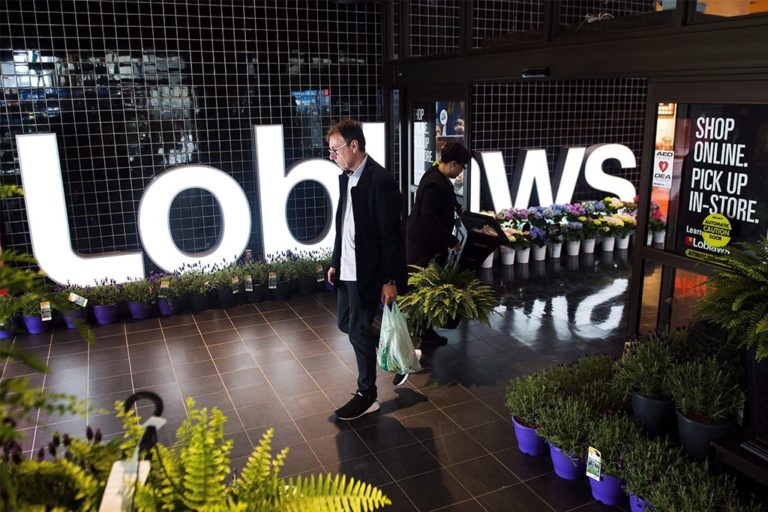
“More than ever, we have seen Canadians prioritize value,” said Loblaw CEO and president Per Bank on the company’s most recent earnings call, touting the 48 No Frills and Maxi locations Loblaw opened that year. That demand for value might stem in part from the prices charged by non-discount grocers—an issue that prompted a Competition Bureau study in 2023 and a boycott of Loblaw in 2024. In response, Canada’s big grocers are experimenting with store sizes, opening in unexpected locations and adding home delivery to discount grocery shopping as competition intensifies.
Related Articles
Montreal-based Dollarama opened 75 new locations in Canada in its last financial year, taking its total number of stores across the country to 1,691. That’s likely at least partly the result of more and more people shopping for their pantry staples at dollar stores, according to Gregoire—a trend so big it’s been spotted by Statistics Canada.
The financial squeeze on households has also sent more shoppers to liquidation stores that sell food near its best before date. Bianca Amor’s Liquidation Supercentre has grown to 17 locations across B.C., Alberta, Saskatchewan and Manitoba, according to its website. At least two new stores opened in 2025. The Grocery Outlet, which sells overstock items offloaded by manufacturers at a deep discount, says it now has 14 locations in Ontario. Quebec has 11 Liquidation Marie shops, which sometimes go so far as to sell shelf-stable food past its best before date.
“There is an element of the population that will go to greater lengths to save, probably because they have to,” said Gregoire. The stigma associated with bargain hunting has also largely disappeared, he added, meaning more shoppers are looking for deals.
That’s probably why Outremont landed a Maxi store. The location—in the same building that once housed Les Cinq Saisons, a purveyor of high-quality, pricey products—shows grocers are expanding their profile of who they think will step inside a discount chain. Loblaw did not respond to questions about its Outremont location, but Bank has told analysts that the grocer is placing new discount shops in “underserved” communities. Or, to put it another way, discount grocers are popping up where they’ve rarely, if ever, been seen before.
Empire, too, focuses on “underrepresented” areas for its FreshCo brand, said spokesperson Karen White-Boswell. Metro spokesperson Stephanie Bonk said the company considers a number of factors when deciding where to open a new location, including demand and population growth.
What a discount store looks like is also changing. The Outremont Maxi, an 11,000-square-foot location, is part of Loblaw’s new small-format discount rollout. The first of these opened in May 2024 and each falls under 15,000-square-feet, or less than half that of a traditional No Frills store, said spokesperson Lina Maragha. These smaller shops also make it easier for Loblaw to open in densely populated urban areas in which it was previously harder to gain a foothold.
Recently, Loblaw took that notion to the extreme. In September 2024, Bank recycled an idea from when he led Denmark’s largest grocery chain: opening up a new type of store that cut back on many amenities, like refrigeration, in an effort to drive down prices. In Canada, that translated to opening three No Name stores in Ontario with shorter hours, fewer products for purchase and nothing that required refrigeration, among other cuts. Loblaw said shoppers could save up to 20 per cent on their grocery bills.
Those stores floundered, with Loblaw since shuttering two of them. The No Name experiment was a “learning opportunity” for the company, said Maragha. There was strong interest initially, she said, but the stores did not develop a dedicated customer base. Maragha said the company continues to assess what it learned from the pilot.
As grocers double down on discounts, they’re also adding more bells and whistles. Metro, for example, added same-day delivery to more than half of its Super C and Food Basics stores last year. Offering delivery at discount stores makes sense, said Gregoire, as it’s likely to appeal to younger consumers that grocers are keen to turn into loyal patrons. Even Liquidation Marie is adding online shopping and delivery this year.
The plan seems to be working. Loblaw called its discount chains “a key driver of absolute sales growth” and discount delivery a leader for digital sales in its most recent earnings report.
Dan Alvo, founder of Khlumus Consulting, said food affordability will continue to be “a major pressure” for people in Canada. The impacts of the U.S.-Israel war on Iran, which has sent the cost of oil soaring, won’t hit food prices for another several months. As a result, shoppers will likely continue to seek savings and head to discount stores to find them, he said.
Despite the surge in discount store openings, Alvo said there’s still lots of room to expand. He pointed to Germany where the spread of brands like Aldi and Lidl has handed discount chains nearly half of the grocery market in the country, according to a recent analysis by Accurat, a retail intelligence firm. In Canada, that figure is much lower. “I don’t know if we’ll make it to Germany, to that level,” Alvo said. But, he added, there’s definitely room to grow.
With files from Martin Patriquin in Montreal