“Photos” of the Pope in a puffer jacket and recordings of superstars “singing” new tunes have alerted policymakers and the public to how artificial intelligence can be used to generate highly realistic but misleading content. In studies released Tuesday, the non-profit Partnership on AI (PAI) examined how organizations like OpenAI, TikTok and the CBC are contending with the rise of “synthetic media”—a term for content that has been artificially generated or modified. Here’s what you need to know:
Skip to content
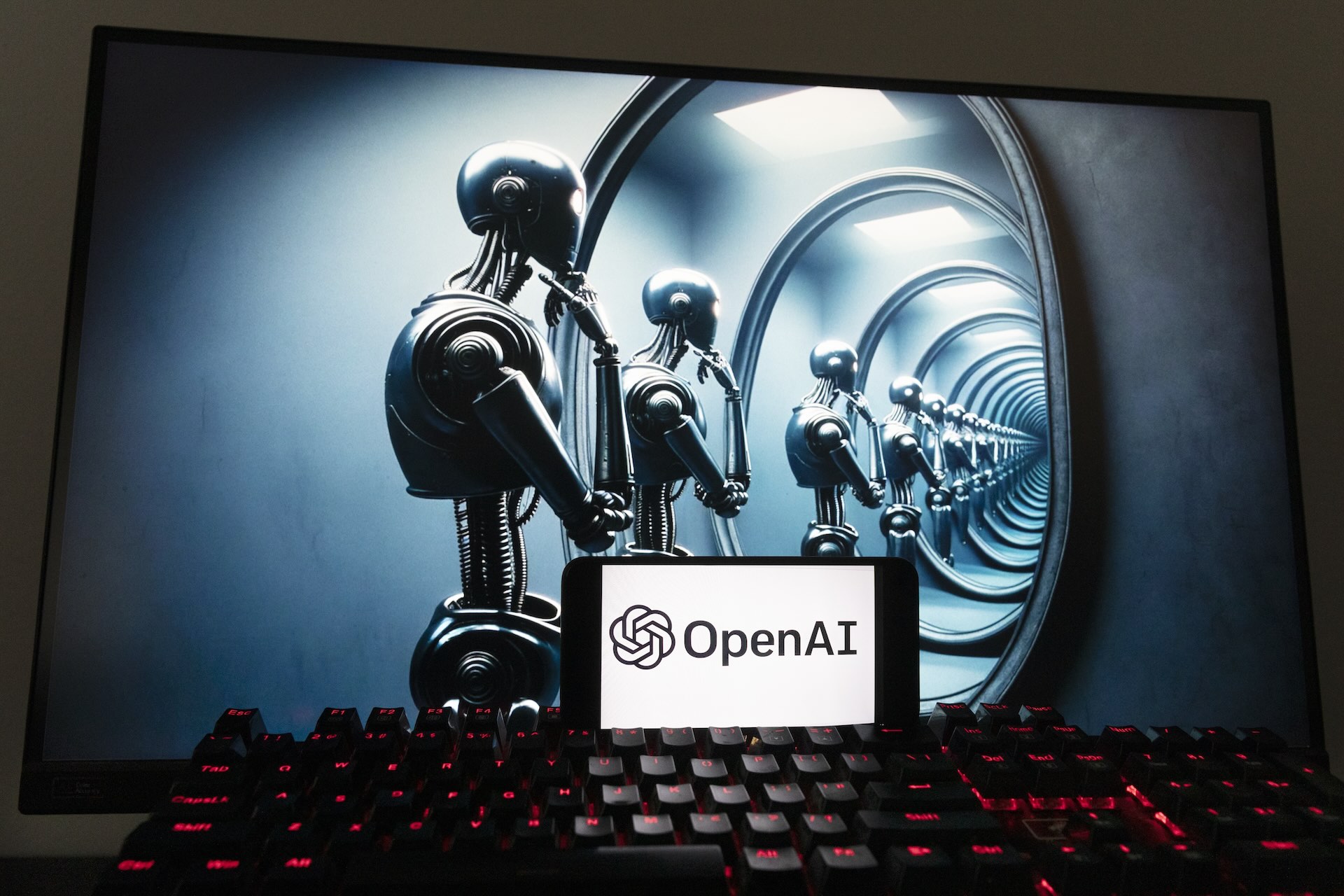 OpenAI has been working for about a year on ways to show whether an image comes from one of its DALL·E models. Photo: AP Photo/Michael Dwyer
News
Generative AI content is flooding the internet. How do tech firms show what’s real?
New studies by the non-profit organization Partnership on AI uncover the challenges with synthetic media
OpenAI has been working for about a year on ways to show whether an image comes from one of its DALL·E models. Photo: AP Photo/Michael Dwyer
“Photos” of the Pope in a puffer jacket and recordings of superstars “singing” new tunes have alerted policymakers and the public to how artificial intelligence can be used to generate highly realistic but misleading content. In studies released Tuesday, the non-profit Partnership on AI (PAI) examined how organizations like OpenAI, TikTok and the CBC are contending with the rise of “synthetic media”—a term for content that has been artificially generated or modified. Here’s what you need to know:
The synthetic moment: AI has increased “the accessibility, the sophistication, the pace and the volume” of manipulated content designed to mislead, said Claire Leibowicz, PAI’s head of AI and media integrity, in an interview. A year ago, the group published guidelines for it, including urging those who build generative tools to be transparent and implement disclosure mechanisms for synthetic media.
Dali or DALL·E?: OpenAI’s case suggests this is all still very much a work in progress.
Related Articles


The San Francisco-based startup has been working for about a year on ways to show whether an image comes from one of its DALL·E models. It considered adding watermarks to the pictures, a visual signal of syntheticity; Canada’s voluntary generative AI code of conduct suggests this method. OpenAI also explored embedding the origin information in the metadata of the files its tool produces.
But the firm concluded that bad actors could simply get around those safeguards by editing or screenshotting the picture to remove the DALL·E disclosure. Instead, OpenAI is building a classifier that it can use to determine whether a particular image came from its model.
Even that comes with complications—OpenAI worries it could give policymakers and consumers a false sense that the problem of identifying synthetic media has been solved for good. And if the firm discloses how the tool works, bad actors will try to get around it. Still, OpenAI said it may start letting journalists or researchers try the classifier in the first half of the year. (The firm launched and then pulled a similar tool for text because it wasn’t very good.)
“There’s no silver bullet,” said Leibowicz. But generative firms need to figure out disclosure so other platforms and, ultimately, consumers can figure out what’s real and not. For example, OpenAI’s classifier could help Bumble spot AI-made photos to flag fake dating profiles, another PAI case study.
What comes next: Governments around the world are proposing new laws and codes for generative AI. Digital rights advocates have argued that tech firms are using voluntary commitments to evade or shape regulation. Leibowicz acknowledged that opt-in frameworks like PAI’s lack teeth, but said the organization and its members are filling a gap while policymakers catch up. “It is our hope that this work will feed into government regulation.”



Loading...
Thanks for sharing!
You have shared 5 articles this month and reached the maximum amount of shares available.
CloseThis account has reached its share limit.
If you would like to purchase a sharing license please contact The Logic support at [email protected].
CloseGift the full article!
You have gifted 0 article(s) this month and have 5 remaining.
Recipients will be able to read the full text of the article after submitting their email address. They will not have access to other articles or subscriber benefits.
Photo: AP Photo/Michael Dwyer
Most Popular This Week




In-depth, agenda-setting reporting
Great journalism delivered straight to your inbox.
Commentary
Carmichael: Being boxed in will help Canada focus on what matters
Briefing
Rio Tinto gets nearly $165M in additional federal funds for Quebec aluminum
U.S. to lift tariffs on some Canadian products crucial to Maine: Collins
Carney warns of tech dependence after Starlink disruptions in Ukraine
Best business newsletter in Canada
Get up to speed in minutes with insights and analysis on the most important stories of the day, every weekday.
Exclusive events
See the bigger picture with reporters and industry experts in subscriber-exclusive events.
Membership in The Logic Council
Membership provides access to our popular Slack channel, participation in subscriber surveys and invitations to exclusive events with our journalists and special guests.






