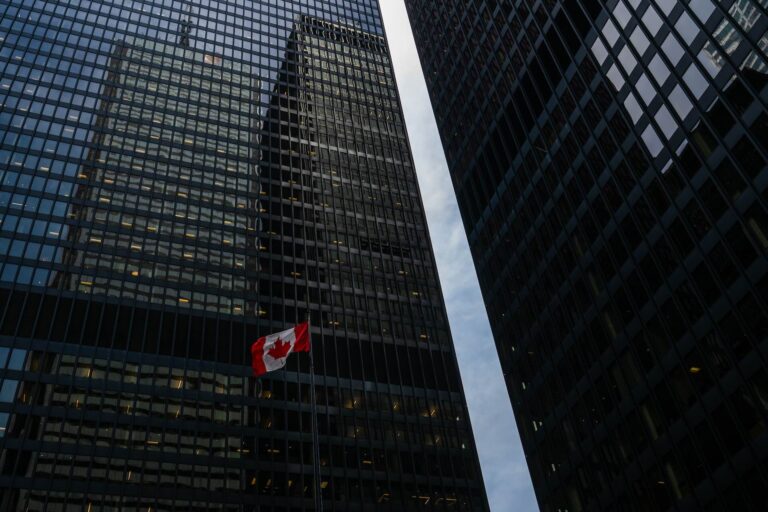
Canada doesn’t want a “carbon subsidy war” with the U.S., the natural-resources minister told the Financial Times, noting control over the U.S. dollar gives Washington “the fiscal latitude to do things that I think almost no other country in the world can do.” (Financial Times)
Skip to content
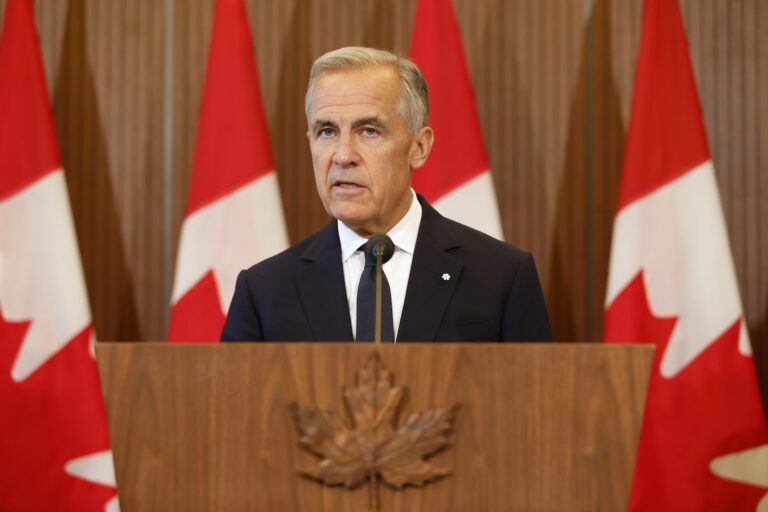
Canada doesn’t want a “carbon subsidy war” with the U.S., the natural-resources minister told the Financial Times, noting control over the U.S. dollar gives Washington “the fiscal latitude to do things that I think almost no other country in the world can do.” (Financial Times)
Talking point: Ottawa may want to avoid conflict with the U.S. on incentives, but it’s still competing to subsidize green industries. Last week’s federal budget laid out $80 billion in tax credits over a decade to respond to the IRA’s US$369-billion package. Wilkinson’s words echo those from European leaders, and they’re stronger than what the Liberal government has publicly used in the past; in December, International Trade Minister Mary Ng passed up a chance to agree with visiting EU trade commissioner Valdis Dombrovskis that the IRA created “a real risk of a global subsidies race.” Still, Wilkinson and cabinet colleagues have emphasized opportunities for cross-border cooperation with the U.S. in areas like clean energy and critical minerals. The G7 has tasked the OECD with standing up a “climate club” to encourage broader international coordination.



Loading...
Thanks for sharing!
You have shared 5 articles this month and reached the maximum amount of shares available.
CloseThis account has reached its share limit.
If you would like to purchase a sharing license please contact The Logic support at [email protected].
CloseGift the full article!
You have gifted 0 article(s) this month and have 5 remaining.
Recipients will be able to read the full text of the article after submitting their email address. They will not have access to other articles or subscriber benefits.
Most Popular This Week



In-depth, agenda-setting reporting
Great journalism delivered straight to your inbox.
News
How Mark Carney plans to wage trade war against the United States
Briefing
Roots to go private in deal led by Marquee Brands
Negotiations once again down to the wire as tariff countdown ticks toward midnight
Domtar shutters B.C. pulp mill over reduced demand and poor prices
Best business newsletter in Canada
Get up to speed in minutes with insights and analysis on the most important stories of the day, every weekday.
Exclusive events
See the bigger picture with reporters and industry experts in subscriber-exclusive events.
Membership in The Logic Council
Membership provides access to our popular Slack channel, participation in subscriber surveys and invitations to exclusive events with our journalists and special guests.