The OECD and G20 are leading negotiations between more than 135 countries and jurisdictions on a deal that would see companies—particularly tech firms—taxed based on where they earn revenues, rather than where they have a physical presence, as well as establish a global minimum level of taxation. Speaking at a virtual plenary of the OECD/G20 Inclusive Framework on BEPS, the finance minister reiterated that Canada would impose its own digital-services tax (DST) if a multinational consensus cannot be reached. But she said a deal on the first set of changes is “doable and essential,” and called for the group to “get it done by July.” (The Logic)
Skip to content
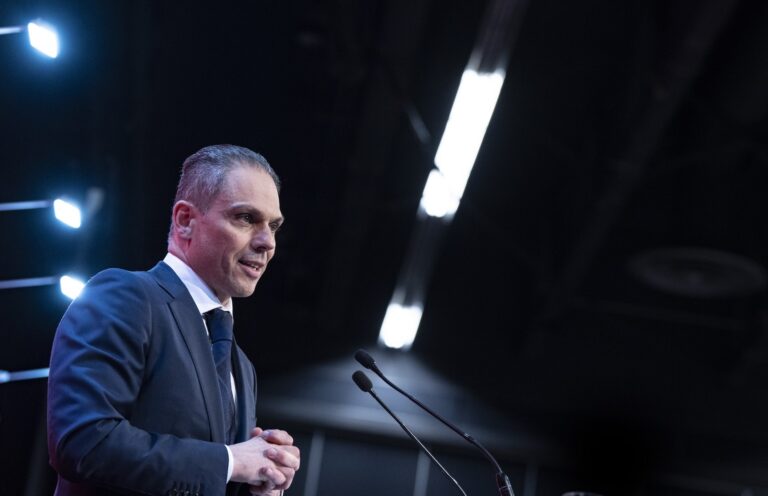
The OECD and G20 are leading negotiations between more than 135 countries and jurisdictions on a deal that would see companies—particularly tech firms—taxed based on where they earn revenues, rather than where they have a physical presence, as well as establish a global minimum level of taxation. Speaking at a virtual plenary of the OECD/G20 Inclusive Framework on BEPS, the finance minister reiterated that Canada would impose its own digital-services tax (DST) if a multinational consensus cannot be reached. But she said a deal on the first set of changes is “doable and essential,” and called for the group to “get it done by July.” (The Logic)
Talking point: The consortium was originally aiming to reach consensus by the end of last year, but deferred its target to mid-2021, citing “the COVID-19 pandemic and political differences.” At the plenary, Freeland said the outbreak had increased the need for the overhaul, citing increased digitization as well as “the pressure on all of our treasuries.” She also described the process as a test of multilateral cooperation and “rebuilding the rules-based international order,” a reference to the Trump administration’s lack of interest in global compacts. But President Joe Biden is no more likely to agree to a deal if it appears to particularly affect U.S. tech giants. Meanwhile, the parliamentary budget officer estimates Ottawa’s threatened DST would bring in $3.96 billion over its first five fiscal years, 14 per cent more than Finance Canada’s $3.4-billion projection in the November 2020 Fall Economic Statement.



Loading...
Thanks for sharing!
You have shared 5 articles this month and reached the maximum amount of shares available.
CloseThis account has reached its share limit.
If you would like to purchase a sharing license please contact The Logic support at [email protected].
CloseGift the full article!
You have gifted 0 article(s) this month and have 5 remaining.
Recipients will be able to read the full text of the article after submitting their email address. They will not have access to other articles or subscriber benefits.
Most Popular This Week




In-depth, agenda-setting reporting
Great journalism delivered straight to your inbox.
News
National Bank CEO warns AI alone won’t give banks a lasting edge
Briefing
Canada and Ontario commit over $5B to support tariff-hit steel sector
Hackers will see cars as major targets in next 3 years, 83% of car-tech workers say
EA shutting down Edmonton studio BioWare
Best business newsletter in Canada
Get up to speed in minutes with insights and analysis on the most important stories of the day, every weekday.
Exclusive events
See the bigger picture with reporters and industry experts in subscriber-exclusive events.
Membership in The Logic Council
Membership provides access to our popular Slack channel, participation in subscriber surveys and invitations to exclusive events with our journalists and special guests.





