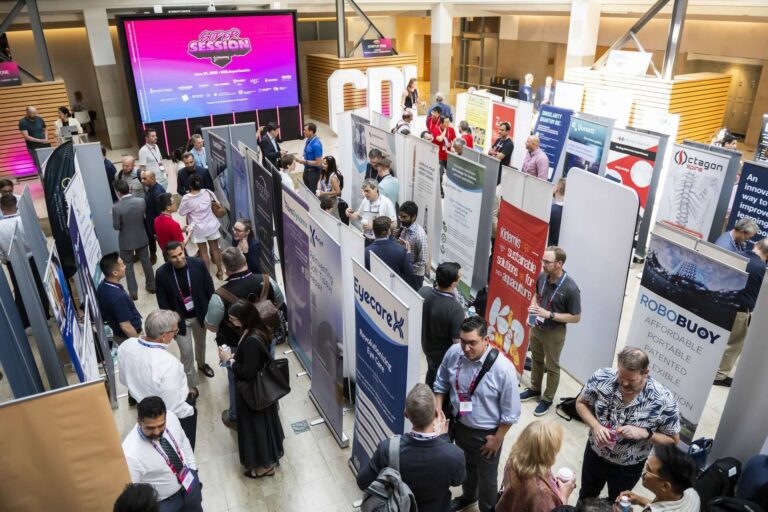
TORONTO — If you couldn’t make it to The Logic Summit today, here’s some of what you missed in the talks and panels at Toronto’s Design Exchange.
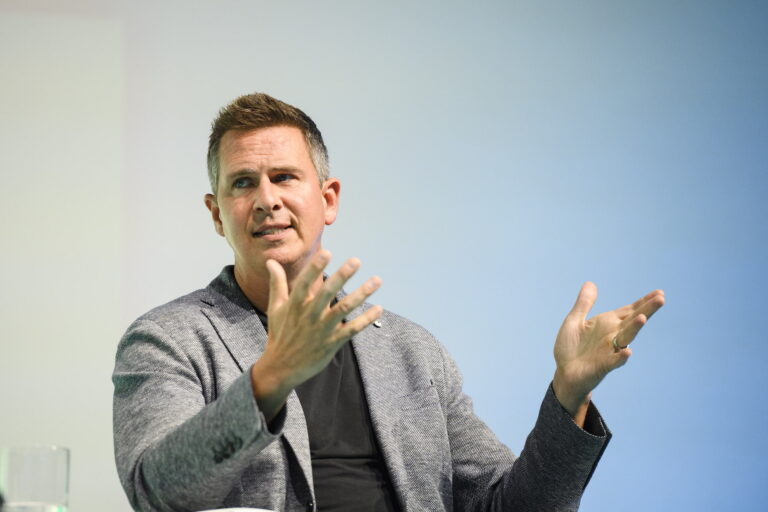
Where the economy is today: The times are worrying, said Kaz Nejatian, chief operating officer of Shopify.
“My mom’s a Shopify merchant—she has a store. I think it’s been devastating to see what’s happening to small businesses around the world,” Nejatian said. The COVID-19 pandemic has sent the costs of labour through the roof and that’s had consequences for anyone selling goods.
Rising interest rates have been a challenge, though Affirm has adapted to them, said CEO Max Levchin—a prominent member of the “PayPal Mafia.” His buy-now, pay-later company is less appealing to customers when interest rates are low.
“If you’re borrowing from Affirm [today] to buy your Peloton bike and it’s zero per cent, it compares at least 500 basis points more favourably than a year ago or a year and a half ago.”
Read More from The Logic Summit:
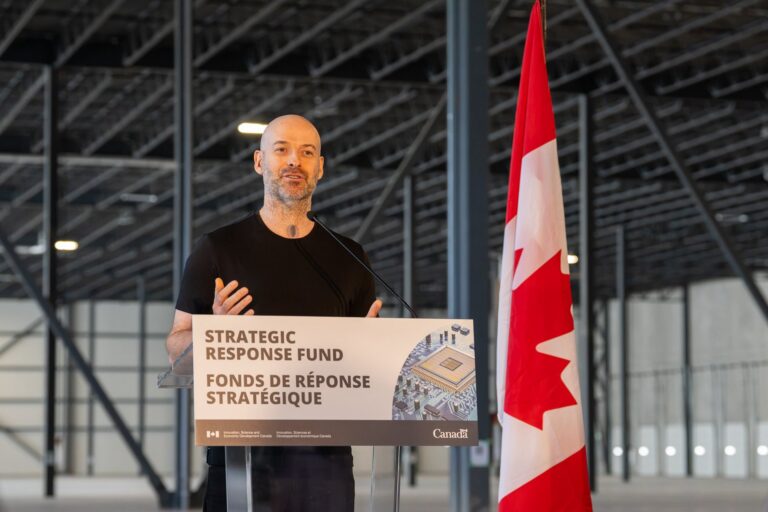
The pullback doesn’t extend to “existential challenges,” said Simon Kennedy, the deputy minister at the federal Innovation, Science and Economic Development Department—if they’re related to climate change or AI, for instance.
“I have never [before] seen the amount of capital being deployed by corporations, and the speed with which they’re doing stuff,” he said.
Artificial intelligence: Canada, and the world, need nuanced thought on how to promote and restrict the emerging technology that isn’t served by sweeping warnings that we’re at risk of an AI-driven apocalypse, argued Shelby Austin, CEO of Arteria AI.
It’s a real threat if it isn’t properly regulated, she said, but “I think where we lose people … is by going out there and saying AI is going to steal every job, with red eyes and smashing buildings.”
The Logic’s April Fong (left) moderates a panel on the considerations around generative AI, featuring Shelby Austin, Sara Hooker and Daniel Araya. Photo: Christopher Katsarov Luna for The Logic
Canada’s AI regulations need to be in step with other countries’ if we’re going to lead in the sector, Austin said. “Stoking our competitive juices to be bold and be brave and Canadian, we can’t do that if we’re subject to something bananas.”
Canada and the world: When supply chains moved to Asia, manufacturers were driven by the price of labour by the people working on their assembly lines but that’s no longer as important, said Patrick Spence, the CEO of audio-technology company Sonos.
“You’ll have fewer people—better-educated people—in terms of managing those lines,” Spence said. That makes them easier to move to North America.
GM Canada’s president Marissa West pointed to a battery-materials plant that GM has in the works in Bécancour, Que., a joint venture with South Korea’s Posco Future M, as an example of how Asian expertise can be imported to North America.
“We, GM, know how to manufacture in Canada.” West said. “They know how to process the raw minerals.”
Big Tech: Sonos is fighting Google over intellectual property on multiple fronts, and Spence said his experience as an executive at BlackBerry prepared him for that kind of competition.
Still, he said Sonos cooperates with Big Tech in some spheres—Amazon wants its Alexa assistant on Sonos’s smart speakers, for instance—while competing with the same companies in others. “It’s a weird, weird world.”
Shopify’s Nejatian said Facebook gets a bad rap—the company has made mistakes, he said, but it’s also connected millions upon millions of people. Most of the developing world is on WhatsApp, a product that is not monetized, for free, he said.
How to lead in uncertain times: Digital thinking must be long term to fix “years and years of compound technical debt” at some companies, said Rex Lee, chief information and technology officer at Canadian Tire, days after the retailer signed a seven-year deal with Microsoft to modernize its systems.
There were “legacy operating models that we built within our organization that actually reward people to be shortsighted” and think in silos, Lee said. “We’ve been here for 100 years and might be here for another 100 years. It takes that kind of thinking.”