The American department store Nordstrom swept into Canada in 2014, promising the full luxury U.S. experience in up to 10 department stores and 20 discount Nordstrom Rack locations—no “Nordstrom Lite” for the northern market. On Thursday, it filed for creditor protection in Canada and was granted an initial order, closed its e-commerce platform and said it plans to complete its retreat by the end of June.
Here’s a look at the wide impact of the department store giant’s closure:
The big numbers
Talking Points
- Nordstrom arrived in Canada with a bang in 2014, promising its department stores would deliver the full luxury experience it’s known for in the U.S.
- Less than nine years later, six major malls—five owned by Cadillac Fairview—will be without a marquee tenant, and analysts say more failures are likely coming
2,333: Workers in Nordstrom’s Canadian operations
US$775 million: Net loss Nordstrom US claims it has taken on Canadian operations since 2014
-$60 million: Net book value of Nordstrom’s Canadian entities as of Jan. 28
US$300 million to US$350 million: One-time pre-tax charges expected by parent company due to closing costs and an investment writedown
US$35 million: The anticipated boost to operating income—a 7.5 per cent jump—this year from shuttering Nordstrom’s Canadian operations, which accounted for about three per cent of the company’s consolidated net sales
The ripple effect
Nordstrom never achieved the presence it hoped across Canada, but besides seven smaller Nordstrom Rack stores (mainly in suburban plazas), Nordstrom will leave holes in six major Canadian malls—three in Toronto, plus one each in Vancouver, Calgary and Ottawa. Five of those are owned by Cadillac Fairview, the commercial real estate arm of the Ontario Teachers’ Pension Plan, and one is owned by OMERS and the Alberta Investment Management Corporation.
Several of those locations had previously been Sears stores, and Cadillac Fairview made space for Nordstrom by paying Sears $170 million to buy back three leases in 2012. When Nordstrom’s arrival in Canada was announced later that year, Cadillac Fairview touted the high-end retailer’s tenancies as transformational for its properties.
Cadillac Fairview referred The Logic’s questions about Nordstrom’s departure to Nordstrom. That included an inquiry about what might be next for the spaces in Cadillac Fairview’s malls—some of them built for Nordstrom and others passed from one failed department-store chain to the next.
“There isn’t another big chain lined up behind them,” said Bruce Winder, president of Bruce Winder Retail, adding it’s possible Simons, another department store, may opt to lease some of the spaces. With no heir apparent, it’s likely some of the spaces will sit empty and landlords may choose to divvy up the anchor spots into smaller outlets.
Winder predicts they may get filled with car dealerships, especially for electric vehicles, which increasingly appear in malls.
Why Nordstrom failed
Nordstrom chalks up its failure to “high operating costs, stagnant sales growth, unfavourable exchange rates, the effects of the COVID-19 pandemic and lack of brand awareness.”
The pandemic exacerbated Nordstrom’s struggles. Its Vancouver store was among its best sales generators pre-pandemic, said David Swartz, a senior equity analyst with Morningstar Research Services, in an email to The Logic. “The lack of international tourism from China has probably hurt its sales by a lot.”
The Canadian market is particularly tough to break into, analysts said. Compared to the U.S., population density is lower, while taxes and labour costs are higher, Winder said.
Canadian consumers appear similar to their U.S. counterparts on the surface, said George Minakakis, CEO and founder of Inception Retail Group. But Canadians don’t spend as much, he said, quoting a recent poll indicating that 54 per cent of Canadians live paycheque to paycheque, leaving little room for those who spend on mid-market or luxury goods. The proof of that is in the resiliency of retailers like Canadian Tire and Walmart in the country, he said. “You really need to do your homework before you come to Canada.”
Another one bites the dust
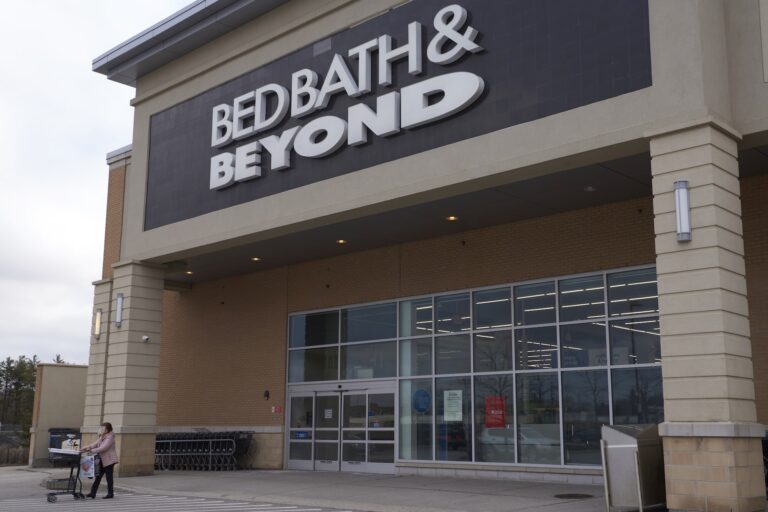
Many American retailers have failed with expansions into Canada. Last month, Bed Bath & Beyond Canada was granted creditor protection and has started to wind down its business, closing 65 stores.
Late last year, Lowe’s decided to sell its Canadian retail business, which now operates as Rona.
Sears Canada decided to shutter operations in 2017. Most famously, perhaps, Target Canada flamed out in 2015, closing its 133 stores after less than two years.
All that “sends a dark message” to other foreign retailers thinking about expanding here, said Winder. When world-class brands can’t succeed in Canada, it may make others pause or second-guess their plans.
Nordstrom is unlikely to be the last retailer to fold here. “There’s going to be more fallout over the next few years,” said Minakakis. He declined to name any, but said signs of struggling brands include ones “kind of all over the place” with their e-commerce, marketplace and store count strategies. Typically, these retailers are more on the apparel side, he hinted.