Listen Now
0:00
OpenAI and chief executive Sam Altman want a U.S. federal judge in California to throw out all 41 lawsuits over the mass school shooting in Tumbler Ridge, B.C., arguing that “conversations with AI chatbots” are shielded by the First Amendment and that neither party carry a duty to warn law enforcement of impending violence.
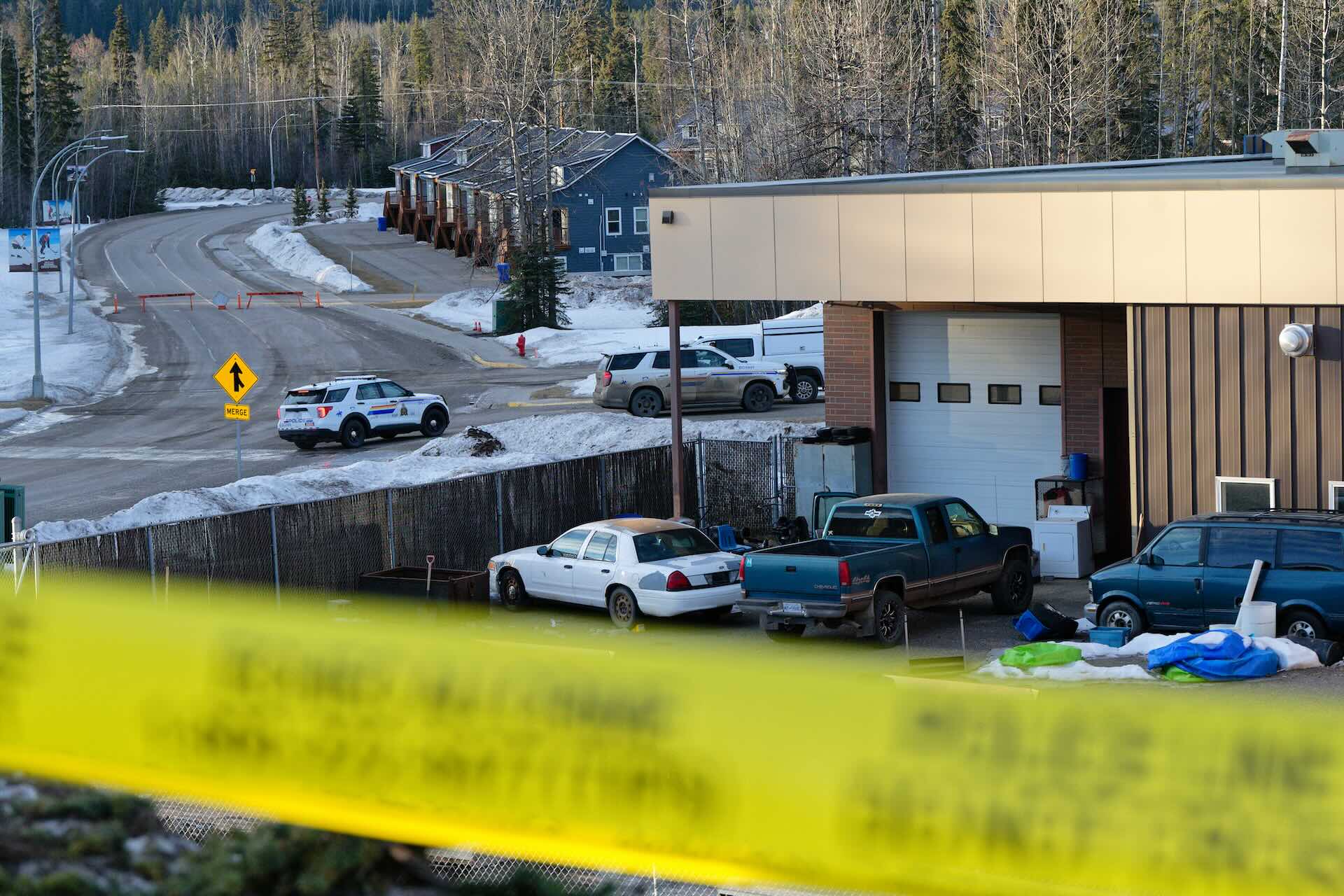
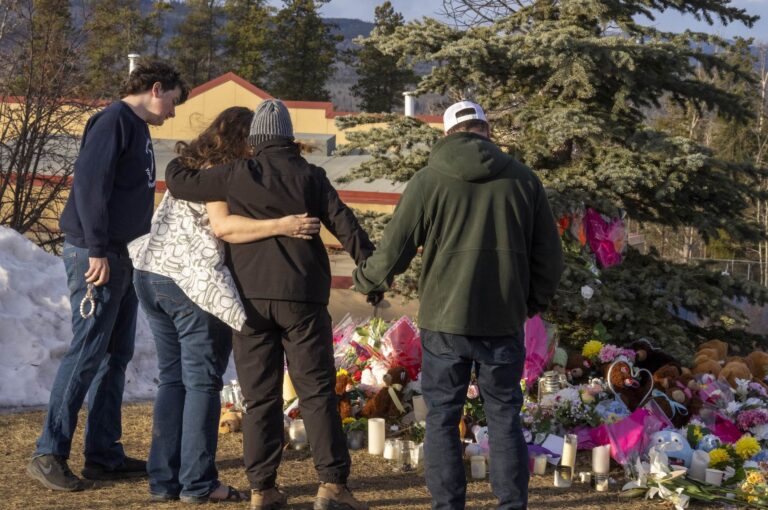
The lawsuits, brought by victims’ families, survivors, the B.C. government and the local school district, allege OpenAI should have warned police after its safety system flagged Jesse Van Rootselaar’s ChatGPT account for conversations involving gun violence. OpenAI shut down Van Rootselaar’s first account in June 2025 without notifying police. On Feb. 10, she shot dead eight people, six of them at Tumbler Ridge Secondary School, before killing herself.
The plaintiffs claim two OpenAI employees who reviewed the account believed Van Rootselaar posed a credible threat of serious physical harm and recommended contacting Canadian authorities. OpenAI has said it concluded the threat did not meet its threshold for notifying police.
Talking Points
- OpenAI is asking a U.S. federal judge to dismiss all lawsuits against it, arguing the company had no duty to warn police after its system flagged the shooter’s ChatGPT conversations about gun violence
- The AI firm is also arguing that conversations with its chatbot should be protected under the First Amendment in the same way as traditional media such as books and video games. Lawyers for the firm are also trying to block the release of thousands of messages the shooter exchanged with ChatGPT.
Mark Stacey, whose wife was killed at the school, argues that OpenAI had a legal responsibility to act on the reviewers’ warnings. In an October 29 court filing, Stacey pointed to a California case that established a duty for psychotherapists to protect people threatened by their patients. He argued OpenAI had a similar responsibility because ChatGPT played a therapist-like role for some users, including Van Rootselaar.
In their motion filed Wednesday, lawyers for OpenAI and Altman argued that California’s duty of care for psychotherapists doesn’t apply to them, because “neither defendants nor ChatGPT are ‘licensed psychotherapist[s]’ under California law.” A lawyer representing the B.C. government declined to comment. OpenAI did not immediately respond to The Logic’s request for comment about the latest court filings.
The defence is OpenAI’s latest attempt to stop the lawsuits being heard in California, where the company is based. It previously argued that B.C was the more appropriate location to litigate the case. The individual plaintiffs countered in a Nov. 5 filing that nearly everyone involved in reviewing Van Rootselaar’s account was based in California. They also argued that B.C.’s rules on wrongful-death claims could leave some families able to recover little more than funeral expenses.
Related Articles
In their latest motion, OpenAI and Altman argued that the plaintiffs failed to explain how ChatGPT’s responses to Van Rootselaar or OpenAI’s decision not to alert police led to the Tumbler Ridge deaths and injuries. And while they specifically sidestepped the question of who is responsible for AI-generated speech, they claimed that “conversations with AI” should receive the same First Amendment protections as traditional media such as books or video games. The court “need not wrestle at this juncture with the novel question of who should be deemed the speaker of AI-generated speech,” the company and Altman argued, adding that siding with the plaintiffs in this case “would infringe ChatGPT users’ First Amendment ‘right to receive information and ideas.’”
OpenAI also disputed the plaintiffs’ claims that ChatGPT is a defective product because it encouraged conversations about violence rather than shutting them down. The company’s lawyers argued the product liability claim doesn’t apply, claiming ChatGPT is a “dynamic online service, not a static tangible ‘product.’”
The motion says Van Rootselaar’s ChatGPT use fell from about 30 messages a day on average from January through October 2025 to about three a day from November until the day of the shooting. OpenAI and Altman claimed none of her more than 10,000 messages she sent the chatbot mentioned Tumbler Ridge Secondary School.
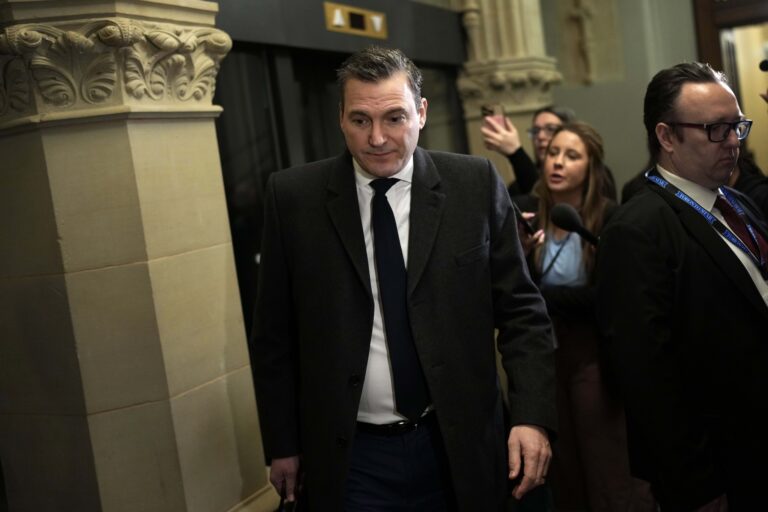
After the shooting, Evan Solomon, Canada’s AI Minister, summoned OpenAI’s safety team to Ottawa. The company pledged to change how it handles threats of violence and said it would have referred Van Rootselaar’s account to police under its new guidelines. B.C.’s independent privacy commissioner is examining how OpenAI handled personal information, including how it considered alerting Canadian authorities. OpenAI has asked a B.C. court to end that investigation.
While OpenAI seeks to have the claims against it thrown out, it’s also asking the judge to keep evidence out of public view. It argued in a Nov. 5 filing to keep Van Rootselaar’s full ChatGPT history and account records private, including excerpts the plaintiffs cited in their own filings. OpenAI said releasing the records could compromise the RCMP’s ongoing investigation, and suggested the judge revisit the issue once it ends.
The B.C. government and local school board have pushed back, arguing in a Nov. 16 filing that OpenAI’s request would keep more than 4,000 pages of over 29,000 messages out of public view. They suggested instead that the court redact sensitive material and make the rest public. They also claimed the RCMP hasn’t taken a position on whether the California court should seal the records.
Dow Jones, publisher of The Wall Street Journal, has separately asked the judge to make court records public. A hearing on that request is scheduled for Dec. 17.