Listen Now
0:00
CALGARY — Oilpatch heavyweight Adam Waterous has plans for a “national interest” project he says could move an additional 250,000 barrels per day of Canadian crude to the West Coast in less than two years—at a fraction of the cost of a new pipeline.
To make it happen, however, the Strathcona Resources chair needs Ottawa to carve out an exemption from its oil tanker ban on British Columbia’s north coast.
Talking Points
- Oilpatch deal maker Adam Waterous is proposing a privately financed crude-by-rail export terminal at Prince Rupert, B.C., that he says could ship an additional 250,000 barrels a day to Asian markets in less than two years
- The project would require an exemption from the federal oil-tanker ban on B.C.’s north coast, testing how far Prime Minister Mark Carney’s government is willing to go to boost exports and diversify trade away from the U.S.
“What we’re going to be focused on is making a crude-by-rail export terminal a project of national interest and referred to the Major Projects Office,” Waterous said in an interview with The Logic, noting he expected federal approval would likely hinge on certain conditions, including “some level of Indigenous participation.”
“We think that’s clearly going to be a project of national interest.”
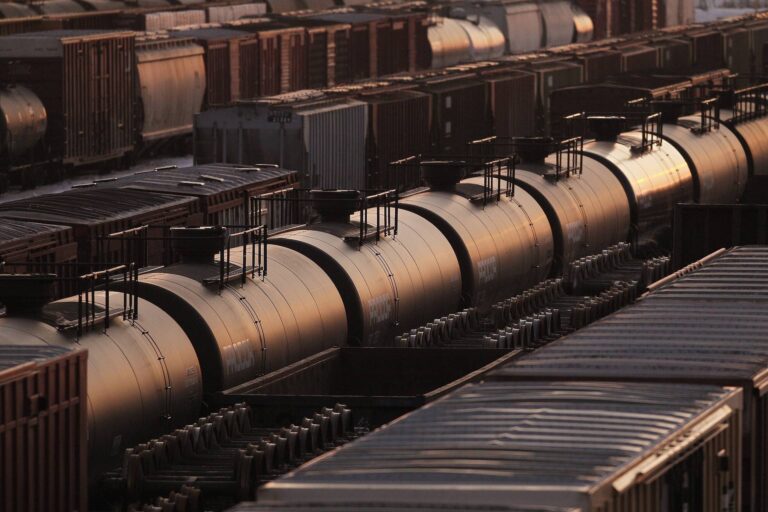
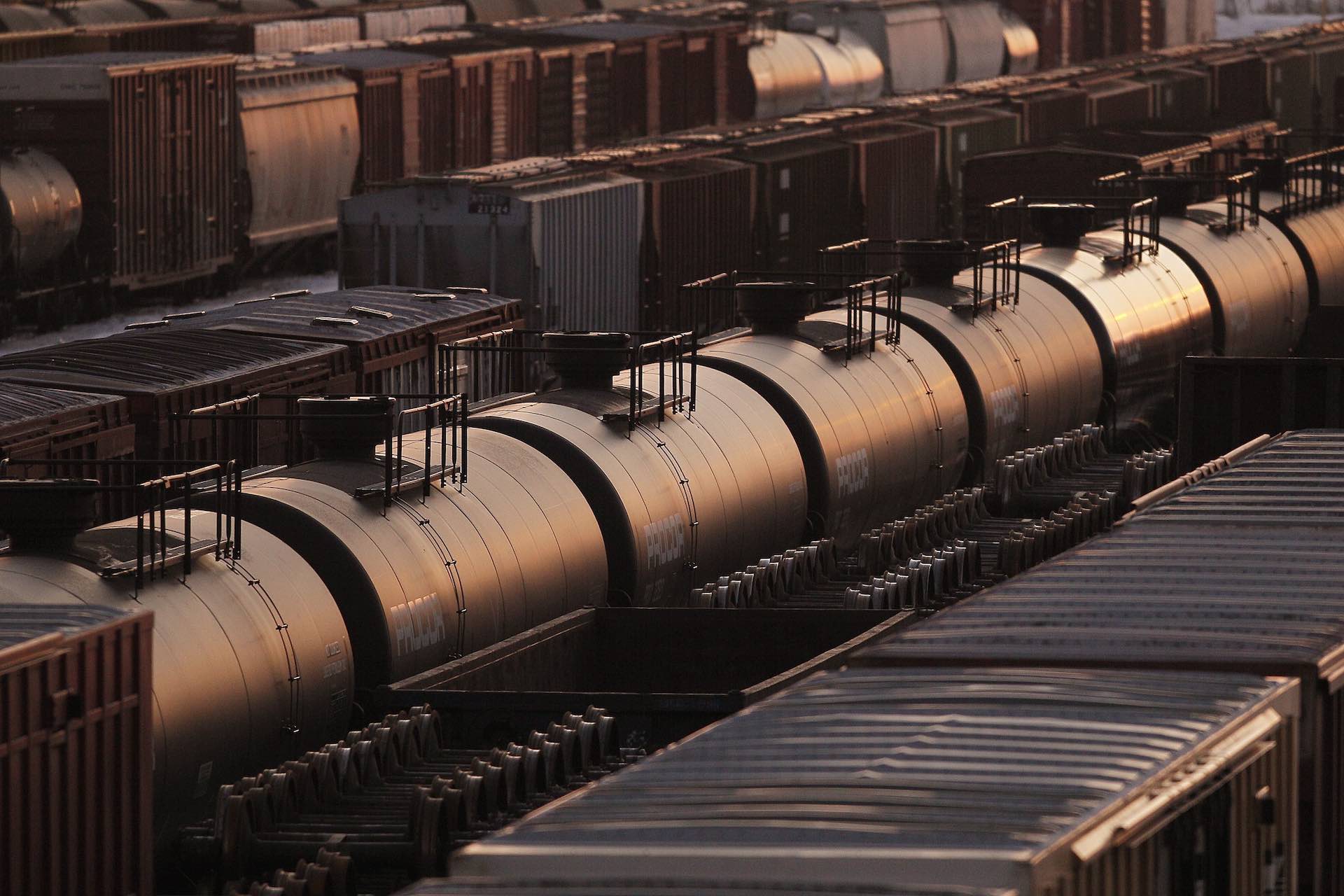
Strathcona is looking to capitalize on its dominance of Canada’s crude-by-rail business. The company owns two rail terminals in Western Canada and handles between 75,000 to 80,000 barrels per day by rail. That’s roughly 80 to 90 per cent of the country’s rail shipments, according to Waterous.
Related Articles
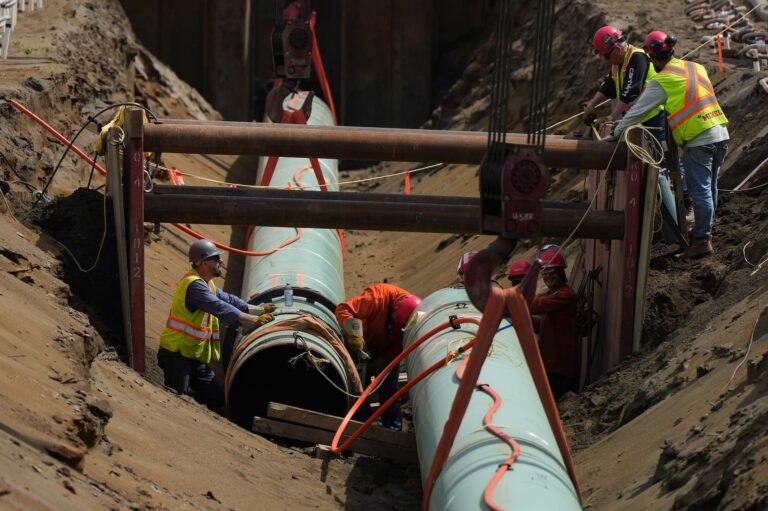
The plan would see Western Canadian heavy crude shipped on the existing CN Rail line to the Port of Prince Rupert, Canada’s third-busiest seaport, where Strathcona would build a new marine export terminal similar to the existing propane export facility operated there by AltaGas.
The proposal is in early stages, and Strathcona has not submitted it to the government for regulatory approval. It has, however, engaged with commercial stakeholders, including CN, to determine potential capital and operating costs, and Waterous said he believes CN’s rail network has sufficient capacity to handle the additional shipments.
“The only infrastructure that needs to be built is an oil terminal offtake in Prince Rupert because the infrastructure already exists with CN Rail,” he said.
The tanker ban represents the greatest hurdle to the plan. However, Ottawa’s November memorandum of understanding with Alberta left the door open to relaxing the ban to enable a new bitumen pipeline, provided the project secured federal approval and offered opportunities for Indigenous co-ownership.
In the end, the parties chose a southerly route for the proposed Pacific Link pipeline that largely follows the existing Trans Mountain pipeline corridor. In doing so, they avoided the need to address the northern tanker ban altogether.
Waterous hopes Ottawa will extend the same consideration to crude shipped by rail that it has for oil sent via pipeline. His proposal, however, could test how much political capital the federal government under Prime Minister Mark Carney is prepared to spend on boosting oil exports, and whether its ambition to diversify trade away from the United States will outweigh its reluctance to reopen the contentious tanker ban debate.
Asked on Thursday about the proposal, Transport Canada spokesperson Flavio Nienow did not say whether the department has considered potential exemptions, but said in a statement that its role is to “implement and enforce” existing law, and noted the tanker ban remains in effect. The law prohibits vessels carrying significant amounts of crude oil from unloading or loading at ports along B.C.’s northern coast, and provides safeguards for sensitive coastal ecosystems and marine habitats. A request for comment from the Prime Minister’s Office was not returned by press time.
Waterous reckons his proposal squares with the Liberal government’s key priorities, including its aim to double Canada’s non-U.S. exports and reduce its dependence on the United States, a costly undertaking that he said will require private investment. “Obviously they’re looking for private sector [investments]—the government doesn’t want to have to build all export facilities.”
Waterous argues his crude-by-rail proposal has two advantages over the proposed Pacific Link pipeline: cost and speed. While the pipeline is expected to rely heavily on public financing, Strathcona’s project would be entirely privately funded. “That’s the first difference, and the second is speed,” he said. “We think we could get this in service in under two years.”
The project would also help narrow the price discount on Western Canadian heavy crude, which has widened in recent weeks, by providing additional export capacity several years before Pacific Link is expected to enter service in the early to mid-2030s.
“And it offers strategic diversification into new markets in Asia,” said Waterous.
Waterous, a former investment banker turned oil tycoon, is best known for building Strathcona into one of Canada’s largest oil producers in less than a decade through a string of aggressive acquisitions. Last year, the firm went toe-to-toe with oilsands giant Cenovus Energy in a takeover battle for MEG Energy. Cenovus ultimately won, but not before striking a side deal to sell Strathcona up to $150 million in assets in exchange for its support for the takeover.
Strathcona moved into the oil-by-rail business in 2022 with its acquisition of Serafina Energy, which included the Hamlin Rail Terminal in Saskatchewan, now capable of handling roughly 50,000 barrels a day. It expanded its rail operations last year by acquiring the much larger Hardisty Rail Terminal in Alberta—a 260,000-barrel-a-day facility next door to Western Canada’s largest crude oil storage and pipeline hub.
There is precedent for Strathcona’s proposals for Prince Rupert. Previously CN Rail and Nexen (now owned by China’s CNOOC) contemplated a project more than twice the size of Strathcona’s to ship Alberta bitumen by rail to the terminal.