Listen Now
0:00
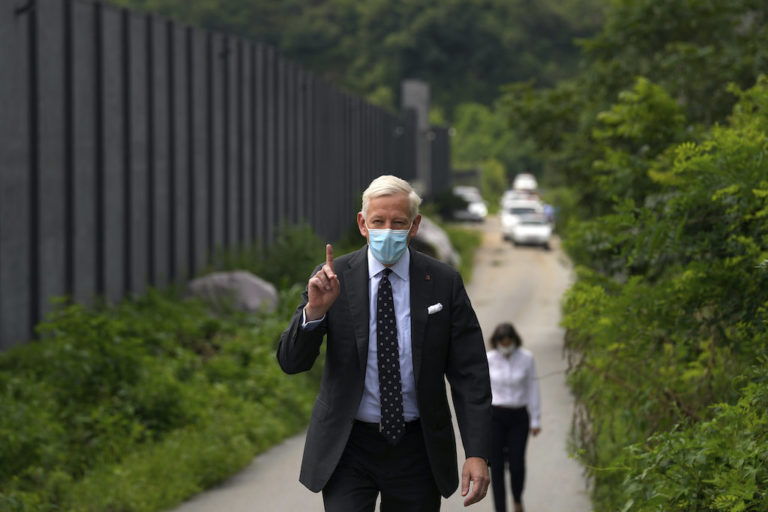
Rio Tinto says that its chair, Dominic Barton, will continue to lead its board as he takes on a new role as chair of Invest in Canada, where Prime Minister Mark Carney expects Barton to help “catalyze billions of dollars of new investment in Canadian energy, critical minerals, artificial intelligence and infrastructure” while overseeing one of the world’s largest mining companies.
Barton “remains fully committed to his responsibilities” as chair of the metals giant, said Malika Cherry, spokesperson for Rio Tinto Canada, adding that the miner has “established governance policies” for external commitments. Barton is not among the officers who has registered as a lobbyist for the company.
Talking Points
- Dominic Barton will continue to chair one of the world’s biggest mining companies in the lead-up to the government’s and pension funds’ upcoming pitch to foreign investors, which is expected to include critical mineral investment deals
- Barton has established a conflict-of-interest screen to ensure he can act in both roles, as the federal government tries to find ways to leverage more private-sector expertise
Privy Council Office spokesperson Pierre-Alain Bujold said Barton, who will be a part-time appointee, has consulted with the federal ethics commissioner and is establishing a conflict-of-interest screen. Such screens require public office holders to abstain from any discussions, decisions, debate or votes concerning matters that could further their private interests.
Barton’s new role is one of the most high-profile signals yet that Canada’s government is seeking to woo the investor community by tapping leaders active in the sectors it wants to boost most. And Invest in Canada’s sudden leadership shakeup comes at a crucial time in Canada’s mining industry, weeks before the federal government co-hosts a major investment summit.
Barton, who replaces former Ontario cabinet minister Laurel Broten, is a former ambassador to China, the world’s leading producer of critical minerals, and chair of LeapFrog Investments, which invests in emerging markets. Barton is also listed as a partner at artificial intelligence venture capital firm Radical Ventures.
Related Articles
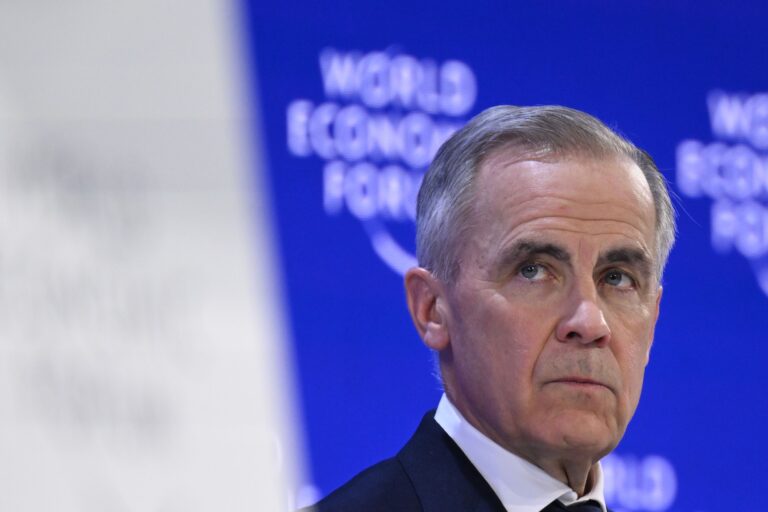
Carney has said he aims to establish a global critical minerals “buyers’ club” with other G7 countries as part of its push to diversify trade, an approach that has gotten broad support from the mining industry. But the federal government reportedly faced pressure from U.S. President Donald Trump’s administration to give the United States more exclusive access.
“We have things like critical minerals, many other aspects that the world wants, and so we’re going to continue to pursue that,” Carney said late last month, after trade negotiations with the U.S. collapsed, touting the number of critical investments the country has made over the past year.
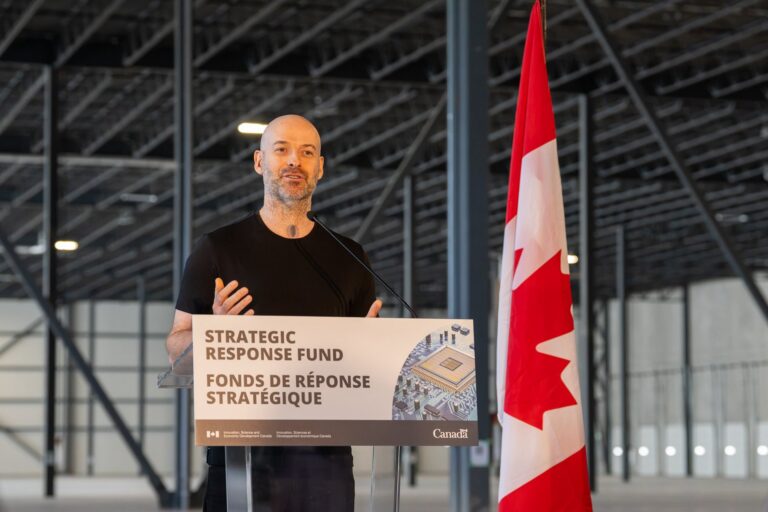
Rio Tinto has been one beneficiary of the federal spending. In May, the government awarded Rio $100 million to advance low-carbon aluminum production from its Strategic Response Fund, which is focused on securing large-scale domestic projects. The Canada Growth Fund pledged $25 million late last year to buy scandium from Rio Tinto, and Natural Resources Canada granted $13.6 million to the company in March for its titanium business after the division closed an associated plant in Quebec last year.
Barton’s new role will include liaising with global investors and co-ordinating with Canada’s Major Projects Office, which orchestrates permitting and financing for other mining companies’ projects. The government and its co-host pension funds, Canada Pension Plan Investment Board and Public Sector Pension Investment Board, are expected to present a “Canada Dealbook” of projects for foreign investors to consider at this month’s summit, supported by Invest in Canada’s foreign-direct investing framework. Louis Bélanger, Invest in Canada’s spokesperson, said Barton was not available for an interview, but clarified that the organization’s board does not oversee or make decisions regarding which investment opportunities are featured in the dealbook.
Barton himself directed The Logic to Invest in Canada’s response when reached while travelling on Wednesday.
In an open letter, Aaron Gunn, the Conservative shadow minister for ethics and accountable government, criticized the decision to make a leadership change at Invest in Canada so close to the upcoming summit. Among other criticisms, Gunn accused Carney of filling the vacancy with a member of his inner circle.
Chris MacDonald, who teaches ethics at the Ted Rogers School of Management at Toronto Metropolitan University, warned against kneejerk criticism of Barton’s public and private sector commitments, since Canada generally has a robust system for dealing with such conflicts.
Closing the door on qualified candidates because of their private sector experience would be an “obvious mistake,” MacDonald said, warning that the federal government should not be criticized solely on the basis that it is recruiting “captains of industry” to public sector roles.
“Sure, there are going to be people who have feelings about someone with a background in mining. There are going to be people who have feelings about someone with a background in tech,” MacDonald said, adding: “You’d have to go outside of the private sector and the sphere of business investment to find someone who no one’s going to object to.”
With files from Joanna Smith