Listen Now
0:00
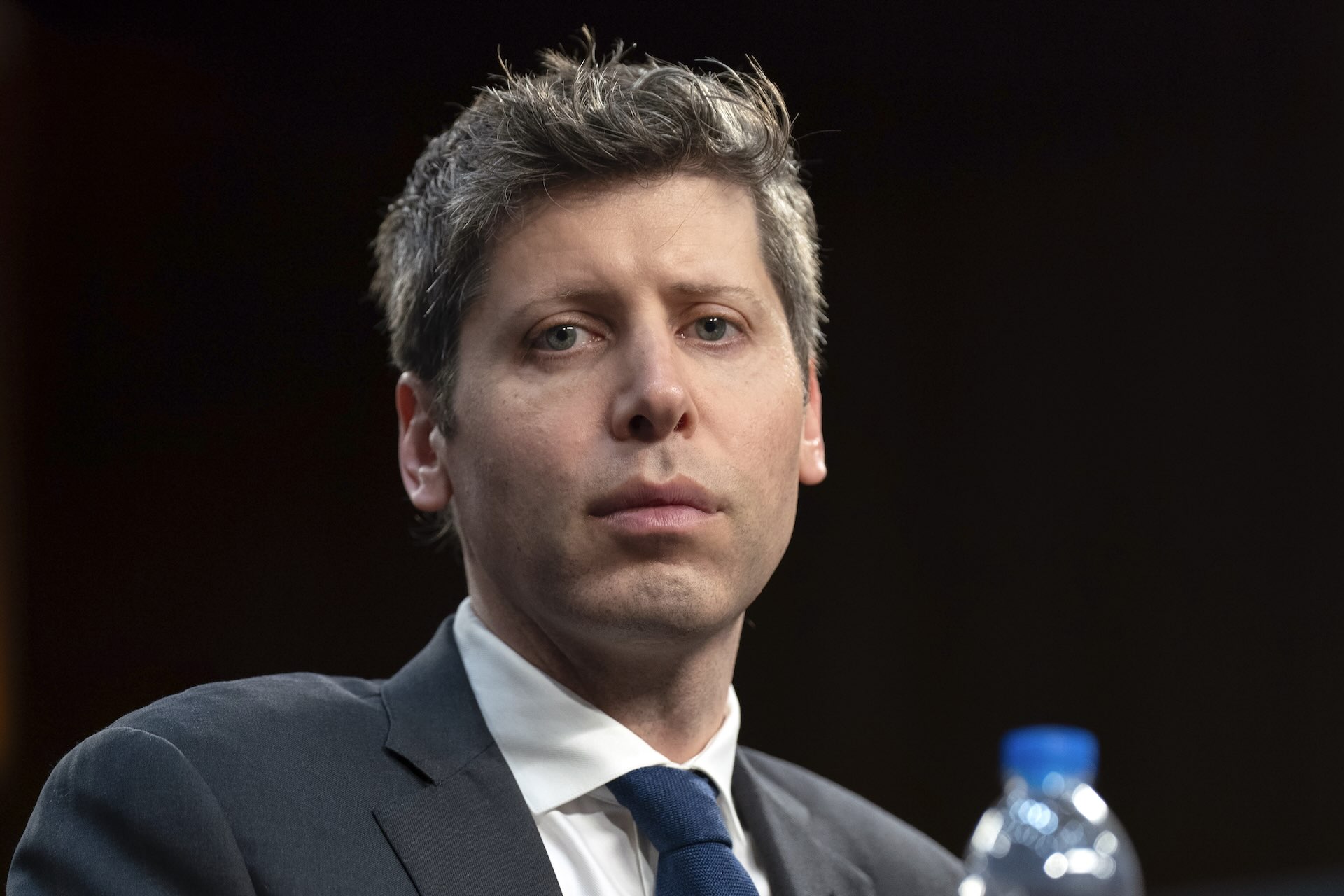
A New Brunswick woman has filed suit against OpenAI and its CEO Sam Altman, claiming the company’s ChatGPT chatbot encouraged her daughter’s death by suicide.
In the complaint, filed in San Francisco Superior Court on Thursday, Kristie Carrier said her daughter Alice, 24, began using ChatGPT in November 2023. According to the complaint, the conversations became involved, with Alice using the chatbot as a mental health resource for her relationship and identity issues. The chatbot answered when Alice asked about the relative effectiveness of certain suicide methods, according to screenshots of the conversation included in the complaint.
Talking Points
- Kristie Carrier is suing OpenAI and CEO Sam Altman, claiming the company’s ChatGPT chatbot was instrumental in her daughter Alice’s death by suicide
- Carrier’s is the latest of several lawsuits brought by Canadians against the San Francisco-based AI company
Alice’s reliance on ChatGPT increased following the release of GPT‑4o in May 2024, which heightened the chatbot’s abilities to imitate human interaction, according to the suit. Alice died by suicide on July 2, 2025, hours after a conversation with ChatGPT about overcoming codependency.
Kristie Carrier only discovered her daughter’s use of ChatGPT as a mental health tool when she checked her phone after her death. ChatGPT’s responses to Alice “were validating every negative thought and feeling that she was having,” Carrier told The Logic. “Rather than giving her coping mechanisms, or telling her to reach out for help, or telling her to reach out to family or friends, it was basically isolating her from everybody who cared about her physically in this world,” Carrier said.
“OpenAI and other companies with similar products market [chatbots] as companions and tools that you can talk to and ask these sorts of questions if you don’t have anywhere to turn,” said Tiffany Gillis Brown, a lawyer with theTech Justice Law project, a U.S. litigation and advocacy organization that has filed a number of cases against OpenAI.
Related Articles

Carrier is suing the company and its CEO for the wrongful death of Alice. She is also seeking to compel OpenAI to put in place conversation-termination mechanisms when self-harm or suicide are discussed, as well as safety disclosures and displaced warnings regarding the risks of dependency on chatbots. She further wants the company to submit to independent quarterly compliance audits.
OpenAI didn’t respond to The Logic’s request for comment. In a statement to Global News, OpenAI spokesperson Drew Pusateri called the situation “heartbreaking” and said Alice’s interactions took place with an earlier version of ChatGPT that is no longer available to the public.
The suit isn’t the first Canadian case against OpenAI. In March, Cia Edmonds sued the company after her daughter Maya Gebala was shot in the head and neck during the February mass shooting at Tumbler Ridge Elementary School in British Columbia. ChatGPT equipped shooter Jesse Van Rootselaar “with information, guidance and assistance” in planning the attack, according to the complaint filed in B.C.’s Supreme Court.
Last November, Cobourg, Ont.-based recruiter Allan Brooks and six plaintiffs from across North America sued OpenAI in California state court, claiming their interactions with ChatGPT led to delusional behaviour and mental health crises.
If you or someone you know is thinking about suicide, support is available 24-7 by calling or texting 988, Canada’s national suicide prevention helpline, or visiting the 988 website.