Skip to content
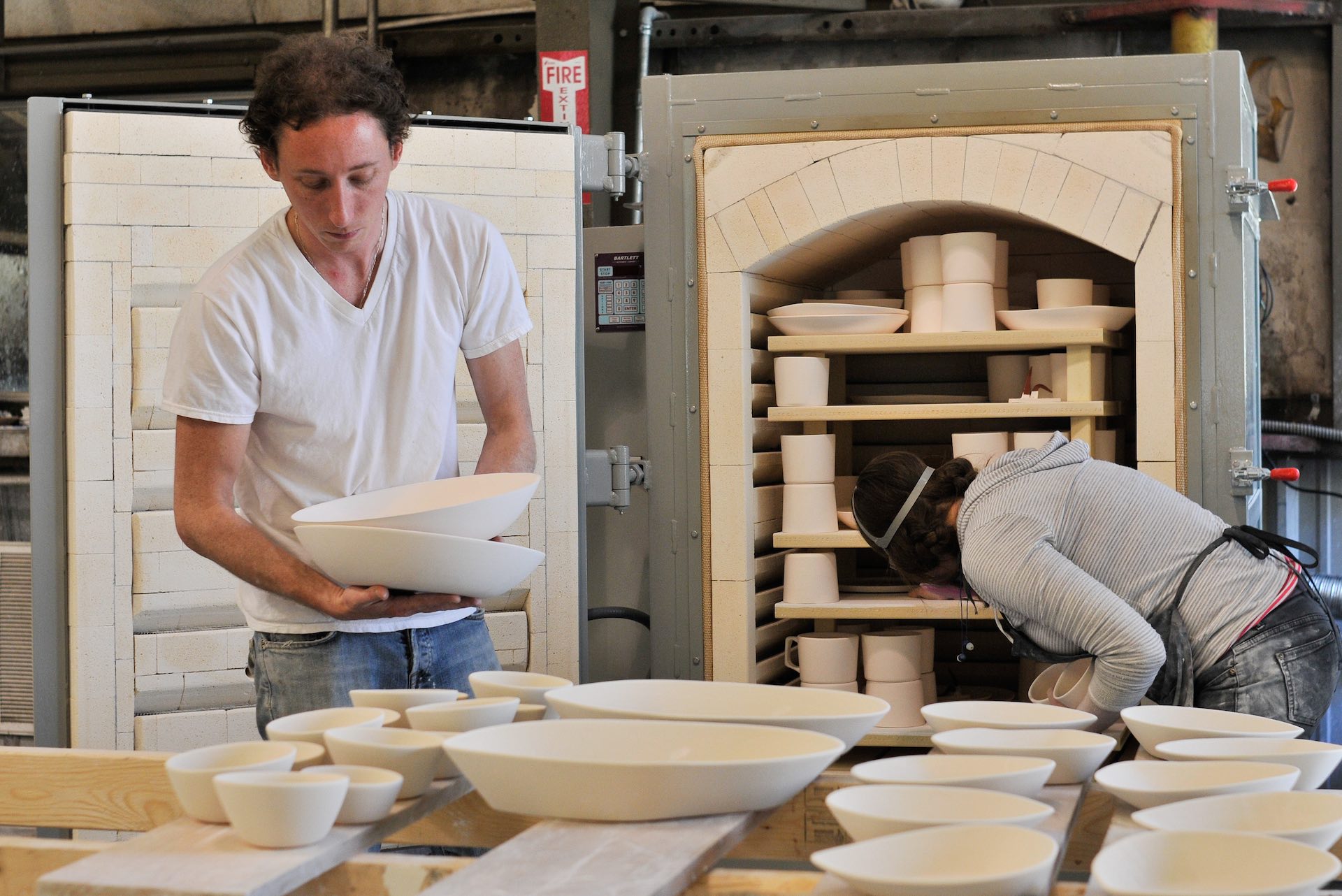
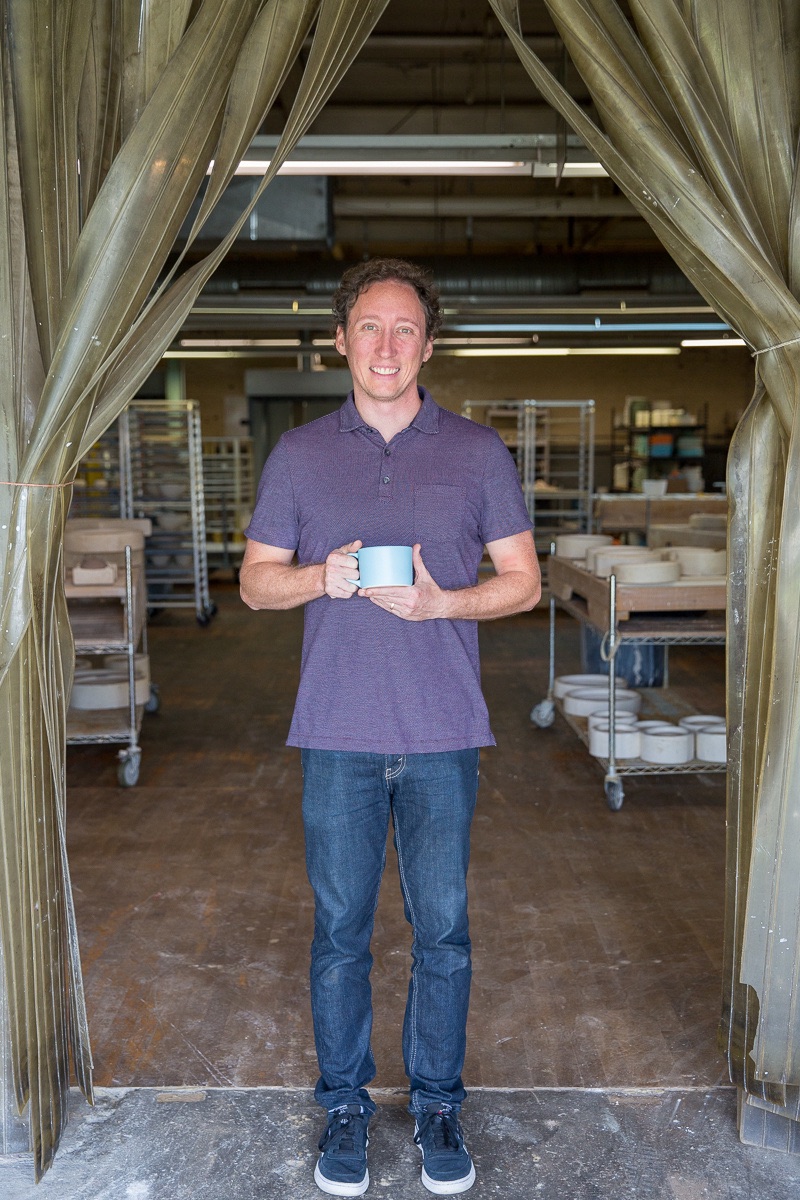 Chris Pence at Haand’s workshop in Burlington, N.C. Photo: Handout/Haand
 Small manufacturers in the U.S. complain that Trump’s tariffs have driven up the costs of the raw materials they use. Photo: Getty Images/Chip Somodevilla

The Big Read
The hidden victims of Trump’s attacks on Canada? Small U.S. manufacturers
Companies that make things in the U.S. say Trump’s trade offensive has sent their costs soaring—and pushed away Canadian customers
Chris Pence, left, says all of his Canadian restaurant clients have stopped ordering from Haand. Photo: Handout/Haand
Chris Pence, left, says all of his Canadian restaurant clients have stopped ordering from Haand. Photo: Handout/Haand
Chris Pence discovered his passion for pottery as a preteen at summer camp, but he was well into adulthood—and a career in accounting—before making it his life’s work.
After several years of doing taxes for a multinational firm, Pence says, “I kind of blew my life up.” He and a high school friend, Mark Warren, rented a rundown farmhouse in Durham, N.C., in 2012 and started the shoestring operation they dreamed would one day become a proper manufacturer of hand-crafted porcelain bowls, plates and vases.
Talking Points
- A North Carolina pottery company that makes hand-crafted dinnerware for restaurants says it lost all its Canadian clients after President Donald Trump launched his trade war
- U.S. small businesses say tariffs meant to boost domestic manufacturing have increased costs, delayed investments and prompted backlash from Canadian consumers
What they lacked in money they made up for in determination. The farmhouse where they both lived and worked had glitchy electricity and no potable water. They shaped and fired clay outdoors, battling snow and ticks and poison ivy. To escape the summer heat, they took turns sitting in the air-conditioned cab of a pickup with the engine running. At times, ripe fruit dropped from a persimmon tree as they worked beneath its branches, breaking their pots.
But their company, Haand, endured, eventually moving into an old hosiery mill in downtown Burlington, N.C. It now counts major hotel brands such as Hilton, Four Seasons, Hyatt and Marriott International among its clients. Until recently, it also supplied about a dozen Canadian restaurants with dinnerware designed, handmade and glazed at its Burlington workshop.
Related Articles


In a way, Pence’s dream of making those goods in the United States aligns with what President Donald Trump is trying to achieve by slapping tariffs on much of the world. Haand sells coffee mugs and serving trays that typically compete with items shipped from Europe, Mexico or Asia. “I’m a domestic manufacturer of ceramics in America,” Pence, 42, says in an interview. “There’s not very many of me.” Instead, due to higher costs and a Buy Canadian movement from customers above the border, Haand is a prime example of Trump’s America First Trade policy undercutting small businesses that want to make things in the United States and sell them around the globe.
There are tariffs on the clay he imports from England, and on feldspar, another key ingredient, that he gets from Spain. That has increased costs on the roughly 70,000 pieces Pence expects Haand to make this year. The greater hit, though, has been losing every single one of his Canadian restaurant clients, who told him they wanted to support small businesses at home. Those clients accounted for about 10 per cent of the company’s hospitality division, which does about half of Haand’s business. (The other half comes from direct-to-consumer sales.)
“We feel caught in the middle of the posturing, the threats.”
As a result, Pence says, the company had to lay off some employees—something it avoided during the pandemic. It also cancelled plans to have a booth last April in Toronto at a hospitality and food service trade event organized by Restaurants Canada. He has empathy for the frustration Canadians feel amid the trade tensions, he says carefully, and hopes his business on this side of the border is paused, rather than fully stopped. “We feel caught in the middle of the posturing, the threats.”
His experience with anti-tariff backlash is one of the cautionary tales found in an amicus curiae brief the U.S. Chamber of Commerce filed to the Supreme Court in the case challenging the broad-based tariffs Trump imposed on countries around the world. Many others were collected by We Pay the Tariffs, an ad hoc coalition of more than 700 small businesses in the U.S. that have been sounding the alarm on the confusion and rising costs of the trade war. U.S. tariff revenue rose to a record US$195 billion for the fiscal year that ended Sept. 30, but small businesses, which account for one-third of the value of imports, are struggling.
One would-be U.S. manufacturer says the tariffs have kept him from getting operations off the ground. Jeff Lassle is the CEO of NexEra Greenspan USA Materials Group, a joint startup venture that wants to set up factories, beginning in South Dakota, to manufacture magnesium oxide panels for use in residential and commercial construction.
“Everything is on hold until we can get some certainty in the market. It’s just been delayed and delayed and delayed.”
Considered an alternative to gypsum drywall or plywood that is more resistant to fire, moisture and mold, the panels are made from the same material used in the Great Wall of China. That speaks to its durability, says Lassle, but China is also where most of the boards are made. Lassle wants to start manufacturing them in the U.S., with raw materials from Alberta. But NexEra must first create a market for the panels, he says, and that means importing at least some of the finished products from China. Perversely, the Trump administration’s sky-high and oft-changing tariffs on Chinese products has forced the company to pause its onshoring plans. “Everything is on hold until we can get some certainty in the market,” he says. “It’s just been delayed and delayed and delayed because of the crazy terms.”
Greg Shugar, 53, is the owner of Beau Ties, which makes tailored accessories for men in Middlebury, Vt. That includes bow ties, as the name suggests, but also cummerbunds, suspenders, pocket squares and neckties. The business has been around for 32 years. Shugar, who bought the business in 2019, says it does about US$5 million in sales per year.
Canadian customers normally account for about seven per cent of those sales, but that started changing in January. “I had received a couple emails from customers who were very unhappy about Trump’s rhetoric of making Canada the 51st state,” Shugar says, adding they told him they would stop buying from him because of it. Other Canadians dropped out silently. The last time he checked, just over one per cent of his sales were from Canada.
Shugar scoffs at Trump’s earliest pretext for imposing steep universal tariffs on Canadian goods. “The fentanyl thing was nonsense. It was fabricated,” he says. He is also frustrated with the deference of congressional lawmakers, saying they are “way too afraid to speak out against President Trump.” He takes issue especially with what he views as an unprovoked attack on Canada that is now also turning Canadians away from his business. “The relationship between the U.S. and Canada is in a situation it doesn’t need to be in.”
Like Haand, Beau Ties is also paying tariffs to make its products in the U.S. “We’re an American manufacturer and so we’re supposed to be the very type of business protected by tariffs, and here we are getting hit. Why? Because to make our products, we need silk, and silk fabric is not made in the United States,” says Shugar. He sources it from Italy and China. “Our expenses have gone up considerably.”
Haand, the pottery business, is planning to switch to domestic sources of clay next year, a significant change to the production process that will also mean adjusting the glaze. That would eliminate some of the company’s tariff burden, which is part of the pitch from Trump. But Pence says Haand was already starting that shift before the tariffs were in place.
As for discovering he was quoted in the amicus curiae brief, Pence jokes that there are worse reasons to be in the archives of the Supreme Court. But he says he is the wrong person to ask for clarity on what Trump is trying to achieve: “If the goal is to help me make more pottery and have more demand, that hasn’t been our experience.” Still, he learned how to be scrappy starting a new business on a tight budget and getting it through the pandemic, so he will keep at it. He dreams of being a much larger exporter, and is excited about bringing his pottery to other countries, but adds: “Right now doesn’t feel like it’s that time.”



Loading...
Thanks for sharing!
You have shared 5 articles this month and reached the maximum amount of shares available.
CloseThis account has reached its share limit.
If you would like to purchase a sharing license please contact The Logic support at [email protected].
CloseGift the full article!
You have gifted 0 article(s) this month and have 5 remaining.
Recipients will be able to read the full text of the article after submitting their email address. They will not have access to other articles or subscriber benefits.
Photo: Handout/Haand
Chris Pence at Haand’s workshop in Burlington, N.C.
Small manufacturers in the U.S. complain that Trump’s tariffs have driven up the costs of the raw materials they use.
Most Popular This Week




In-depth, agenda-setting reporting
Great journalism delivered straight to your inbox.
News
Panel decries Canada’s chaotic way of funding world-class science
Briefing
Feds pledge $15M for U.S. satellite navigation company Xona to expand in Montreal
Inovia raises US$200M for new VC fund as it eyes AI’s impact
43% of eligible Albertans voted ahead of Monday’s referendum
Best business newsletter in Canada
Get up to speed in minutes with insights and analysis on the most important stories of the day, every weekday.
Exclusive events
See the bigger picture with reporters and industry experts in subscriber-exclusive events.
Membership in The Logic Council
Membership provides access to our popular Slack channel, participation in subscriber surveys and invitations to exclusive events with our journalists and special guests.





