A slew of tax credits helped turn Quebec into a global video game powerhouse. Now, after decades of growth, big changes to the system are causing concern. Industry insiders tell The Logic that an overhaul of Quebec’s tax credits system is putting developers under considerable strain at a time when many studios are struggling to survive.
Skip to content

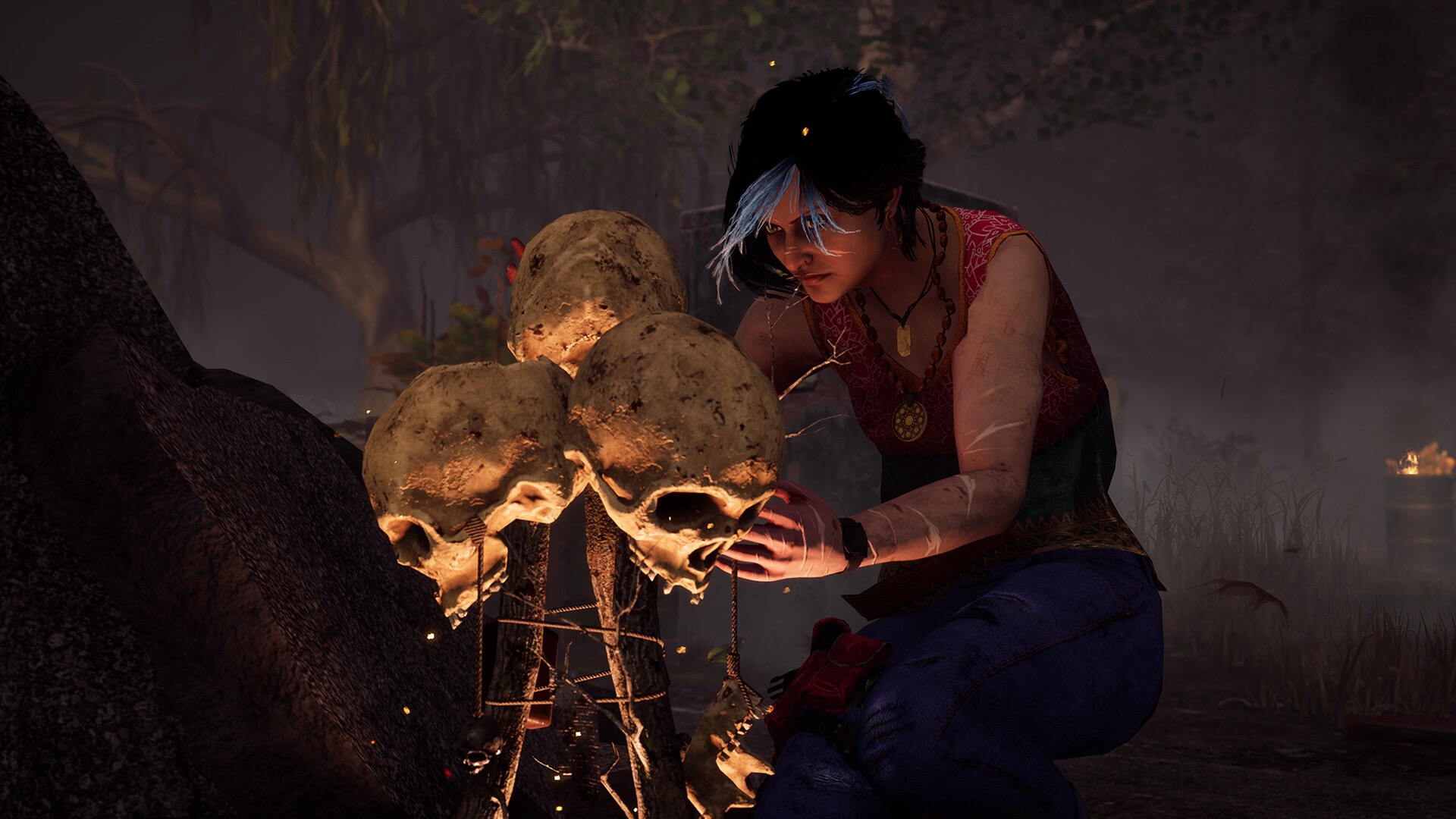 The largest locally owned game developer in Quebec, Behaviour Interactive had a breakout hit with the multiplayer horror game Dead by Daylight. Photo: Behaviour Interactive/Handout
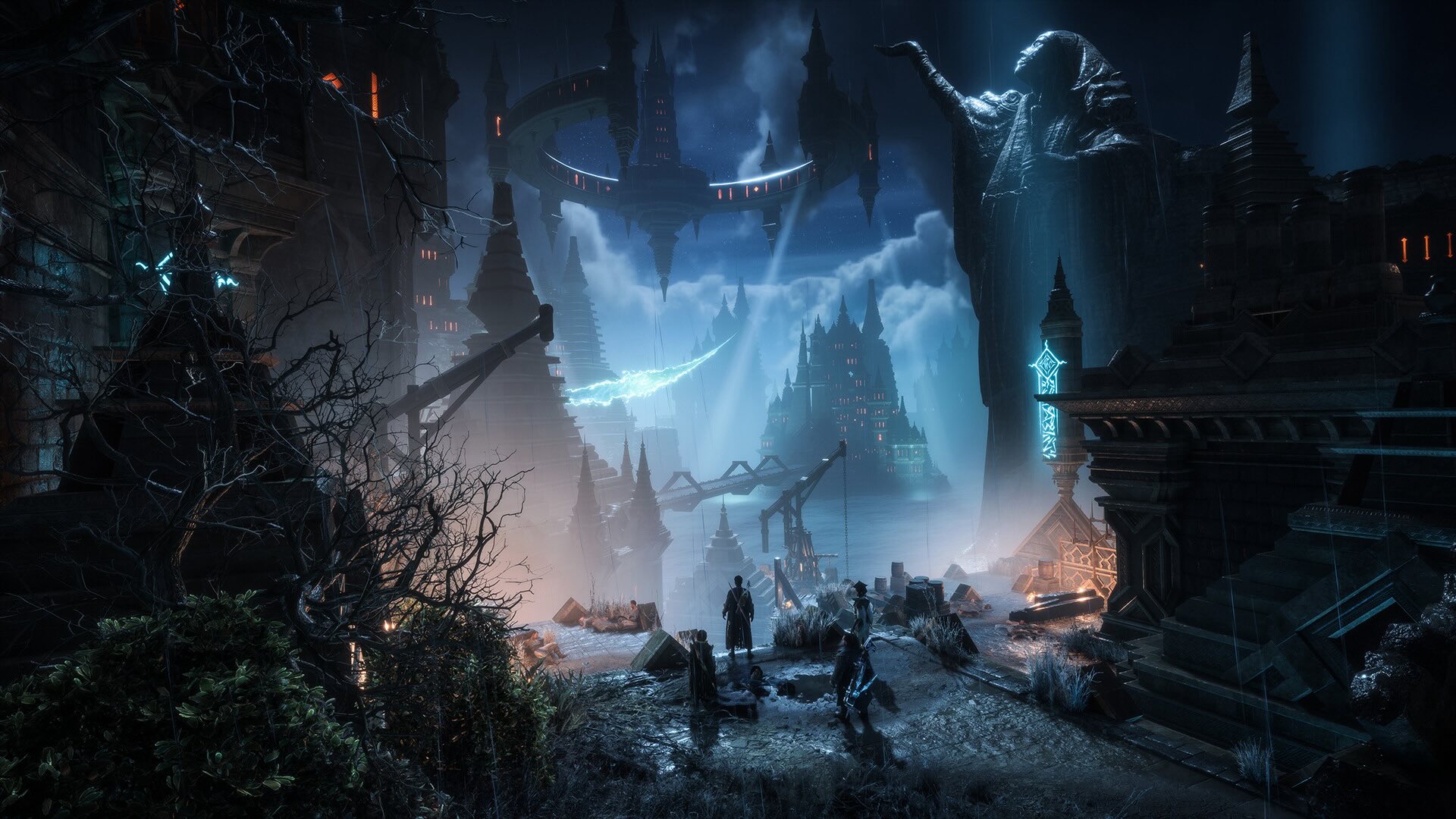 It takes hundreds of developers to make large-scale worlds of the kind featured in BioWare's Dragon Age: The Veilguard. Photo: Electronic Arts/Handout
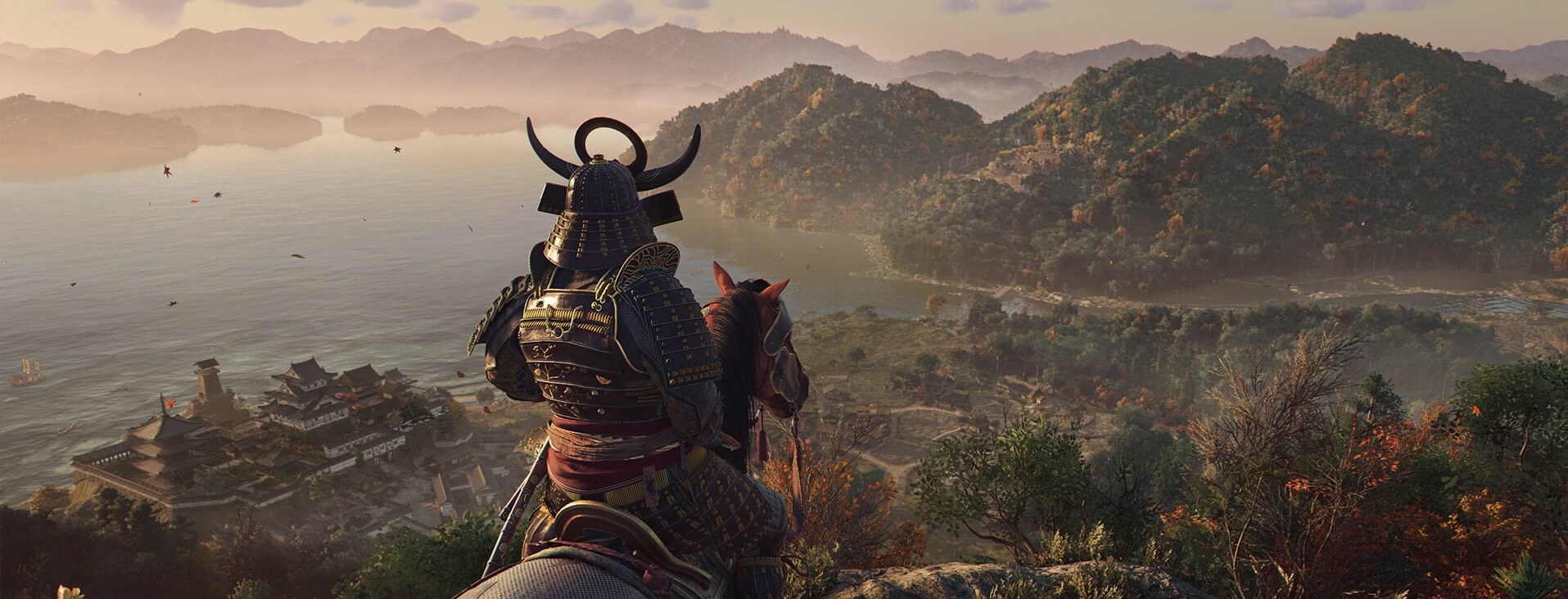 Ubisoft's Quebec studios typically handle major entries in the Assassin's Creed franchise. Ubisoft Quebec's Assassin's Creed Shadows released on March 19, 2025. Photo: Ubisoft/Handout

The Big Read
Quebec’s game industry is hurting. Insiders say the government is making things worse
Changes to Quebec’s tax credits system ‘fundamentally misunderstand’ how the industry works and could persuade many companies to leave the province, game developers say
Ubisoft Montreal is the single biggest game development studio in the world and employed 4,000 people at its height. Photo: Eric Thomas/AFP via Getty Images
A slew of tax credits helped turn Quebec into a global video game powerhouse. Now, after decades of growth, big changes to the system are causing concern. Industry insiders tell The Logic that an overhaul of Quebec’s tax credits system is putting developers under considerable strain at a time when many studios are struggling to survive.
Critics say changes made to the multimedia tax credit, which has been in place since 1996, will hurt small and locally owned studios, disincentivize hiring new graduates and put the province’s reputation as a destination for top talent at risk. Meanwhile, they argue, a brain drain already affecting Quebec’s game industry could worsen, with neighbouring Ontario one likely benefactor.
Talking Points
- Quebec has changed its multimedia tax credit to give back less money to game developers and incentivize higher-paying roles over entry-level positions
- Critics say the changes are disproportionately hurting small and locally owned studios, and “fundamentally misunderstand” how games are made
- The changes are come as companies across the industry cut staff and dialing back investment, raising concerns about the combined impact to the Quebec development scene
The stakes for Quebec are high. The province is home to more than 15,000 game developers and more than 250 studios. The industry has contributed $1.4 billion annually to the provincial GDP. To make that happen, though, Quebec has spent big. The tax credit has effectively meant that each year, the provincial government paid employers as much as 37.5 cents for each dollar they paid out in salaries. That era came to a close a year ago when the government’s 2024-2025 budget amended the tax credit to omit a chunk of each employee’s salary and ensure a company only sees the full benefit if it’s sufficiently profitable.
Quebec’s reasoning for such big changes to the tax credits is simple: cost-cutting. It wants to save $2.9 billion over the next five years and reforms to the corporate tax credits system are, it says, a big part of that.
The changes would have been unwelcome for game makers at the best of times, but they arrived alongside a financial crisis that has brought about some 35,000 layoffs in the industry worldwide since 2022, hundreds in Quebec alone. Between the industry’s wider struggles and the abundance of other development hubs with suddenly more competitive tax incentives, the heart of one of Canada’s biggest creative industries finds itself in an unusually vulnerable position.
Chris Chancey, former chair of the La Guilde du jeu vidéo du Québec, a non-profit co-operative that represents the province’s creators, says the tax credit was “really visionary” in building out Quebec’s development scene. “This is why Ubisoft came. This is why Warner Bros. came, why Square Enix came,” Chancey says.
Related Articles


While most of the large studios in Quebec are foreign-owned, the tax credits also helped build local success stories like Montreal-based Behaviour Interactive, which employs more than 1,200 people and has outposts in the Netherlands, Toronto and the U.K.
“The tax credits have been a game-changer for us, especially in our early years,” says Rémi Racine, the Behaviour CEO who co-founded the company in 1992. “The funds Behaviour received from the government were reinvested into the company, playing a crucial role in our growth and success. Moreover, the tax credits have been instrumental in structuring the industry in Quebec.”
The Quebec government has argued that the credit was first introduced to support IT workers at a time when the province was struggling with an 11.8 per cent unemployment rate. That was down to less than five per cent in 2023.
“We invest millions of dollars into this thing. If you’re fucking around with the tax credit, the budget doesn’t make sense any more.”
The changes are complex but amount to less money to support the industry. By 2028, 10 percent of Quebec’s refundable tax credit will have switched over to a non-refundable tax credit. Both types of credits reduce a company’s tax burden, but only refundable tax credits can reduce it below $0, triggering a tax refund payment from the government. So if a company is losing money and has no income on which to pay taxes, non-refundable tax credits are worthless.
On top of that, the first portion of each employee’s salary—an amount based on Quebec’s basic personal income tax dedication, which was just over $18,000 in 2024—is no longer eligible for the tax credit at all. On the other hand, the revised tax credit is more generous when it comes to top-end talent; previously, companies could only claim benefits on the first $100,000 of an employee’s salary, but that salary cap has now been removed to incentivize high-paying jobs.
While some studios may benefit from the salary cap removal, Chancey says they’re more likely to be the biggest players, which—Behaviour aside—are owned by foreign companies. “It’s basically the government saying we don’t really care about locally owned studios,” Chancey claims. “We really just want high-paying jobs.”
In addition to his role with La Guilde, Chancey is also the founder, president and CEO of Montreal-based developer ManaVoid Entertainment, which employs about 50 people in the city.
He says ManaVoid’s revenue doesn’t justify having that many people on staff, but the multimedia tax credit has allowed him to be more ambitious about hiring new people and working on multiple projects at once. With the new-look tax credit not applying to a big chunk of the salary for entry-level hires and the change to the tax credit for loss-making companies, he says it incentivizes his company to make fewer games and to not swing for the fences. “What you’re telling me is you don’t really want me to scale,” Chancey says. “You want me to stay small and profitable.”
That has knock-on effects for the local industry. Montréal International, a public-private partnership promoting the city’s economy, identified almost 80 educational programs offering specialized courses for game development to more than 1,000 students in the province. But Chancey says if the first $18,000 of any hire is ineligible for the tax credit, he’s better off hiring just one veteran developer with a high salary instead of multiple juniors to maximize the amount he’ll get refunded by the government. “Because of the way these measures are implemented, it doesn’t make sense anymore to hire these students, because I’m really incentivized to go towards the experienced workforce,” Chancey says.
Quebec Finance Ministry spokesperson Charles-Étienne Bélisle said the revisions to the tax credit will help maximize the benefit they provide to the government.
“The changes were intended to improve the fairness and impact of these tax credits supporting labor-intensive IT sectors, in a context where the Quebec labor market is no longer what it was when these tax credits were created and where significant growth in their costs has been observed in recent years,” Bélisle said.
There are hundreds of studios making games in Quebec, but it’s the number of global giants that really sets the province apart from other development hubs in Canada and around the world. Electronic Arts, Epic Games, Warner Bros., Take-Two Interactive, Embracer Group, Sony and Ubisoft all have major development studios in Quebec, working on big-budget games including Fortnite, Call of Duty and Assassin’s Creed.
According to Nordicity, a consulting firm that specializes in digital entertainment and creative industries, Quebec is home to about 45 per cent of Canada’s 34,000 game developers, including the largest studio in the world, Ubisoft Montreal, which employed more than 4,000 people at its height and currently employs 3,800.
Nordicity knows its way around a tax credit, having worked for industry groups lobbying for them as well as governments trying to implement them. Kristian Roberts, the firm’s CEO, says the changes in Quebec will make the province a less attractive home for companies planning to establish new studios, or invest in growing the ones they already have. “The cost of labour is the primary input cost to making video games,” Roberts says. “Labour becomes more expensive. The video games become more expensive, so the jurisdiction becomes less competitive. This is very simple.”
It’s not just the game developers that call Quebec home, either. The province has a network of service companies that do everything from bug testing to localization. These companies operate on very thin margins because their business model is to do as much work as possible for tiny profits to remain as competitive as possible. Roberts says the difference between the tax credit they thought they had and the new one announced in 2024 could be enough to put them in the red.
Roberts also takes issue with a core premise of the change to the tax credit system in Quebec: that companies need to be profitable to take full advantage of the credit. He says this “fundamentally misunderstands how the game industry works.” Given how long games take to make, developers can go years between releases with minimal revenue, burning through cash built up by their last major project. Losses mount and, under the new system, companies don’t get anything from the non-refundable portion of the tax credit.
This isn’t the first time Quebec has looked to scale back its multimedia tax credit. In 2014, the province slashed dozens of tax credits by 20 per cent, the multimedia credit among them. A government-commissioned study conducted shortly after the cuts found that every $1 of tax assistance from the credits at their previous level ultimately produced $1.41 in tax benefits for the province. The credits were restored to their previous level in the next budget. Bélisle said that other studies on the subject gave lower results for how much wealth the tax credits produced for the province.
The effect of cutting tax credits can be stark. In 2018, Alberta’s NDP government passed an interactive digital media tax credit of 25 per cent, which was quickly followed by Improbable and New World Interactive starting new studios in Edmonton and Calgary, respectively. When the United Conservative Party took power in 2019, it axed the credit. Roberts recalls attending a government consultation with the game industry after the credits were withdrawn and listening to one local executive “sit there and yell at the government for half an hour.”
He points to Electronic Arts-owned BioWare—the Edmonton-based but American-owned studio behind Mass Effect and Dragon Age—as one studio that was particularly burned by the changes. “They had 500 people and then all of those 500 people were about 30 per cent more expensive than they thought they would be,” Roberts says. Overnight, he adds, the math totally changed.
Before Alberta’s tax credits were ditched in 2019, Nordicity put the number of full-time game developers in the province at 1,310. In last year’s report, it had fallen to 810. In 2022, Alberta Premier Danielle Smith directed Innovation Minister Nate Glubish to develop a new interactive tax credit, but as reported by The Logic, the province has since scrapped the idea.
Glubish’s press secretary Jonathan Gauthier said the province will instead pursue more “effective and sustainable” investments and strategic partnerships with funds like B.C.-based Shred Capital and Seattle’s Flying Fish Ventures, both of which include Alberta gaming companies among their portfolios. “Instead of sector-specific tax credits, Alberta’s government has chosen to support the digital media gaming industry through strategic funding partnerships and investments,” Gauthier said.
When one government starts clawing back tax credits, it undermines the trust in such measures everywhere because companies don’t know how much they can rely on those credits to be there in the future, Roberts says. “Tax credits are designed to be predictable,” Roberts says. “That’s the value proposition of a tax credit. When they evaporate, the house of cards falls, because that was the whole deal.”
Quebec’s loss could be Ontario’s gain. The province isn’t just close by, it also has a big game development scene and its own tax credit program—facts that have not gone unnoticed by those in Quebec. “If you’re fucking around with the tax credit, the budget doesn’t make sense anymore and we’re gonna have to look at maybe moving jobs to Ontario,” says Chancey.
Historically, Ontario’s tax credit for game developers, formally known as the Ontario Interactive Digital Media Tax Credit, wasn’t as generous as Quebec’s. When it was introduced in 1998, two years after Quebec’s, it was 20 per cent. Today, it tops out at 40 per cent of eligible expenditures, including wages as well as some marketing and distribution expenses.
Other provinces with less-established development scenes have matched that support, or gone further still. Manitoba has a tax credit on up to 40 per cent of wages. In Newfoundland and Labrador, there’s a 40 per cent tax credit for salaries and a portion of subcontracting expenses, albeit with a cap on how much can be claimed per employee and per company. That credit had been scheduled to expire at the end of last year, but the legislature made it permanent in December. Nova Scotia’s tax credit tops out at 60 per cent of salary, with a little extra for marketing and distribution expenses.
British Columbia’s tax credit may not be as generous, but its game industry is second only to Quebec’s in terms of how many people it employs, and the province is making its tax credit more competitive. In its 2025 budget unveiled earlier this month, B.C. announced plans to increase its multimedia tax credit from 17.5 per cent to 25 per cent beginning in September.
“There is a brain drain already,” Chancey says of Quebec’s games development scene. “There is a halt in investment because people are in wait-and-see mode. Is the government going to go back to what it was? Are they really serious about this or not? Unpredictability is the worst. It stops momentum, so it stops us moving forward.”
“Corporate investments are at the lowest point they’ve been since somebody bothered recording it.”
Chancey says he knows of at least one other development company that has decided to add headcount in Ontario rather than Quebec, but it remains to be seen just how many jobs other provinces and countries will be able to lure at Quebec’s expense. Racine, for his part, doesn’t sound inclined to pull up stakes anytime soon. “Behaviour was born and raised in Quebec, and we intend to keep our headquarters in Montreal,” he says.
Even so, he recognizes other developers might not be able to stand their ground. “The reduction in the tax credit rate … will undoubtedly have a significant impact on smaller independent studios and Quebec’s competitive position in the global market,” Racine says.
The changes to the tax credits are a problem specific to Quebec, but they don’t exist in a vacuum. The global game industry has been suffering a prolonged hangover after a pandemic-era boom fueled by locked-down customers with fewer alternatives, low interest rates and investors with more capital than caution.
Veteran developer Masao Kobayashi says he was a beneficiary of that bubble, as Cut to Bits, the Montreal-based startup studio he co-founded, landed a deal with Japanese anime outfit Aniplex to publish its first title, the fantasy action game Venture to the Vile, in a bid to cash in on a surge of people using the Steam games storefront.
When the game launched in May 2024, it did so in a very different market. It was warmly received by those who played it, but that audience wasn’t big enough to keep the team together to make a second game. The studio still exists, but much of the team went their separate ways, and Kobayashi left to work for another company last year.
Cut to Bits is far from the only Quebec studio to scale back or stop work altogether in recent months. The industry’s malaise has hit creators of all sizes, with layoffs at big firms like Behaviour Interactive, WB Games Montreal, Eidos Montreal and Reflector Entertainment, and the closures of studios owned by Embracer and Avalanche Studios Group.
Kobayashi wouldn’t rule out launching another studio at some point in the future, but “right now is definitely not the right time” to be starting a business in games, he says.
“Corporate investments are at the lowest point they’ve been since somebody bothered recording it,” says Nordicity’s Roberts, pointing in particular to a sudden lack of investment in western countries from Chinese giants NetEase and Tencent. He says that big publishers and investment funds are struggling to raise money, creating a “scarcity of capital running through the whole value chain.”
Jason Della Rocca, co-founder of Montreal-based studio incubator Execution Labs, says it’s now significantly harder for independent studios like Kobayashi’s to find funding as the industry has shifted to what he calls “evidence-based investing.”
It used to be enough for a handful of veterans with big-name studios on their resumés to throw together an idea and some buzz words and land $5 million for a project, he says. Today, a team needs to prove a much higher level of market interest before investors or publishers will even think about opening their wallets. Developers not only need to have progressed far enough to have a game to show, they need to be able to point to how many views an announcement trailer got on YouTube, how many fans are already in the studio’s Discord channel clamouring for the game, or how many people on digital storefronts have added the game to their wishlists.
“They want to see that engagement,” Della Rocca says of publishers and investors. “They want to see proof that there’s a market. It’s putting much more burden on the developers to essentially start the publishing process in terms of getting the marketing going.”
That creates a chicken-and-egg conundrum. Developers need money to build their game and cultivate a following, but they need to build the game and cultivate a following in order to get that money.
Stuck in the middle of the tax credit changes, the global industry struggles, and how they will ultimately impact Quebec is Ubisoft, which employs more than 4,600 people in the province across studios in Montreal, Quebec City, Piedmont, Sherbrooke and Saguenay. That would be more than 30 per cent of the province’s entire game development workforce, going by Nordicity’s numbers.
Ubisoft is also struggling of late, with a string of disappointing major releases, multiple waves of layoffs and an ownership group exploring “various transformational strategic and capitalistic options” to turn things around for shareholders.
Whatever happens with Ubisoft is going to have tremendous ripple effects throughout the province. Ubisoft is a key booster for the Quebec game development ecosystem as a whole, the largest corporate partner for La Guilde, a partner for local schools creating a pipeline of new talent, and a supporter of entrepreneurs building more homegrown businesses. “They’re sort of the anchor tenant of the industry,” Roberts says of Ubisoft’s importance to the scene in Quebec. “And what happens to a mall when your anchor tenant leaves? Not good stuff.”
While the current situation is proving to be an existential crisis for individual developers and specific studios, Della Rocca is confident that Quebec will continue to be home to top development talent for a long time to come. He points to what happened to Australia and Vancouver’s game development scenes after the global financial crisis of 2008. The Australian industry shrank by 60 per cent in a span of four years, losing homegrown studios like Team Bondi and Krome alongside outposts for Sega, THQ and Electronic Arts. Vancouver lost the likes of Ubisoft, Activision and Rockstar, with the latter moving its Canadian operation to Toronto. EA almost halved the size of its Vancouver team, creators of the perennial hit FIFA series, now known as EA Sports FC. Both hubs were hit considerably harder than Montreal has been in recent months, but both have also rebounded in recent years.
“I think we’ve seen enough other places where in the moment it looks like the bomb has dropped and everything’s game over,” Della Rocca says. “But then you get that phoenix effect; from the ashes, new things rise, people persevere. New things are created with a different approach. Yes, there are challenges, and things are changing, but I think things will naturally evolve and will be stronger for it over time.”
With files from Martin Patriquin.
Correction: Chris Chancey is the former chair of the La Guilde du jeu vidéo du Québec. This story has been updated.



Loading...
Thanks for sharing!
You have shared 5 articles this month and reached the maximum amount of shares available.
CloseThis account has reached its share limit.
If you would like to purchase a sharing license please contact The Logic support at [email protected].
CloseGift the full article!
You have gifted 0 article(s) this month and have 5 remaining.
Recipients will be able to read the full text of the article after submitting their email address. They will not have access to other articles or subscriber benefits.
Photo: Eric Thomas/AFP via Getty Images
The largest locally owned game developer in Quebec, Behaviour Interactive had a breakout hit with the multiplayer horror game Dead by Daylight.
It takes hundreds of developers to make large-scale worlds of the kind featured in BioWare's Dragon Age: The Veilguard.
Ubisoft's Quebec studios typically handle major entries in the Assassin's Creed franchise. Ubisoft Quebec's Assassin's Creed Shadows released on March 19, 2025.
Most Popular This Week




In-depth, agenda-setting reporting
Great journalism delivered straight to your inbox.
The Big Read
Alberta’s referendum is just the start of the turmoil
Briefing
EverWind plans $10B data centre and wind development in Nova Scotia
Canada ready to force Stelco to sell its Canadian operations, Joly says
Feds plan a 60 MW defence-oriented data centre for Ottawa
Best business newsletter in Canada
Get up to speed in minutes with insights and analysis on the most important stories of the day, every weekday.
Exclusive events
See the bigger picture with reporters and industry experts in subscriber-exclusive events.
Membership in The Logic Council
Membership provides access to our popular Slack channel, participation in subscriber surveys and invitations to exclusive events with our journalists and special guests.






