JASPER, Alta. — The first week of Darren Thom’s retirement was greeted by a wall of flames 100 metres high. It was July 24, 2024 and a wildfire was tearing through his hometown of Jasper. Days earlier, the former CN Rail locomotive engineer was mortgage-free and ready to enjoy life in the mountains in the home where he had lived for 24 years. Now, fire was everywhere.
Skip to content

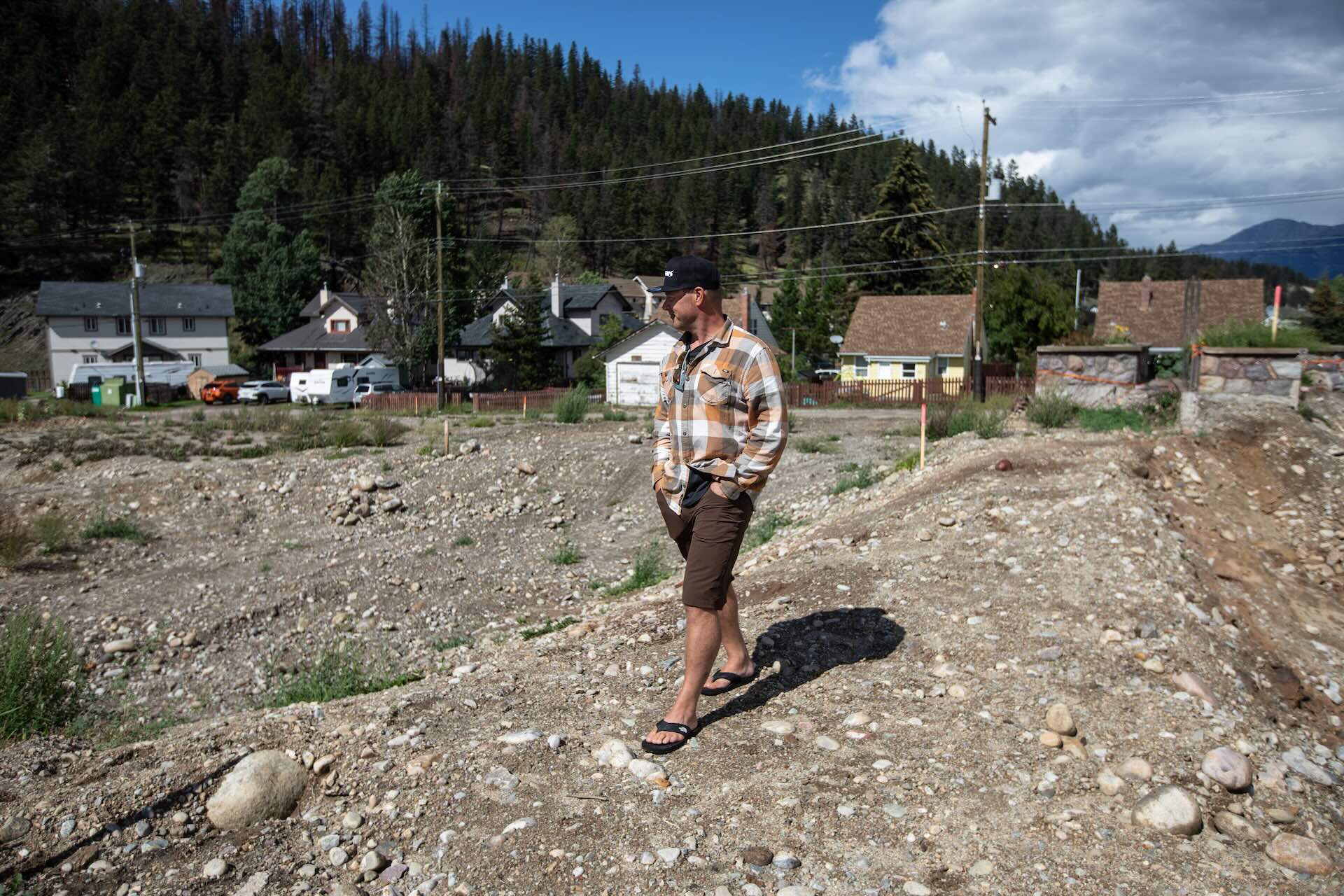 Soto Korogonas walks among the ruins of his property. Korogonas had hoped to rebuild his nine-unit apartment building, but the costs are prohibitive. Photo: Jason Franson for The Logic
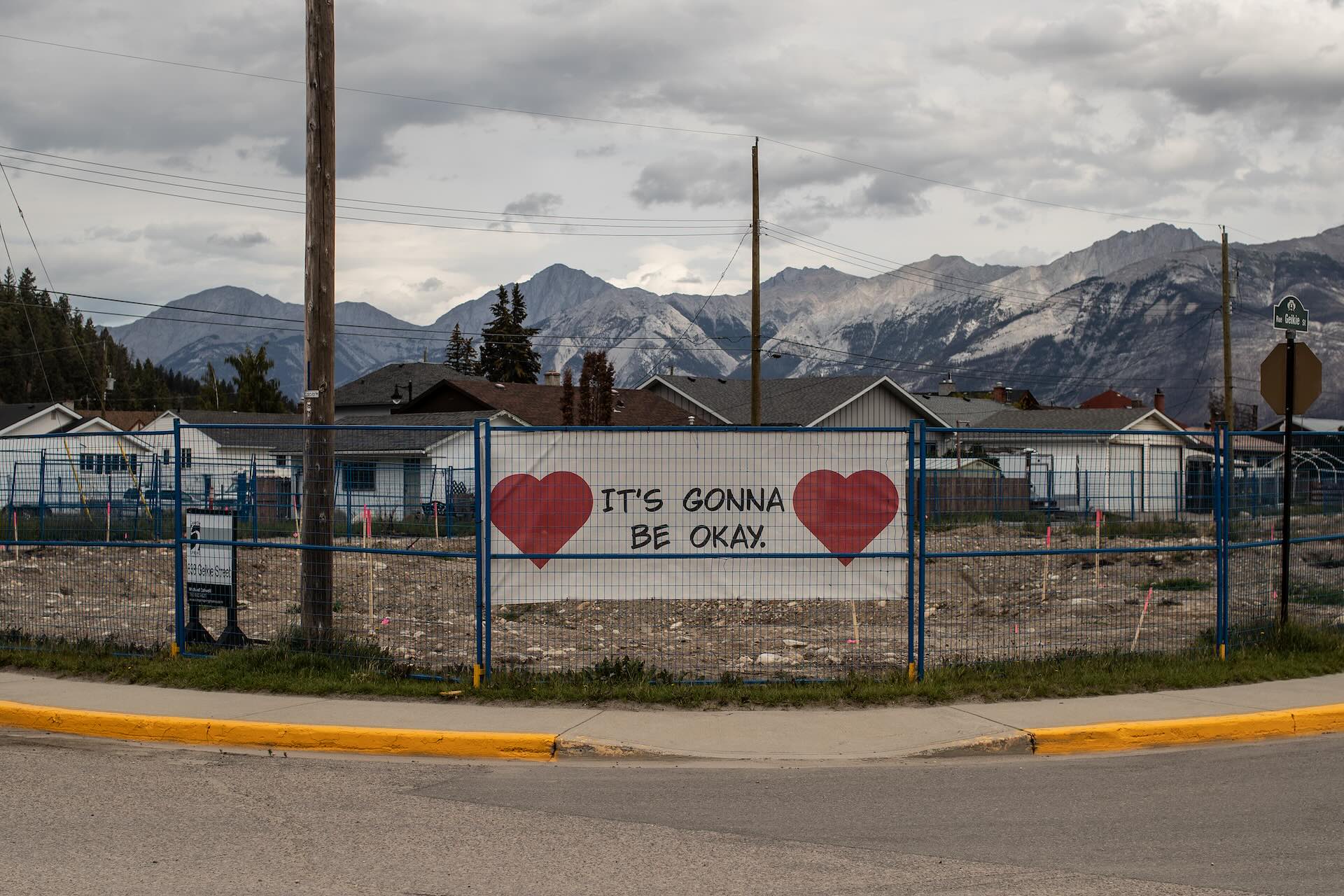 A sign attached to a fence surrounding a burnt neighbourhood. With cold weather looming, one local builder says most of his residential projects will have to wait until spring 2026. Photo: Jason Franson for The Logic
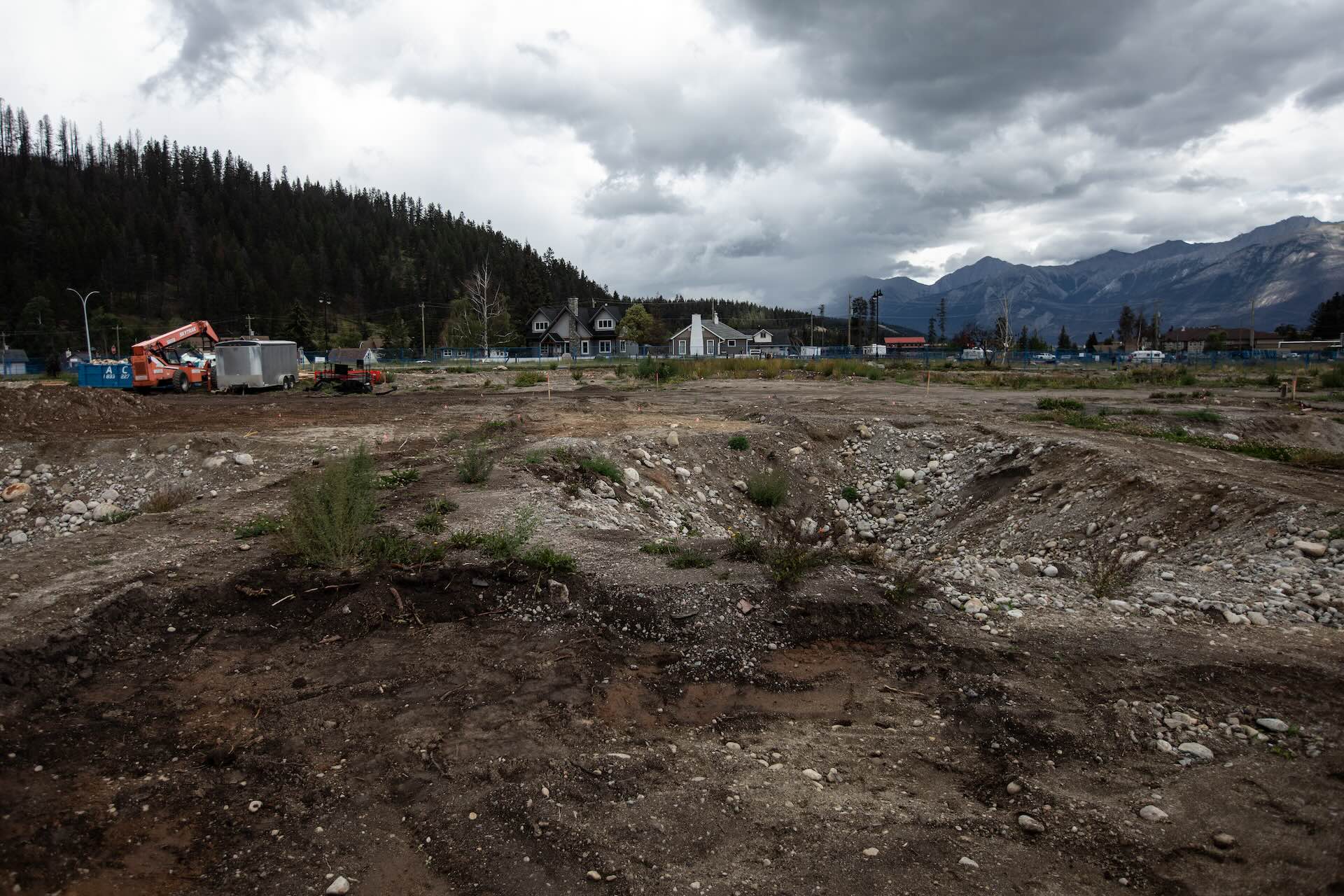 A hole in the ground where a house once stood. The Jasper fire destroyed about a third of the town’s buildings and swept through 33,000 hectares of land in the national park. Photo: Jason Franson for The Logic
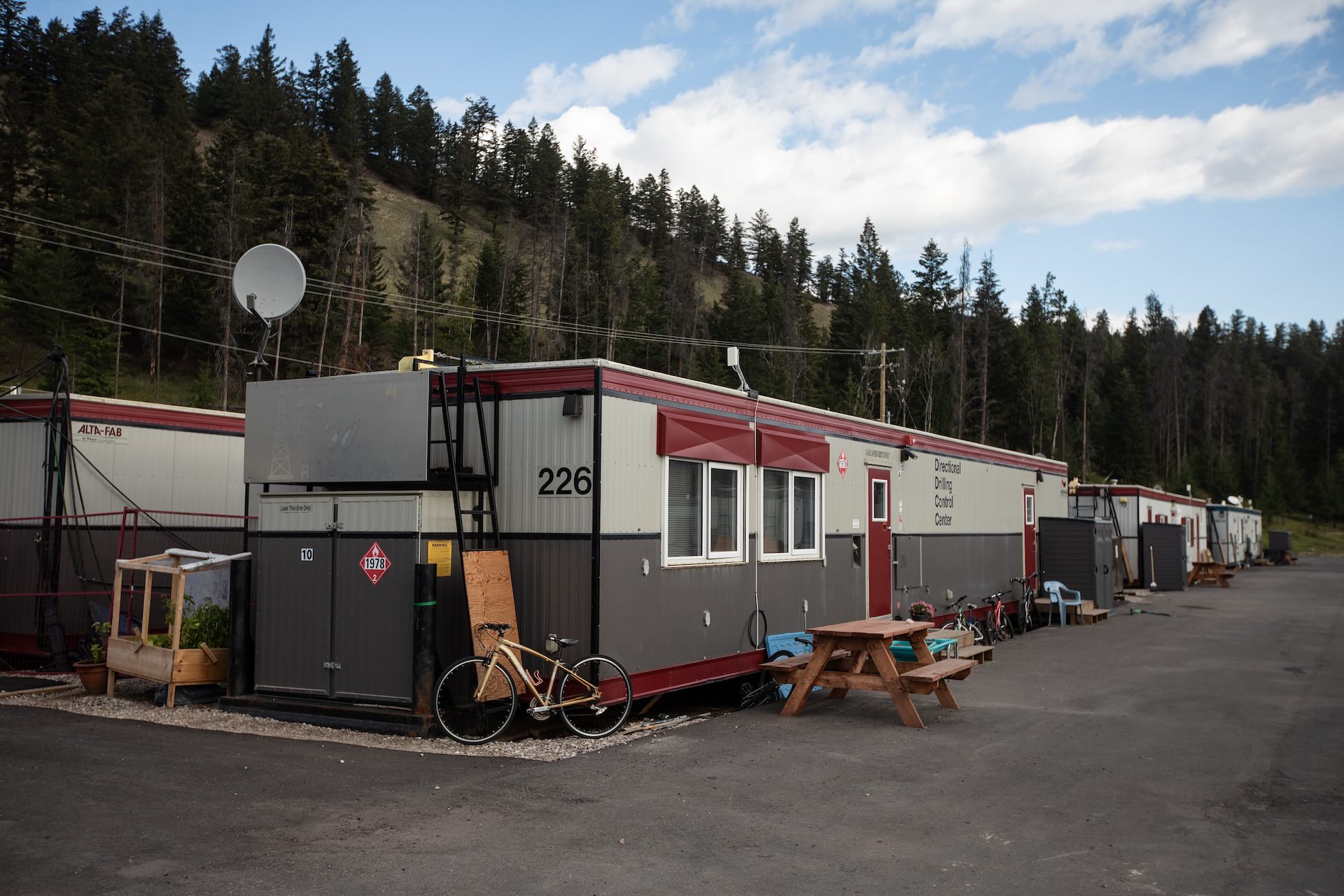 Many Jasper residents displaced by the fire are now living in temporary housing on the edge of town. Photo: Jason Franson for The Logic
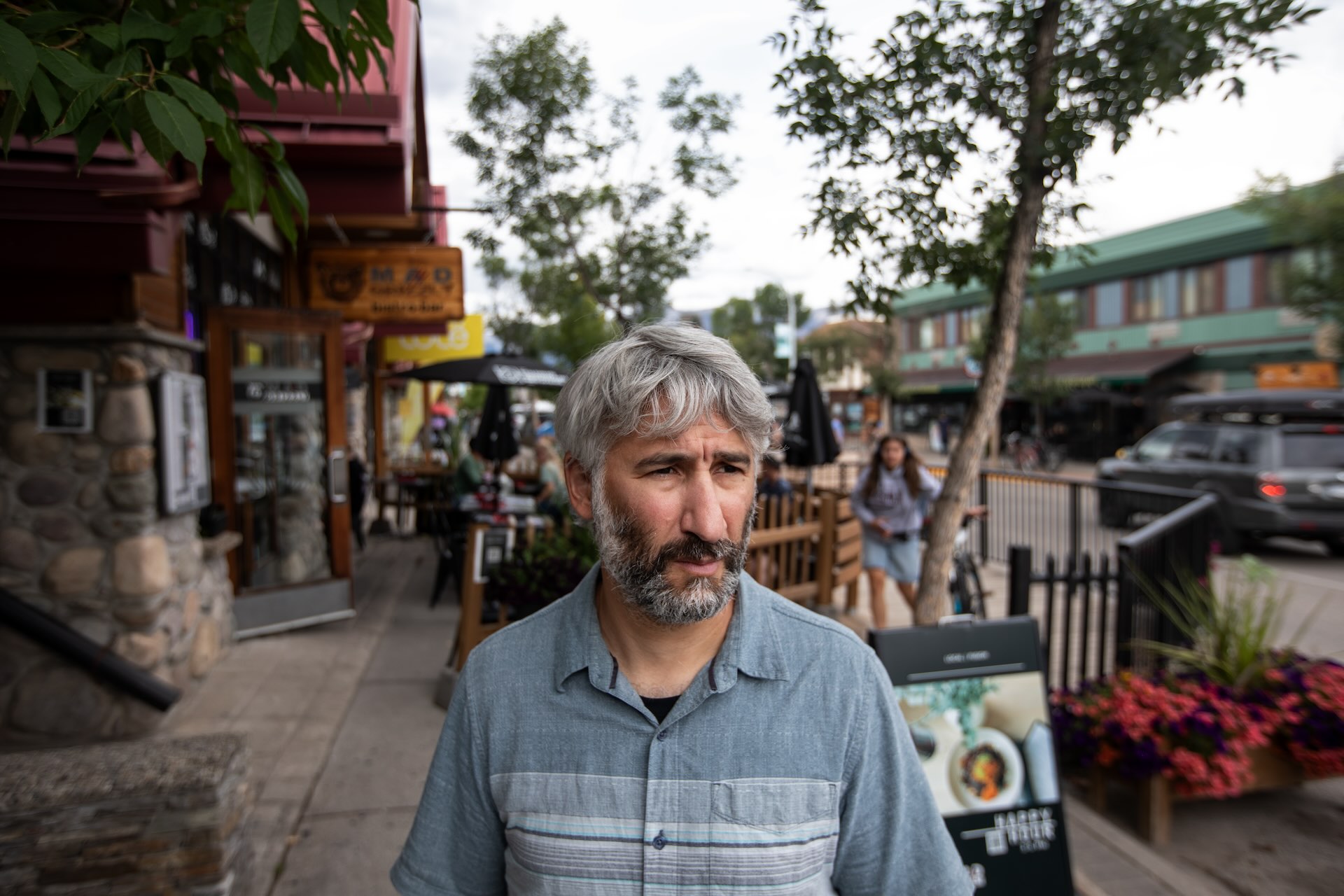 Michael Fark, the director of recovery for the municipality of Jasper says some proposed rebuilding plans wouldn’t have met the needs of the community. Photo: Jason Franson for The Logic
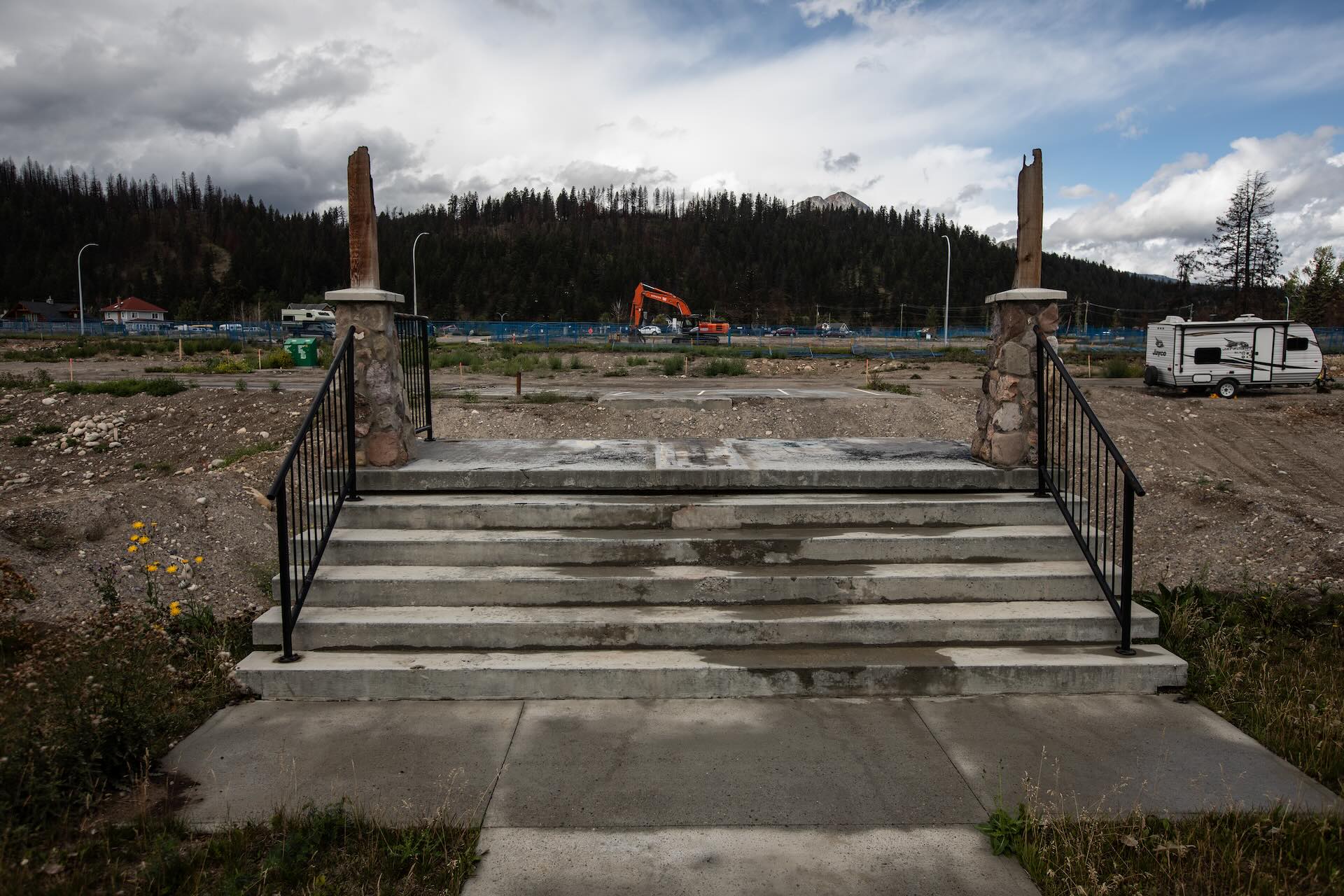 While Jasper’s main commercial strip was largely untouched by the wildfire, some surrounding residential neighbourhoods were almost totally destroyed. Photo: Jason Franson for The Logic
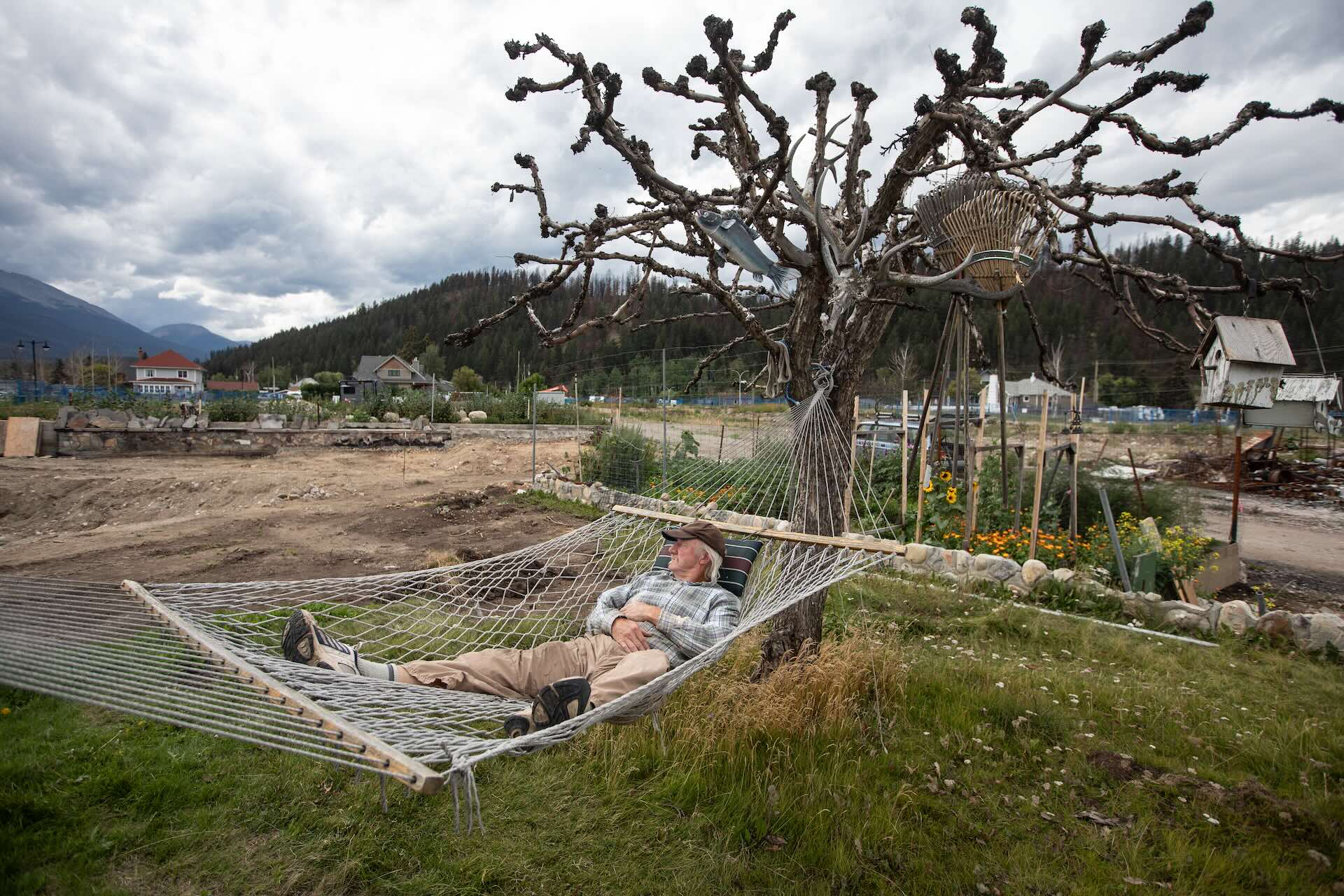 Charlie Finley has lived in Jasper for 50 years. The 73-year-old doesn’t know how long he’ll have in his new house, once it’s eventually rebuilt. Photo: Jason Franson for The Logic
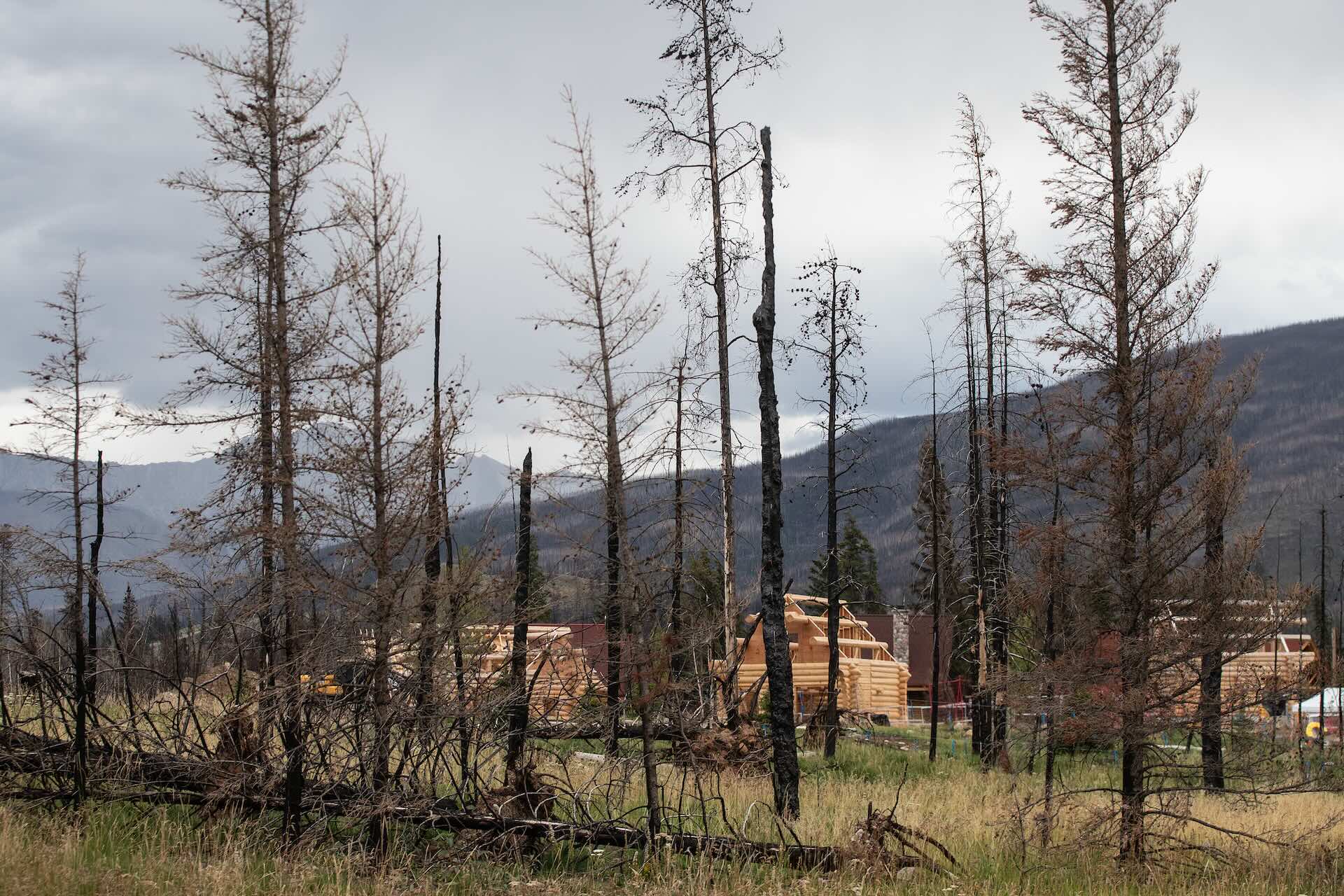 Alpine Village, a luxury cabin resort on the banks of the Athabasca River, has been quick to rebuild. Many of those working on the construction site lost their homes in the fire. Photo: Jason Franson for The Logic
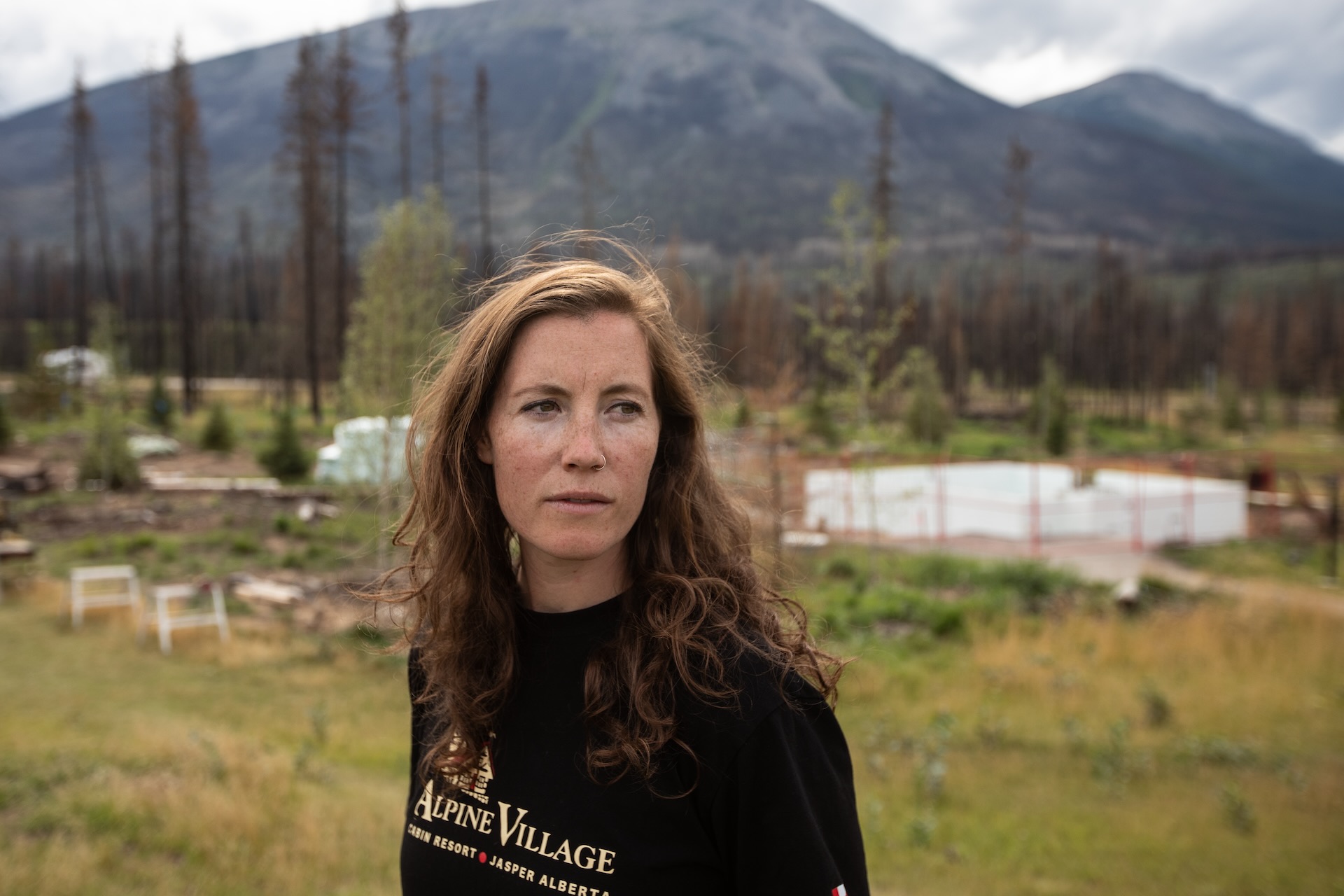 Cassi Allin is general manager of Alpine Village, which lost 25 cabins in the wildfire. Unlike many local residents, the business had access to capital to start rebuilding quickly. Photo: Jason Franson for The Logic
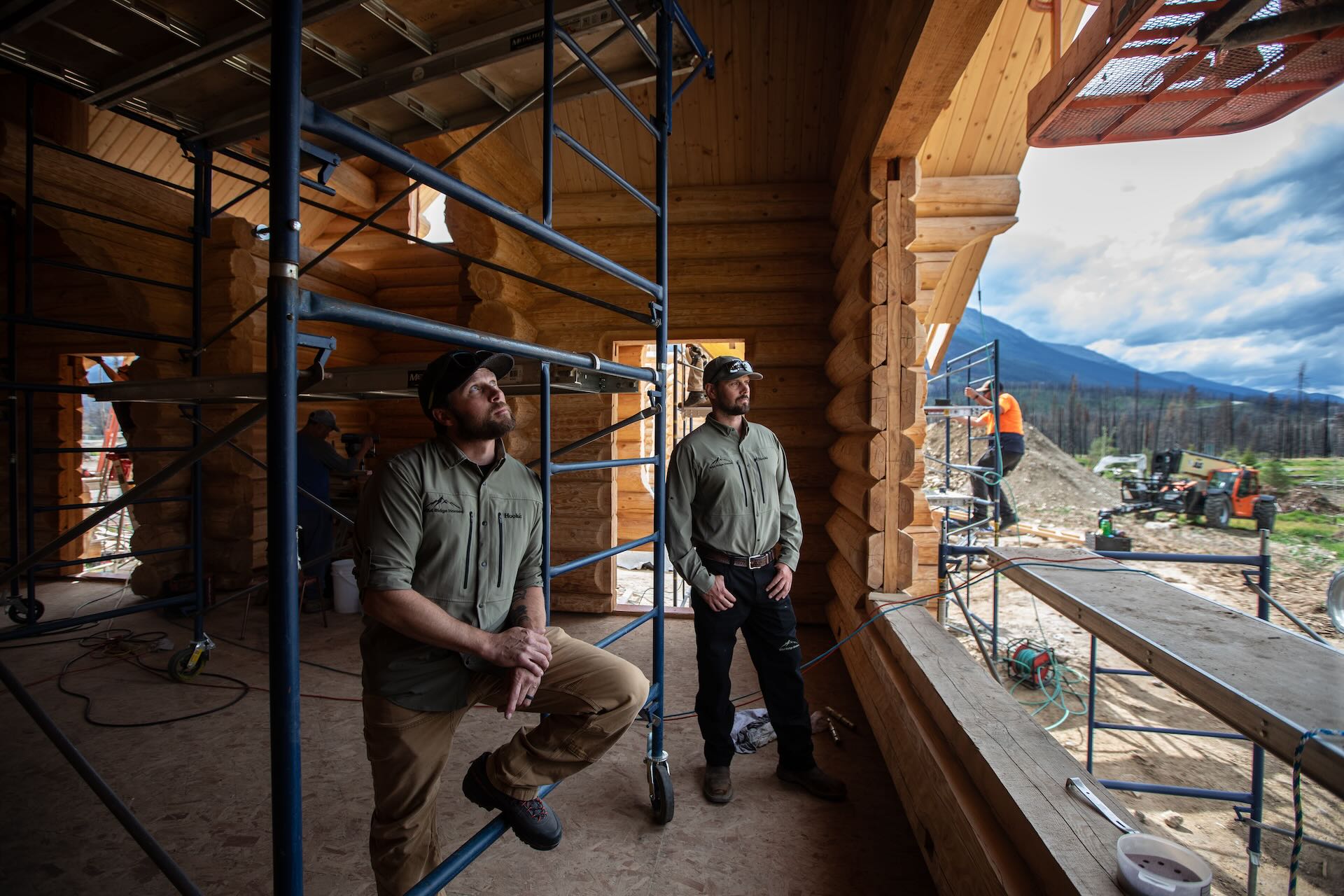 Toby Gifford and Ryan Malenchak look over a construction site at Alpine Village. The pair have eight other rebuilding projects on the books and expect that number to climb sharply as more permits are approved. Photo: Jason Franson for The Logic
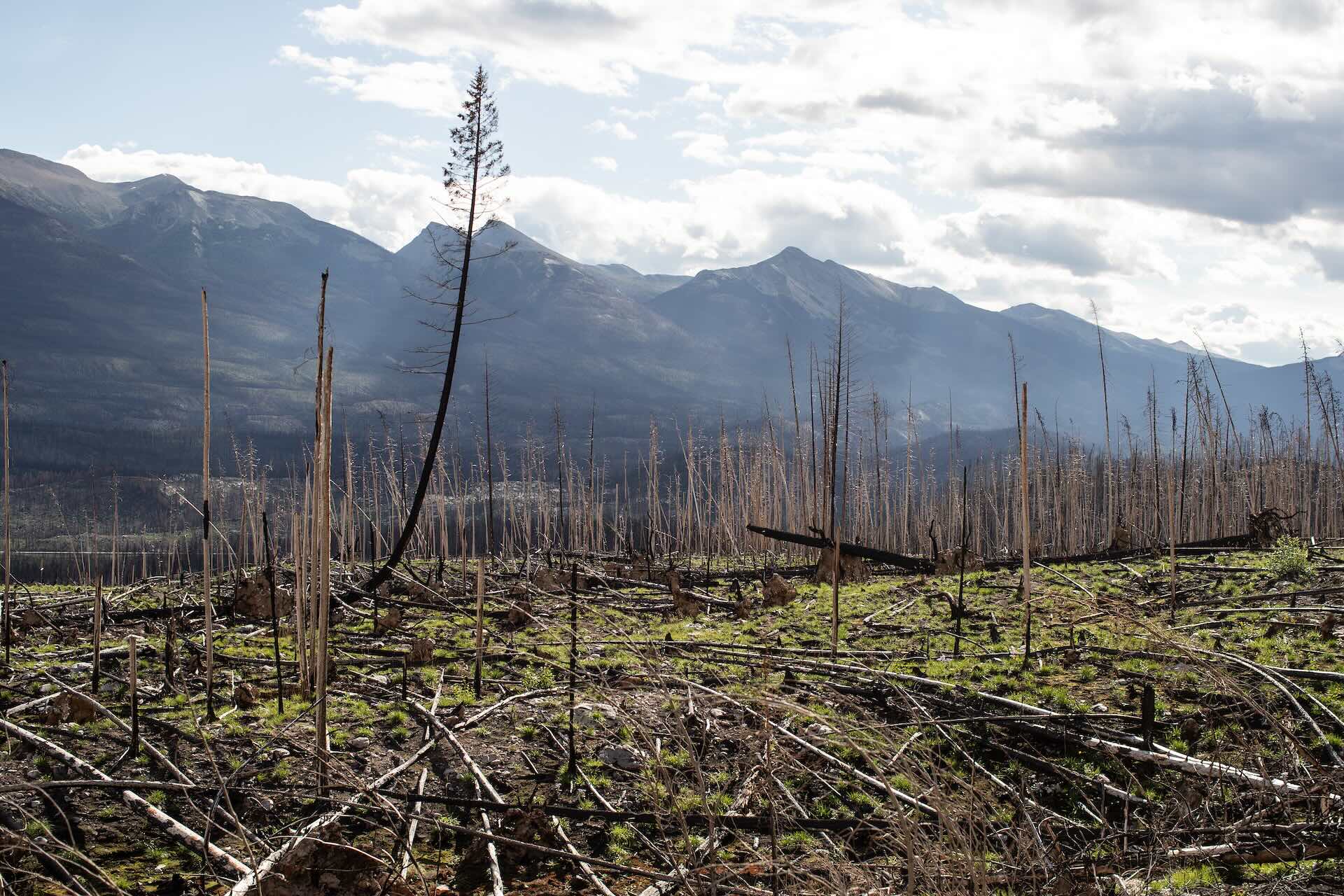 Burnt trees loom over fresh, green grass on the outskirts of the town of Jasper. One wildfire expert says it could take more than a century for the forest to regenerate. Photo: Jason Franson for The Logic

The Big Read
Jasper’s struggle to rebuild shows the scale of Canada’s housing crisis
One year after much of Jasper burned to the ground, just two homes have been rebuilt. The town’s slow recovery, bogged down by red tape and political infighting, shows just how hard it is to get anything built in Canada.
Hardly any homes have been rebuilt in Jasper more than a year after a wildfire destroyed a third of the town. Photo: Jason Franson for The Logic
JASPER, Alta. — The first week of Darren Thom’s retirement was greeted by a wall of flames 100 metres high. It was July 24, 2024 and a wildfire was tearing through his hometown of Jasper. Days earlier, the former CN Rail locomotive engineer was mortgage-free and ready to enjoy life in the mountains in the home where he had lived for 24 years. Now, fire was everywhere.
Winds up to 100 kilometres per hour pushed the flames into town, where the fire became so intense it created its own weather system. Trees were uprooted and bear-proof trash bins bolted to the ground were launched hundreds of metres into the air. Flaming pine cones and embers rained down on the town, setting homes and businesses ablaze.
For more than three weeks the fire burned out of control, sweeping through 33,000 hectares of land in the national park and destroying about a third of Jasper’s buildings. Over 20,000 people were evacuated, including the roughly 5,000 residents of Jasper. One person died: 24-year-old wildland firefighter Morgan Kitchen, who was struck by a falling tree while battling the flames.
Thom’s home, and his retirement dream, were reduced to a scorched wasteland.
Talking Points
- More than 800 homes were destroyed in a wildfire that tore through Jasper in July 2024. Since then, just two have been rebuilt
- While the town’s rebuild is complicated by virtue of its location in a national park, across Canada, many communities face similar challenges navigating regulations that slow down construction
- Jasper’s recovery serves as a reality check on Ottawa’s ambitious plan to double homebuilding across Canada within the decade
On August 12, 2025, more than a year after the national park’s most destructive wildfire in a century hit the mountain community, a glimmer of hope arrived on the back of a flatbed truck. Thom’s three-bedroom bungalow—built in Barrhead, Alta. and transported, fully constructed, to Jasper—had just crossed the tracks into town and his phone was lighting up with congratulatory text messages. It was the first new replacement home Jasper had seen since the blaze, and its arrival felt like something worth celebrating.
Of the 806 homes that burned last year, Thom’s is just one of two that have been rebuilt. The municipality initially expected this year’s spring thaw to usher in swarms of homebuilders and tradespeople ready to rebuild the town. Instead, Jasper is a patchwork of mostly dead construction sites, empty but for the weeds pushing up through ashy craters where houses should be.
Jasper’s rebuild is complicated by virtue of the town being inside a national park. There are strict limits on where and what residents can build, and environmental standards are rigorous. As a federal asset, housing is governed by Parks Canada, a government agency that rarely oversees large housing developments. The town’s remoteness, meanwhile, makes access to labour and building materials particularly hard, adding time and cost to the process.
The strain has left residents frustrated. Many are still testing their land for the toxic chemicals their scorched houses left behind. Others are fighting with insurance companies over the cost to replace what was lost. Some have moved on to designing their new homes, but few foundations have been poured.
With cold weather now looming, one local builder says most of his residential projects will have to wait until spring 2026.
Related Articles

When it comes to homebuilding, Jasper has just about every obstacle working against it. Across Canada, many communities face similar challenges. With an ambitious homebuilding program at the top of the federal government’s agenda, the tourist town’s recovery serves as a reality check on Ottawa’s promise to double the number of homes built each year to nearly 500,000 within a decade.
“It’s a made-up number. It doesn’t make any sense,” says Scott Fash, CEO of BILD Alberta, a provincial construction association that’s helping recruit workers to Jasper. “I get we need to set goals, but you look at the capacity, the approval systems we have to work through,” he says, “it’s complex.”
Amy Cairns, Parks Canada’s director of recovery in Jasper, says the agency is moving as fast as it can. As of late September, the town had received 132 rebuild applications and had issued 104 building permits, with construction having started on 50 sites.
Michael Fark, the director of recovery for the municipality, says it’s unrealistic to expect the town’s rebuild to be much further along than it is. More than a year into recovery, however, Fark sees ways to speed up homebuilding country-wide. Doing so would require sweeping changes, he says, like reshaping the education system to equip more people to build homes. It also means ramping up homebuilding technology and funding companies in the sector to help them scale. And it means not just building more homes, but also the roads, public transit, schools and hospitals to support more residents.
In Jasper, Fark says these changes will be good for the community. “What happened was a tragedy,” he says, but “recovery done right should put the municipality in a better position than it otherwise would have been had the fire not occurred.”
Even before the fire, Jasper had a housing problem. The nearly-5,000-person town was built up around tourism and the railroad, with Ottawa establishing the Jasper forest reserve in 1907 and declaring it a national park in 1930. Under the authority of Parks Canada, Jasper grew in two, tightly controlled development waves—one between the 1910s and 1930s and another in the 1970s—adding housing on the margins in the years between.
By 2021, the town had nearly 2,000 housing units, according to the most recent census data, many of them single-family homes on big lots with cedar shingles and stone sidings to echo the surrounding landscape. The average Jasper house that year was worth $740,000, 65 per cent more than the provincial average, and vacancy for rental housing has seldom budged from zero per cent since 2014. Before the fire, the municipality pegged the housing shortfall in Jasper at 600 units.
Simply building more homes to solve the affordability and availability problem isn’t really an option in Jasper. While the national park stretches 11,228 square kilometres across the Rocky Mountains, new development is restricted to about 2.5 square kilometres within the town boundaries. Those borders are fixed, and because Jasper is federally governed, it would take an act of Parliament to change them.
In the months after the fire, Parks Canada and the municipal government got working on new zoning rules meant to boost development in the town. In July, councillors endorsed a plan to let homeowners build additional units to their properties in more neighbourhoods. They also agreed to allow taller apartment buildings, including creating a new residential zone with six-storey buildings, which weren’t allowed at all in Jasper before the fire.
The idea of adding more homes in Jasper is a popular one. A recent municipal survey found that 87 per cent of respondents agreed or strongly agreed that the town should enable and encourage more housing.
The appetite to build more is there, but the money often isn’t. Soto Korogonas had a nine-unit apartment building in Jasper before the fire. The apartments, which Korogonas lost along with his personal home, housed staff for local businesses. The 47-year-old father of two had previously owned a restaurant in town, and was planning to take time away from the workforce, living on his rental income while he enjoyed life in the mountains and considered his next career move.
Those plans changed when his properties burned last July. He learned that insurance on his apartment building was inadequate, a common issue faced by Jasper residents following the fire, and that he’d have to pay 50 to 60 per cent of the construction cost himself to replace what was there. He estimates that’s at least $500,000—money he doesn’t have now that there’s no rent coming in. “I can’t really start the rebuild without financing and an income,” says Korogonas. “I’m stuck.”
While Jasper’s rebuild trudges forward, hundreds of residents are still holed up in cities like Edmonton, Calgary and Hinton as they wait for homes to return to. Figuring out even temporary lodging for those displaced by the fire has been politically fraught. Much of the debate has centred on a question at the heart of the national housing crisis: what kind of housing does Canada need to build?
Fark says the municipality of Jasper and Parks Canada initially planned to build high-density, temporary housing where residents would stay while their houses were rebuilt. The Alberta government offered $112 million for the plan. Then, when it announced the money last October, the province placed conditions on it. Instead of paying for multi-unit, short-term housing units, it wanted permanent, detached single-family homes outside the neighbourhoods that burned.
Fark says the municipality tried to compromise with a mix of single-family homes and multi-unit buildings, all of which would have been permanent and helped fill Jasper’s long-term housing shortage. But the town and province couldn’t reach an agreement. Jasper has managed to provide some short-term housing, thanks in large part to federal funding, with families and seasonal workers mostly staying in work-camp-style trailers on the edges of town. As of early September, 269 interim housing units were occupied, according to the municipality, with 195 more households waiting for accommodation.
Fark says the province’s plan would have resulted in just 60 homes being built—and use up nearly all the available land left to develop in Jasper. The municipality, meanwhile, has ambitions to accommodate 350 to 380 households. “The solution that was being offered and proposed was not one that would have met the needs of the community,” says Fark.
Jason Nixon, Alberta’s minister of assisted living and social services, argues the multi-unit plan would be impossible to carry out. “The manufacturing process to build that type of housing in the timeframe that was being presented to the province doesn’t exist,” says Nixon. The provincial government’s solution, he maintains, would have been the fastest way to get residents out of hotels and friends’ basements and back in the community, while permanently adding new homes to Jasper’s housing stock.
Fark, though, says sprawling development won’t solve Jasper’s housing needs. “Municipalities everywhere understand that the way forward is density,” he says. It seems most people agree Jasper needs to build more. The problem is, no one can agree on what to build or how to incentivize it. In the short-term, that’s keeping residents from returning home. In the longer term, it risks blowing the chance to fix Jasper’s longstanding housing shortage.
Prime Minister Mark Carney has promised big money and federal land to ramp up homebuilding to levels not seen since after the Second World War. Last month, Carney announced $13 billion in initial funding for a new housing agency called Build Canada Homes—the pillar of his campaign promise to construct 500,000 new homes a year in the next decade. Through the agency, the government aims to incentivize the private sector to build social and affordable housing, starting with 4,000 factory-built houses on federal land in Dartmouth, N.S., Longueuil, Que., Ottawa, Toronto, Winnipeg, and Edmonton.
Conservative Leader Pierre Poilievre was quick to challenge the agency’s viability, arguing Canada already has the ingredients to build affordable homes, and that red tape is what’s standing in the way. “Mark Carney’s solution is to add another bureaucracy that will only slow things down,” Poilievre said shortly after the plan was announced. “It took him six months to set up a new office, an office that has not built a single new home.”
Based on the progress in Jasper this past year, Nixon doubts the federal government can scale homebuilding to 500,000 units a year. “If you can’t build 348 houses in a year in a community that has burned down,” he says, “I don’t know how you’re going to do an ambitious number like that across the country.”
Jasper’s main commercial strip, running north-south along the town’s east side, conceals much of the fire’s damage. During the blaze, crews demolished what burning buildings they could to stop the fire from spreading, leaving the town’s business district mostly intact.
In neighbourhoods southwest of its main street, however, almost every building was destroyed. A photograph of a house is clipped to the blue steel fence around what is now a vacant, scorched lot. Nearby, a pile of rubble is all that remains of the town’s 100-year-old Anglican church.
Outside another empty lot, Charlie Finley is taking down the remnants of a metal fence between where his and his neighbour’s homes once stood. It’s work a contractor should be doing, but the self-professed “old ski bum” is not one to wait around for someone else to do a job. A retired rail engineer, Finley moved to Jasper from Georgian Bay, Ont. 50 years ago to be in the mountains, where he regularly skis more than 100 days a year.
Bit by bit for 30 years, between CN shifts and ski runs, Finley remodelled his 1926 bungalow into his dream home. He added a second storey with a bedroom and big picture windows looking out over the Rockies. He laboriously stripped and refinished old fir doors to put throughout the house. He finished the basement and converted an old bomb shelter into a wine cellar stocked with 650 treasured bottles. Outside, he built a sturdy rock wall to border the southwest side of his property and protect his vegetable garden from hungry elk. And he made a greenhouse of stone and glass, where he would sit and look at Mount Edith Cavell while his tomato plants got an early start on the short Jasper growing season.
Finley spends a lot of time in the ruins of this past life. He’s been staying in some friends’ basement apartment since his house burned down, but he continues to fill his days much like he would any other summer: gardening, tinkering in his yard, and laying in his hammock strung between a Douglas fir and crabapple tree that somehow remained standing after the blaze.
Much of the value Finley added to his home over the years is hard to put a price on. That’s made dealing with insurance a challenge. He says he went back and forth with the quantitative surveyor—the person who assessed the value of his home and its contents—nine times, before agreeing on a fair price for what he’d lost. Now he’s waiting for his insurance company to review bids from prospective builders before breaking ground.
“I’m going forward,” says Finley—as much as he can, at least, given the circumstances. “I refuse to let this ruin what time I have left on this earth,” he says, plucking sugar snap peas from a trellis to snack on as we walk through his garden, their grassy sweetness belying traces of toxins in the terroir. Finley says he has an idea of what he wants his new dream home to be, but he’s not sure if he’s even building it for himself at this point. “I’m 73. How long are you going to last?” he says. “How long is this going to take?”
Just beyond the town boundaries on the bank of the Athabasca River, a crew of workers is raising timber-frame cabins at Alpine Village. The luxury cabin resort lost 25 of its 55 dwellings in the fire. Surrounded by the upright remnants of burnt trees, it’s a wonder how anything on the property survived.
By late summer, the most active worksite in Jasper isn’t for the benefit of local residents, but for tourists looking for a luxury mountain getaway. Alpine Village’s owners, Chris and Rena Allin, were quick to submit their insurance claims and designs soon after the fire, with help from their general manager and daughter, Cassi Allin. Cassi says it helped that her parents had been renovating the resort since shortly after they bought it in 1986, gaining experience in the building process and forming relationships with local tradespeople. And while the Allins’ losses weren’t fully insured, they could mortgage their property and quickly start rebuilding. That money, and knowledge of the labyrinthian planning and building regulation systems, gave them an advantage over the hundreds of residents who are navigating these systems for the first time.
Ryan Malenchak is one of the contractors leading the Alpine Village rebuild. Malenchak lost his home in the fire and, tangled in insurance disputes, he has no idea when he can start rebuilding it. Cassi says many of the crew on the work site are in a similar position. “They’re literally putting their life on hold.”
To this point, soil cleanup, insurance claims and building permits have been the main reasons Jasper has only built two homes in one year. That’s before even getting to the labour issue.
Access to construction workers is a problem across Canada and Jasper is no exception. In a typical year, local contractors might build a handful of houses. “If we got one home start on a brand new build, that was a good year,” says Toby Gifford, a contractor who’s partnering with Malenchak on the Alpine Village rebuild. The pair, who merged their businesses after the fire, have eight new residential builds on the books and they expect that number to double once more residents get their building permits approved.
Scaling Jasper’s homebuilding industry from a few houses a year to about 350 can’t be done with local workers alone. BILD Alberta’s Fash says about 12 companies in his association have so far agreed to be part of the recovery. But recruiting masses of tradespeople to the remote mountain town comes at a price—as much as $400 per worker per day, by some estimates, according to Kevin Read, president at Edmonton-based Encore Master Builder, a contracting firm gearing up to rebuild homes in Jasper.
Canada has faced a country-wide shortage of construction workers for years. Job vacancy rates peaked in response to the pandemic-era building boom, reaching 7.1 per cent in the second quarter of 2022 with nearly 88,500 unfilled positions. While openings have declined since then—there were 39,500 vacancies in June, according to Statistics Canada—the anticipated surge in labour demand is immense. Within a decade, Canada will need over a million residential construction workers, according to industry association BuildForce Canada—that’s 83 per cent more than in 2023.
The worker shortage alone has been enough to send wages in the sector soaring. Then there’s U.S. President Donald Trump’s trade war, which has muddled supply chains and spiked the costs of key housebuilding materials such as steel and lumber. At the end of the chain, homebuyers and renters are forced to swallow the costs.
In Jasper, Fark says rebuilding a home will cost up to 1.5 times more than its pre-fire assessed value. Read estimates the markup is about double the price to build a house in Edmonton. “That is the biggest cost,” says Read of the labour premium. “And the longer it takes, that cost only increases.”
As building permits rolled into Jasper’s planning office this summer, more homes across Canada were destroyed by another vicious wildfire season, adding pressure to already strained housing supplies.
In the wake of last year’s fire, Jasper staff contacted other towns that have suffered similar catastrophes, including Fort McMurray and Slave Lake, for advice on how to cope. Fark says he can now share what he’s learned with other communities that will inevitably face a similar fate as Jasper. The town is working on a retrospective report with the Conference Board of Canada outlining ways to improve the building process after fires and other natural disasters. “This is the new reality,” says Fark. “If we choose to ignore it or not learn the lessons, then that’s on us as a society.”
The circumstances of Jasper’s housing crisis might be unusual, but the town’s need for more housing isn’t. The federal government’s plan to build its way out of trouble sounds good at a stump speech, but Jasper’s struggles suggest that not only will progress be slow, but that Canada risks failing to build the kind of high-density, affordable housing many of its towns and cities desperately need.
In Jasper, one wildfire expert says it could take more than a century for the forest to regenerate. There are already signs, though, that nature is rebuilding. A phantom smell of balsam fills the air in the hills surrounding the town. Not from the trees, charred and stripped of their needles and limbs endlessly in every direction, but from the pale purple carpet of wild aster thriving in the sun that now blankets the uncanny landscape.
Last week, Thom moved into his new house. “It’s kind of a surreal feeling,” he says of the idea of living among empty lots in an ashen landscape.
Thom knows his hometown won’t ever be the same as it was before the fire. Seeing that transformation unfold is something he’s looking forward to. “It’s going to change how Jasper looked,” he says. “I’m kind of excited to see other people’s houses progress and people get back in their homes again.”



Loading...
Thanks for sharing!
You have shared 5 articles this month and reached the maximum amount of shares available.
CloseThis account has reached its share limit.
If you would like to purchase a sharing license please contact The Logic support at [email protected].
CloseGift the full article!
You have gifted 0 article(s) this month and have 5 remaining.
Recipients will be able to read the full text of the article after submitting their email address. They will not have access to other articles or subscriber benefits.
Photo: Jason Franson for The Logic
Soto Korogonas walks among the ruins of his property. Korogonas had hoped to rebuild his nine-unit apartment building, but the costs are prohibitive.
A sign attached to a fence surrounding a burnt neighbourhood. With cold weather looming, one local builder says most of his residential projects will have to wait until spring 2026.
A hole in the ground where a house once stood. The Jasper fire destroyed about a third of the town’s buildings and swept through 33,000 hectares of land in the national park.
Many Jasper residents displaced by the fire are now living in temporary housing on the edge of town.
Michael Fark, the director of recovery for the municipality of Jasper says some proposed rebuilding plans wouldn’t have met the needs of the community.
While Jasper’s main commercial strip was largely untouched by the wildfire, some surrounding residential neighbourhoods were almost totally destroyed.
Charlie Finley has lived in Jasper for 50 years. The 73-year-old doesn’t know how long he’ll have in his new house, once it’s eventually rebuilt.
Alpine Village, a luxury cabin resort on the banks of the Athabasca River, has been quick to rebuild. Many of those working on the construction site lost their homes in the fire.
Cassi Allin is general manager of Alpine Village, which lost 25 cabins in the wildfire. Unlike many local residents, the business had access to capital to start rebuilding quickly.
Toby Gifford and Ryan Malenchak look over a construction site at Alpine Village. The pair have eight other rebuilding projects on the books and expect that number to climb sharply as more permits are approved.
Burnt trees loom over fresh, green grass on the outskirts of the town of Jasper. One wildfire expert says it could take more than a century for the forest to regenerate.
Most Popular This Week




In-depth, agenda-setting reporting
Great journalism delivered straight to your inbox.
News
Brookfield’s new CEO flexes the firm’s soft power with its $50B Canadian bet
Briefing
Canada and Ontario commit over $5B to support tariff-hit steel sector
Hackers will see cars as major targets in next 3 years, 83% of car-tech workers say
EA shutting down Edmonton studio BioWare
Best business newsletter in Canada
Get up to speed in minutes with insights and analysis on the most important stories of the day, every weekday.
Exclusive events
See the bigger picture with reporters and industry experts in subscriber-exclusive events.
Membership in The Logic Council
Membership provides access to our popular Slack channel, participation in subscriber surveys and invitations to exclusive events with our journalists and special guests.





