Listen Now
0:00
The future of Canada’s innovation economy is being built today, and The Logic has a front-row seat.
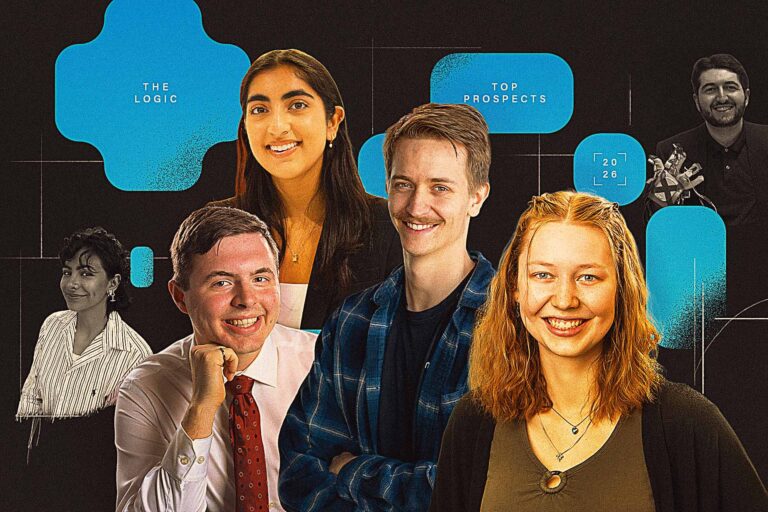
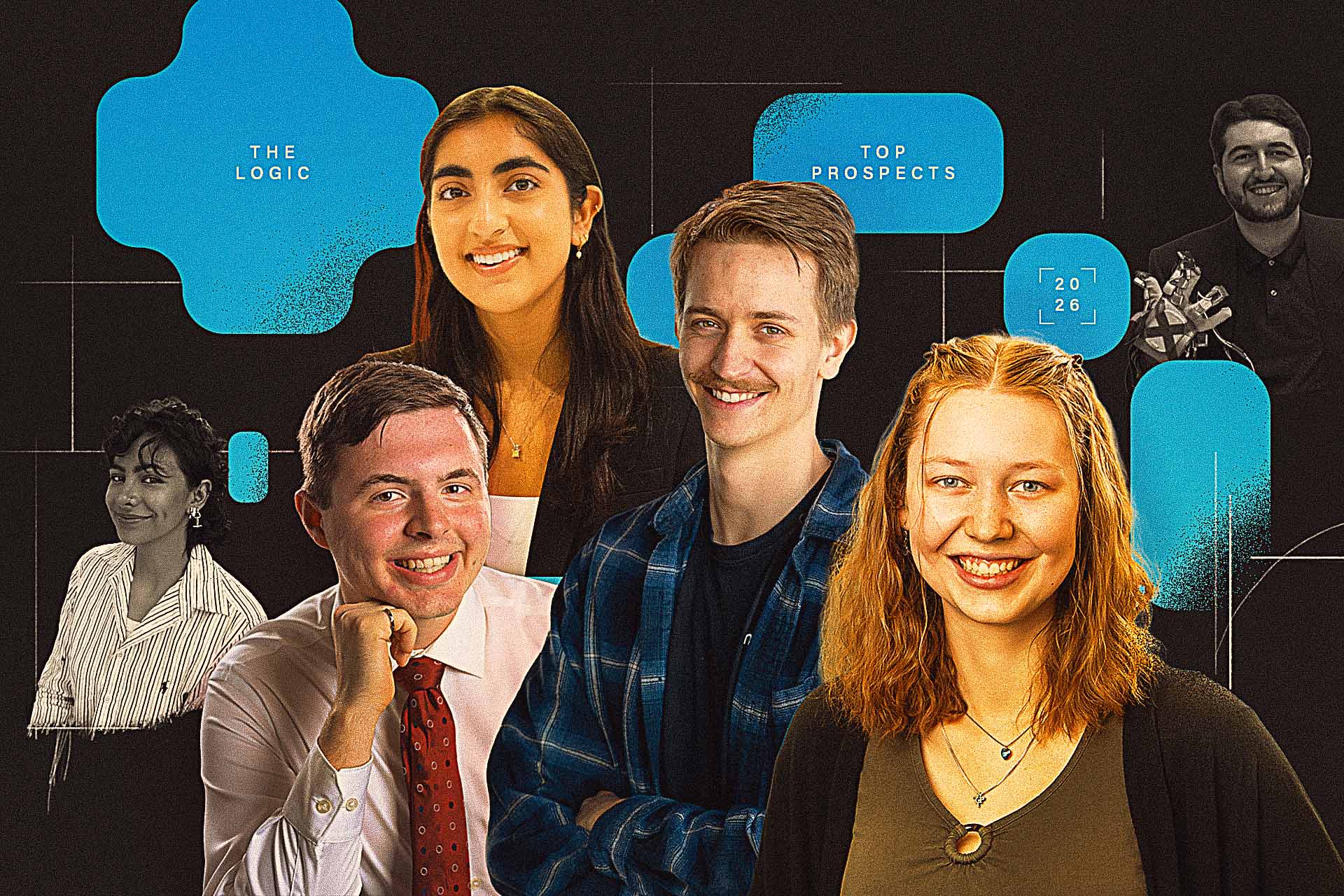
For the ninth time, The Logic has combed through Canada’s top-ranked engineering and computer science universities to spotlight some of the country’s most promising thinkers across a range of industries. Whether they’re pursuing advanced degrees at some of the world’s best schools or bringing their expertise to both startups and established players, these graduates are at the forefront of building ideas and technologies with the potential for real, lasting, positive change.
Here, in alphabetical order, are 12 of Canada’s leading science and engineering innovators from the class of 2026.
Irmak Bayir
- School: University of British Columbia
- Program: Computer science
- Employment status: Re-drafted by the University of British Columbia

Bayir’s path to computer science was anything but ordinary. Hailing from Ankara, Turkey, she spent 11 years as a competitive figure skater—winning four national championships—before making, as she describes it, a “full pivot” to pursue computer science at the University of British Columbia. During her studies, she received five university awards for academic excellence and community impact, including the Undergraduate Student Research Award, which let her investigate the reliability of large language models. Bayir also served as finance director of Women in Computer Science at UBC, and on the Committee on Outreach, Diversity and Equity. In September, she’ll begin a master’s degree, also at UBC, to continue her exploration of natural language processing.
Orissa Ghai
- School: Queen’s University
- Program: Mining engineering
- Employment status: Drafted by BMO Capital Markets
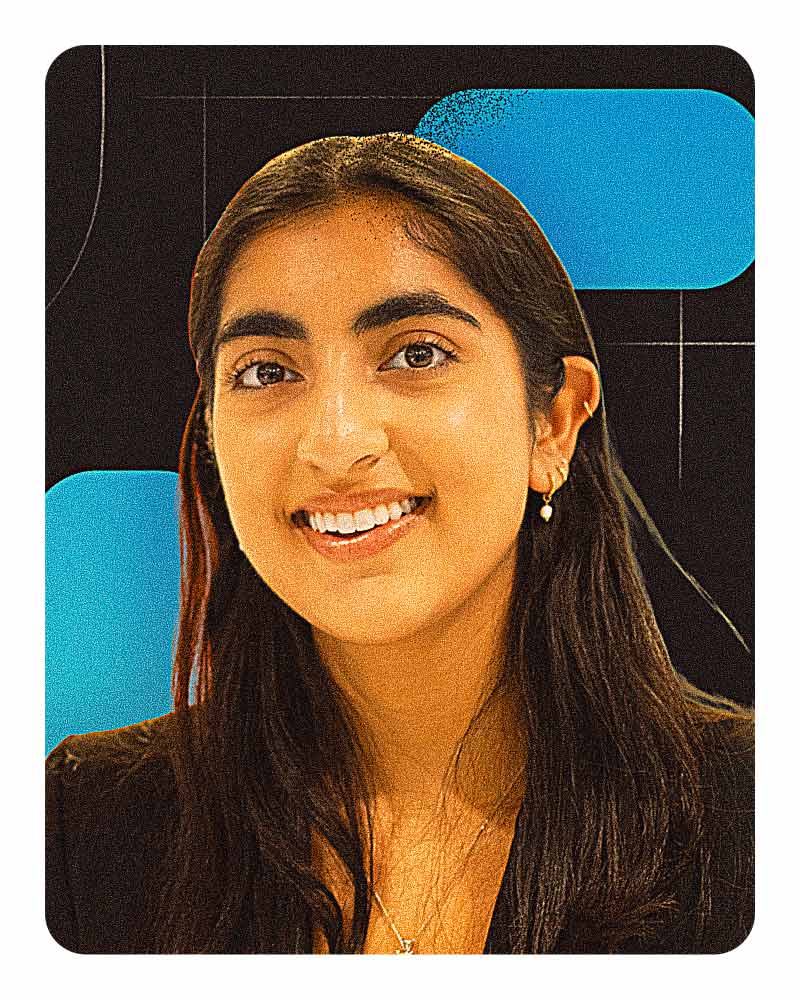
Ghai recently began an investment banking analyst position at BMO Capital Markets’ Global Metals and Mining division, which brings together three of her biggest interests: engineering, finance and sustainability. “I’m really excited to hit the desk and start working on new projects to learn more about these companies and what they’re looking for,” says the Torontonian, “and hopefully take the information I learn down my career to support other mining companies.” During her undergraduate degree at Queen’s University, Ghai was heavily involved in the student community through the Engineering Society and Mining Society, the Queen’s Conference on Business and Mining, and the Canadian Mining Games, where she served as co-captain for the Queen’s team. She also interned at Elk Valley Resources, focusing on mining engineering and capital projects, and was on the winning team of this year’s Goodman Gold Challenge. Down the line, she hopes to focus her efforts on base metals, such as copper, that are crucial to the energy transition.
Matthew Gordon
- School: University of Waterloo
- Program: Mechanical engineering
- Employment status: Drafted by SpaceX
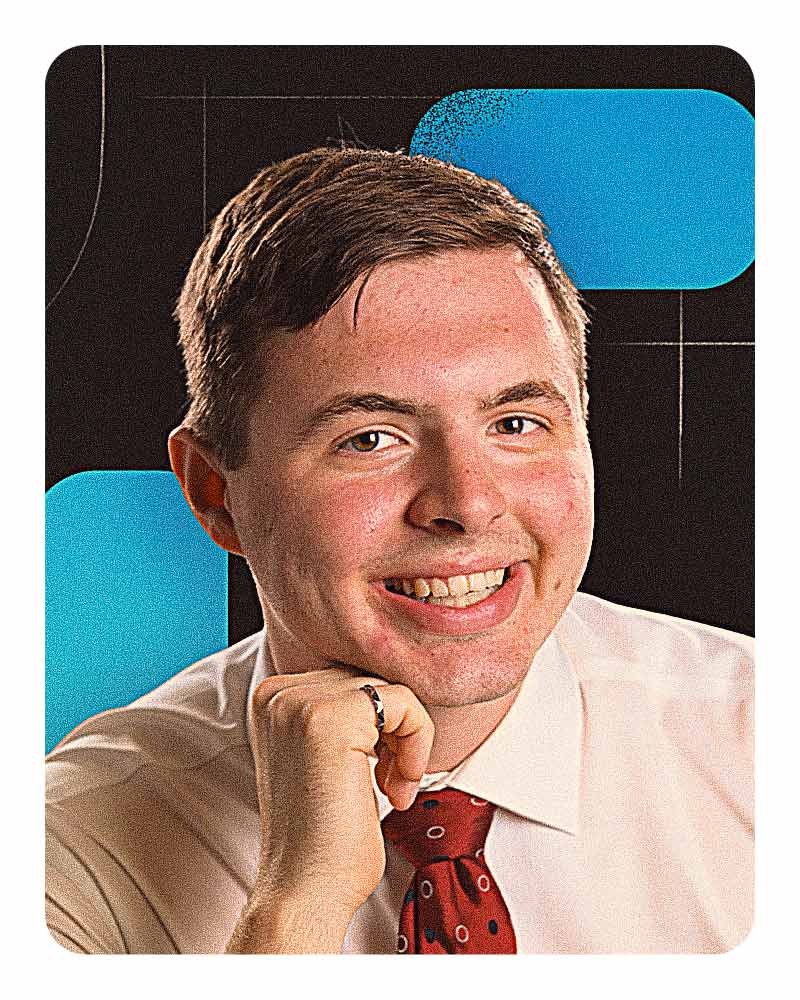
When Gordon was only three or four years old, his parents introduced him to a series of NASA Space Shuttle documentaries, which sparked a lifelong interest in space exploration and engineering. At the University of Waterloo, he pursued mechanical engineering to build a foundation in solid mechanics, thermodynamics and fluids. He also helped design, build and launch the first Canadian liquid-fuelled rocket through the Waterloo Rocketry team, and completed internships at Rocket Lab and Rocket Factory. “Watching a rocket launch, you can’t really compare it to anything else,” he says. Now a propulsion engineer at SpaceX, Gordon, who grew up in Orillia, Ont., builds high-fidelity models of the fluid systems on the Starship’s booster—a perfect combination of his childhood passion and real-world experience.
Ilse Kloosterman
- School: Queen’s University
- Program: Geological engineering
- Employment status: Drafted by Uppsala University
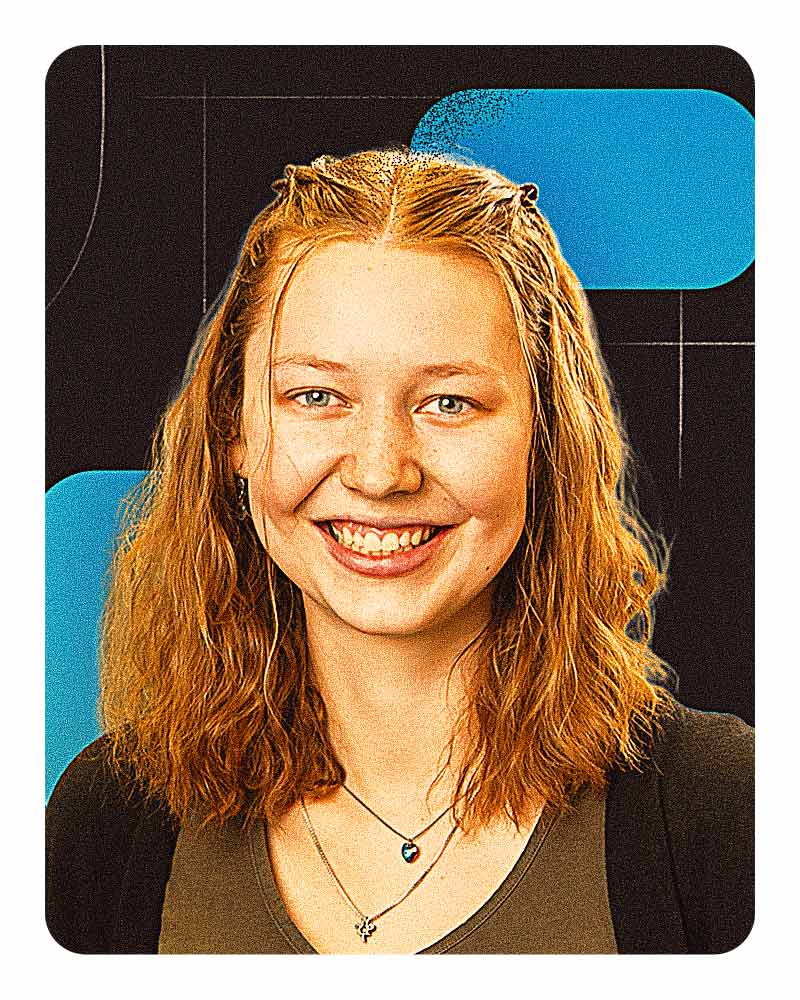
Kloosterman originally thought she wanted to be an environmental engineer before a first-year geological engineering course changed everything. “It made me realize that I really liked the natural aspects to engineering,” she says, “and not having a right answer, but having to test and experiment to figure out what the rock is doing and how the rock is reacting.” Throughout her undergraduate degree, Kloosterman, who grew up in Flamborough and Dundas, Ont., became involved in the Queen’s Space Engineering Team, acting as captain in her final year and leading over 100 students in the development and testing of a Mars rover prototype—all while maintaining a cumulative grade-point average of 4.16 out of 4.3. Now she’s headed to Sweden’s Uppsala University for her master’s degree, which she’s hoping will focus on mitigating the damage of explosive volcanoes by studying their geochemistry.
Aarabhi Krishnakumar
- School: University of Toronto
- Program: Mechanical engineering
- Employment status: Drafted by Tesla
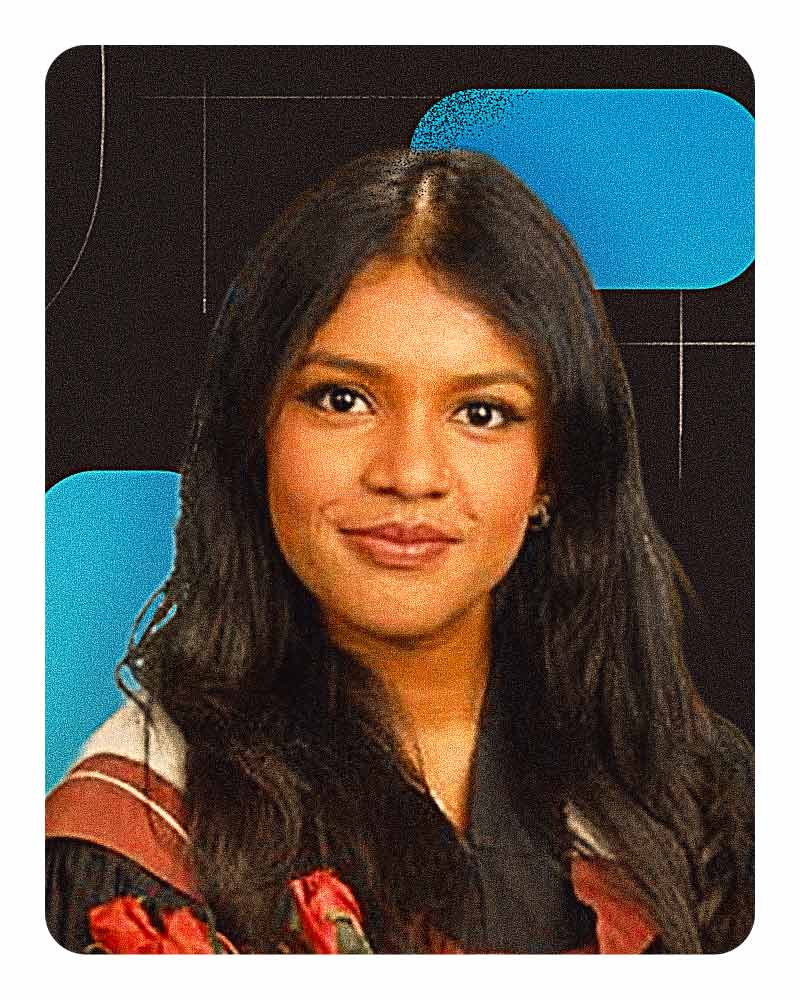
A series of high-profile internships paved the way for Krishnakumar, who currently works as a process engineer at Tesla Toronto with a focus on electric-battery manufacturing. Prior to that, she studied mechanical engineering at the University of Toronto and interned at Canada Post, Lockheed Martin and Bombardier—as well as the Alpine Formula One team in England. “My role entailed being the bridge between design and production,” she says, “and being able to test different designs to see how they were implemented on the racetrack.” During that time, she was selected as one of just five youth engineers to visit the office of the U.K. prime minister.
Alex Kurk
- School: University of Toronto
- Program: Mechanical engineering
- Employment status: Re-drafted by the University of Toronto
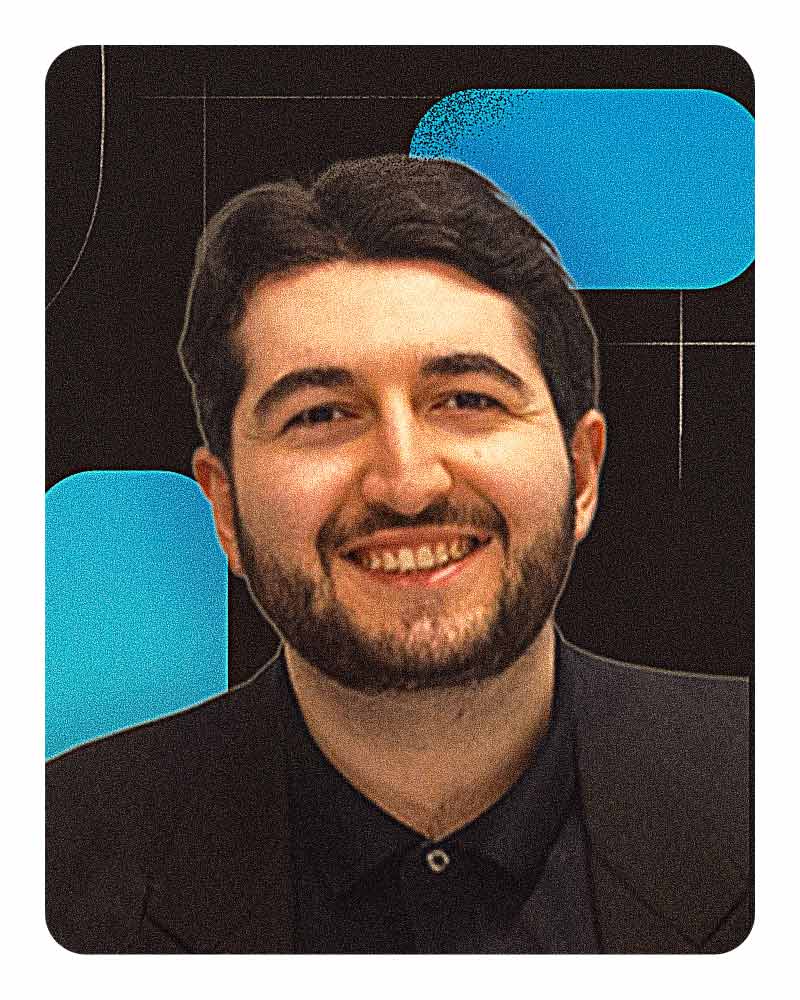
Kurk was a Grade 8 student in Toronto when he first got the idea for Tactile Vision (formerly Haptic Vision), his startup technology company that aims to make digital information more accessible for people with visual impairments. He has continued to build and develop the concept throughout his schooling, and is currently working on a robotic tactile system that displays digital interfaces as 3D shapes in real time. A recent recipient of the Troost ILead Difference Maker Award, Kurk is headed back to the University of Toronto this fall to pursue an MBA—while also working on Tactile Vision. When it’s pointed out that he’s given himself quite a full plate, he laughs and says, “I’m known for doing that.”
Qasim Li
- School: McGill University
- Program: Computer engineering
- Employment status: Drafted by Backboard.io and Stanford University
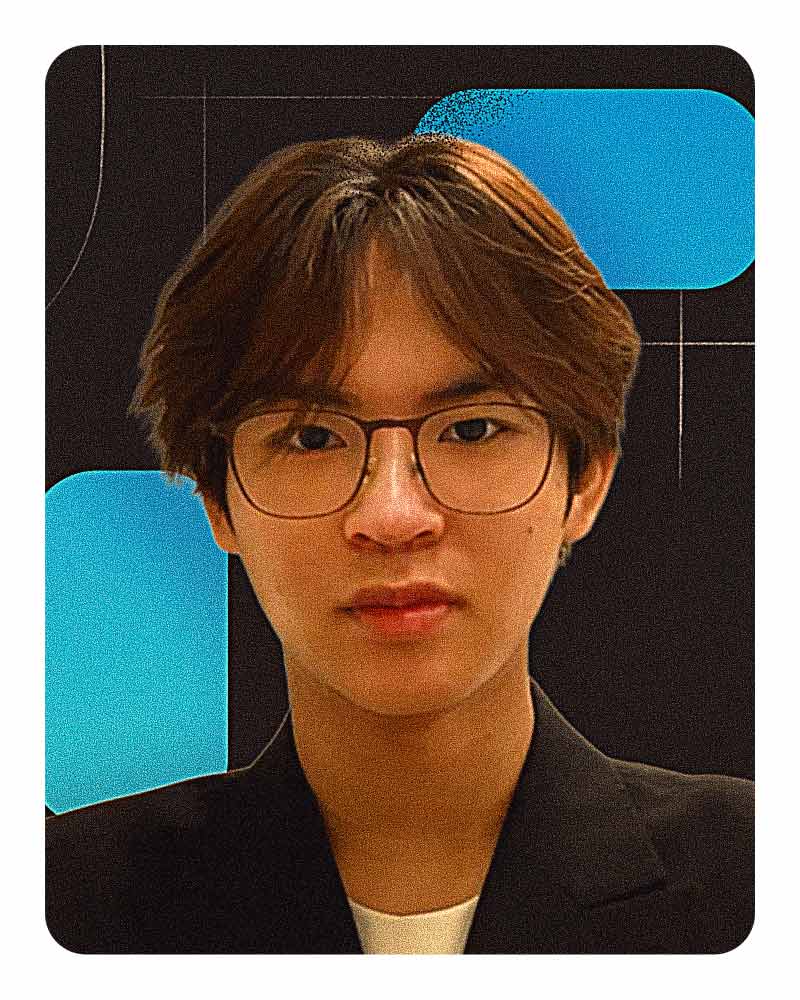
Growing up in Ottawa, Li developed a fascination with computers at a young age. “My dad did computer engineering,” he says. “He always brought back a bunch of hardware, and as a kid I was always playing with it.” These days, Li has a special interest in emerging AI systems. He has quickly made a name for himself through research internships at McGill University and the University of Toronto, as well as hands-on experience at Alphawave Semi and a series of hackathons. He graduated at the top of his class and is currently an intern at Backboard.io, where he’s helping build new products; in the fall, he plans to continue working there part-time while beginning his master’s degree at Stanford University.
Melanie Phillips
- School: Queen’s University
- Program: Engineering physics
- Employment status: Drafted by the University of California, Berkeley
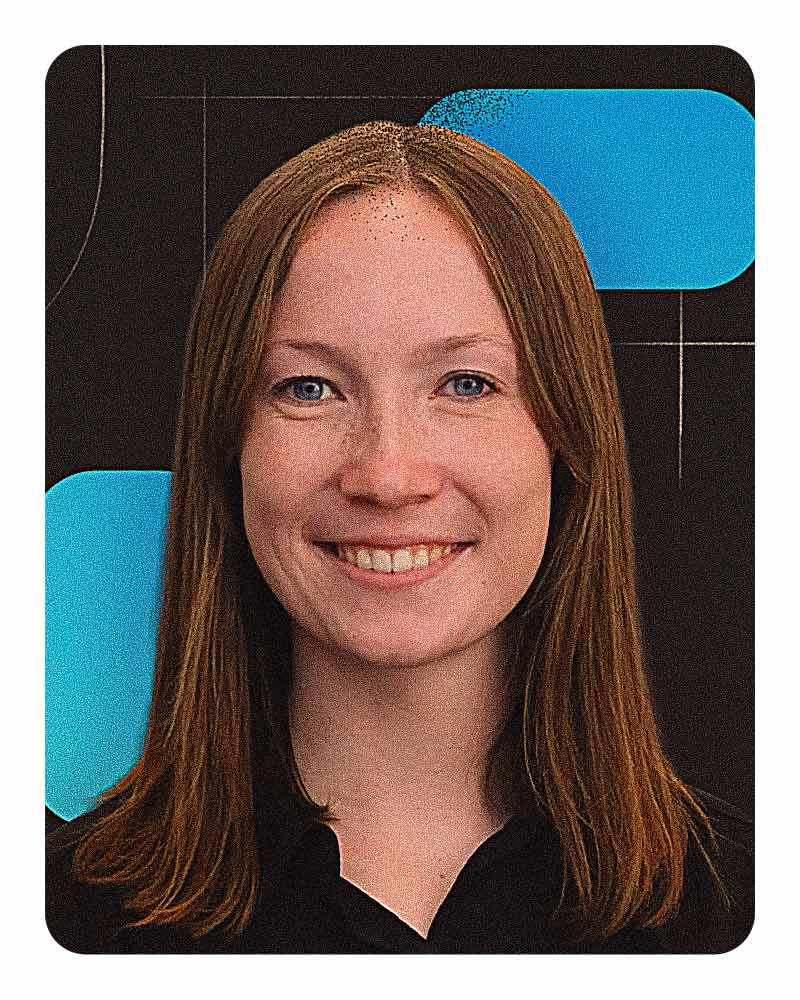
Recently named a 2026 Dean’s Scholar—an award given to Queen’s University engineering students with the highest GPAs—Phillips graduated at the top of her class. During her studies, she held research positions at the Arthur B. McDonald Research Institute, CERN and Triumf, and interned at Rocket Lab. She also mentored students through Zenith Canada Pathways, and her team was a Toronto winner and global nominee at the NASA Space Apps hackathon. Phillips was an active member of Queen’s Rocket Engineering Team, climbing the ranks from sub-team lead all the way to president. “That was probably one of the biggest influences,” says the Calgary native. “As soon as I joined, I was hooked.” After finishing up her final competition with the team this August, Phillips will be heading to the University at California, Berkeley’s Space Sciences Lab to pursue her PhD. Long term, she hopes to use her findings to improve satellite instrumentation.
Josiah Plett
- School: University of Waterloo
- Program: Computer science
- Employment status: Drafted by Maxima
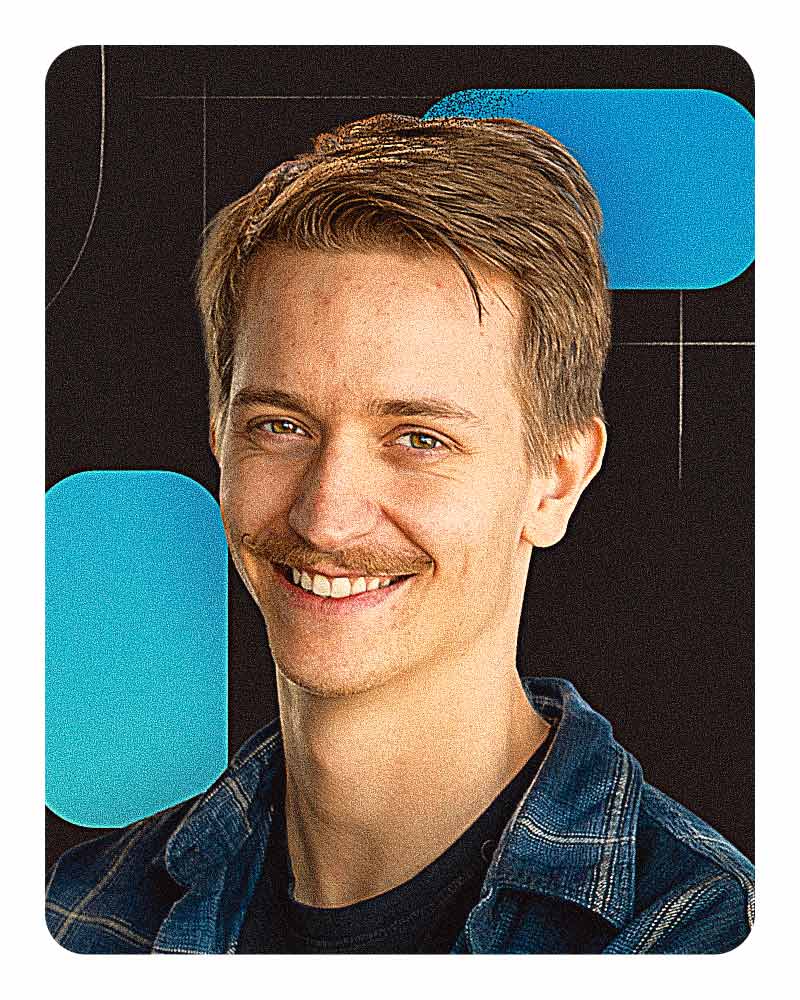
Plett learned to code by building his own games, which he started doing in elementary school in Victoria, on something of a whim: a friend was given a book on computer programming, and the two of them began tinkering together. “I got pretty lucky,” Plett says. By the time he was in his second year of university, he’d sold one of his creations to Cool Math Games. Mentored by the late entrepreneurship professor Wayne Chang, Plett has been applauded for his ability to transform his personal experience into meaningful tech, and for giving back to his student community through innovation talks, resume reviews and career discussions. He currently works at accounting startup Maxima, with dreams of running his own business one day.
Selin Uz
- School: University of British Columbia
- Program: Computer science
- Employment status: Drafted by Mundo AI
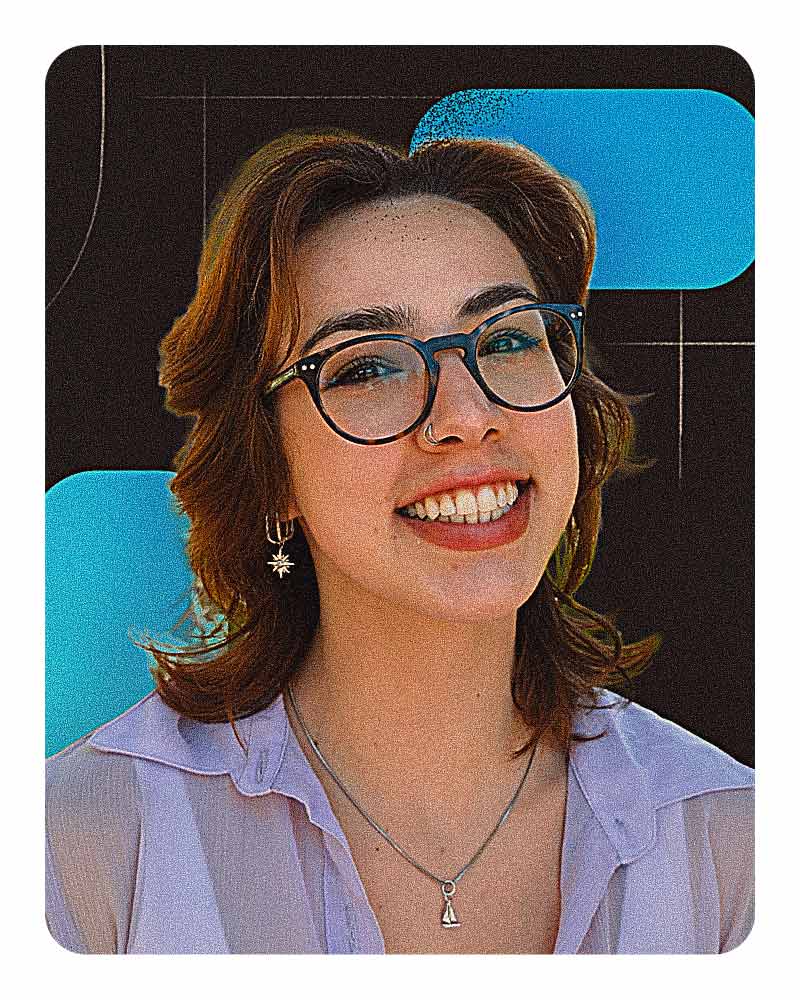
Uz moved to Vancouver from Istanbul, Turkey, after receiving the Karen McKellin International Leader of Tomorrow Award—a full-ride scholarship—to the University of British Columbia. And while gender studies was her initial focus, after taking a computer science course, she fell in love with the subject’s way of thinking. “It’s all about problem solving and seeing things from a different angle,” she says. “I thought that was very exciting.” At UBC she was highly involved in Women in Computer Science, and also spent her free time volunteering at an inner-city elementary school and on the Downtown Eastside. Uz, who now works as a product manager at Mundo AI, is particularly interested in making technology more equitable through the collection of diverse data.
Yuchen Wang
- School: University of Toronto
- Program: Computer science
- Employment status: Drafted by Stanford University
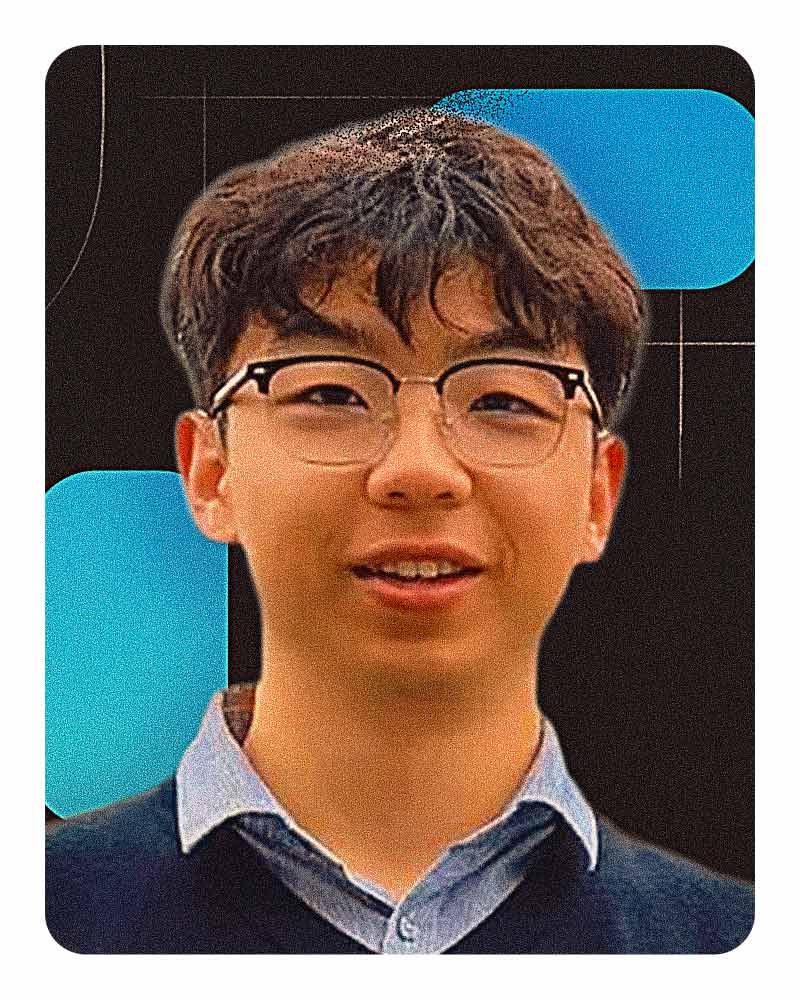
Wang focused his studies on applying AI to health care, including two research positions that had real-world impact. At Toronto Rehab, he used machine learning methods to analyze data related to patients with spinal cord injuries; and at the Vector Institute, he employed deep learning models to support clinicians building treatment plans for patients in the ICU. “It’s the potential that it can benefit all people,” Wang, who is from Wuhan, China, says of the intersection between AI and health services. “Eventually everyone needs health care.” Up next, Wang is heading to Stanford University to continue his research through a master’s degree.
Logan Woudstra
- School: University of Alberta
- Program: Computer science
- Employment status: Drafted by McGill University
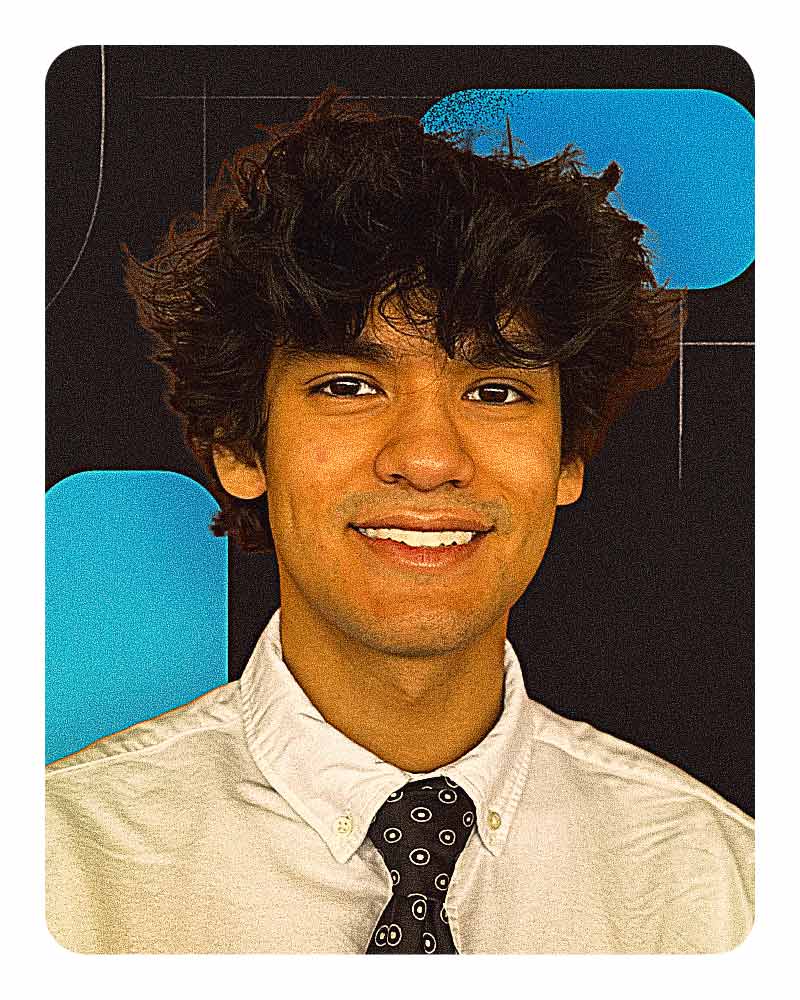
While studying at the University of Alberta, Woudstra received two NSERC Undergraduate Student Research Awards, co-authored a study published in Science Advances, and interned at the California Institute of Technology and the University of Augsburg. With a focus on robotics and reinforcement learning, the Edmonton native is getting ready to pursue a master’s degree at McGill University, and then plans to get his PhD before starting a career in robotic research science to continue working on the safe control of physical AI systems. “That’s one of the things that really draws me to robotics: the impact I can have on the real world,” he says. “It’s a physical embodiment of AI; it’s not existing just in simulation or on the cloud.”