MONTREAL — Canadian firm Cohere and French rival Mistral AI are surprise beneficiaries of U.S. attempts to dominate AI, as companies and countries seek alternatives to Silicon Valley technology.
Skip to content

News
Cohere and Mistral see the upside of not being born in the USA
Countries and companies looking for control over their AI systems are seeking alternatives to the U.S. and China and doing deals with smaller model-makers
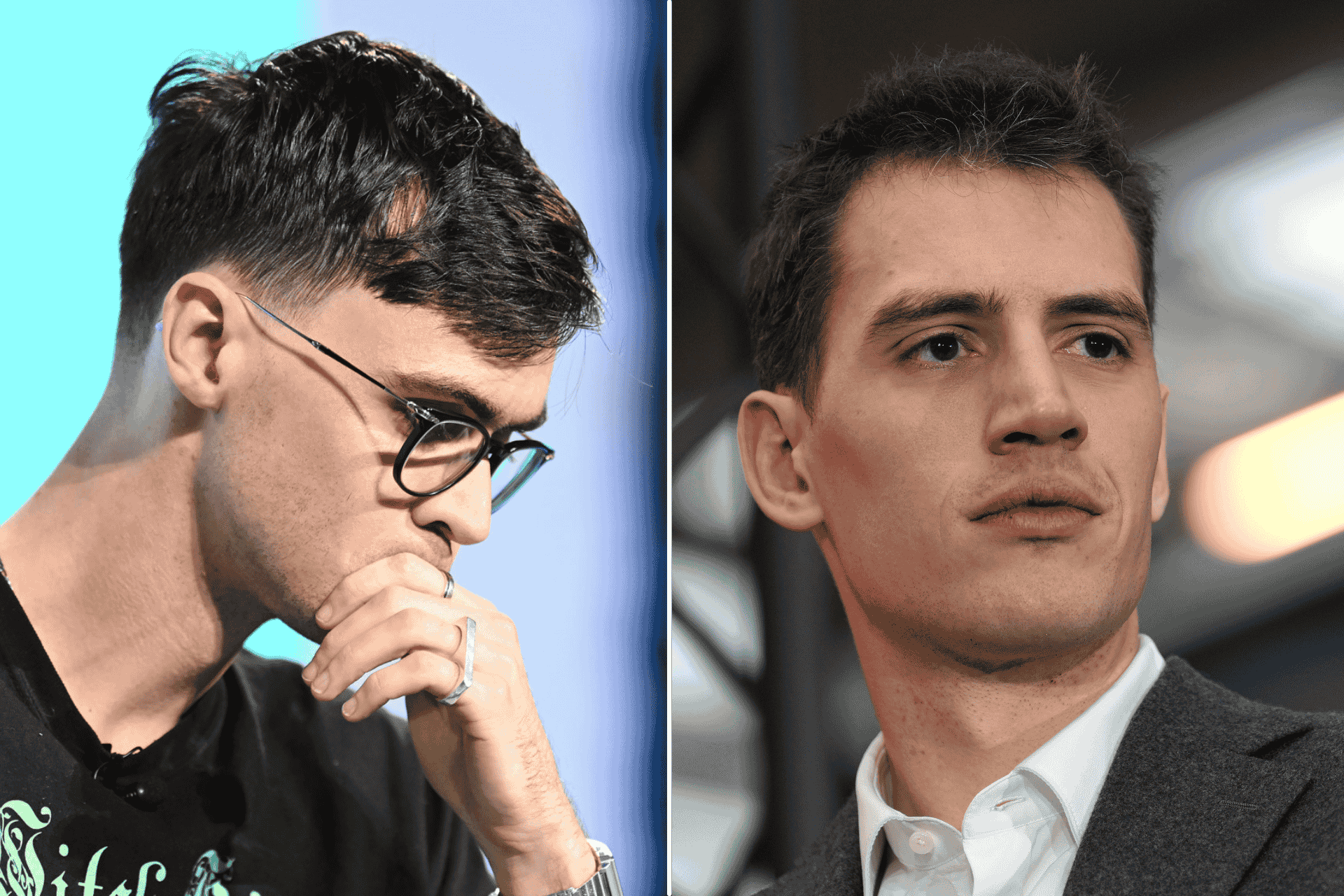
Cohere and Mistral have both attracted business from clients around the world interested in AI sovereignty. Photo: The Logic/Christopher Katsarov Luna; AP, Canadian Press/Aurelien Morissard
MONTREAL — Canadian firm Cohere and French rival Mistral AI are surprise beneficiaries of U.S. attempts to dominate AI, as companies and countries seek alternatives to Silicon Valley technology.
The move toward so-called sovereign AI is driven by economic opportunity but also fears that critical systems using AI could be switched off or manipulated by the country in which it is made. In France and Canada, those factors have led to the private and public sectors lining up behind their respective AI champions, buying their technology and providing funding for them to expand both at home and abroad.
Talking Points
- AI firms Mistral and Cohere are landing business and signing up government clients that want to buy technology from companies that aren’t from the U.S. or China, their co-founders say
- Countries are trying to develop sovereign AI so they’re not dependent on feuding major powers for software and hardware used in economic, security and information systems. Both Cohere and Mistral are also being championed by their home governments as Canada and France try to build up their AI industries.
Cohere and Mistral have both attracted business from clients around the world interested in AI sovereignty. “The fact that we are not U.S. and not Chinese is an asset for us,” Arthur Mensch, CEO of Mistral, said in an interview with The Logic in Montreal last month.
U.S. President Donald Trump has said he wants to ensure the “unquestioned and unchallenged global technological dominance” of the U.S. As part of that bid, his administration is putting together packages of U.S. AI software and hardware to export to allies. China also aims to become the world’s foremost AI power.
Mistral, founded in Paris in April 2023, open-sources its AI models, which it uses to power the tools and applications it builds for customers. The firm can adapt its technology to the culture and needs of particular markets. For example, it’s brushed up on Flemish for Belgian businesses, and is working with the Singapore defence ministry on an AI model trained on the city-state’s laws and culture.
Related Articles
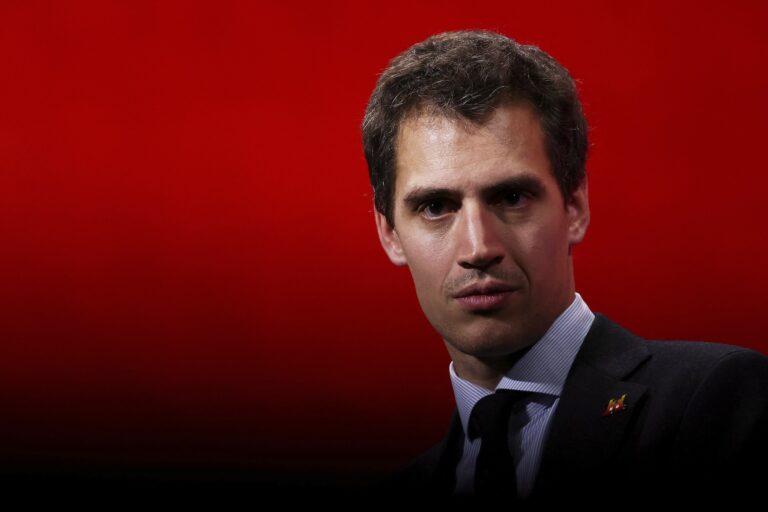

Countries and large firms want as much control as possible over the AI they use, with the technology starting to power more and more economic, security and information systems, Mensch said. “You need to have the ‘turn off and turn on’ button.” Both Mistral and Cohere let clients run technology on their own hardware, meaning they can’t see the data passing through.
French President Emmanuel Macron has called the bosses of top domestic firms to urge them to buy from Mistral. The firm’s French clients include the country’s defence ministry, telecommunications firm Orange, petroleum giant TotalEnergies and insurance firm Axa. The Élysée has been “cheering us from the sidelines,” Mensch said, adding “state marketing is good marketing.” The U.S. similarly backs its own firms, he said.
Cohere is also trying to capitalize on the sovereign AI wave. As companies seek alternatives to U.S. and Chinese AI vendors, “being Canadian is an asset,” co-founder Nick Frosst said in a recent interview with the 20VC podcast.
Frosst cited growing ties between the U.S. government and U.S. tech firms, like the Trump administration’s recent deal for a 10 per cent stake in chipmaker Intel. “Over the past few years, America has shown they are willing to turn off access to tech, based on political reasons,” he said, adding that countries should have their own AI models and infrastructure. Successive U.S. administrations have also imposed restrictions on semiconductor exports.
Defence analysts in some NATO countries have raised concerns about a “kill switch” in U.S.-made weaponry that could let Washington control critical systems in a conflict. European lawmakers and executives have expressed similar worries about AI, as the technology is installed in key financial and government systems.
Cohere has recently signed non-binding agreements with the Canadian and British governments to test its AI tools for use within departments and to deliver public services. It’s also working with LG CNS on an AI system for the South Korean foreign ministry to use in diplomatic functions. All three countries are trying to build up their AI industries and sovereignty.
Toronto-based Cohere has also signed up major Canadian corporate clients, including RBC and Bell, the latter deal partly facilitated by AI Minister Evan Solomon. “We should be unapologetic about championing our champions,” Solomon said in a June interview, citing Macron’s support for Mistral as a model to emulate in Canada.
Both Cohere and Mistral are still pursuing U.S. corporate and government clients, and each has a sizable share of its workforce and business in the U.S.
Globally, they compete against each other, as well as against Silicon Valley giants like OpenAI, Anthropic and Google. Tech giants reject the idea that they’re beholden to the U.S. government, or are disclosing confidential data to it. They also are not giving up the chance to sell sovereign AI abroad. In May, OpenAI launched a new program that customizes ChatGPT for countries and helps expand AI infrastructure by building or buying compute capacity.
In a recent interview, OpenAI’s chief global affairs officer Chris Lehane said sovereignty means giving countries control over their citizens’ data, and letting them localize AI systems for their languages and cultures. OpenAI wants to be “a constructive partner” for the sovereign AI push in Canada and elsewhere, he said.



Loading...
Thanks for sharing!
You have shared 5 articles this month and reached the maximum amount of shares available.
CloseThis account has reached its share limit.
If you would like to purchase a sharing license please contact The Logic support at [email protected].
CloseGift the full article!
You have gifted 0 article(s) this month and have 5 remaining.
Recipients will be able to read the full text of the article after submitting their email address. They will not have access to other articles or subscriber benefits.
Photo: The Logic/Christopher Katsarov Luna; AP, Canadian Press/Aurelien Morissard
Most Popular This Week




In-depth, agenda-setting reporting
Great journalism delivered straight to your inbox.
The Big Read
Alberta’s referendum is just the start of the turmoil
Briefing
EverWind plans $10B data centre and wind development in Nova Scotia
Canada ready to force Stelco to sell its Canadian operations, Joly says
Feds plan a 60 MW defence-oriented data centre for Ottawa
Best business newsletter in Canada
Get up to speed in minutes with insights and analysis on the most important stories of the day, every weekday.
Exclusive events
See the bigger picture with reporters and industry experts in subscriber-exclusive events.
Membership in The Logic Council
Membership provides access to our popular Slack channel, participation in subscriber surveys and invitations to exclusive events with our journalists and special guests.






